Castle Summersberg: A Hilltop Castle in South Tyrol
Site at a Glance
- Rating
- 5
- Popularity
- Very Low
- Country
- Italy
- Primary era
- Medieval
- Eras represented
- Medieval, Early Modern
- Civilizations
- Habsburg, Habsburg Austria, Holy Roman Empire
- Site type
- Military
- Remains
- Castle
On this page9 sections
History
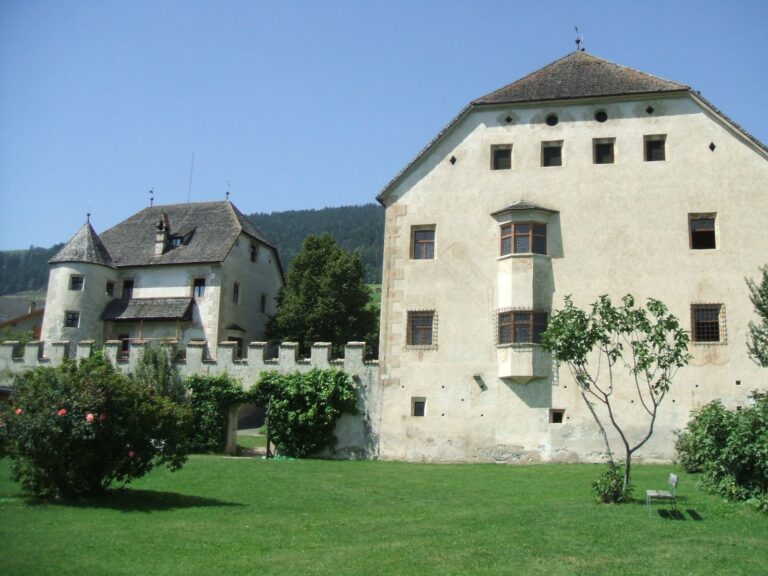
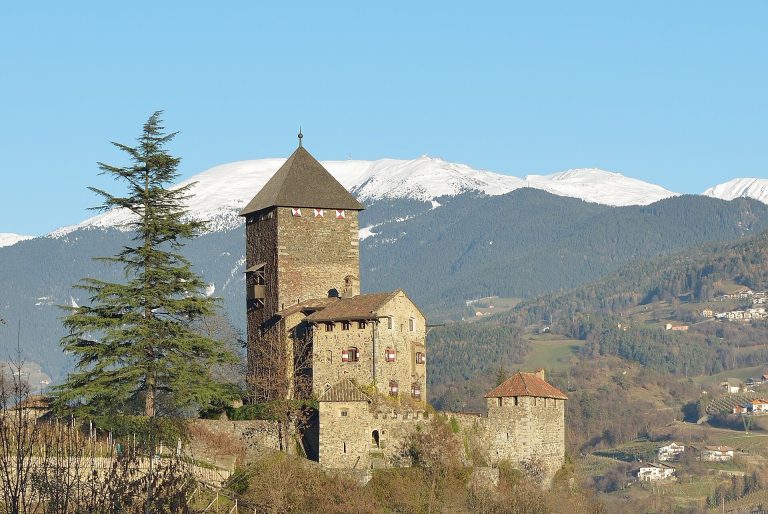
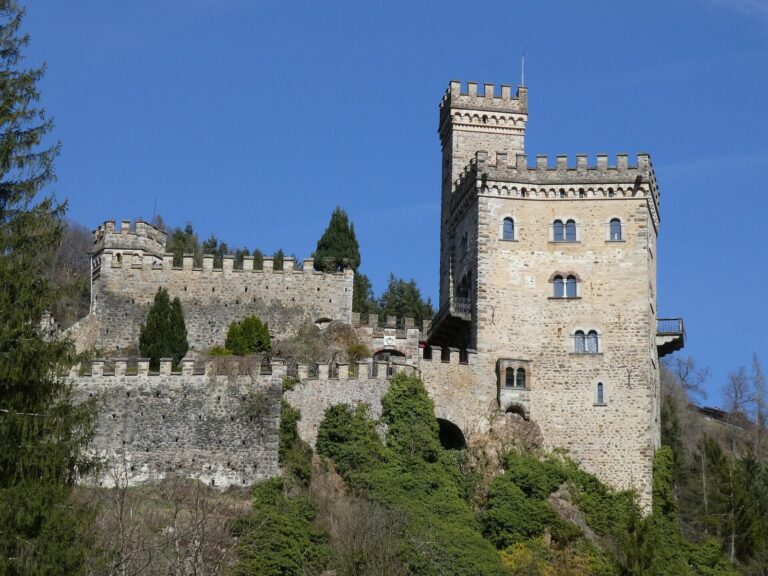
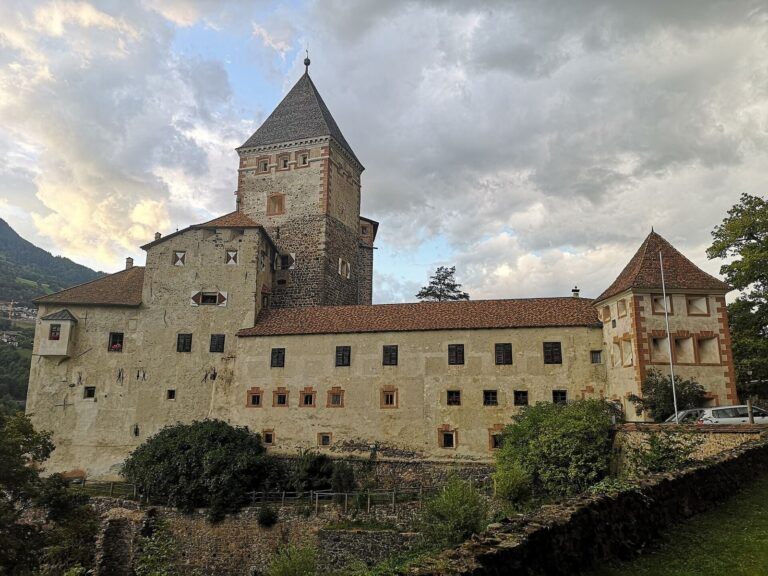
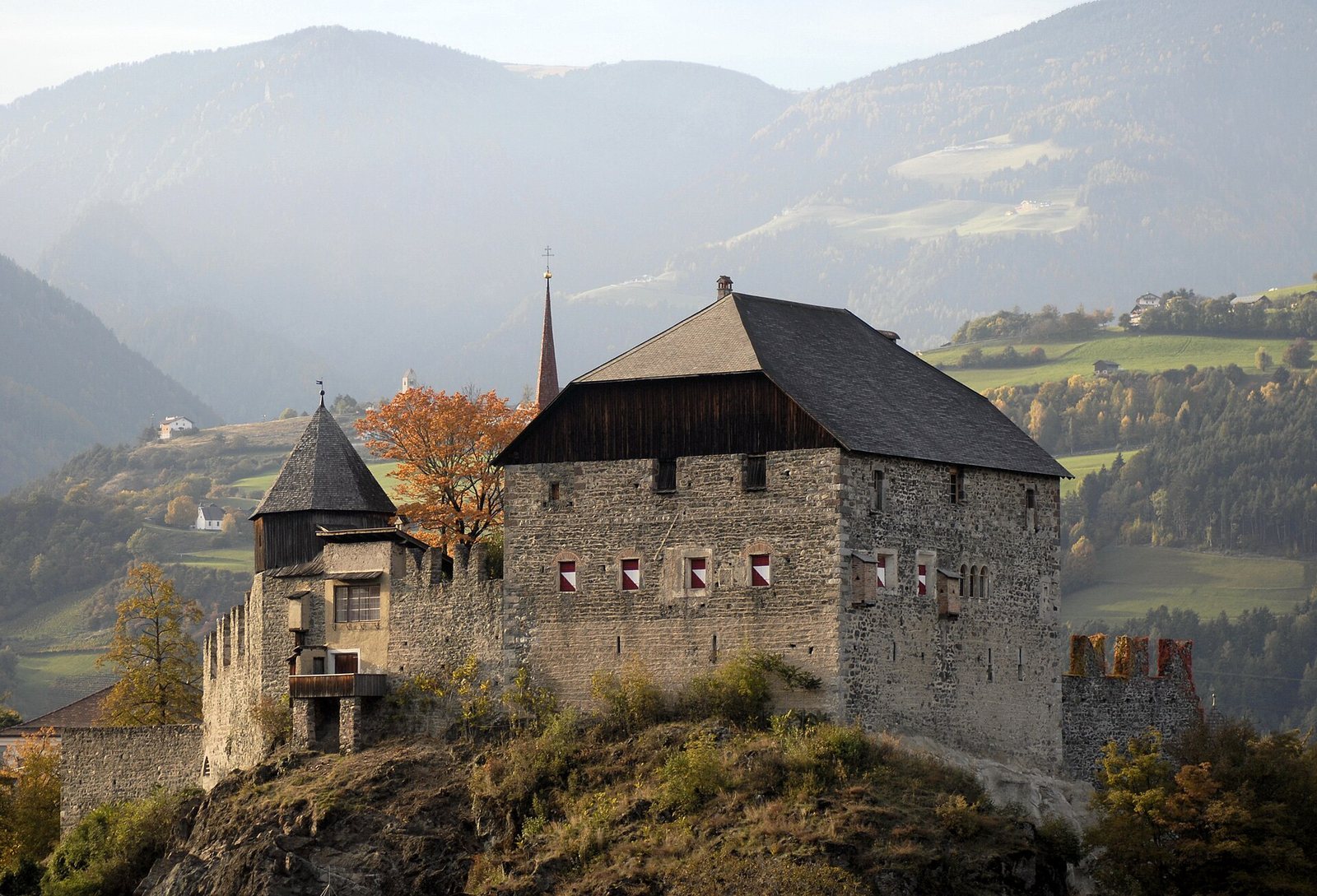
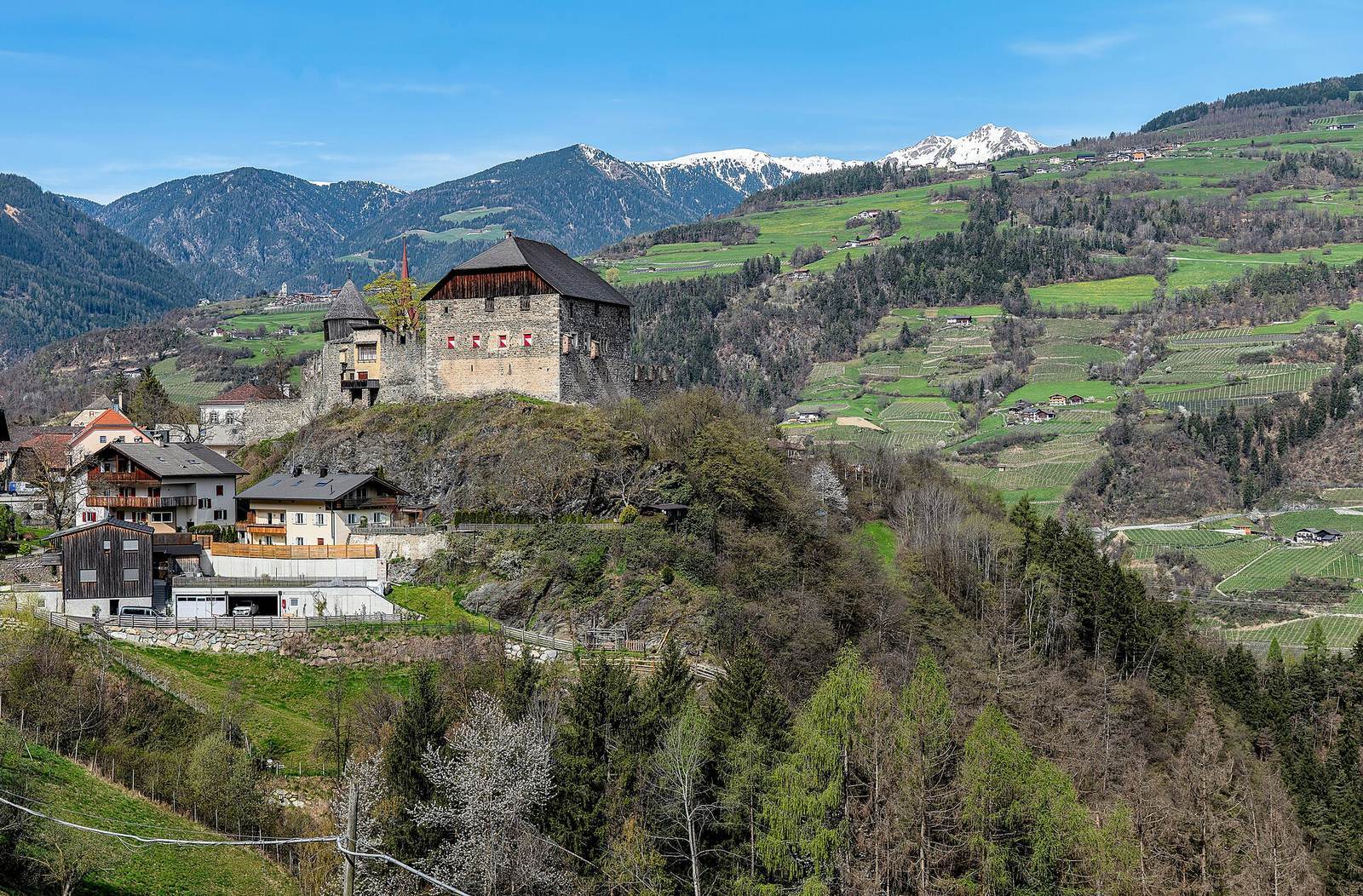
Castle Summersberg is a hilltop castle in Gudon, within the municipality of Chiusa in South Tyrol, Italy. Its first nucleus was built in 1202 by the Lords of Summersberg, and the castle later served as the seat of Gudon’s judicial court. Castel Sommo is an obsolete Italian name for the site.
Foundation and medieval enlargement
The Lords of Summersberg established a simple castle in 1202. The family moved to Albeins during the first half of the 14th century. In 1329, Georg von Villanders, a medieval South Tyrolean nobleman, received the castle and renovated it as a more suitable residence.
The castle was enlarged in the 15th century and had attained its present form by the 16th century. Further additions were made between the 15th and 18th centuries.
Ownership and judicial role
After the Lords of Gudon died out, the castle passed first to the Trautson family and then to the Wolkensteins. The Wolkensteins owned it from 1619 to 1828. Until 1828, it also housed Gudon’s judicial court.
Jörg Blaurock’s imprisonment
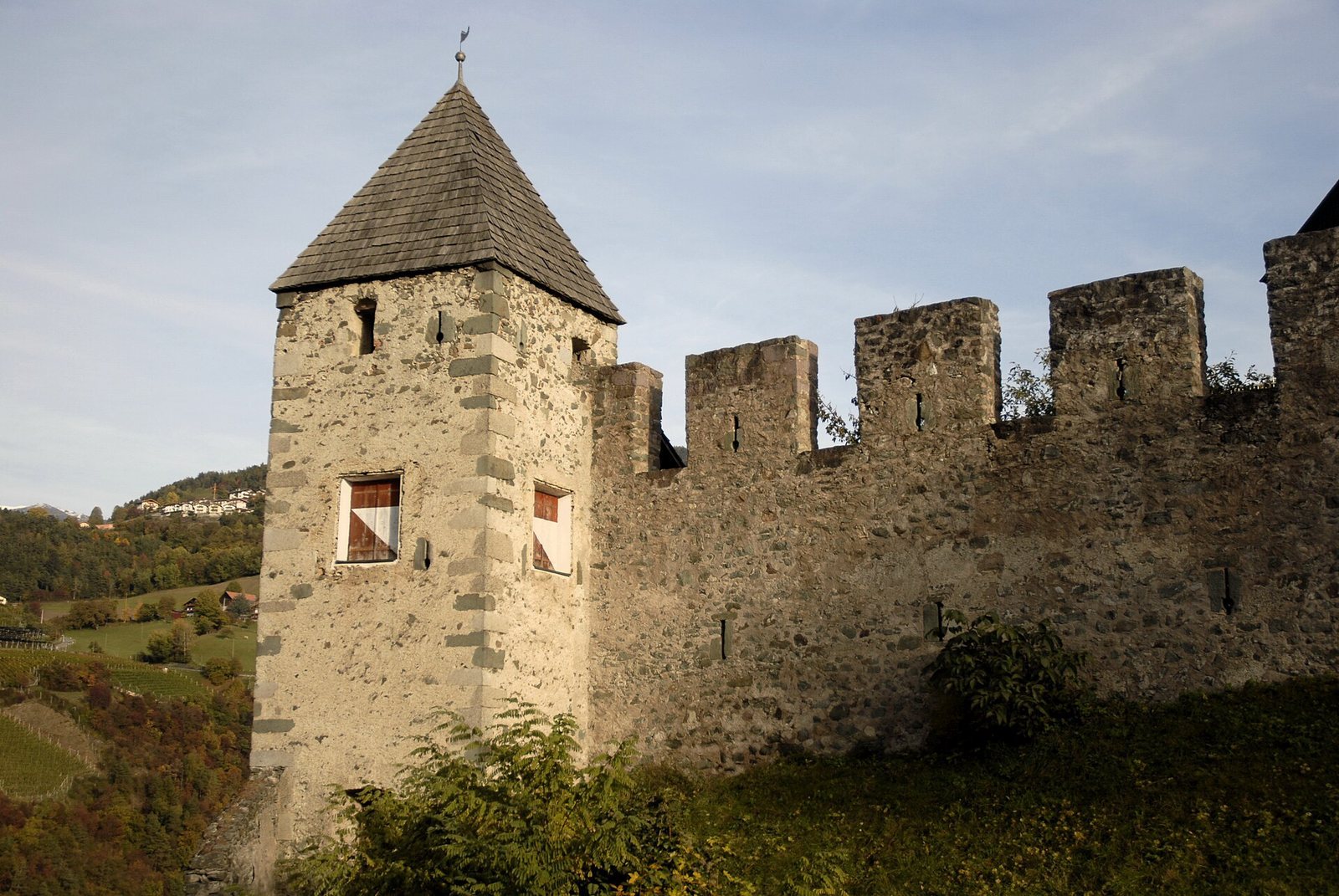
Jörg Blaurock, an early leader of Anabaptism, was held in one of the castle’s towers from 19 August 1529 until his execution on 6 September. Anabaptism was a 16th-century Christian reform movement that emphasized adult baptism.
Zingerle and later conservation
In 1880, historian and folklorist Ignaz Vinzenz Zingerle bought the castle, which had fallen into some disrepair, and arranged for its restoration. His descendants owned it in 2014.
Repairs and conservation work continued over the following decades. The palace received a fiber-cement roof in 1971, and the round Witch Tower and Long Staircase were roofed with larch shingles in 1990. The exterior walls were renovated from 1991 to 1994, followed by restoration and modernization of the Wolkenstein wing in 2002. From 2009 to 2011, 332 anchor rods were installed in the rock face to secure the castle’s northern side, particularly its north tower.
Remains
Layout and defensive remains
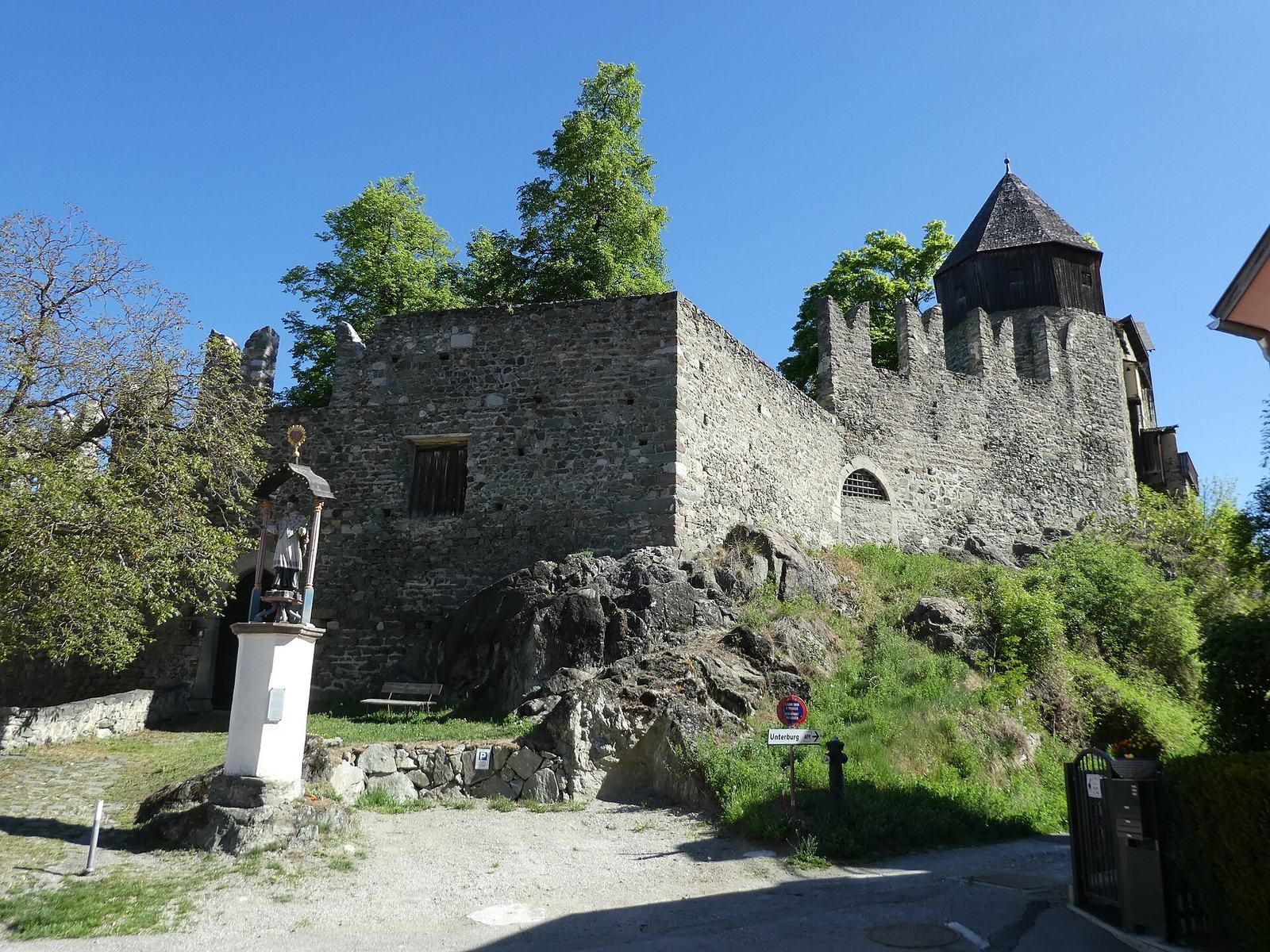
The castle stands on a rock of highly varied, metamorphically altered gabbro, a coarse-grained igneous rock changed by heat and pressure. Its oldest surviving core consists of a residential palace beside a round tower, a 14th-century structure. Part of a defensive wall also remains. Rockfalls affected the northern face of the castle rock, and in the 1950s a rockslide carried a section of castle wall about 20 metres long into the valley near the Villnösser Bach.
The palace
The palace has three-light windows, bay windows and wooden stairs. A central hall is surrounded by other rooms, including a farmhouse parlor with a wooden-beam ceiling.
Sculptures and displays
A wooden group in the courtyard, dating to the 15th century and attributed to the Brixen school, depicts the Crucifixion of Christ. Inside, a small hall named for Austrian sculptor Heinrich Natter once displayed a sculpture of Brunhildis, a figure from Germanic heroic legend, as well as large photographs of sculptures of Wotan, a Germanic deity, Siegfried, a legendary hero, and composer Joseph Haydn. The displays also included a 12th-century Madonna carved from quartz.