Palazzo del Giardino in Sabbioneta: A Ducal Palace for Private Life
Site at a Glance
- Rating
- 4.5
- Popularity
- Medium
- Country
- Italy
- Primary era
- Early Modern
- Eras represented
- Early Modern
- Civilizations
- Holy Roman Empire
- Site type
- Domestic
- Remains
- Elite Residence
On this page11 sections
History
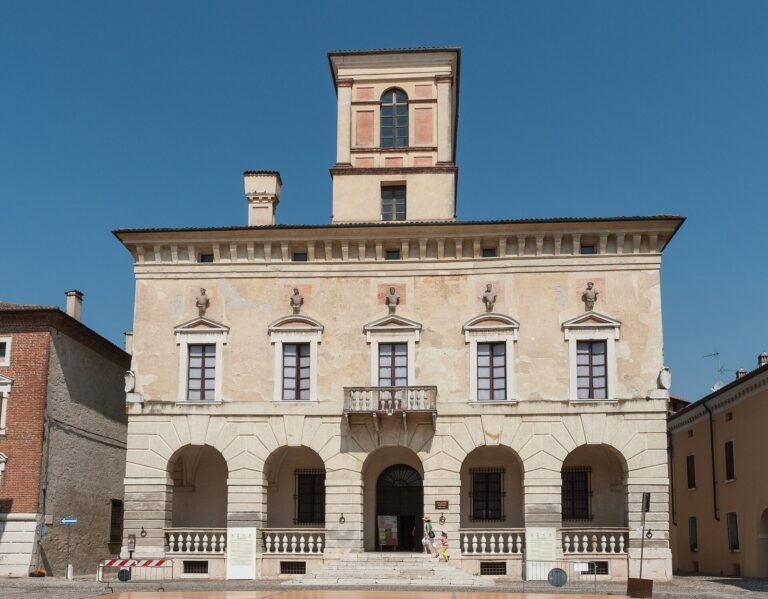
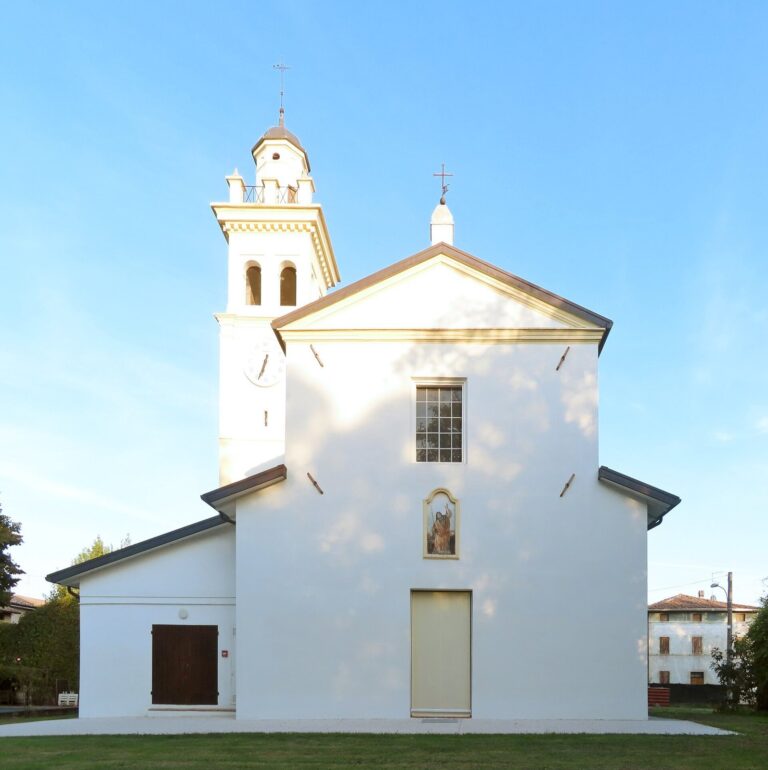
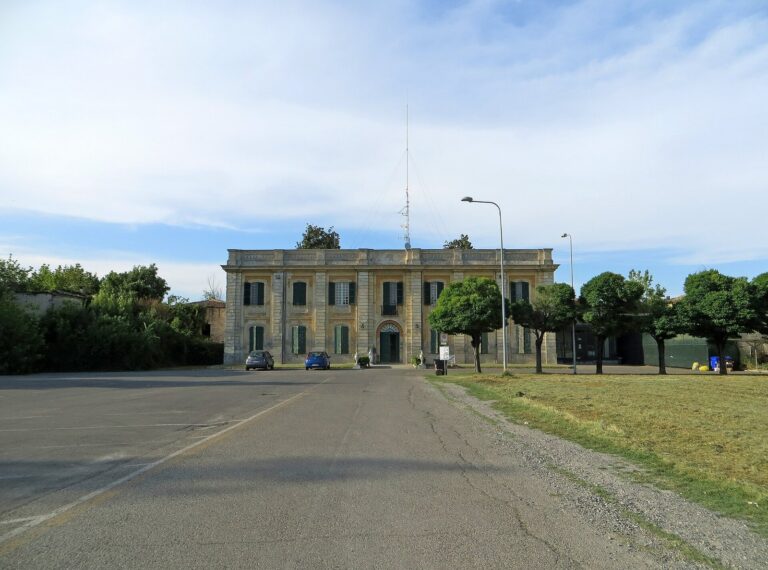
Palazzo del Giardino in Sabbioneta, Italy, is a palace commissioned by Duke Vespasiano Gonzaga and built between 1578 and 1587 as a setting for his private life. Vespasiano was a sixteenth-century Italian nobleman of the Gonzaga dynasty and Duke of Sabbioneta. The palace is also known as the Casino.
The Municipality of Sabbioneta owns the building, which is now used as a museum.
Remains
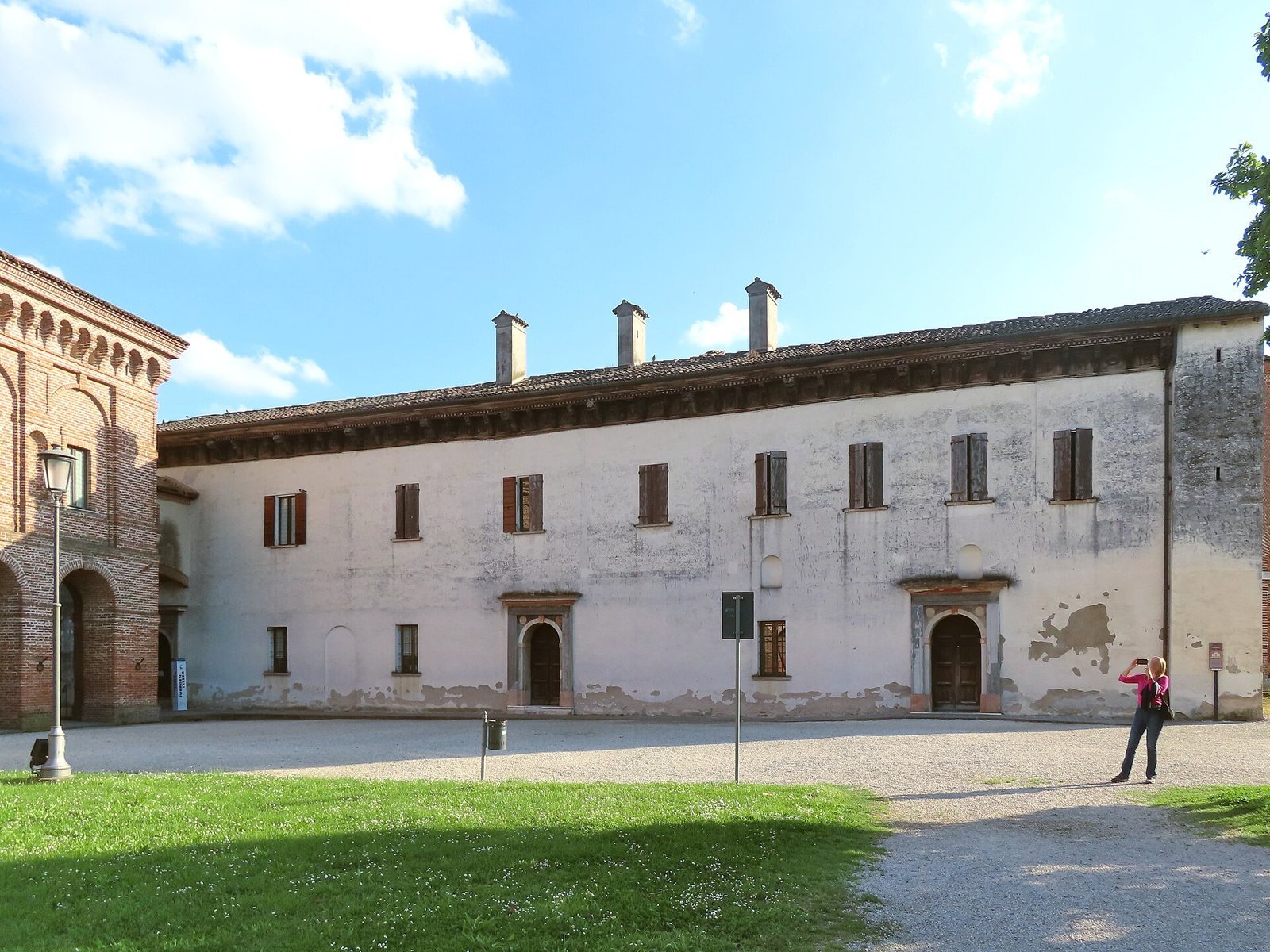
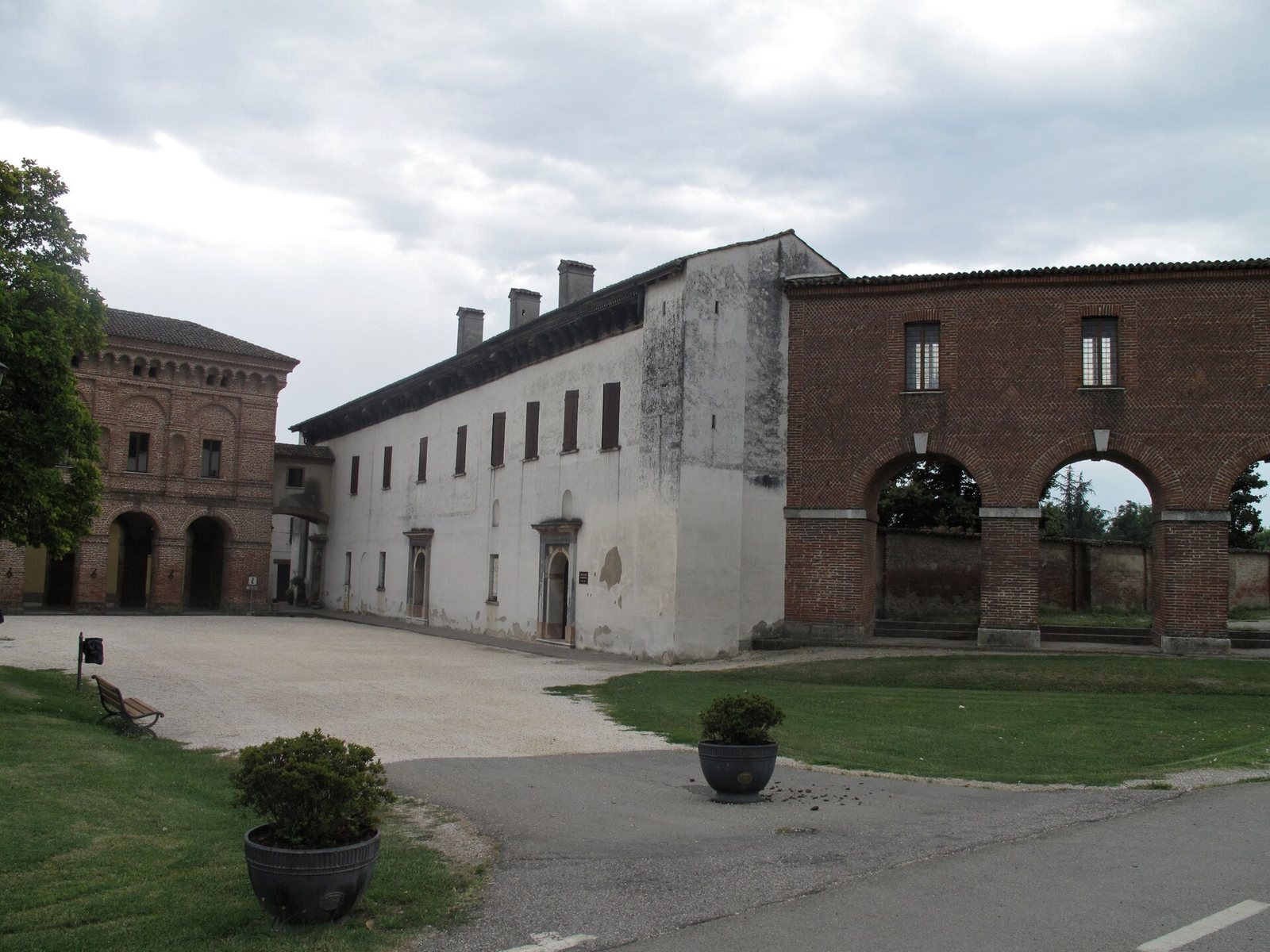
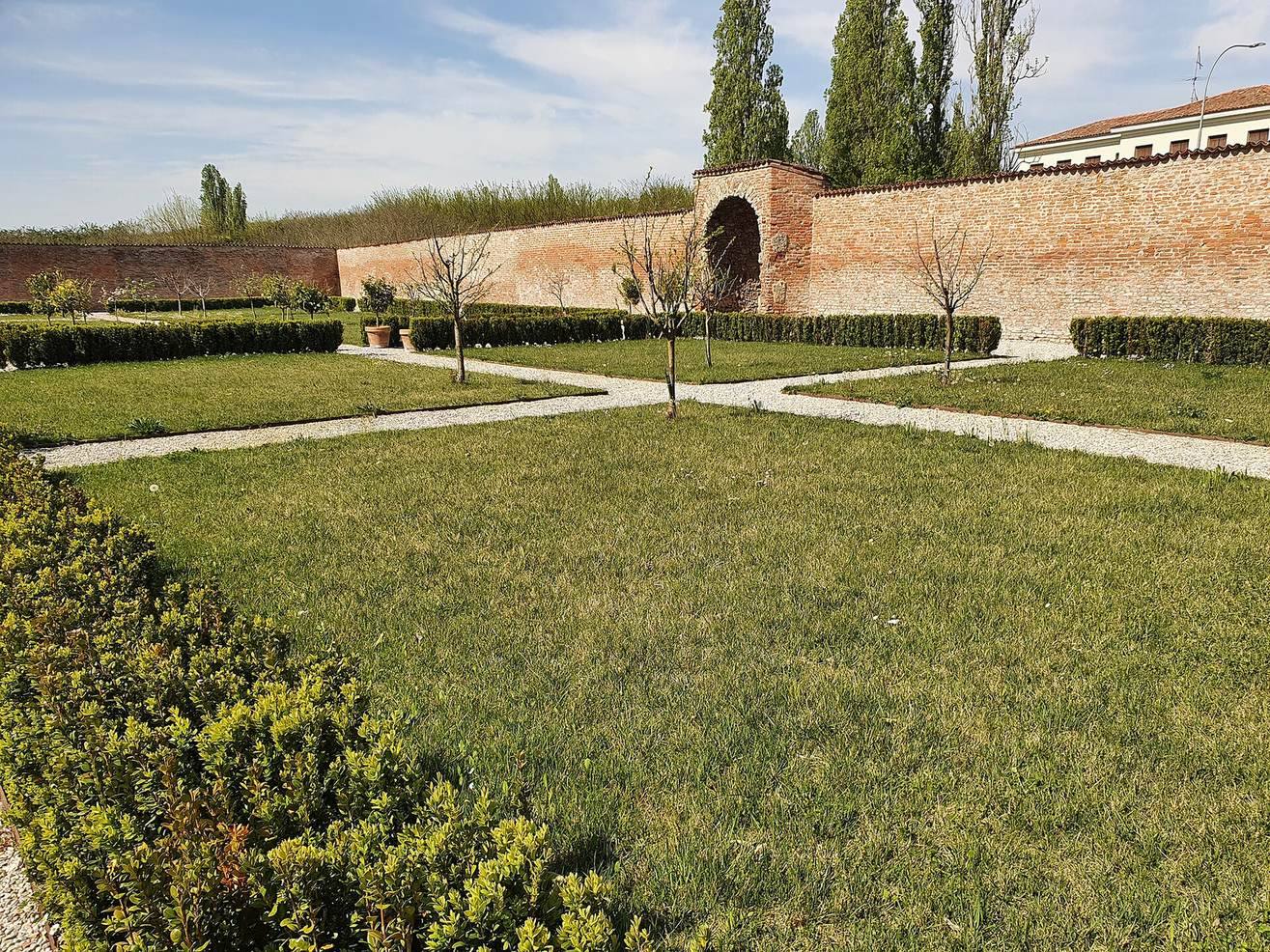
The two-storey palace stands between the Gallery of the Ancients, also called the Great Corridor, and the Small Corridor. Its principal floor contains a sequence of decorated rooms and corridors. An Italian-style garden, laid out with two avenues and a fountain at the center, forms part of the complex.
Principal-floor rooms
Room of the Caesars
The rear wall of the Room of the Caesars is painted with Triumphant Rome.
Room of Philemon and Baucis
The ducal coat of arms occupies the center of the Room of Philemon and Baucis.
Room of Myths
Bernardino Campi painted the Room of Myths with mythological scenes and emblems associated with the Gonzaga family.
Small Room of Aeneas
The Small Room of Aeneas, which served as the duke’s study, is richly decorated with frescoes.
Corridor of Orpheus
Paintings by Carlo Urbino decorate the Corridor of Orpheus.
Hall of Mirrors
The palace’s largest room is the Hall of Mirrors. Its paintings show scenes of Roman life and expansive landscapes. The landscapes may be by Jan Soens, a painter who worked for the Farnese family of Parma.
Small Room of the Graces
Fornaretto Mantovano painted mythological figures in the Small Room of the Graces.
Garden
The Italian-style garden is organized around two avenues, with a fountain at its center.