Bishop’s Palace of the Mezzani: A Renaissance Episcopal Residence in Italy
Site at a Glance
- Rating
- 4
- Popularity
- Very Low
- Country
- Italy
- Primary era
- Early Modern
- Eras represented
- Early Modern
- Civilizations
- Unclassified
- Site type
- Civic
- Remains
- Palace
On this page4 sections
History
Episcopal rule in the Mezzani
In 880, Charles the Fat, a Carolingian ruler who later became emperor, granted the bishop of Parma the banks of the Po, Parma, Enza and Taro rivers, along with islands in those rivers. Holy Roman Emperors Otto III and Henry VI confirmed the grant in 973 and 1195. Mezzano Superiore and Mezzano Inferiore began as islands in the Po and became possessions of the bishop. After they joined the Parma riverbank, the bishop encouraged settlement by granting land to farmers under long-term arrangements that required them to improve it and meet obligations to its owner.
The Mezzani formed a self-governing territory. The bishopric appointed its podestà, an official who served as chief magistrate, and exercised justice there. The bishop also held the title of count over the Mezzani, a territory governed under feudal obligations.
The Farnese palace and its later history
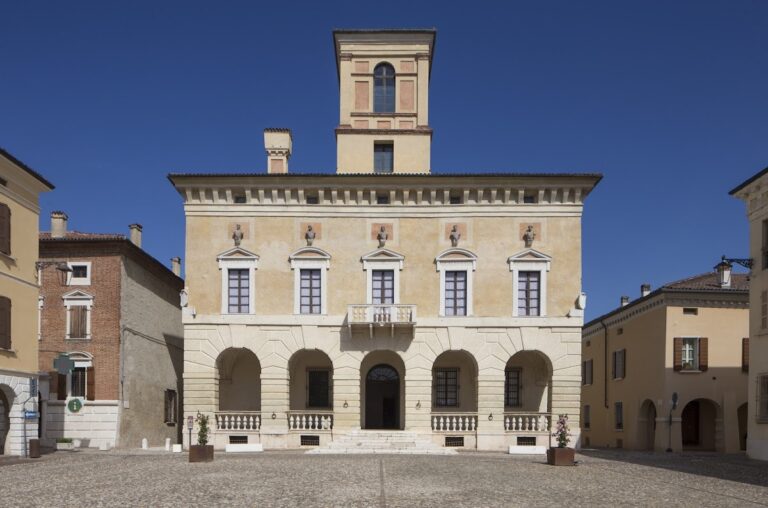
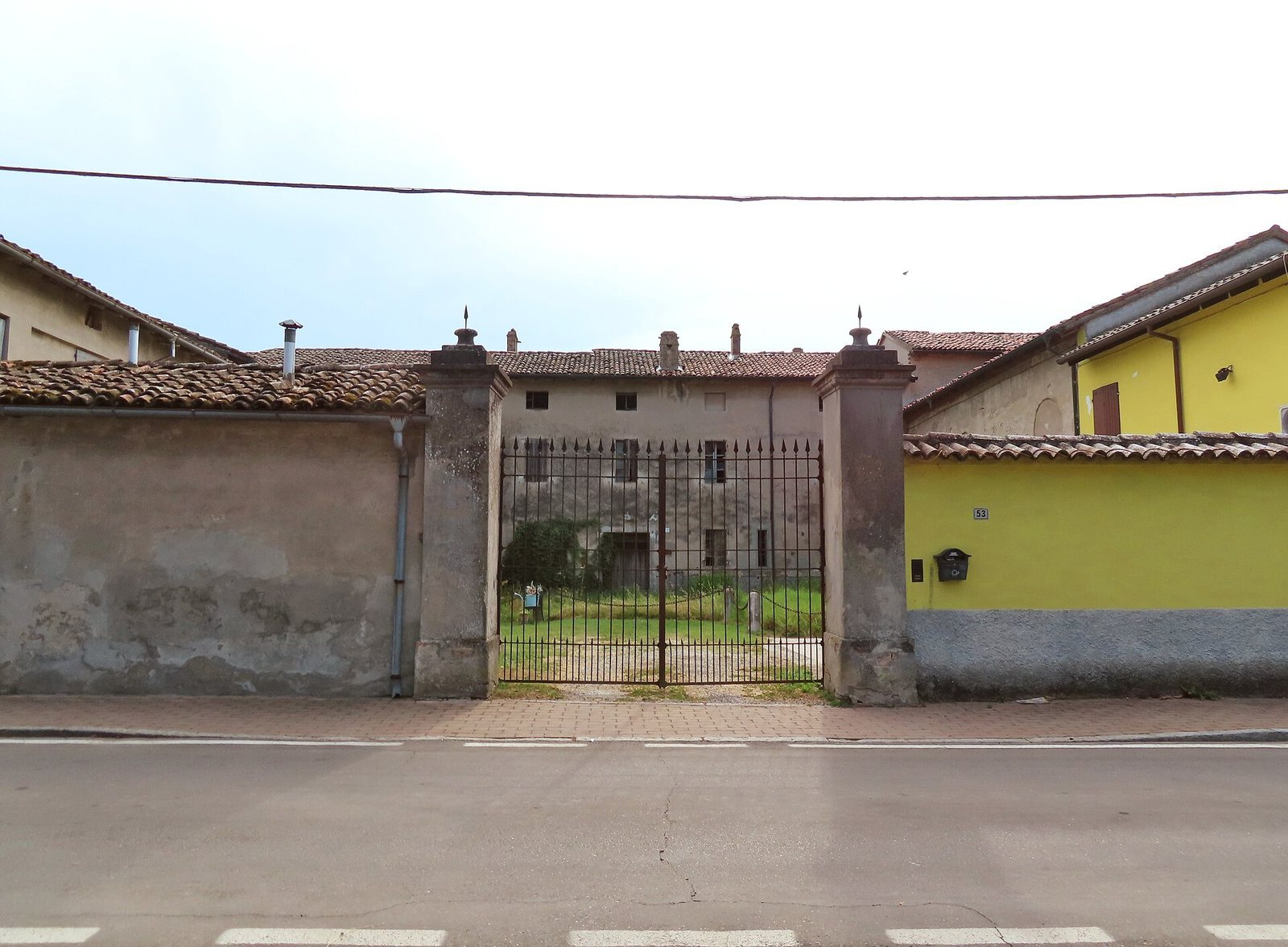
The Bishop’s Palace of the Mezzani is a sixteenth-century Renaissance civic palace in Mezzano Superiore, Italy, commissioned by Ferdinando Farnese, bishop of Parma. The project was never completed, though contemporary drawings indicate that it was intended to be grand in scale. Farnese stayed at the palace on visits, while the podestà lived and worked there. The building also accommodated a local law-enforcement officer and a small garrison, as well as archives and prisons. Its forecourt had stables for eight horses and sheds for carriages. Contemporary observers praised the palace as sturdy, well arranged and able to accommodate many people.
It was also described as a comfortable, well-provisioned retreat for the bishops, with religious services, ample accommodation and opportunities to fish on the Po. Its temperate setting and proximity to a substantial part of the diocese extending into the territories of Modena made it a possible refuge in wartime. In 1575, Farnese had a small chapel, or oratory, built beside the palace and dedicated to Saint Roch, a Christian saint traditionally invoked against plague. Fines imposed on lawbreakers paid for its construction, inspiring the saying Iniquitates peccatorum fabricaverunt me (“The iniquities of sinners built me”).
In 1763, the Mezzani passed to the Duchy of Parma, and the palace lost its public functions. It was later sold into private ownership and remains privately owned and inhabited.
Remains
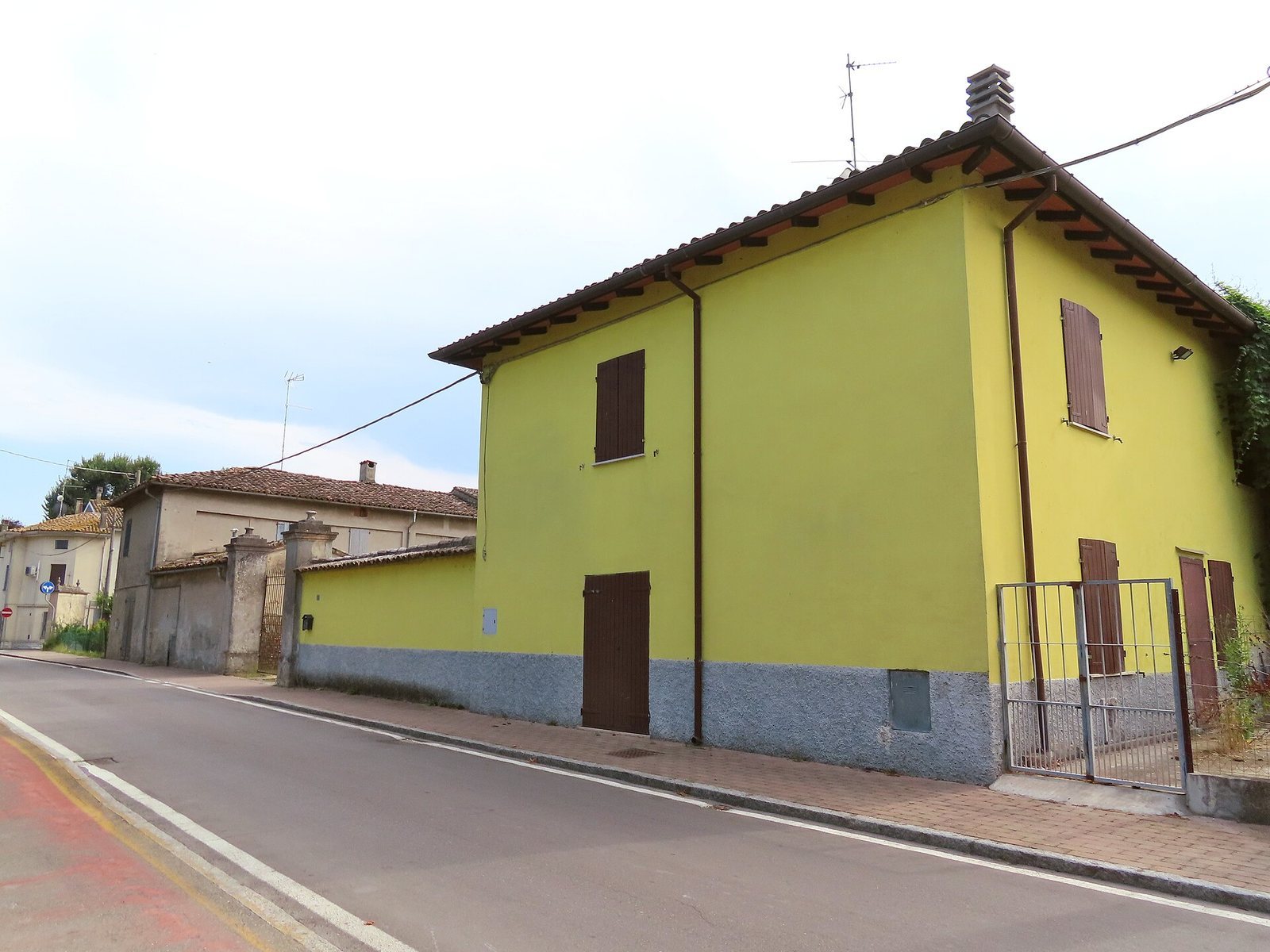
The palace’s original courtyard arrangement remains legible from the exterior. A central block stands with two side wings, a perimeter wall and an entrance gate. Although the building has been altered and adapted to uses different from its original ones, these elements preserve the arrangement of the complex.