Alcazaba de Guadix: A Medieval Fortress in Spain
Site at a Glance
- Popularity
- Medium
- Country
- Spain
- Primary era
- Medieval
- Eras represented
- Classical, Medieval
- Civilizations
- Nasrid, Roman, Taifa Kingdoms
- Site type
- Military
- Remains
- Citadel
History
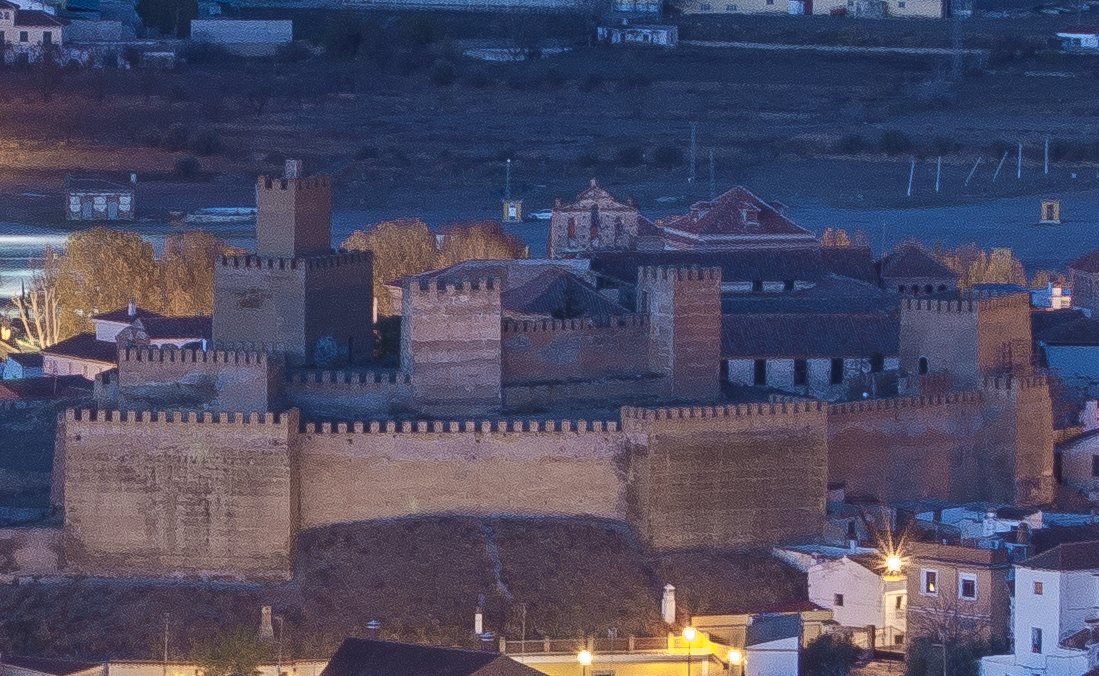
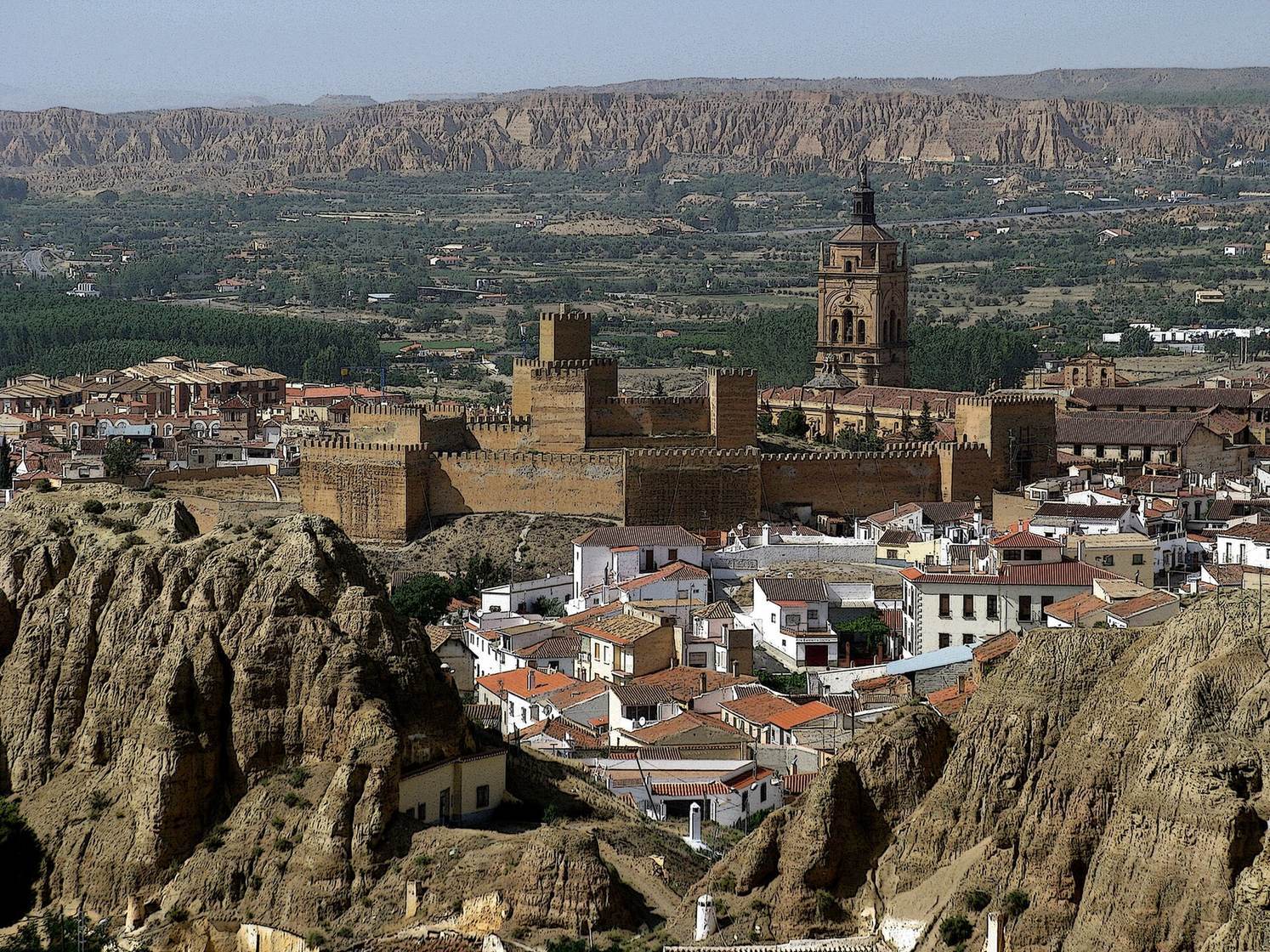
The Alcazaba de Guadix is a fortified citadel in Spain, built chiefly to defend the town from Christian incursions. Construction began around the 10th century under the Zirid dynasty, a ruling house of North African origin, when Granada was an independent Muslim polity. The fortress is also dated to the 11th century and described as a reconstruction based on an earlier Roman fortification.
Nasrid enlargement and later history
The Nasrids, the dynasty that later ruled Granada, enlarged the fortress. After Ferdinand II of Aragon and Isabella I of Castile, known as the Catholic Monarchs, conquered Guadix in 1489, the Alcazaba began to be abandoned.
Much of its interior was lost when the fortress was partly destroyed in the 16th century. During the Napoleonic-era siege of Guadix, French forces made further changes to it, and it was later restored. In 1931, the Alcazaba was declared a National Artistic Monument.
Remains
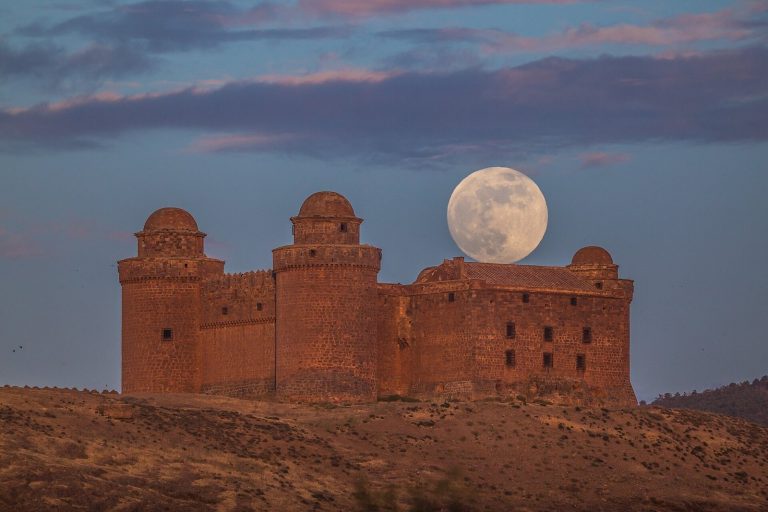
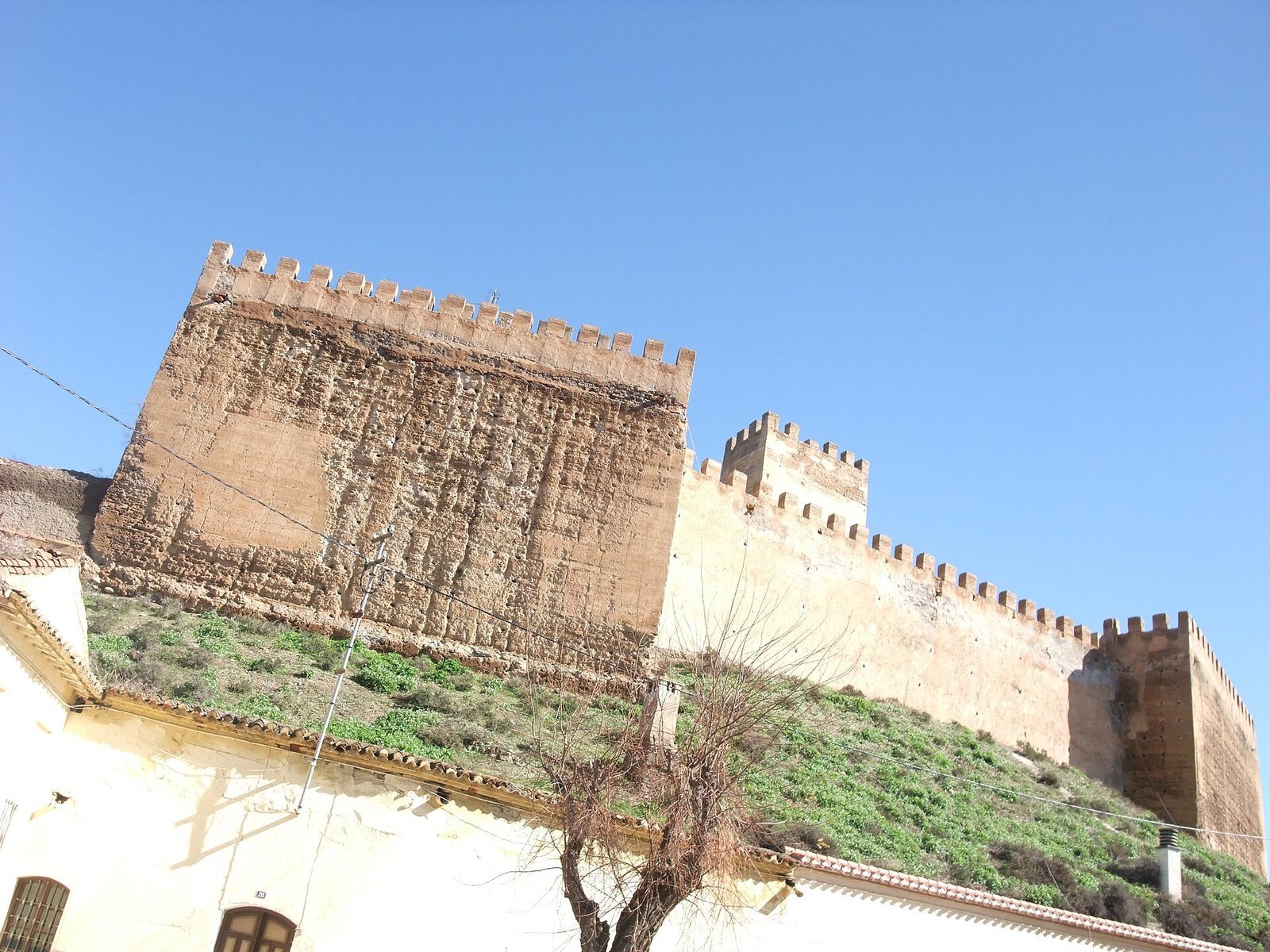
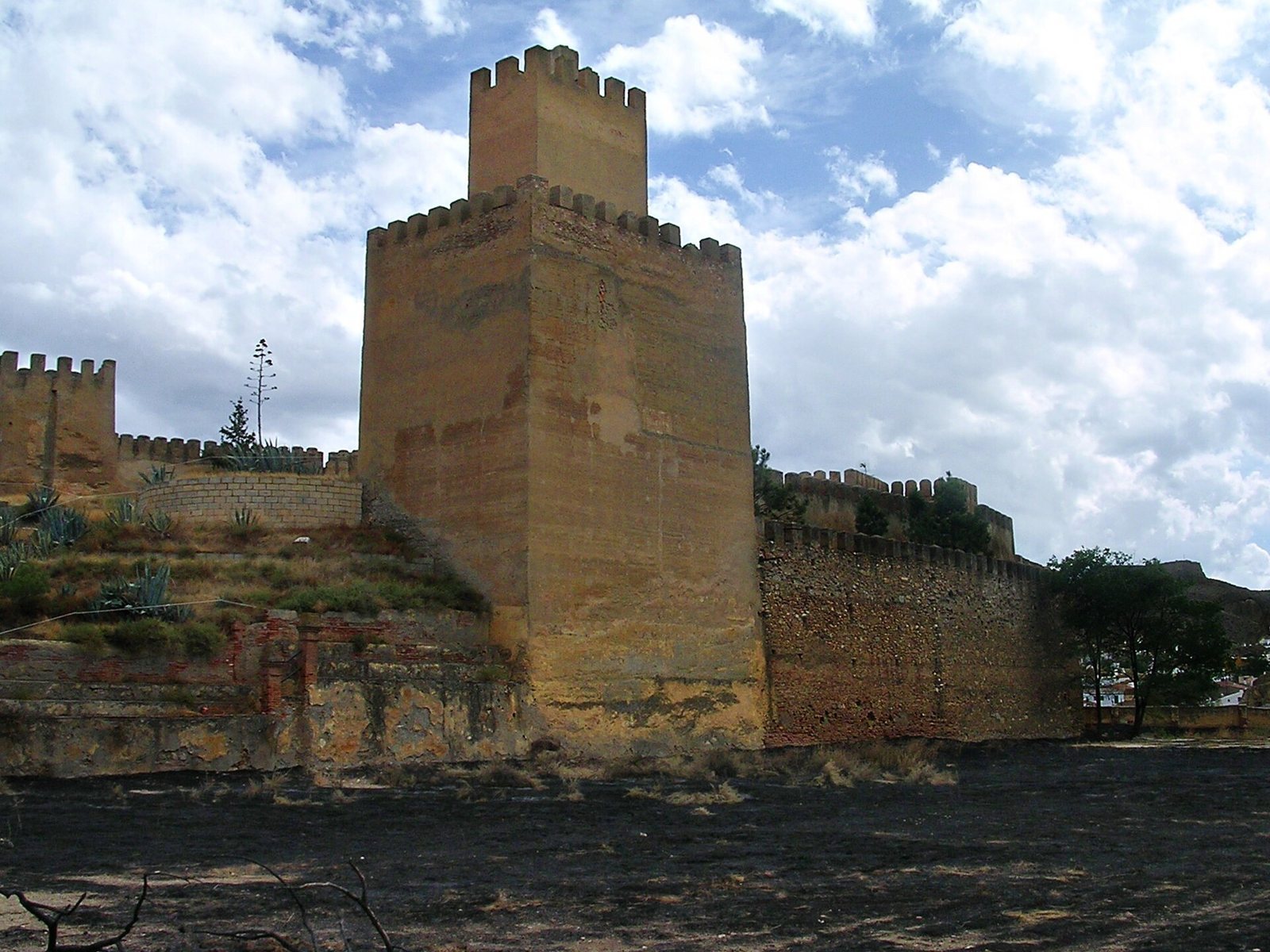
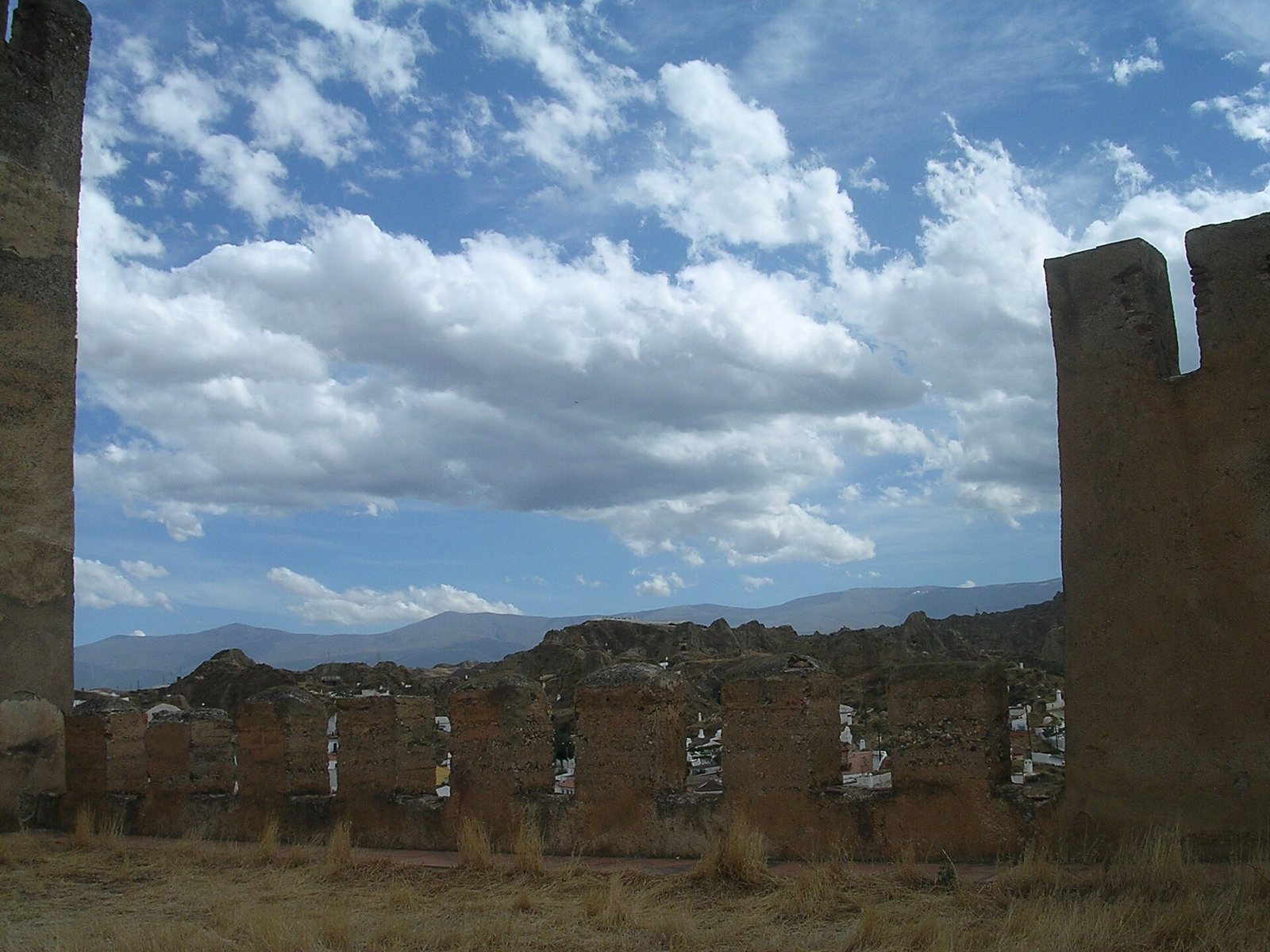
The tower has a square plan and is built chiefly of rammed earth, which gives the fortress its characteristic reddish appearance. It has two sections, with the upper one smaller than the lower, and both are topped with rectangular battlements. A sculpture of the Immaculate Conception, the Christian belief that Mary was conceived without original sin, once stood on the tower’s upper part. The sculpture was later moved to the Spirituality Center of the Diocese of Guadix.