Castle Hackett: A Medieval Tower House in County Galway
Site at a Glance
- Rating
- 3
- Popularity
- Very Low
- Country
- Ireland
- Primary era
- Medieval
- Eras represented
- Medieval, Early Modern
- Civilizations
- Norman
- Site type
- Military
- Remains
- Castle
On this page8 sections
History
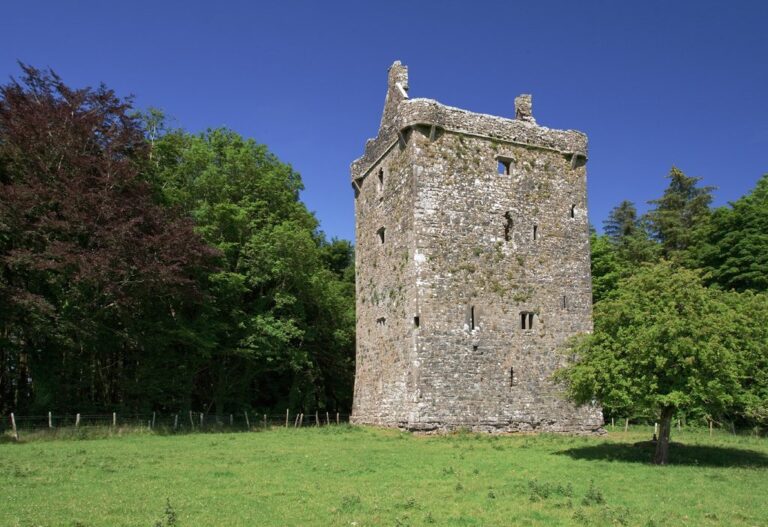
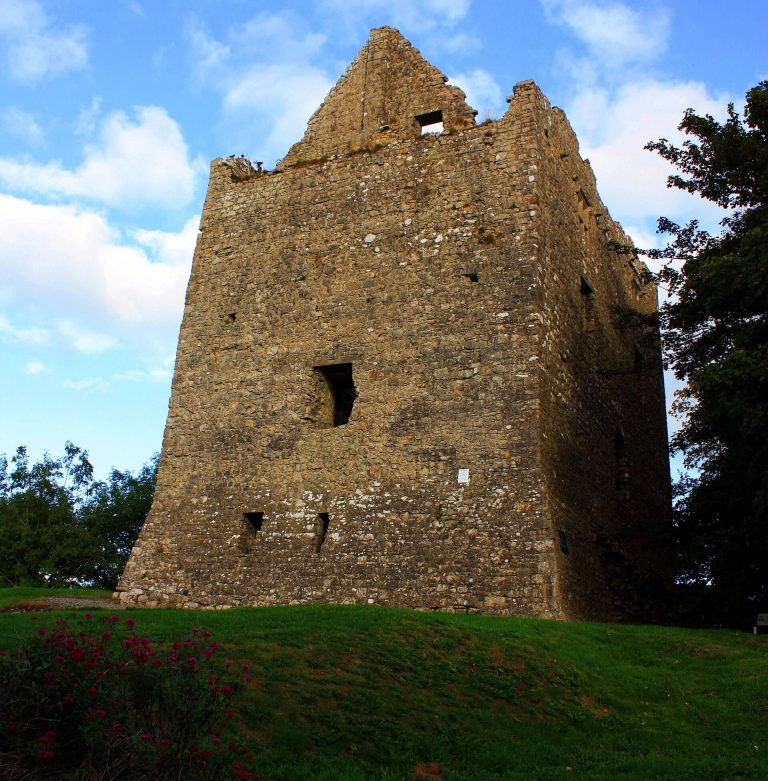
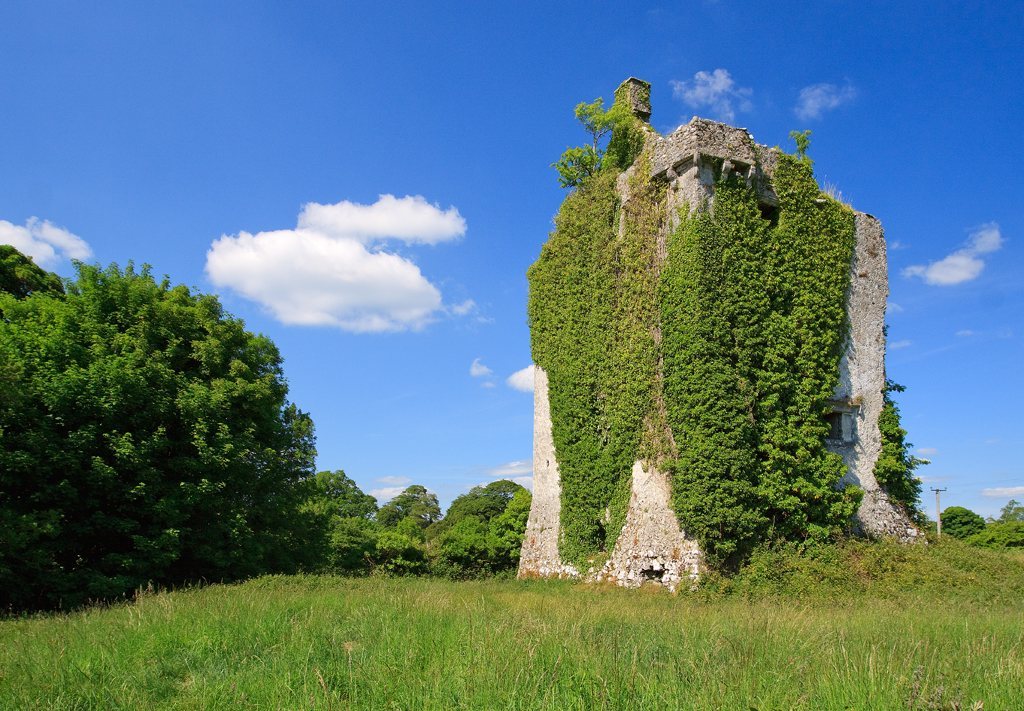
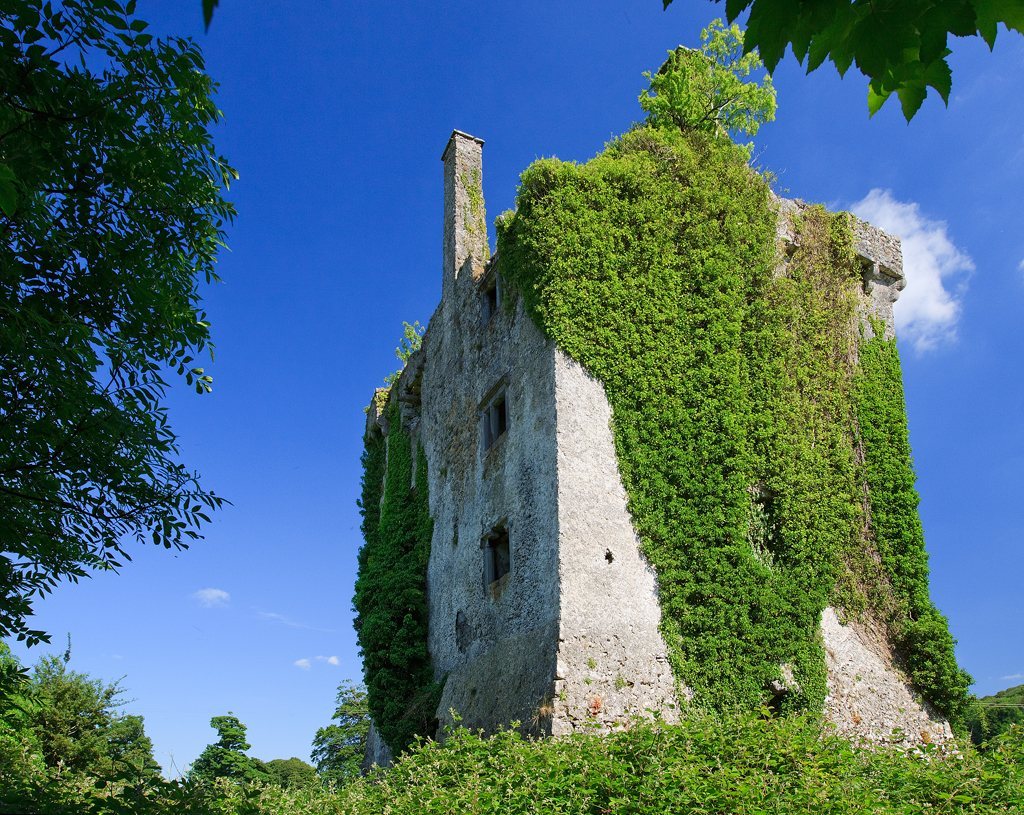
Castle Hackett is a ruined 13th-century tower house, a compact, multi-storey fortified residence, in County Galway, Ireland. It stood within the ancient Gaelic kingdom of Maigh Seola, in Connacht. The Hacketts, a Norman family, built the castle. Normans were people of northern French origin who established lordships in Ireland from the late 12th century.
Gaelic and Norman lordship
The Kirwans occupied Castle Hackett in the 15th century. By the late 16th century, it belonged to Ullig McReamon (Burke).
Kirwan ownership and abandonment
Sir John Kirwan established the Castlehacket branch of the family in the mid-17th century, and the Kirwans purchased the Castlehacket estate in the late 17th century. The tower house was still occupied in 1703. The family abandoned it during the 18th century.
Folklore and later history
In 1888, William Butler Yeats wrote that the Hacketts of Castle Hackett were reputed to be either favored or afflicted with the ability to see fairies, especially phantoms. He also described their ancestor as a fairy.
The Kirwans’ later residence burned in 1923 during the Irish Civil War, the 1922-1923 conflict that followed the Anglo-Irish Treaty. It was subsequently rebuilt. Castle Hackett is included in Galway County Council’s Record of Protected Structures, a local register for buildings protected under Irish planning law.
Remains
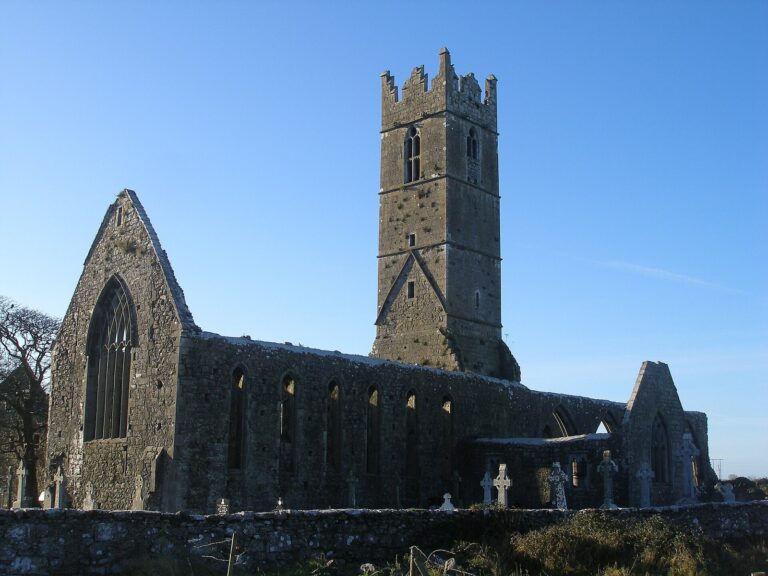
The site includes a ruined rubble-stone tower house and a separate, later residence nearby. The buildings stand at the base of Knockma Hill, in Castlehacket townland near Belclare, in the parish of Caherlistrane, about 10 km southwest of Tuam.
Buildings
The tower house
The tower house is built of rubble stone. Its original form may have been a residence organized around a main hall, with two upper storeys added in the 16th century.
Castlehacket House
The separate residence built nearby by the Kirwans in the 18th century was known as Castlehacket House. It was a three-storey building and was rebuilt after the 1923 fire.