Attel Abbey: A Benedictine Monastery in Germany
Site at a Glance
- Popularity
- Medium
- Country
- Germany
- Primary era
- Early Modern
- Eras represented
- Early Modern, Modern
- Civilizations
- Duchy of Bavaria, Electorate of Bavaria, German, Holy Roman Empire, Kingdom of Bavaria
- Site type
- Religious
- Remains
- Monastery
On this page14 sections
History
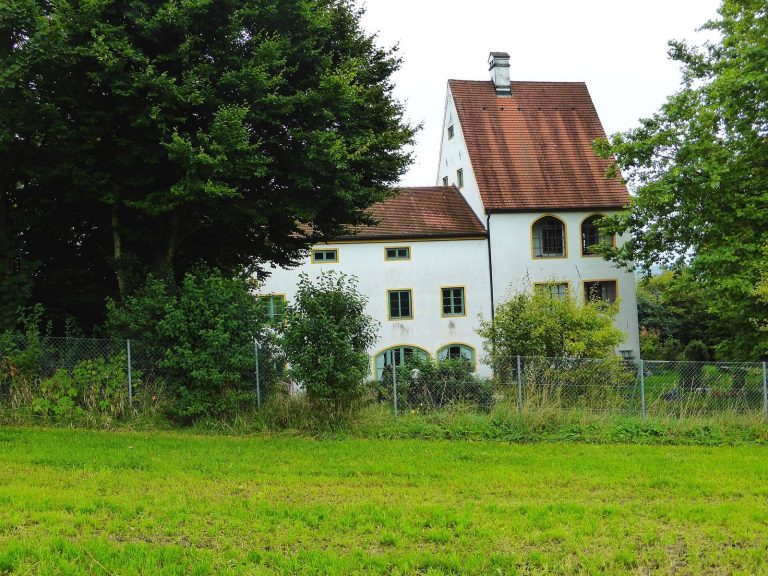
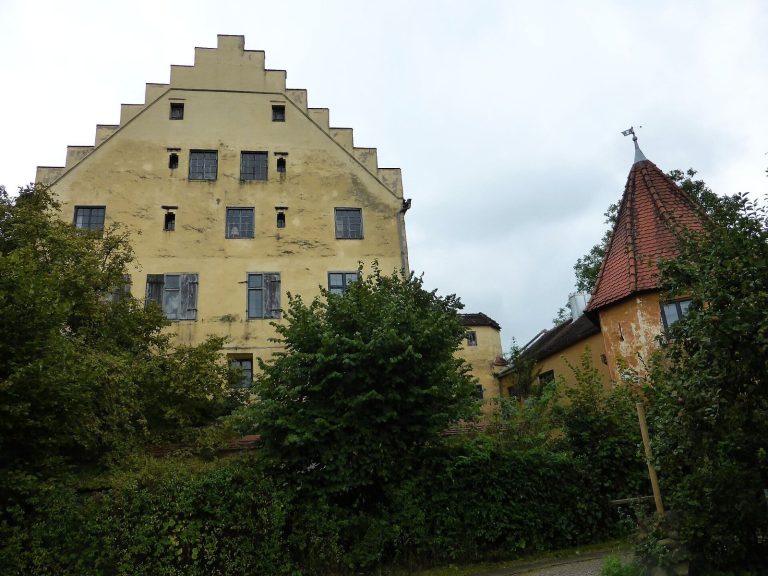
Attel Abbey was a Benedictine monastery in Germany, founded around 1037 by Count Arnold of Diessen-Andechs and dedicated to the Virgin Mary and Saint Michael. The Benedictines are a Catholic monastic order whose communities follow the Rule of Saint Benedict. After the monastery lapsed, Count Engelbert of Limburg restored it in 1137.
Benedictine renewal
The abbey flourished from the mid-15th century after the Melk Reform reached Attel from Tegernsee in 1452. This movement, which spread from Melk Abbey, sought to renew Benedictine observance.
Baroque rebuilding and dissolution
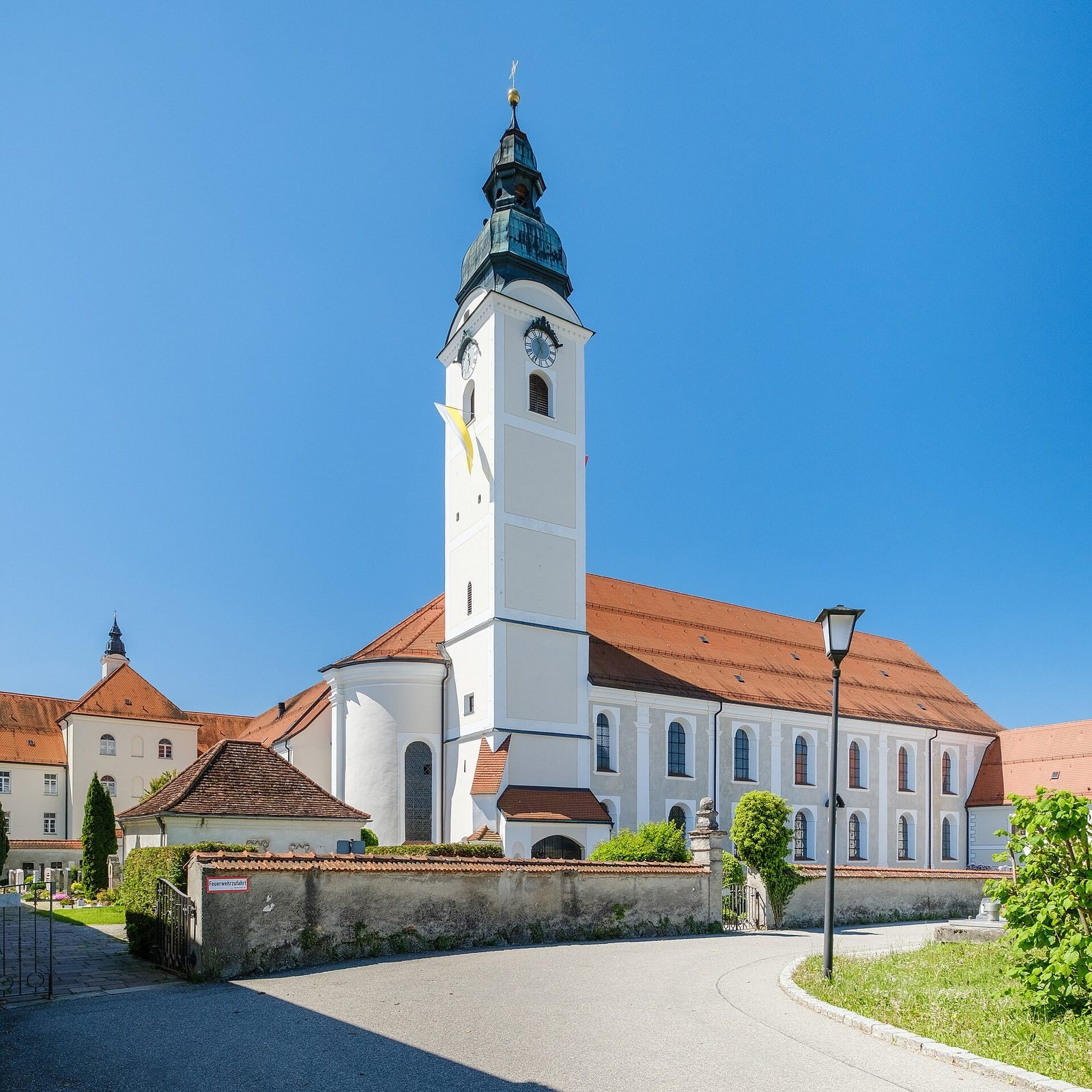
Under Abbot Cajetan Scheyerl, the 12th-century abbey church was demolished from 1713 and replaced by a Baroque church, consecrated in 1715. During the following decades, Abbot Nonnosus Moser oversaw the completion of its furnishings in a style between ornate Rococo and more restrained Classicism.
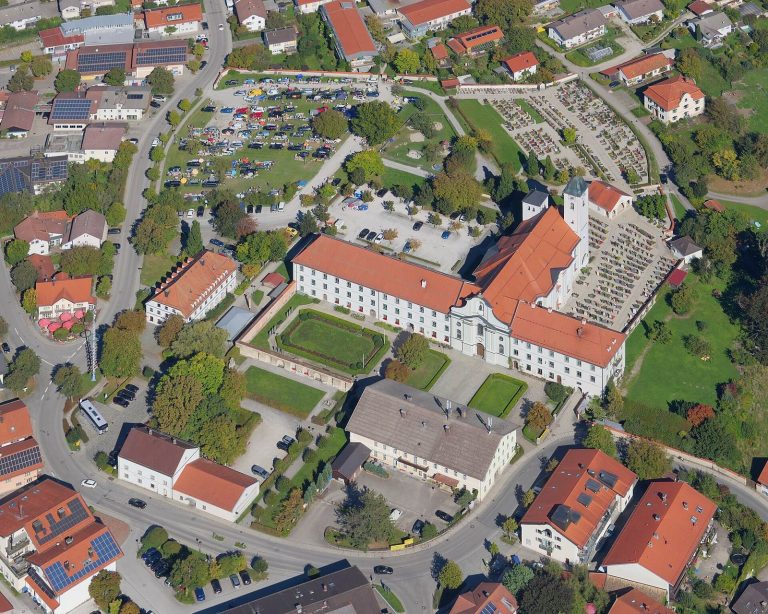
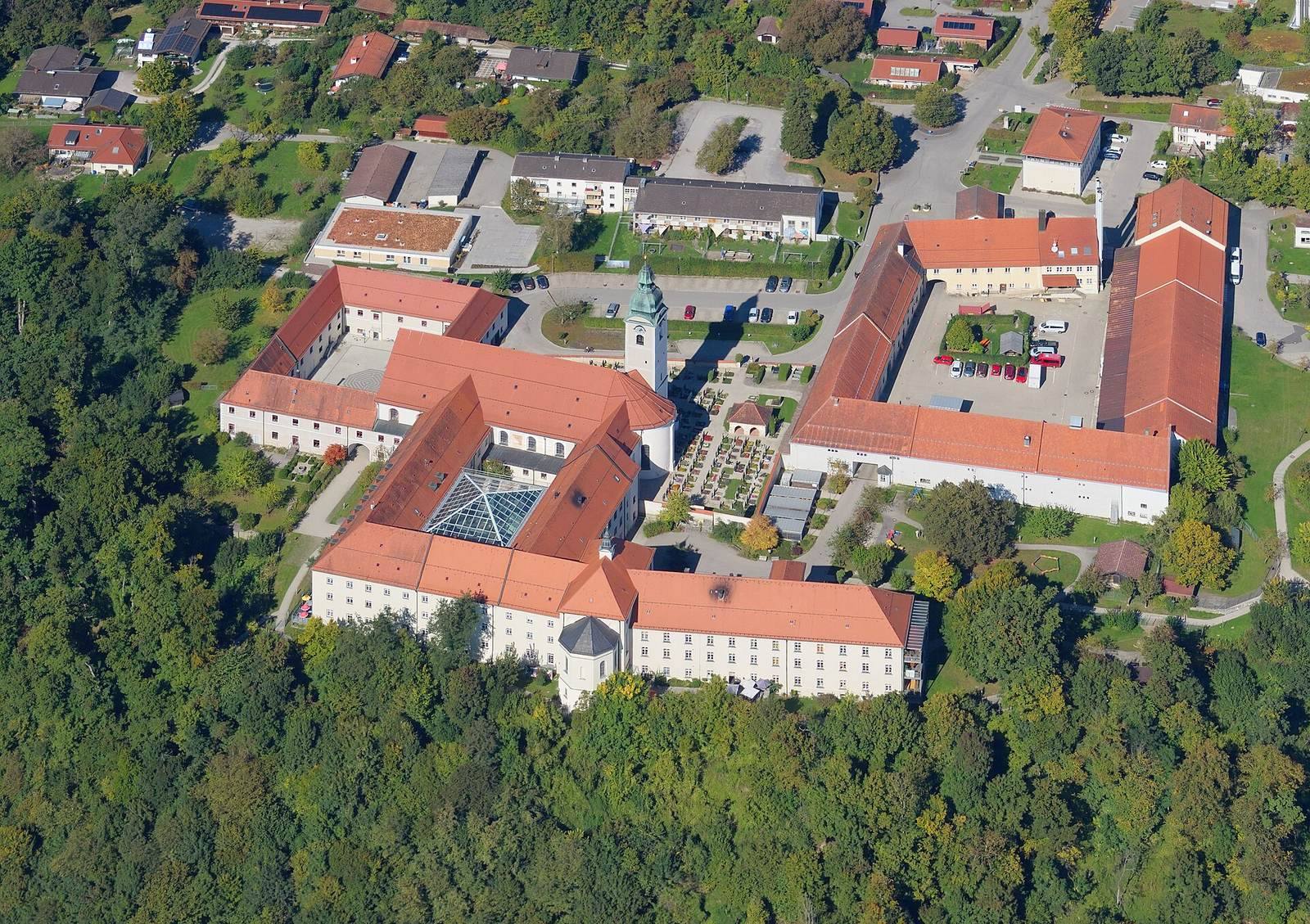
Bavaria dissolved the abbey in 1803 during secularization, the early-19th-century closure of religious institutions and transfer of their property. Some convent buildings were demolished, while others passed into private ownership. In 1874, the Bavarian government placed the remaining premises in the care of the Brothers Hospitallers, a Catholic order devoted to caring for sick people and those in need. They operated a home for men with disabilities. Major modernization in 1905 included an east-wing extension.
Nazi persecution and wartime use
The Attl care home became a target of the Nazi state’s program to persecute and murder people with disabilities and illnesses. In 1937, the Gestapo questioned, harassed, and imprisoned members of the religious order. The Interior Ministry closed the institution at the end of September 1940, when 230 male patients remained there. Of these, 126 were transferred first to Eglfing-Haar psychiatric hospital. Beginning in October, 83 of them were deported to Hartheim killing center and murdered. Seven died at Eglfing-Haar, probably from starvation and neglect. One patient also died in a transport carrying Jewish people on 20 September 1940.
From January 1942, the former care home served as a reserve hospital for the Wehrmacht, Nazi Germany’s armed forces. The American military government ordered it closed in August 1945.
Postwar care and present use
After the war, Attel and Gabersee housed displaced-persons camps for about 2,500 people in total. Attel first had a camp run by the United Nations Relief and Rehabilitation Administration for Polish displaced people, mostly former forced laborers. After they left in October 1946, 300 Jewish displaced people arrived.
The premises returned to the Brothers Hospitallers on 1 June 1950, and care for people with disabilities resumed in 1951, initially for 100 residents. The Caritas Association of Munich and Freising, part of the Catholic Church’s charitable service network, took over management of the Attl Foundation in 1970; the foundation became self-managed in 1994. A workshop opened in 1979, followed by a school for independent living skills and a therapeutic education day center. The foundation established its first supported residential group in 1987.
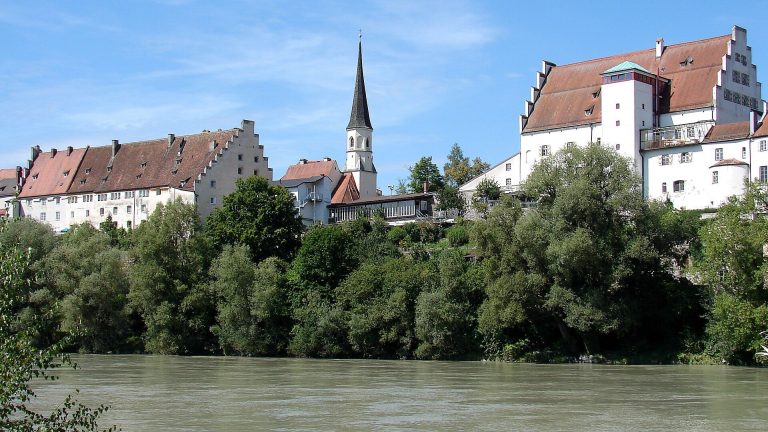
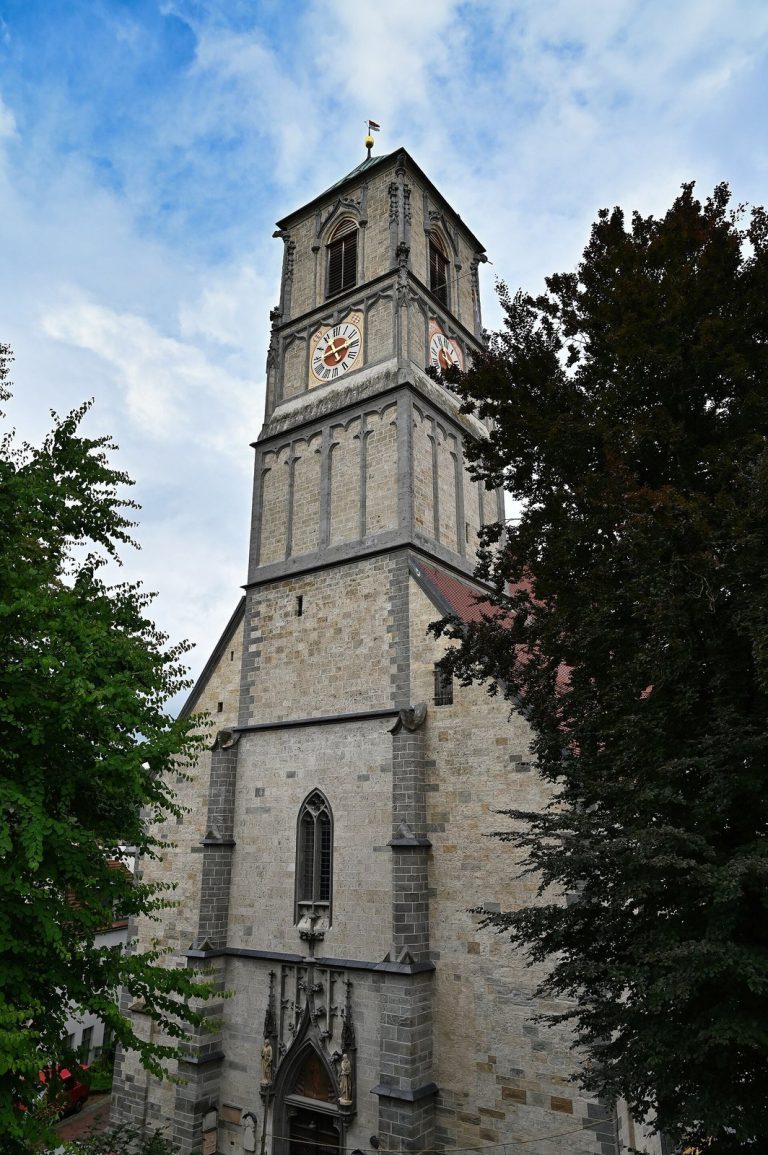
St Michael’s, the former abbey church, now serves as Attel’s parish church within the Edling parish association and the Archdiocese of Munich and Freising. A memorial unveiled at Heisererplatz in Wasserburg on 27 January 2020 commemorates victims of National Socialism, including people murdered from the Attl and Gabersee care institutions.
Remains
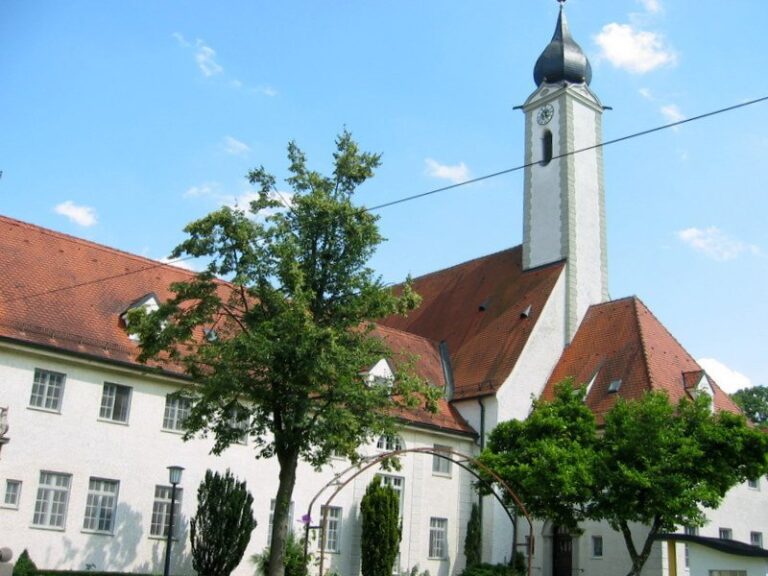
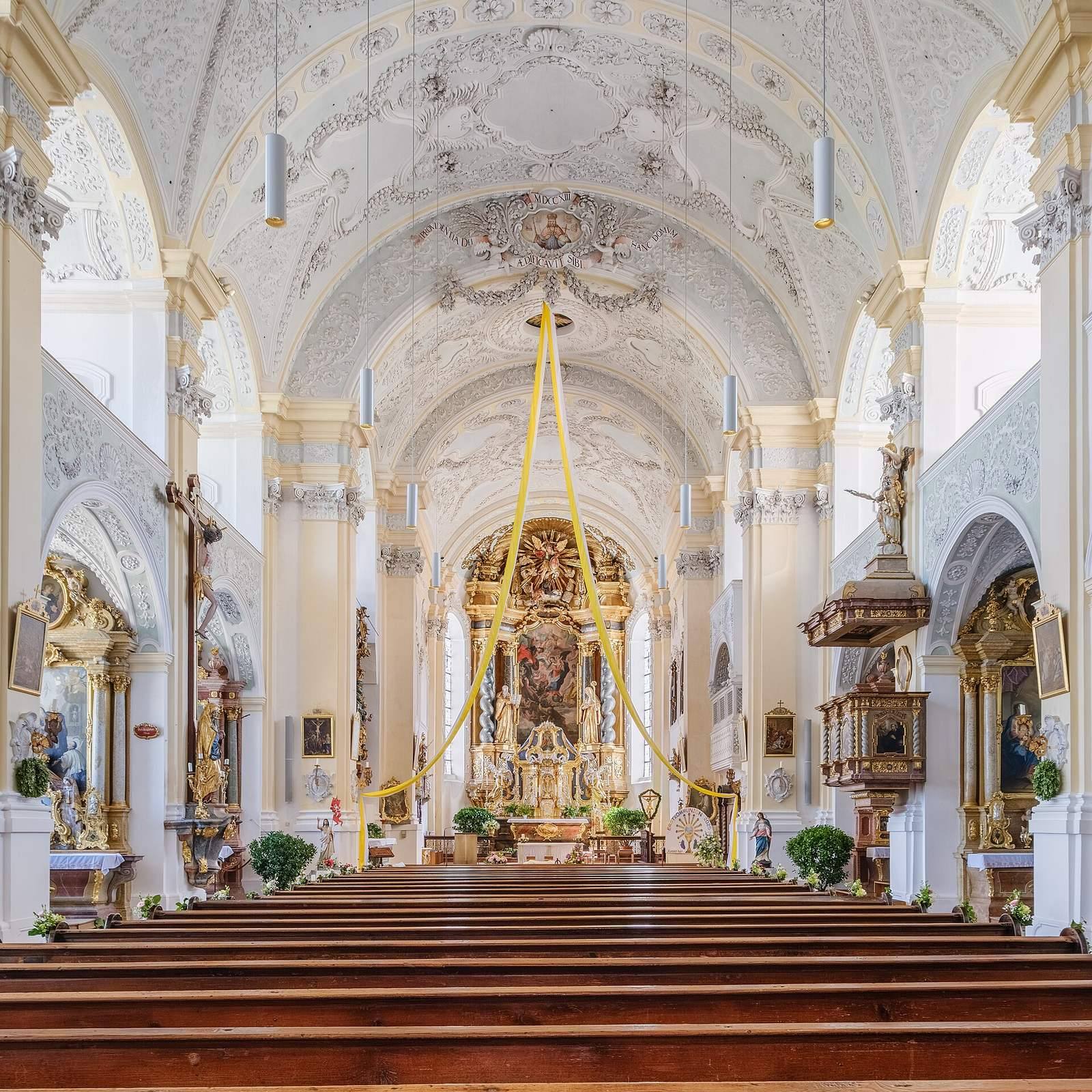
The former abbey church is the principal surviving architectural feature. Its Baroque plan brings a broad, five-bay hall, side chapels, and upper galleries together with a set-back choir ending in a semicircle. The furnishings and memorials include works from several periods.
Church building and decoration
Structure and interior
At the west end, the entrance bay has a portal made of tuff, rock formed from consolidated volcanic ash, and an organ gallery. The north tower is topped by a two-part lantern, a structure that admits light. Between the wall piers, cross-vaulted chapels occupy the lower level, while transverse barrel-vaulted galleries sit above. The nave has a barrel-vaulted ceiling with lunettes, curved sections of a vault, and transverse arches supported by pilasters, shallow wall projections resembling columns.
Stucco and renovation
Benedikt Zöpf decorated the church with stucco in 1715, using geometric patterns, rosettes, garlands, and leafy acanthus motifs. The stucco in the side chapels reflects the influence of Johann Baptist Zimmermann. The church was renovated in 1977–78.
Furnishings and memorials
Altars
The high altar, dated 1731, has an altarpiece of the Apocalyptic Woman by Brother Leander Laubacher, copied from a painting by Peter Paul Rubens. Figures of Saints Benedict and Scholastica flank it, with a group depicting Saint Michael above. The image in the tabernacle, the receptacle for the consecrated Eucharist, represents the Holy Trinity. The side altars form a coordinated group made around 1715, and most have paintings by Brother Sebastian Zobl.
Cross altar
Constantin Pader made the cross altar in 1665. It stands in the eastern bay and includes a 13th-century crucifix venerated for its association with special graces, figures of John the Evangelist and Mary Magdalene, and an upper image of God the Father holding a globe.
Organ
The organ built by the Linder firm in 2013 has 22 stops, which control groups of pipes, two hand keyboards, and a foot-operated pedal keyboard. Its façade and parts of some stops come from an earlier instrument made by Anton Bayr in 1769.
Founder’s tomb and earlier high altar
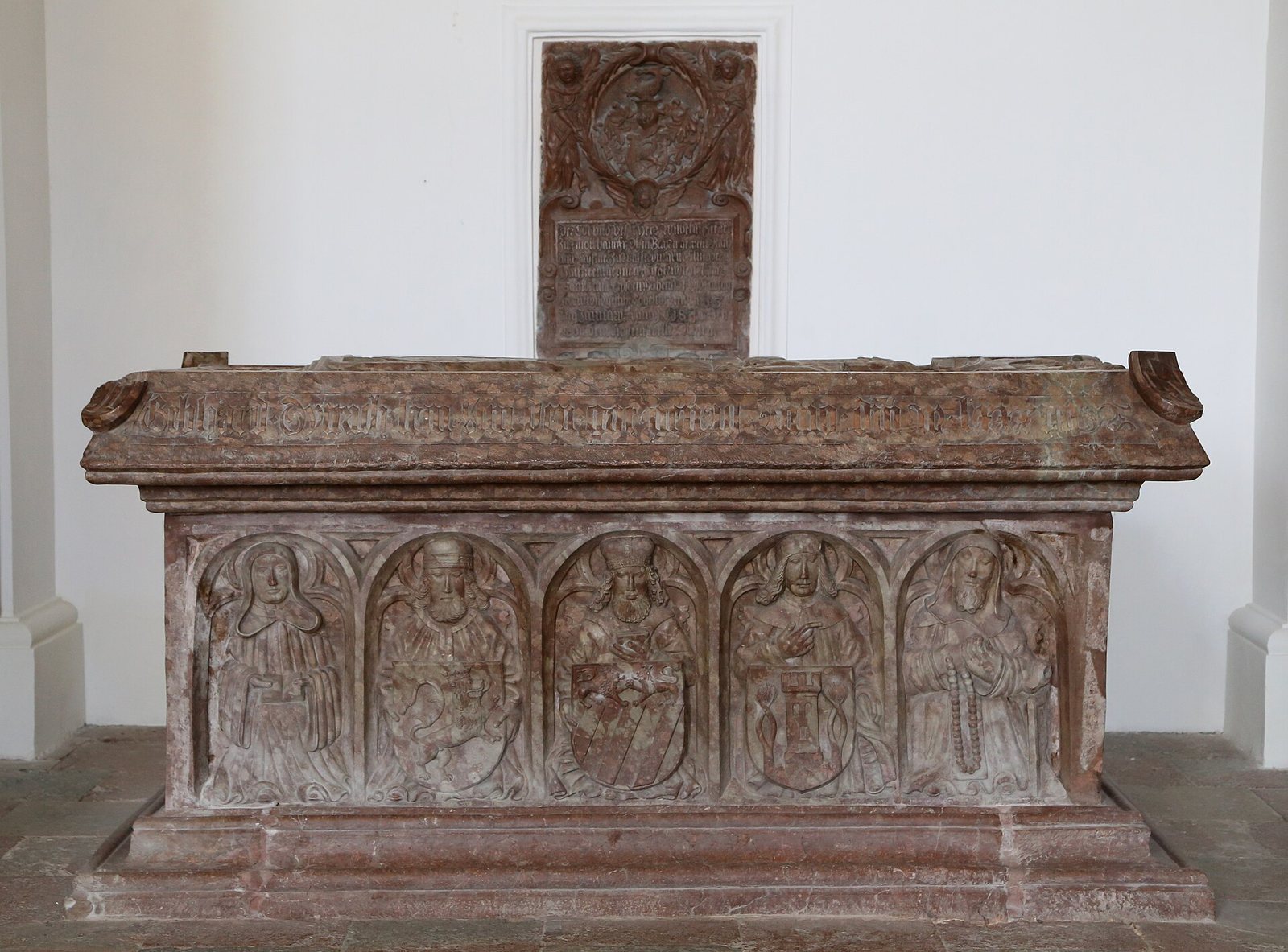
The elevated tomb monument of the monastery’s founder dates to 1509 and remains at Attel. The abbey church’s late-15th-century high altar, commissioned around 1478 or 1482 and attributed to Landshut court painter Sigmund Gleismüller, is now held in the State Gallery at Burghausen Castle.