Hex Castle: An Eighteenth-Century Hunting Lodge and Country Estate in Belgium
Site at a Glance
- Popularity
- Medium
- Country
- Belgium
- Primary era
- Early Modern
- Eras represented
- Early Modern, Modern
- Civilizations
- Belgian, Holy Roman Empire, Prince-Bishopric of Liège
- Site type
- Domestic
- Remains
- Castle
On this page9 sections
History
Velbrück’s residence
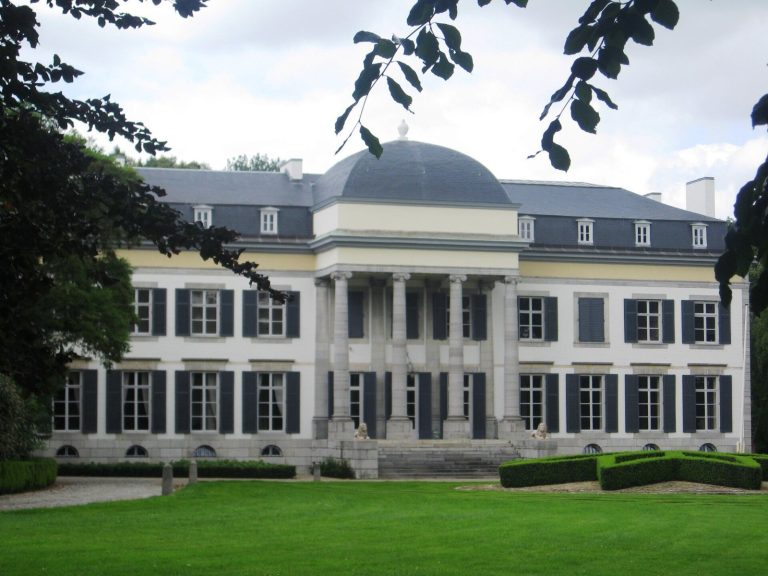
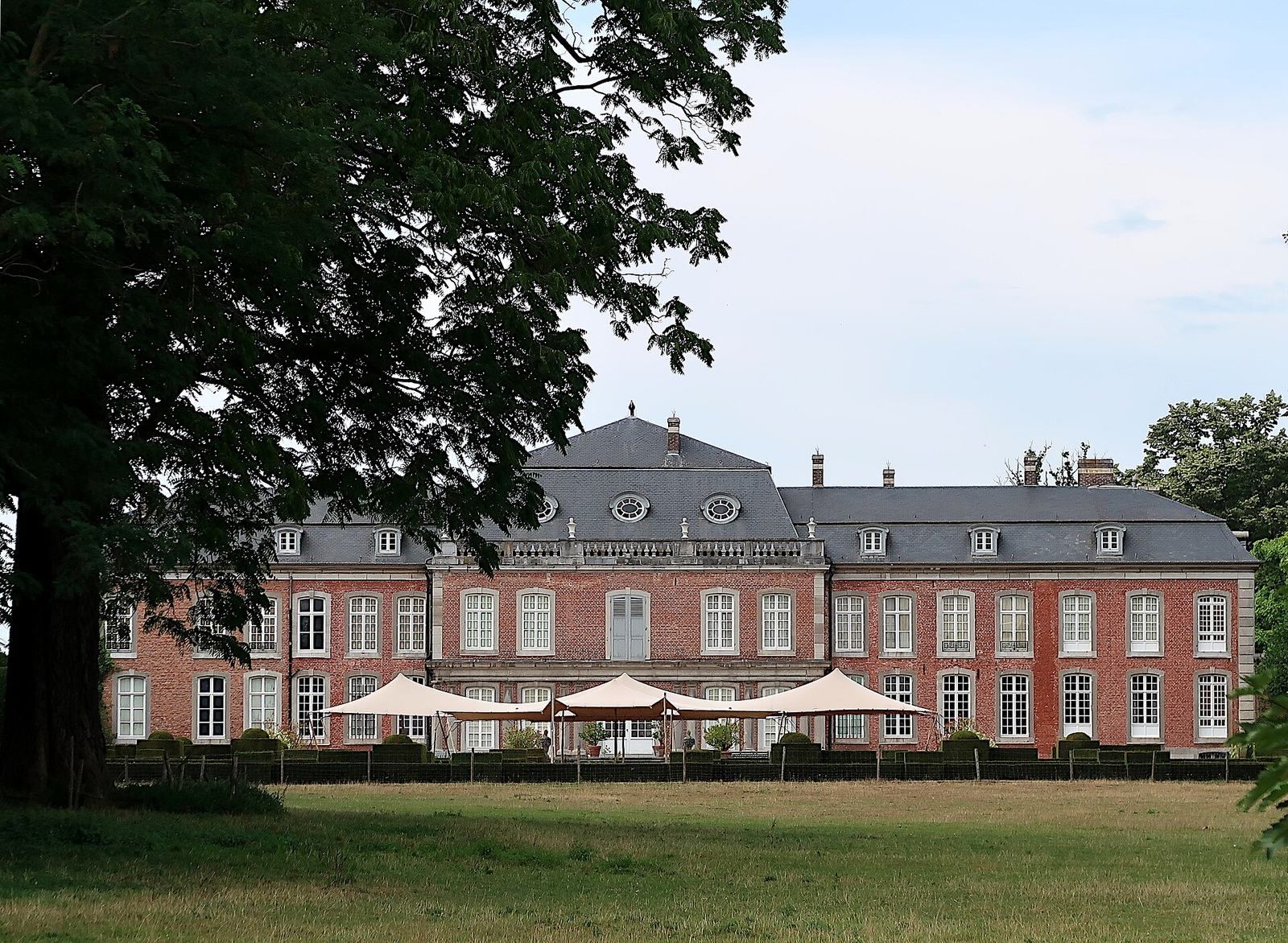
Hex Castle, a palace-like hunting lodge and summer residence in Heks, Belgium, was begun around 1770 for Franz Karl, Count of Velbrück. Its design is attributed to Liège architect Etienne Fayen. The building has been described as classical, drawing on ancient Greek and Roman models, Renaissance, and Régence, an early eighteenth-century French style associated with the transition from Baroque to Rococo.
Velbrück was Prince-Bishop of Liège, an office combining church authority with rule over a territory. He held the position from 1772 until his death at the estate in 1784. A humanist, lover of nature, and advocate of the Enlightenment, he chose the gently rolling Haspengouw region for a country retreat. At the time, the former County of Loon belonged to the Principality of Liège.
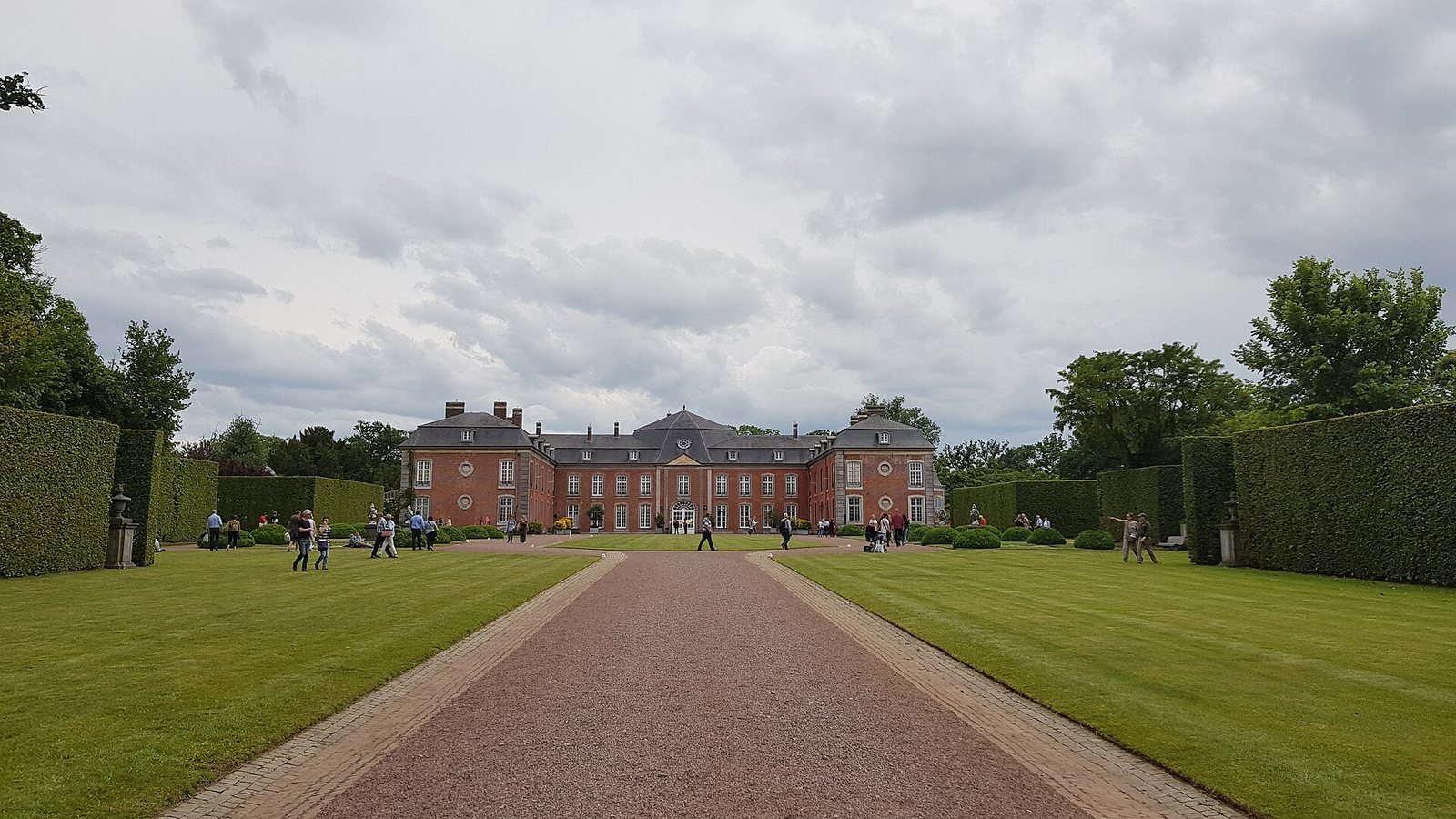
Velbrück established gardens at the estate, and a landscaped park inspired by English garden design was added later. The park was among the earliest of its kind on the European mainland.
Restoration and ownership
From 1970, Countess Michel d’Ursel restored and enlarged the formal garden that Velbrück had laid out in 1770. The estate has been privately owned by the d’Ursel family for three generations. Count Ghislain d’Ursel is its current owner and lives there. The castle has been protected as a monument since 1948, and its rose garden received the World Federation of Rose Societies’ Award of Garden Excellence in 2003.
Remains
The estate combines a castle built of brick and limestone with formal gardens, specialized garden areas, and a landscaped park.
Garden areas
Formal Renaissance garden
The estate includes a formal Renaissance garden. Gardens of this type are typically arranged in geometric patterns.
Chinese and kitchen gardens
A Chinese garden and a kitchen garden are also part of the estate grounds.
Rose garden
The rose garden contains about 250 varieties. Some of its oldest varieties were already growing in the original garden in the late eighteenth century.
Landscaped park
The landscaped park draws on English garden design and the work of Capability Brown, an influential English landscape designer known for naturalistic parks.