Fort III Piątnica: The Western Fort of the Łomża Fortress
Site at a Glance
- Popularity
- Medium
- Country
- Poland
- Primary era
- Modern
- Eras represented
- Modern
- Civilizations
- Russian
- Site type
- Military
- Remains
- Fort
On this page7 sections
History
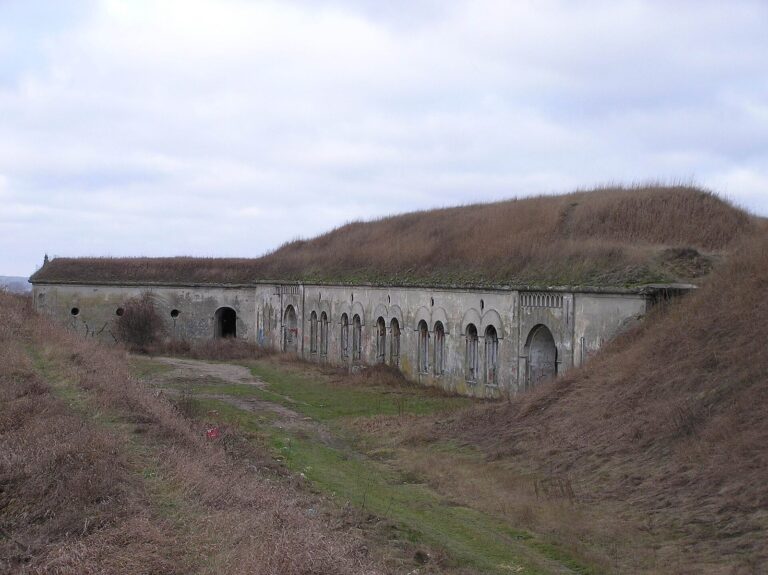
Fort III Piątnica is a late-19th-century fort in Poland, the westernmost of three works in the Piątnica group of the Łomża Fortress. Construction of the fortress’s five forts began in 1887, with Russian military engineer and general Aleksiej Szoszin as principal builder.
Construction and decommissioning
The three Piątnica forts were initially numbered from east to west, making this the third. They were later redesignated A, B, and W, and together formed a defensive group called the Main Defensive Screen. Proposals for five more forts at Kalinowo, Rządkowo, Czarnocin, Jeziorko, and Budy apparently remained unbuilt. The Łomża Fortress was decommissioned in 1909.
The 1939 defense
During the September Campaign, the 1939 invasion of Poland that opened the Second World War, the Polish Army strengthened the Piątnica fortifications with machine-gun positions. The works became the main Polish point of resistance in the Battle of Łomża.
Stories of a tunnel beneath the Narew connecting the forts to a Capuchin monastery have no credible basis. A passage several kilometres long would have had no military purpose and exceeded the engineering capabilities of the period. The claim that the forts were later used for anonymous burials of anti-communist opponents killed by the communist security police is also considered improbable.
Remains
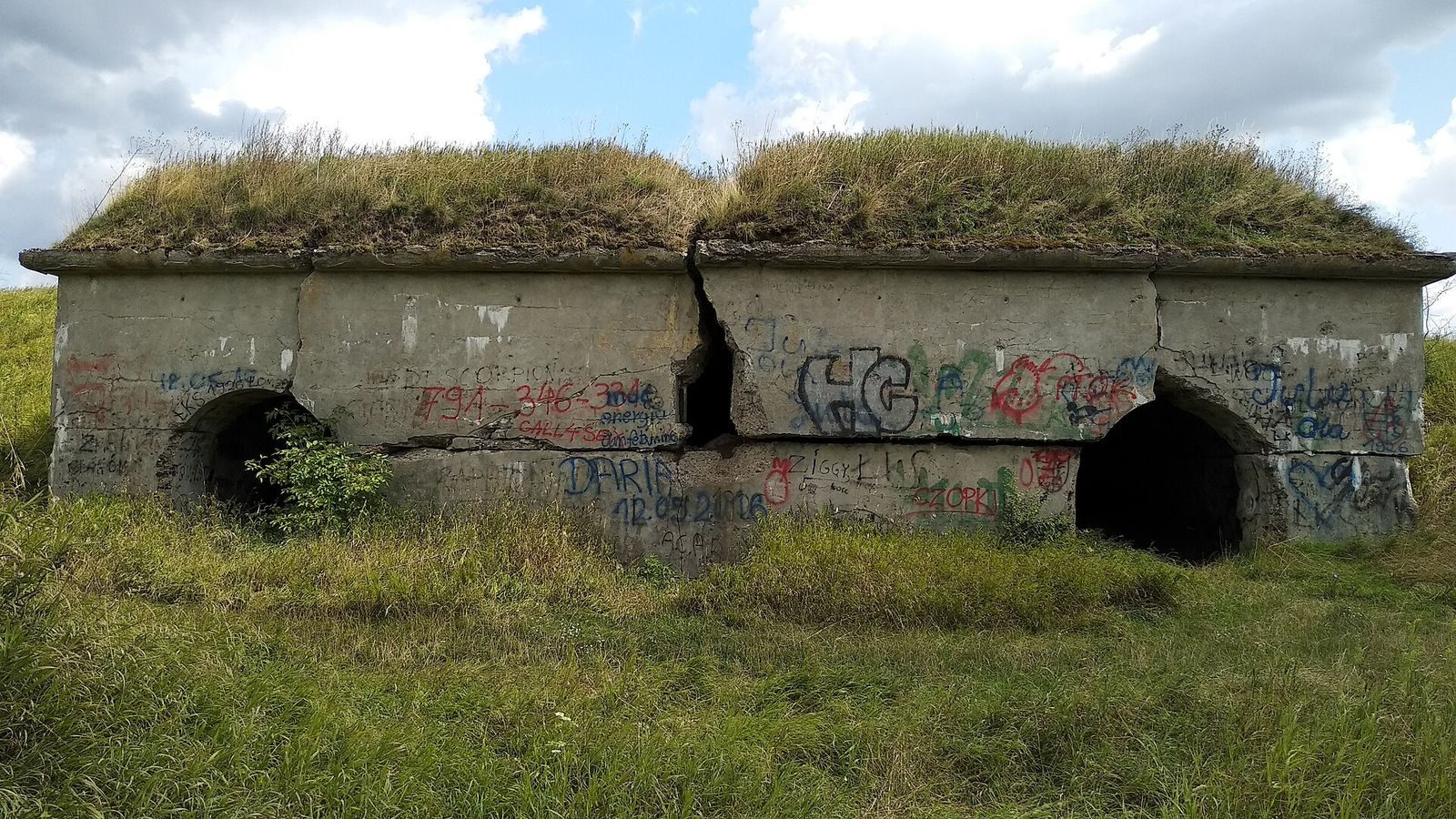
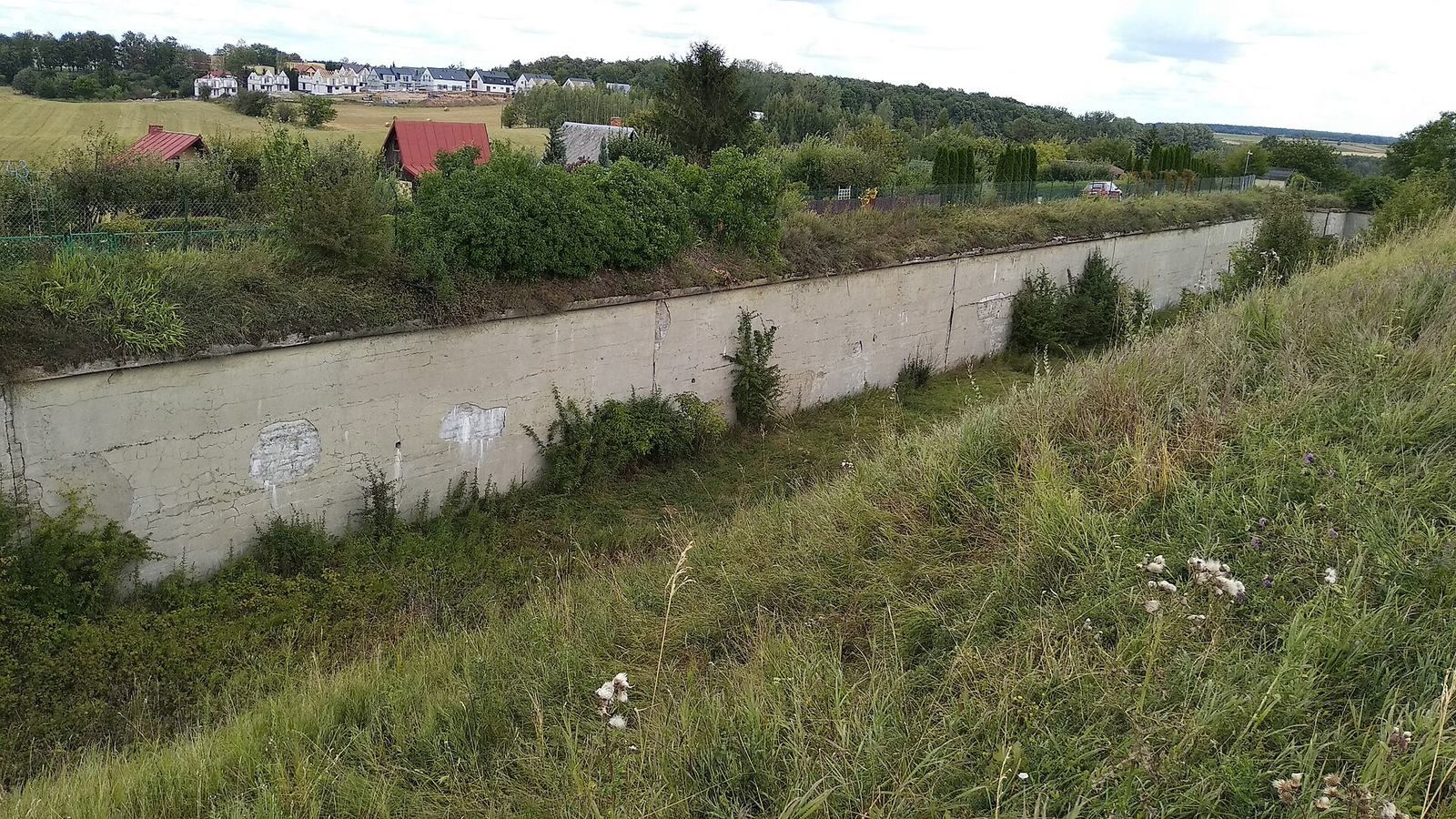
Fort III forms part of a continuous defensive line linking the three Piątnica forts. Earthworks and moats connect the system, while concrete additions reflect the later enlargement of the forts.
The defensive system
Fort plans and connecting works
Each fort had its own asymmetrical plan, arranged so defenders could cover the approaches with intersecting lines of fire, especially along the roads leading to Łomża. A covered road allowed troops and supplies to move quickly between positions. The system also included fighting shelters and shelters intended mainly to protect their occupants.
Rampart shelters
In 1939, twelve small shelters with machine-gun positions were built on the ramparts. These added firing positions to the existing defensive works.