Castle of Sillé-le-Guillaume: A Fortress and Baronial Residence

Site at a Glance
- Rating
- 4.1
- Popularity
- Medium
- Country
- France
- Primary era
- Medieval
- Eras represented
- Medieval, Early Modern
- Civilizations
- French
- Site type
- Military
- Remains
- Castle
On this page5 sections
History
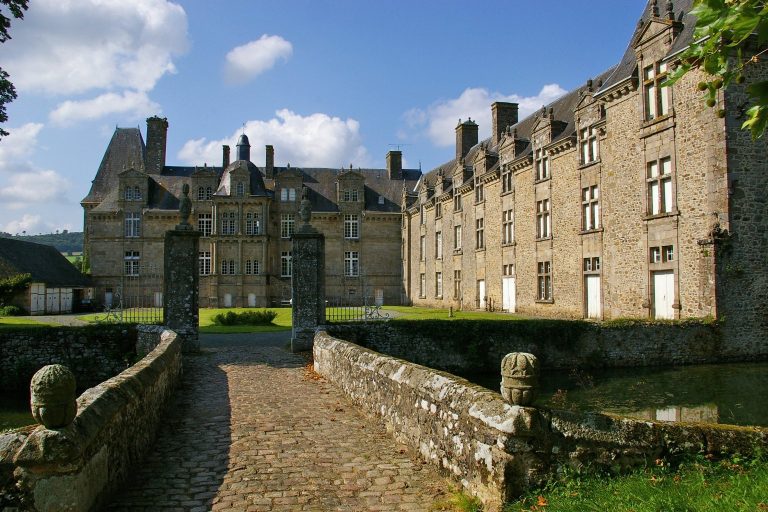
The Castle of Sillé-le-Guillaume is a fortress in France whose construction began in the 11th century and continued through the 17th. It served as the residence of the baron of Sillé-le-Guillaume, a noble who held land and a feudal title. His barony was among the old territories of Maine, a historic county and province in northwestern France.
Medieval fortress and conflict
Its position near Brittany and Normandy brought the fortress into repeated fighting. William the Conqueror, Duke of Normandy and later king of England from 1066, assaulted it. English forces also attacked during the Hundred Years’ War, the conflict between England and France fought from 1337 to 1453. The castle changed hands several times as both sides captured and retook it.
Reinforcement and residential adaptation
After the fortress was damaged, its baron strengthened it in the 15th century. The arrival of gunpowder later made this renewed fortification unnecessary. During the 16th and 17th centuries, occupants altered the castle to make it more habitable.
School and municipal ownership
In 1889, the castle received classification as a historic monument, a French legal heritage-protection designation. It was used as a secondary school from the 19th century until 1971, when the municipality acquired it.
Remains
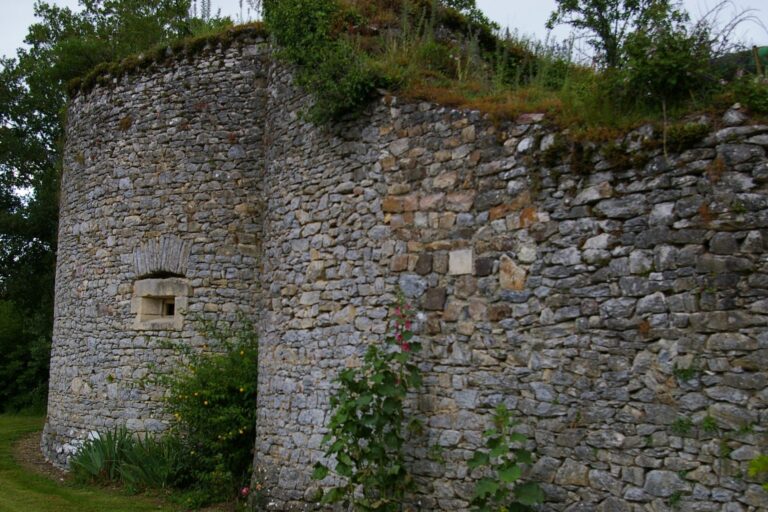
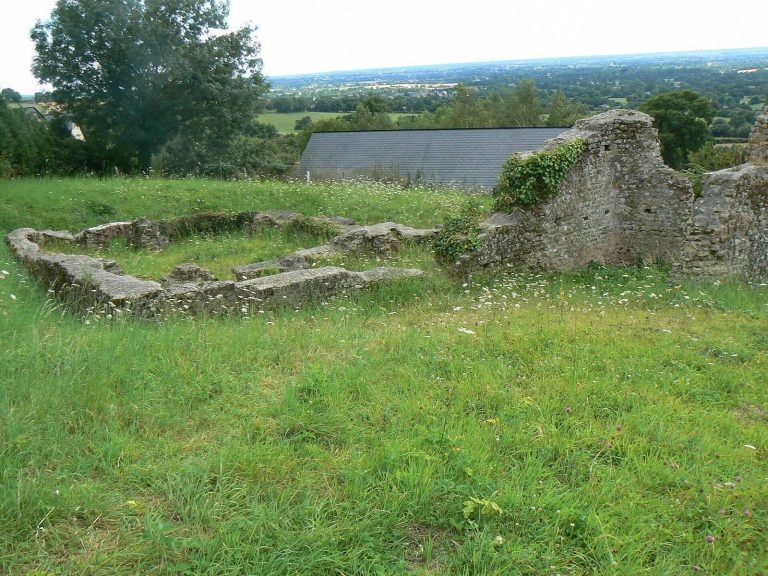
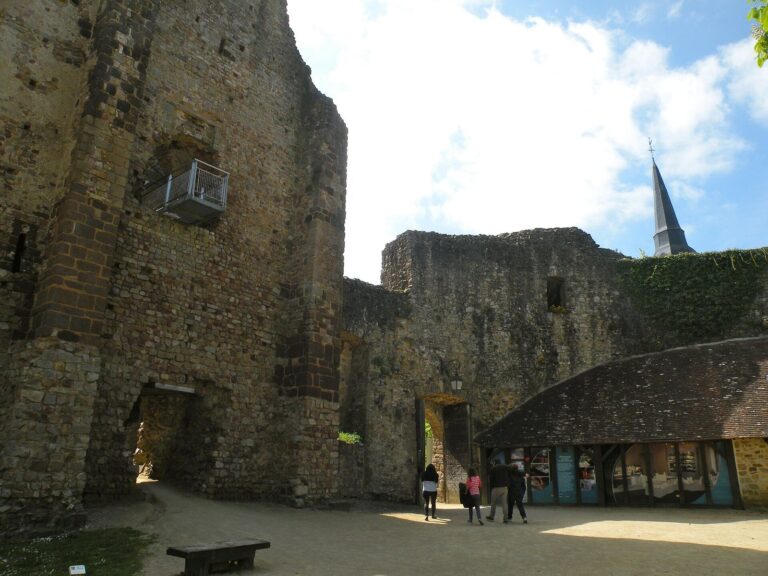
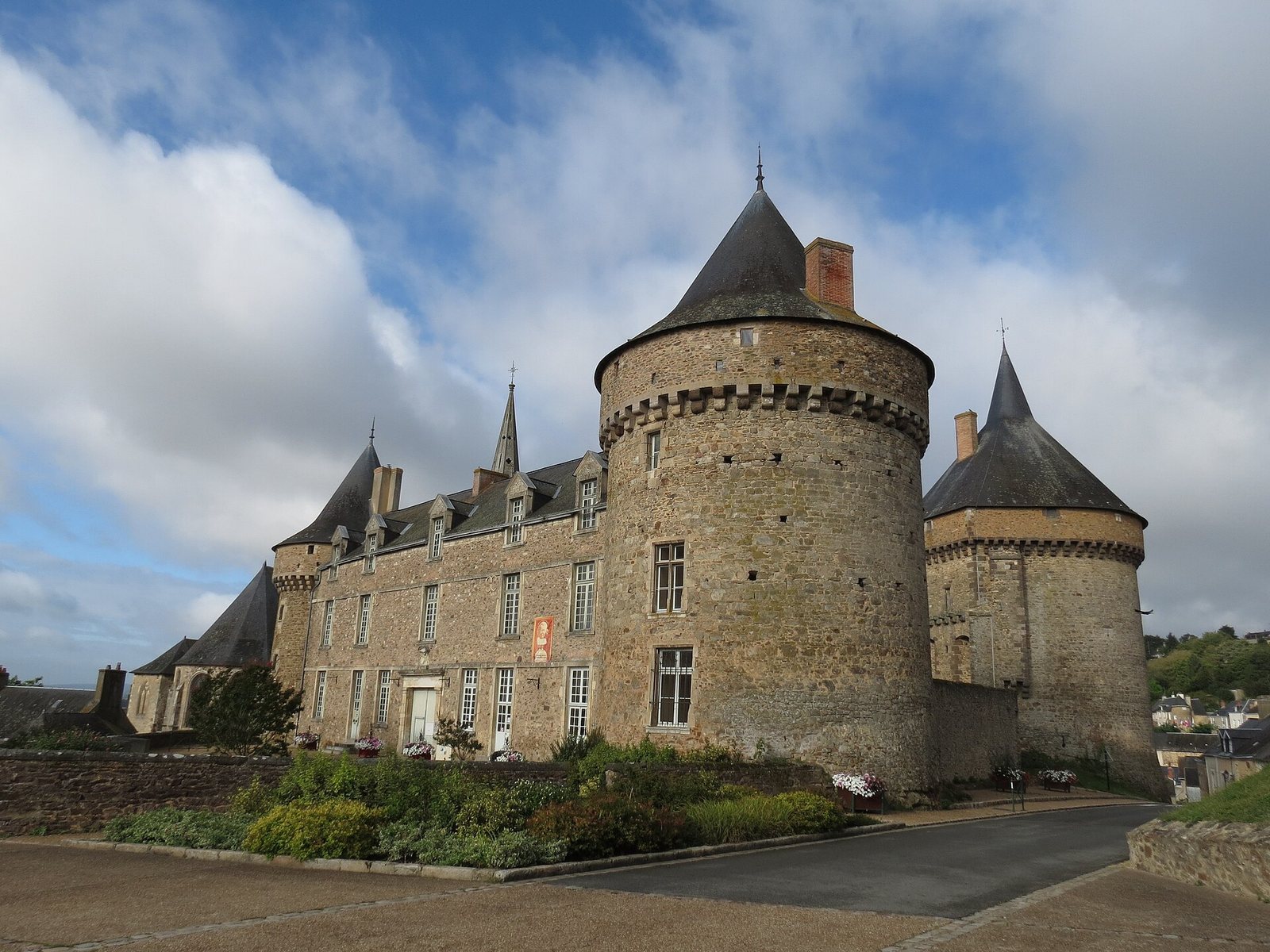
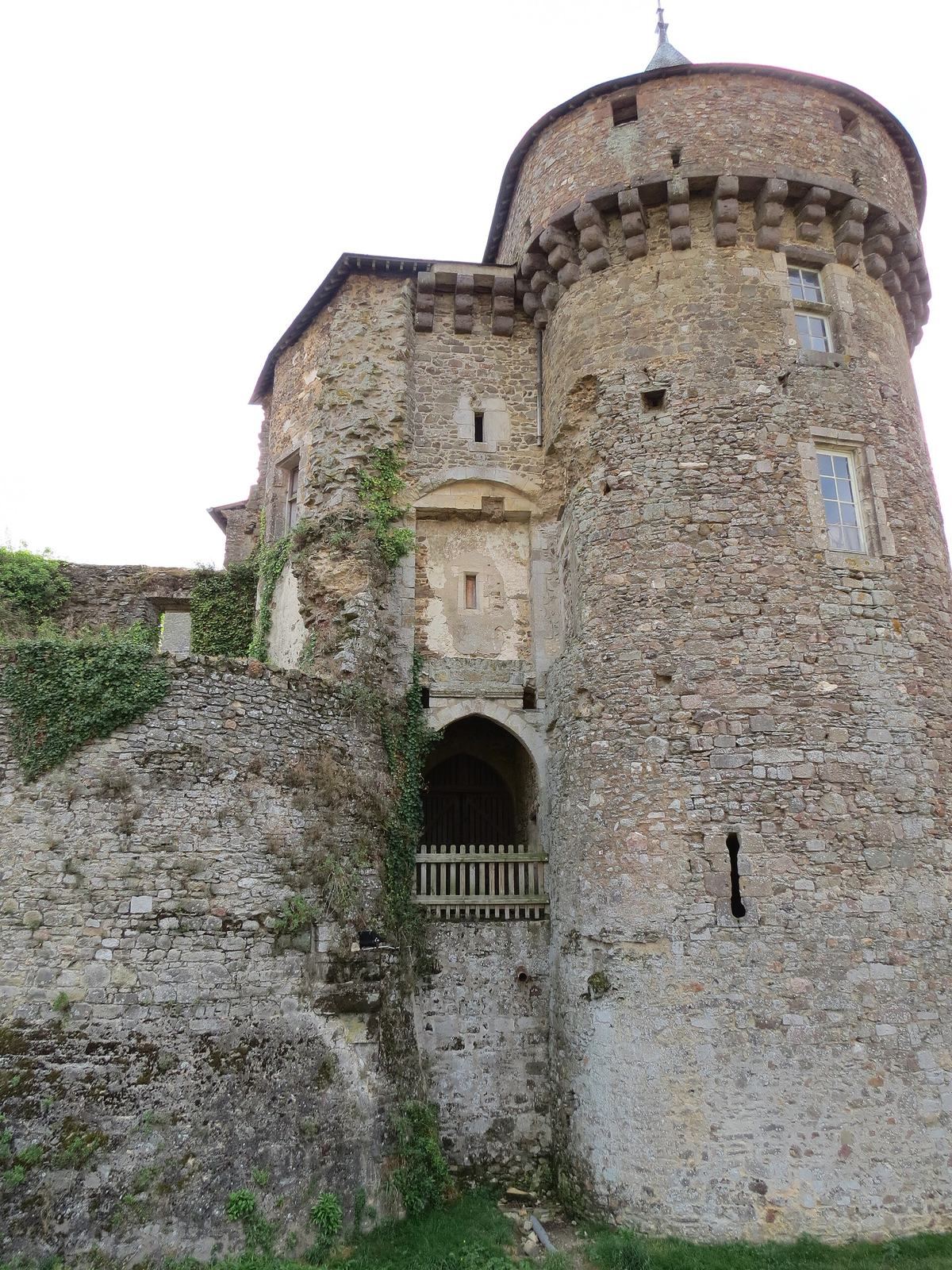
The castle stands on a hillside in the center of Sillé-le-Guillaume, beside the church. It overlooks the valley below and faces a view of the hills to the southeast. Its complex comprises four towers, including a large keep, the castle’s principal fortified tower, as well as a residential building.