Palais Lieben-Auspitz: A Neo-Baroque Palace in Vienna
Site at a Glance
- Rating
- 4.8
- Popularity
- Very Low
- Country
- Austria
- Primary era
- Modern
- Eras represented
- Modern
- Civilizations
- Austria-Hungary, Habsburg
- Site type
- Domestic
- Remains
- Elite Residence
On this page4 sections
History
Construction and Ringstrasse development
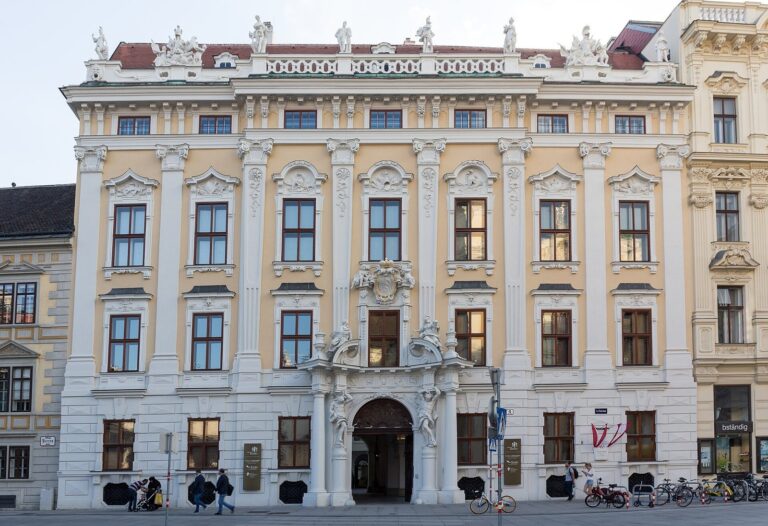
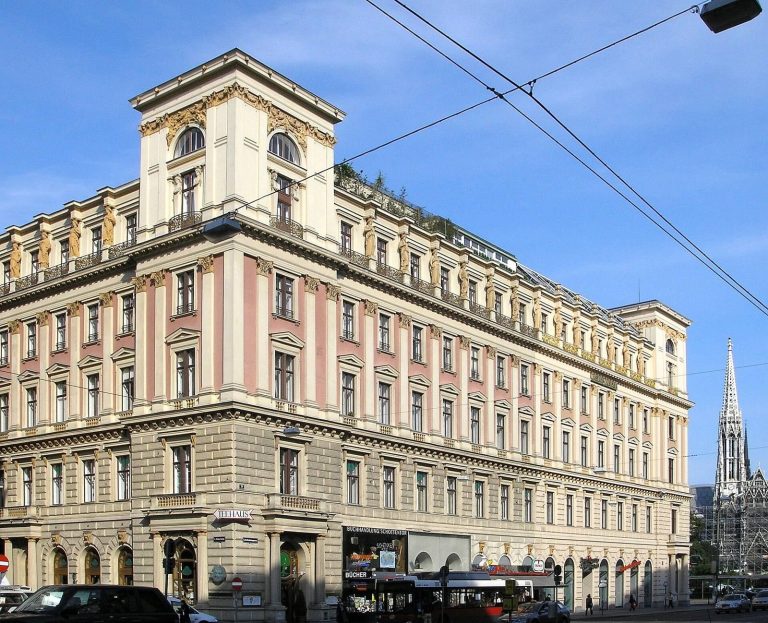
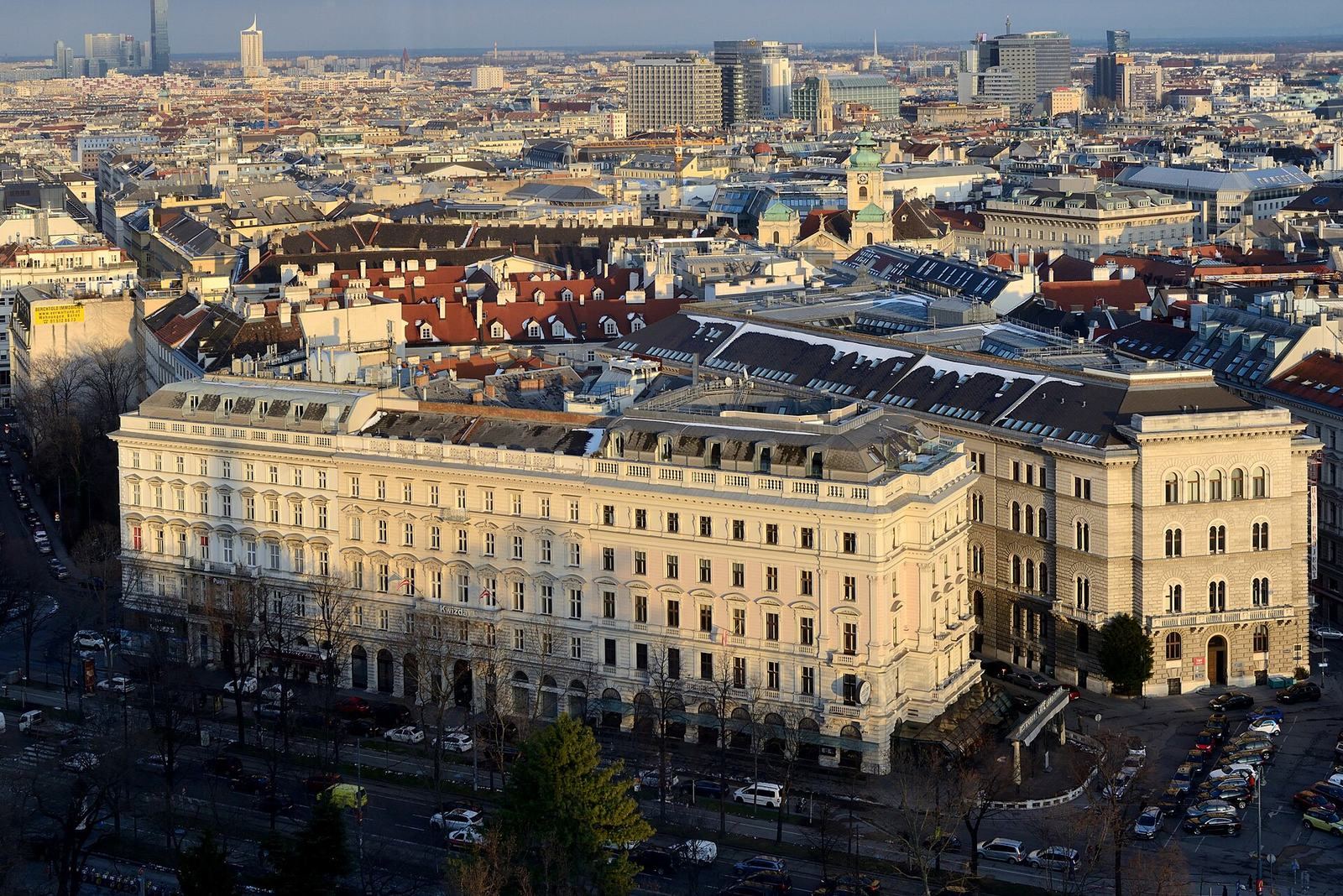
Palais Lieben-Auspitz is a palace at Universitätsring 4 in Vienna, Austria, built in 1873–1874 in an eclectic historicist design with Neo-Baroque forms that revived Baroque architecture. Architects Carl Schumann and Ludwig Tischler designed it for the Lieben siblings Leopold, Adolf, Helene, Richard, and Ida, together with their cousin Rudolf Auspitz, an economist and Helene’s husband.
The palace belonged to the Ringstrassenpalais, a group of palaces associated with Vienna’s Ringstrasse development, rather than the city’s older Baroque noble residences. When the house began operating, the nearby main building of the University of Vienna and the new Burgtheater had not yet been built.
Residents and literary life
Leopold Lieben moved into the palace in 1888. He was the father of physicist and inventor Robert von Lieben. Leopold’s wife, Anna von Lieben, known as “Cäcilie M.,” was Sigmund Freud’s first patient. Freud was an Austrian neurologist and the founder of psychoanalysis.
Leopold’s daughter Valerie also lived in the palace with her husband, physician Johann Paul Karplus. Their grandson Martin Karplus, an Austrian-American theoretical chemist who lived in the United States, received the Nobel Prize in Chemistry in 2013. The palace was also the setting for a literary salon hosted by Austrian writer and journalist Berta Zuckerkandl-Szeps, who gathered intellectuals and artists there.
Remains
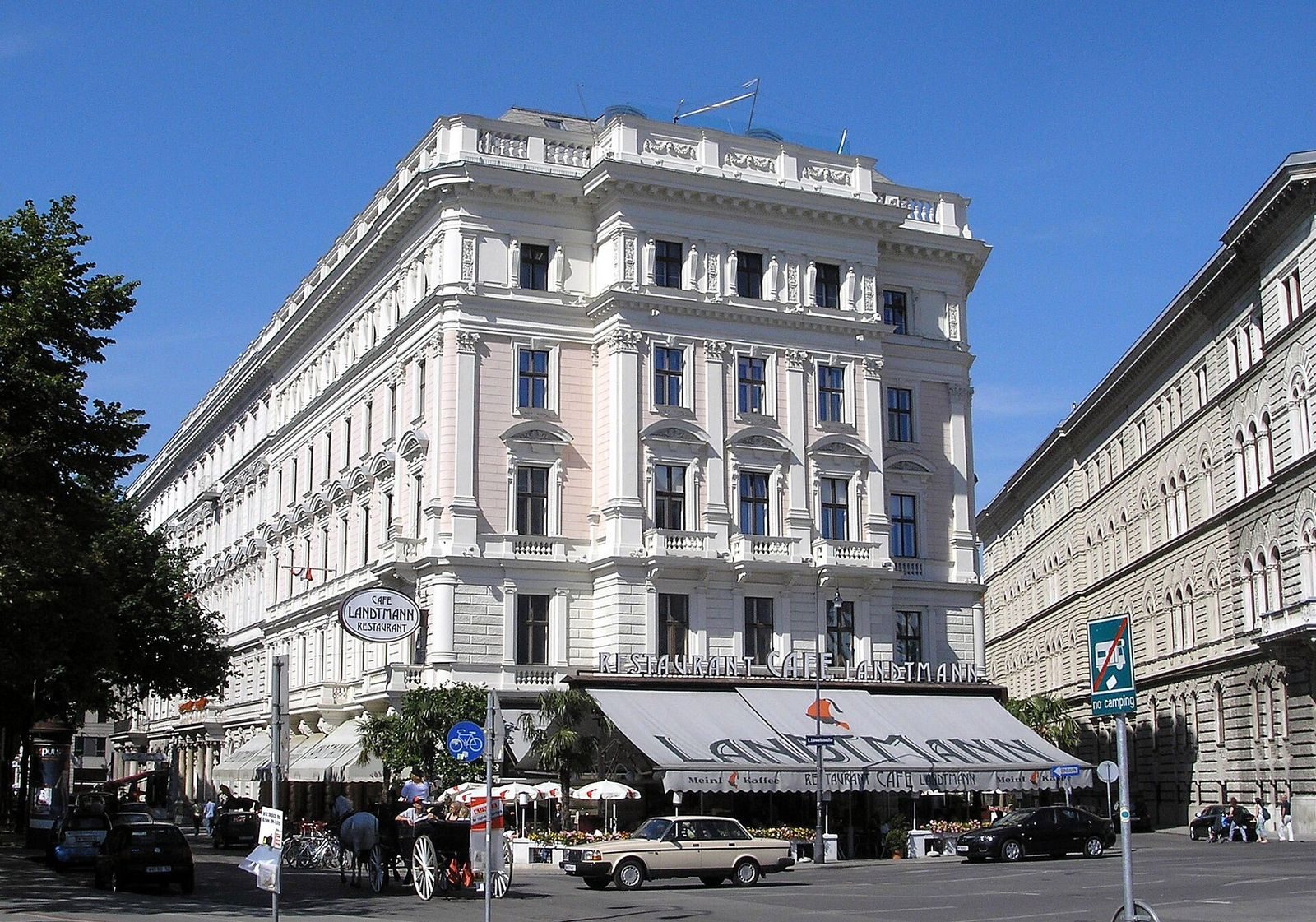
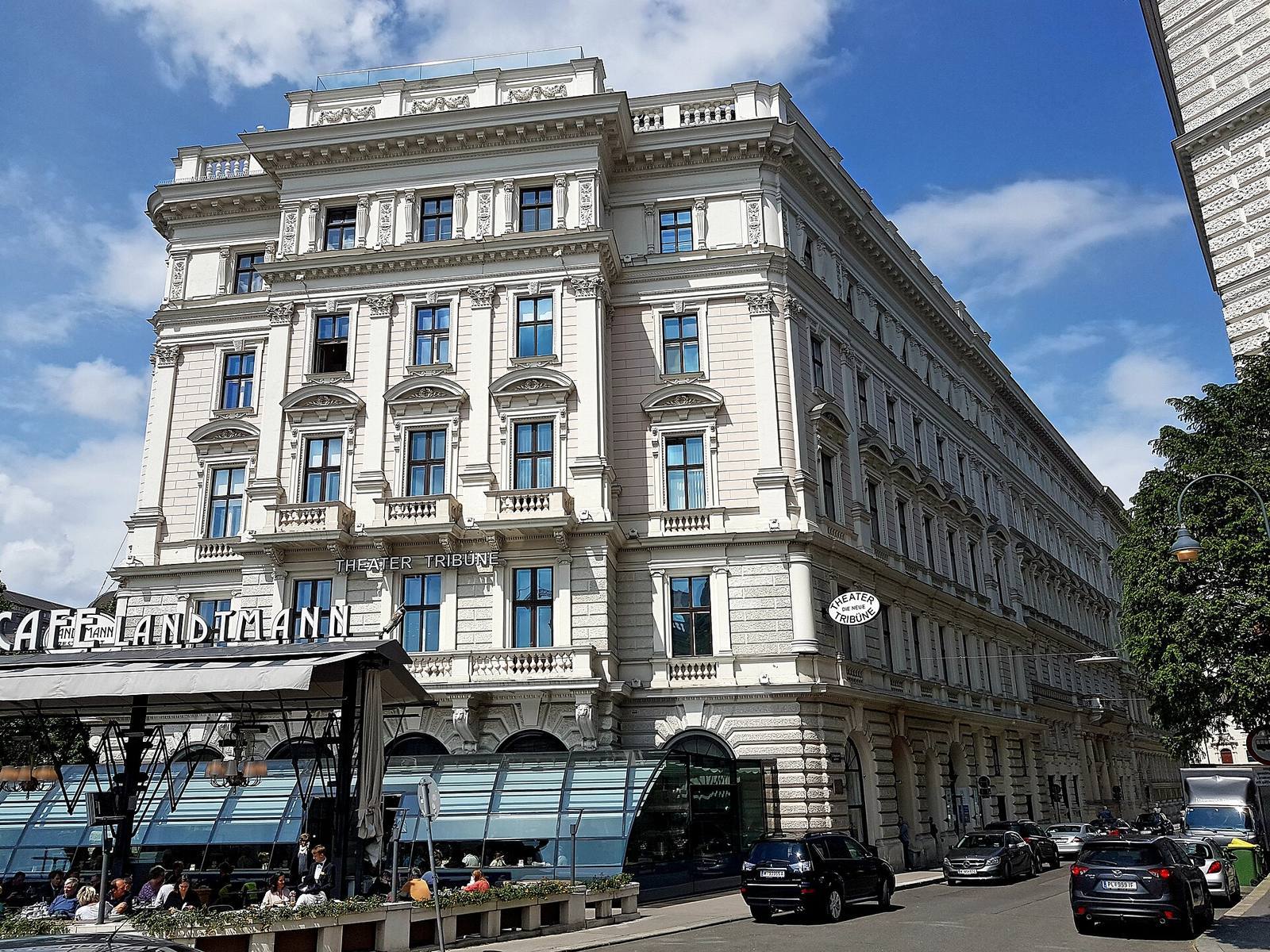
The palace rises to as many as five storeys and combines an eclectic historicist design with Neo-Baroque forms. Leopold Lieben’s apartments occupied the first floor above ground and were fitted out in Rococo, an ornate decorative style that developed in eighteenth-century Europe. Café Landtmann occupies the street level, and the entrance to Zuckerkandl-Szeps’s salon was at Oppolzergasse 6.