Snizort Cathedral: A Medieval Church and Episcopal Seat on Skye
Site at a Glance
- Popularity
- Medium
- Country
- United Kingdom
- Primary era
- Medieval
- Eras represented
- Medieval
- Civilizations
- Unclassified
- Site type
- Religious
- Remains
- Cathedral
On this page6 sections
History
Foundation and ecclesiastical standing
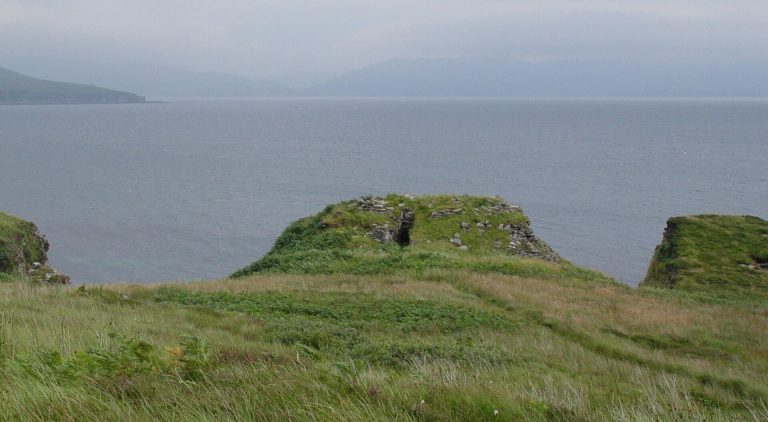
Snizort Cathedral was a small church on St Columba’s Isle in the River Snizort, near the head of Loch Snizort on the Isle of Skye in the United Kingdom. Founded in 1079 under the authority of the Archbishop of Nidaros, the medieval archbishopric associated with Trondheim, Norway, it was affiliated with the Roman Catholic Archdiocese of Nidaros.
Tradition places the foundation near a rock from which Columba, an Irish missionary and monastic leader associated with the spread of Christianity in Scotland, preached. The site may first have been a pagan center of the Picts, an ancient people of what is now Scotland. By Columba’s arrival, it may already have become a Pictish Christian establishment.
Later medieval history and destruction
Snizort gained importance as Kilmuir monastery declined during the early centuries of the second millennium. By the fourteenth century it was known as the Metropolitan Church of the Isles, a principal church in its region, and was the main seat of the Bishops of the Isles. That role later passed to Iona Abbey, a Christian monastic institution on the island of Iona.
One of its bishops, Wimund, had a striking later career. The twelfth-century English chronicler William of Newburgh related that sometime after 1147 Wimund became a seafaring warlord and adventurer. The cathedral was still in existence in 1501 or later, but was destroyed during the Scottish Reformation, the sixteenth-century movement that transformed Scotland’s religious institutions.
Remains
Church remains
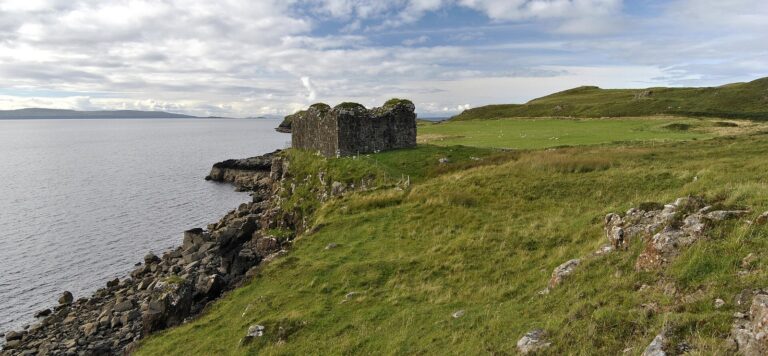
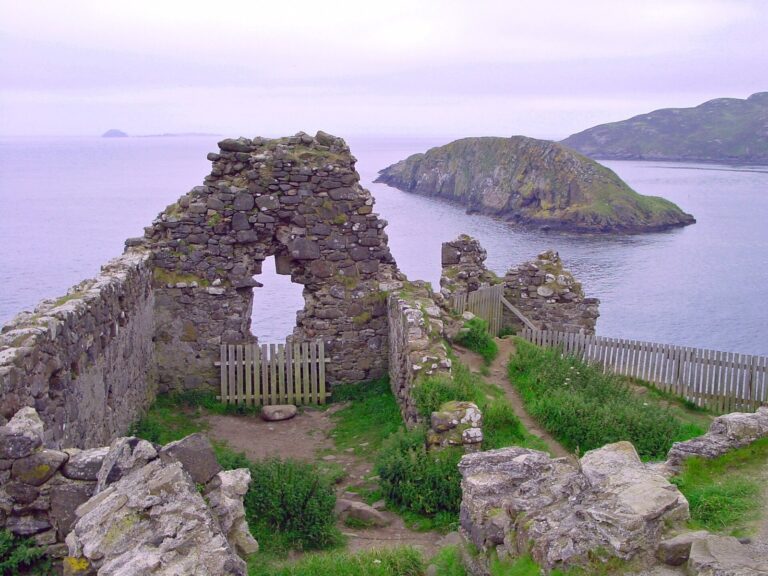
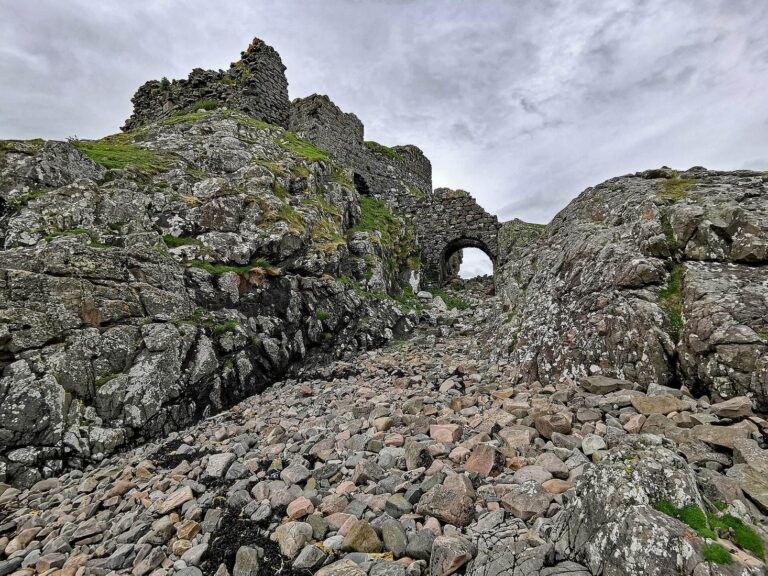
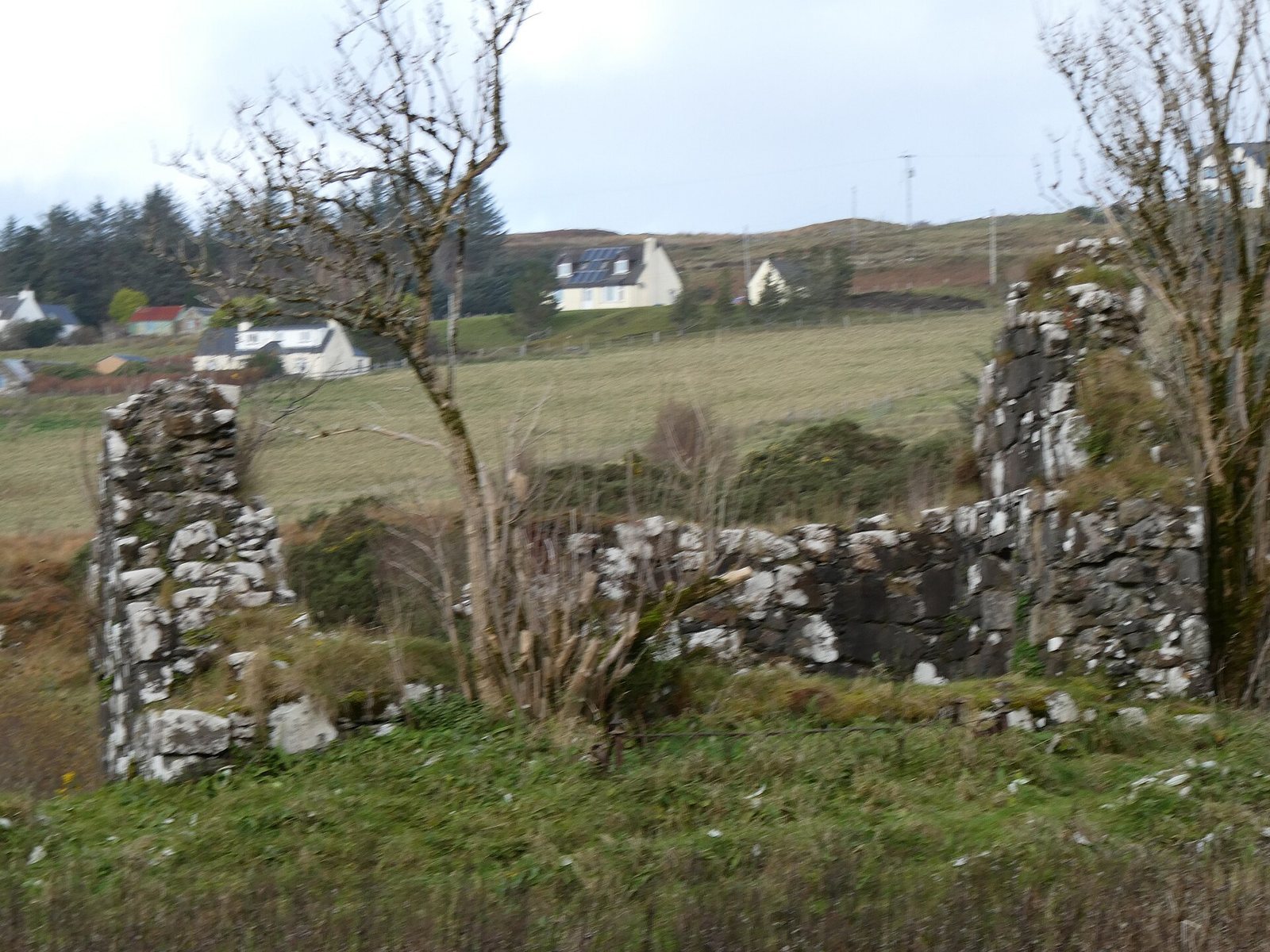
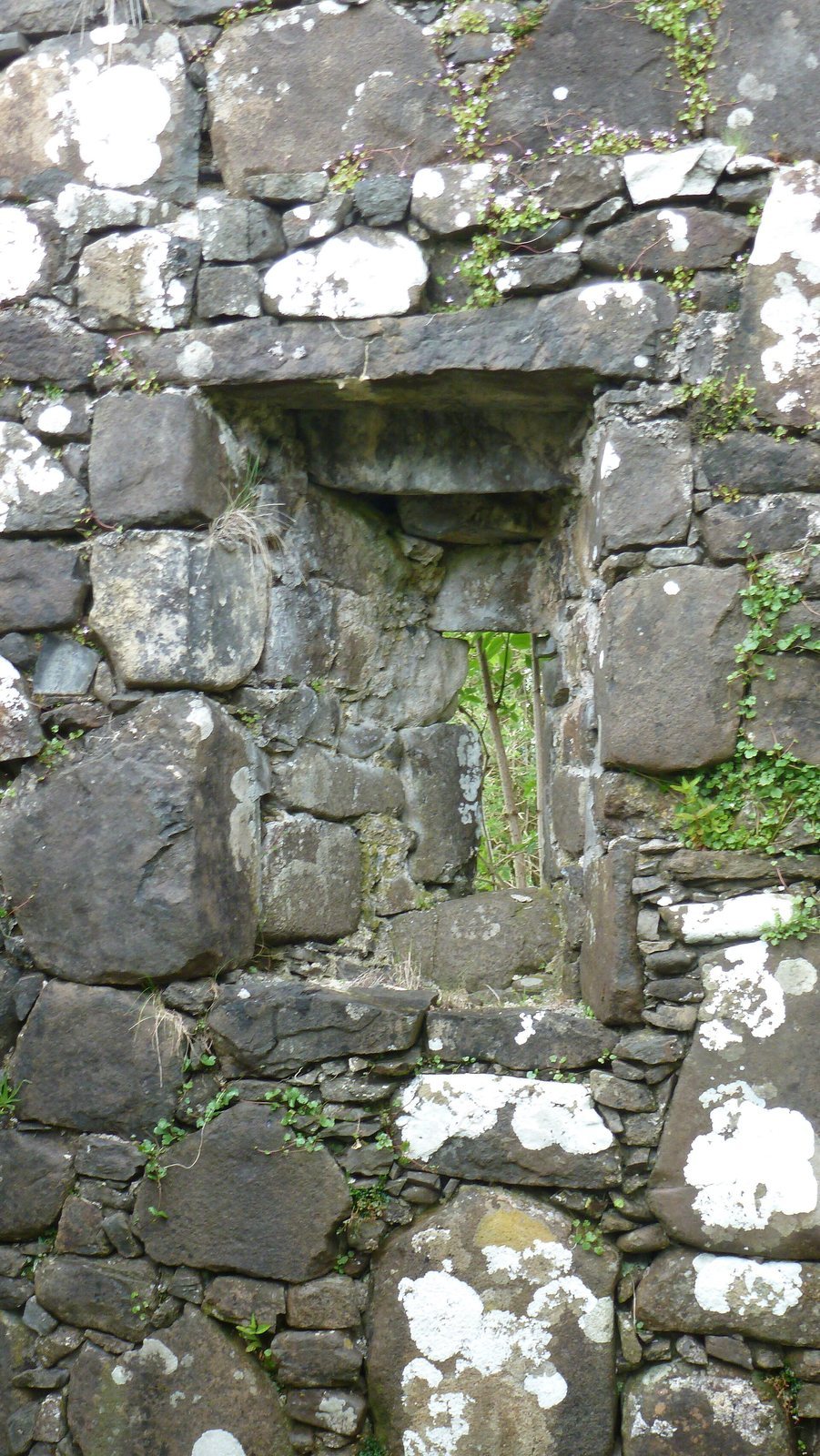
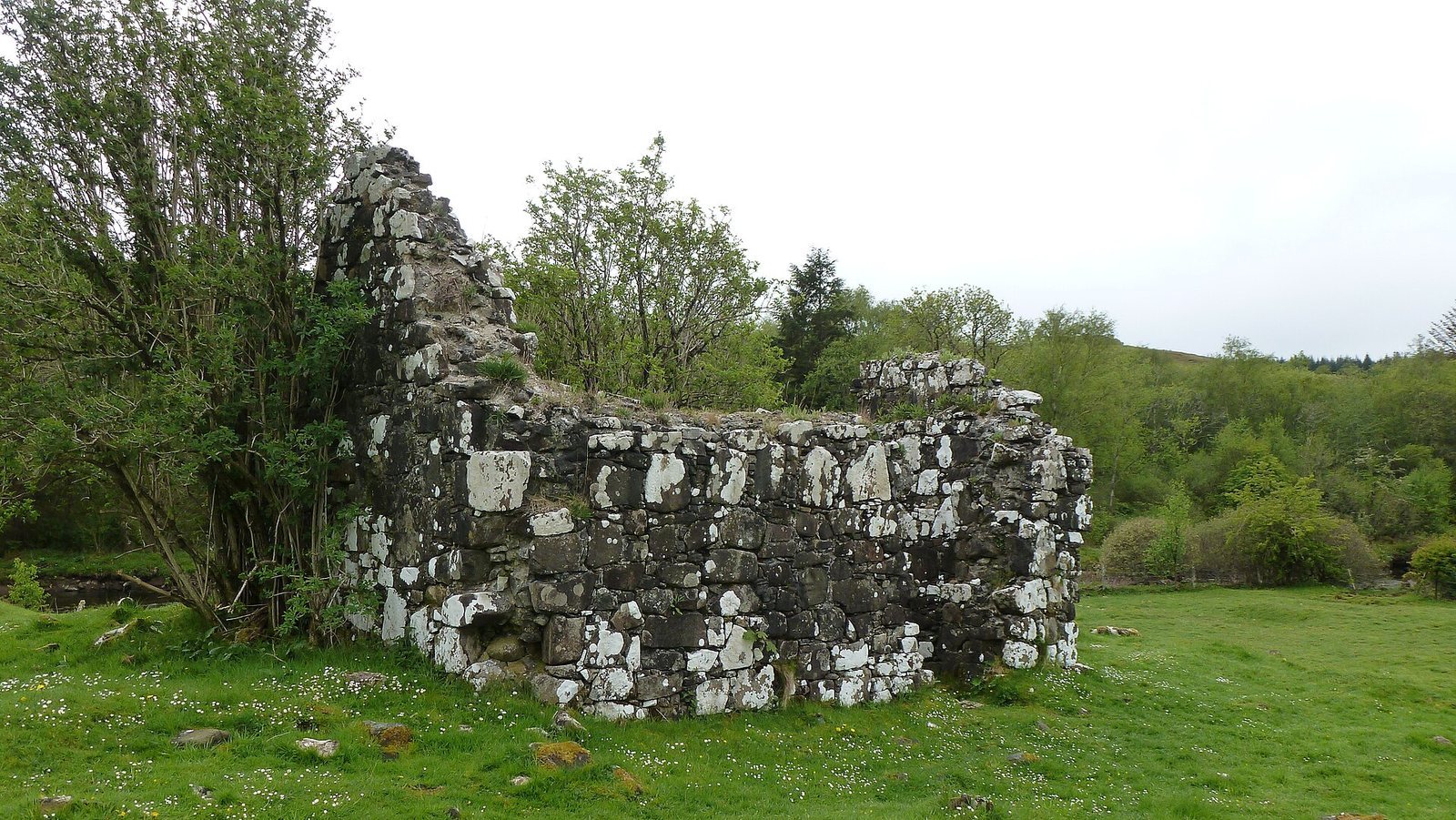
The cathedral was a small church, and visible remains survive on St Columba’s Isle.
Graveyard and mortuary chapel
The island’s graveyard contains the burials of many bishops who served the cathedral until the 1400s. A mortuary chapel there was the burial place of 28 MacNeacail chiefs. Its Gaelic name, Aite Adhlaic Mhic Neacail, is loosely translated as MacNicol or Nicolson’s Aisle.