Huddington Court: A Moated Manor House Linked to the Gunpowder Plot
Site at a Glance
- Rating
- 5
- Popularity
- Very Low
- Country
- United Kingdom
- Primary era
- Medieval
- Eras represented
- Medieval
- Civilizations
- English
- Site type
- Domestic
- Remains
- Manor House
On this page8 sections
History
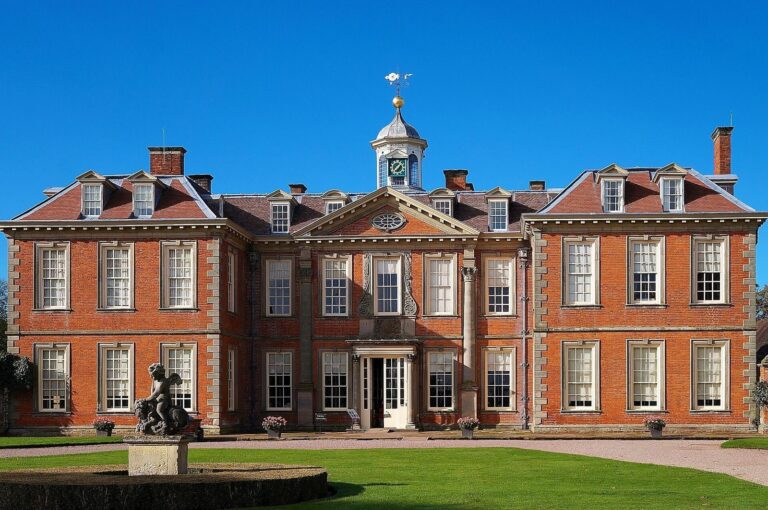
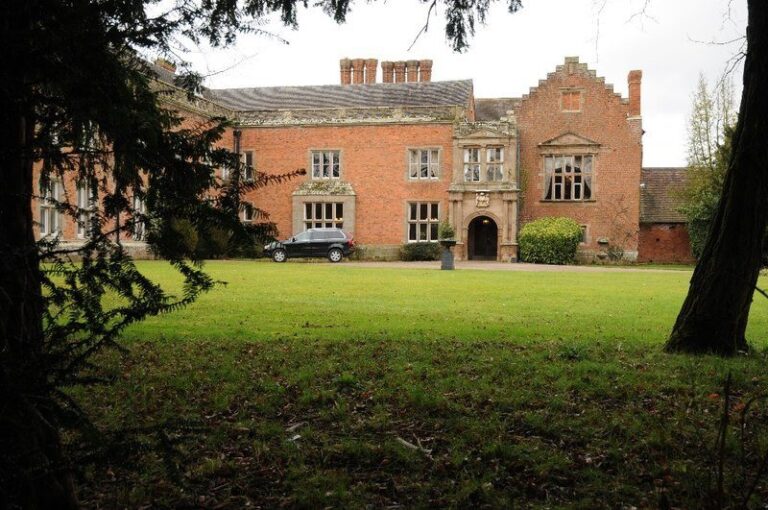
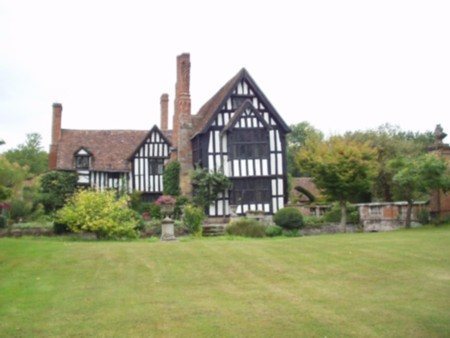
Huddington Court is a 15th-century moated manor house in Huddington, Worcestershire, United Kingdom. It was the home of the Wintour family, whose members Robert, Thomas, and John took part in the 1605 Gunpowder Plot, a conspiracy to blow up the Houses of Parliament. Some plans for the plot were devised at the house.
The Bye Plot, 1603
In the summer of 1603, the priest William Clerke hid at Huddington Court after becoming involved in the Bye Plot, a separate conspiracy against King James I. He was arrested in Worcester on 13 August and executed in Winchester on 29 November.
The Gunpowder Plot, 1605
After Guy Fawkes was arrested, the plotters fled to Huddington Court, arriving at about 2 p.m. on 6 November 1605. They left early the next morning in heavy rain and made their way to Holbeach House in Staffordshire. There, a shoot-out left some dead or under arrest. Others escaped and were captured later. Robert Wintour evaded capture for two months; Thomas Wintour had been wounded, while their half-brother John surrendered his sword at Dudley Castle. The Wintour conspirators were eventually executed.
Huddington Court and the conspirators’ estates were confiscated. By 1607 the house had returned to the Wintour family, probably after large fines were paid by the Talbot estates. Robert Wintour’s wife, Gertrude, was the daughter of Sir John Talbot of Grafton Manor. The house has held Grade I listed status since 1952, the highest category in England for buildings of exceptional architectural or historic interest, and remains a private residence.
Remains
The house contains two concealed priest shelters and an inscription on glass in the main bedroom. Architectural historian Nikolaus Pevsner called Huddington Court “the most picturesque house in Worcestershire.”
Interior features
The chapel hiding place
A priest hole, a concealed space intended to shelter a priest, lies behind an oak panel in the former chapel, where a resident priest said Mass. A further door inside the hiding place opens into a small room. Both priest holes in the house are believed to have been built by Nicholas Owen, a Jesuit lay brother known for making such hiding places.
The second hiding place
In the room opposite, another concealed entrance is disguised as part of the wall and opens into a sizeable room. This hiding place was discovered in the 1920s.
The bedroom inscription
The glass in the main bedroom bears the words “past cark, past care.” The inscription was once attributed to Lady Wintour, who was said to have carved it with a diamond ring while her husband hid in the surrounding woods. That attribution is mistaken: William Clerke made the inscription.