Bisarno Castle: A Thirteenth-Century Fortress in Florence
Site at a Glance
- Rating
- 4.5
- Popularity
- Low
- Country
- Italy
- Primary era
- Medieval
- Eras represented
- Medieval, Early Modern
- Civilizations
- Republic of Florence
- Site type
- Military
- Remains
- Castle
On this page7 sections
History
Bisarno Castle is a fortress in Florence, Italy, whose origins date to the thirteenth century. It arose among streams and ditches flowing toward the Arno. These waterways were thought to form an alternative channel of the river called Bisarno.
Medieval and early modern ownership
By the mid-fourteenth century, the castle belonged to the Bardi family. It later passed to the Biliotti and, in the sixteenth century, to the Capponi. The Capponi carried out major enlargement and modernization works.
Later residents
The Italian botanist and explorer Odoardo Beccari lived at the castle. From 1869 to 1880, it served as the seat of the British ambassador James Hudson.
Remains
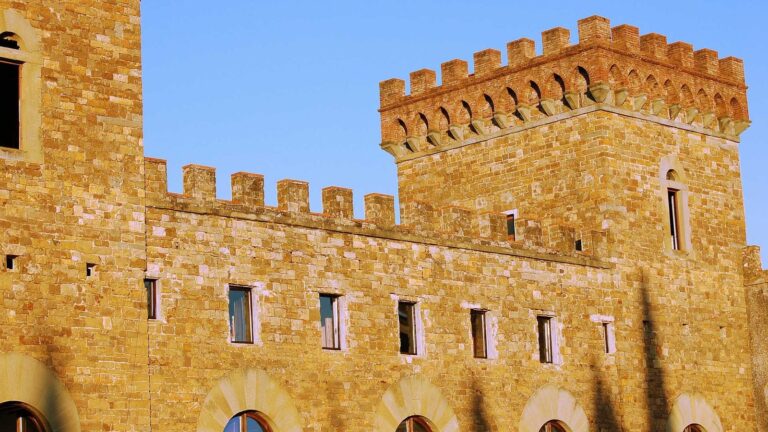
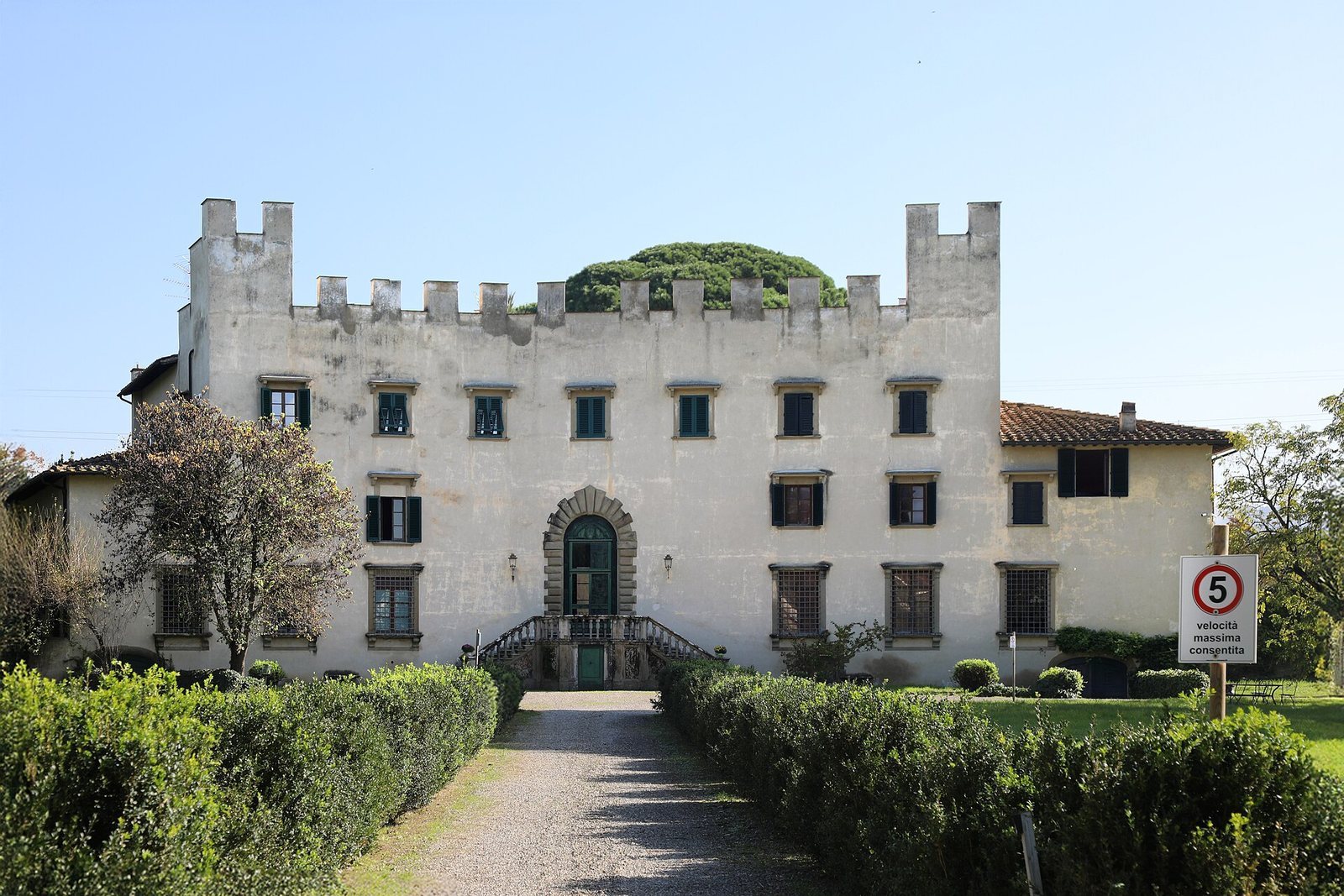
On Via di Badia a Ripoli, near the church of San Piero in Palco, the castle retains decorated interiors, battlemented walls, an entrance gate, and planted grounds.
Interior features
Interior features from the Bardi period include geometric and floral decoration. Octagonal stone pillars project from some walls, while oak corbels support ceilings formed from wooden beams.
Walls and entrance
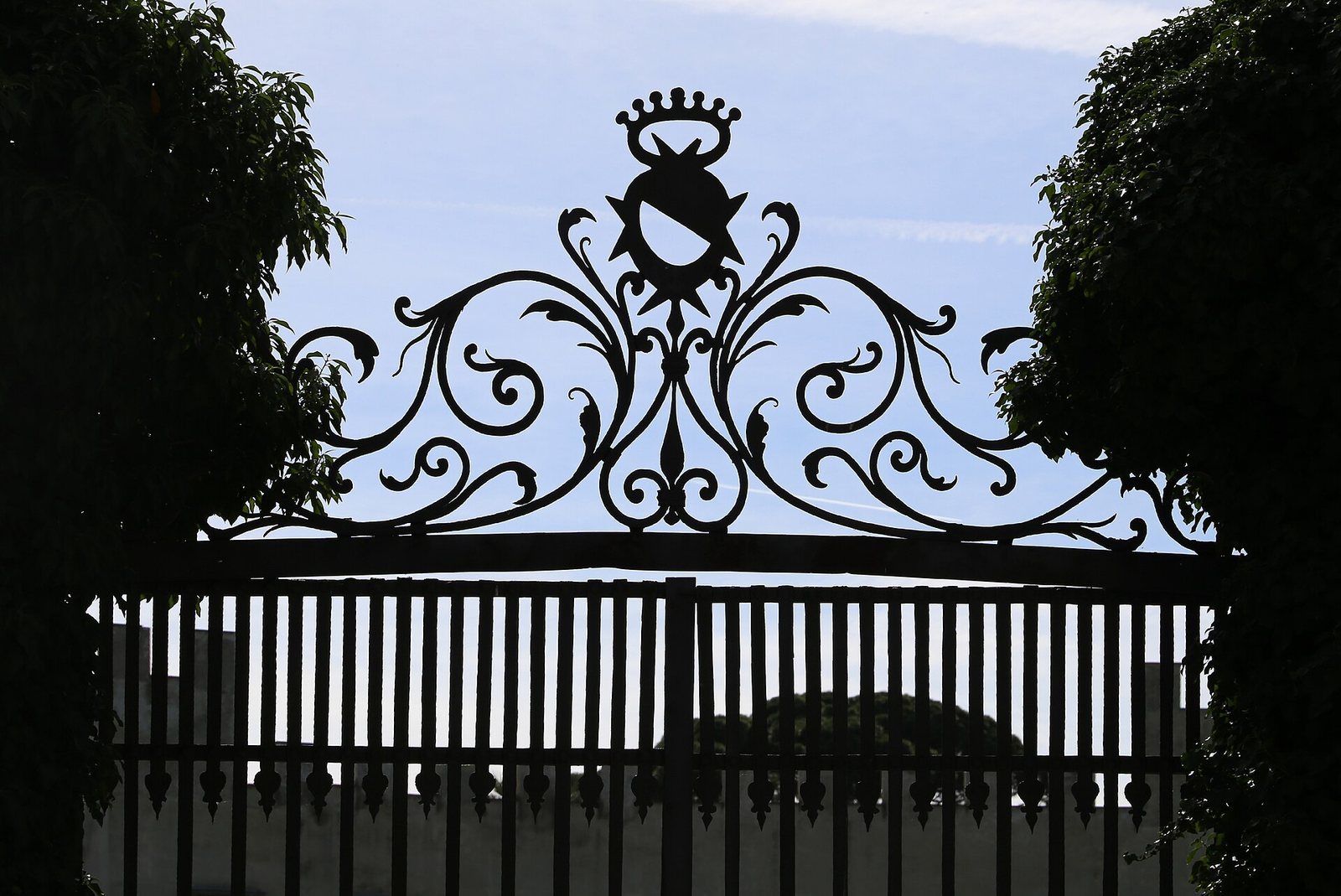
The castle’s upper walls have Guelph-style notched battlements, a medieval form associated with the Guelph faction. Some are original and others have been restored. The Capponi family coat of arms appears on the entrance gate.
Plantings
Some of the rare plant species planted by Beccari still grow at the castle.