Fikensolt Castle: A Moated Seat of the Lords of Fikensolt
Site at a Glance
- Rating
- 3.4
- Popularity
- Low
- Country
- Germany
- Primary era
- Early Modern
- Eras represented
- Medieval, Early Modern
- Civilizations
- Holy Roman Empire
- Site type
- Domestic
- Remains
- Manor House
On this page7 sections
History
Medieval seat and regional conflicts
Fikensolt Castle, near Westerstede in Lower Saxony, Germany, originated in the 12th century as the seat of the Lords of Fikensolt, a family of lower nobility. A chronicle written around 1400 places the Knights of Fikensolt among those who fought beside the Counts of Oldenburg, rulers of the County of Oldenburg, in 1127. The conflict was part of the Stedinger Wars, medieval struggles involving communities in northern Germany.
In 1457, a battle at Fikensolt and Mansingen set the Counts of Oldenburg against East Frisian chieftains, local territorial leaders in East Frisia. The Counts secured supremacy in northern Oldenburg.
Later estate
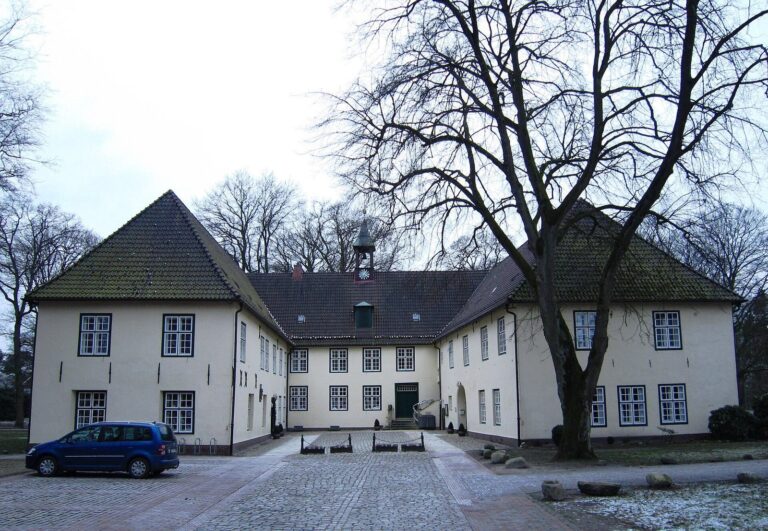
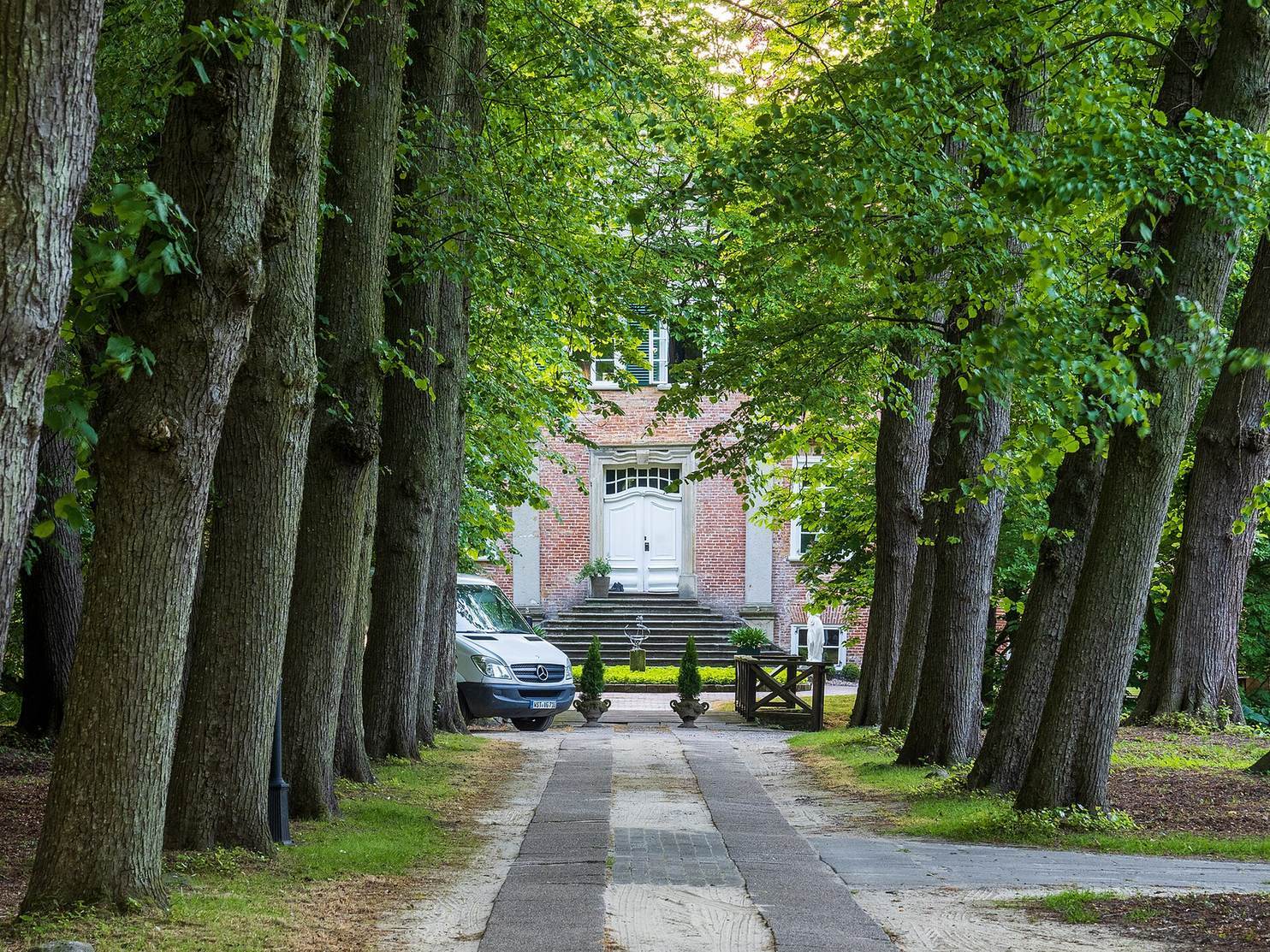
After the Lords of Fikensolt died out in 1613, the estate passed by inheritance to distant relatives and was later sold. A small Baroque palace replaced the earlier castle in the second half of the 18th century.
In September 1850, Baptist theologian and religious writer Julius Köbner stayed at the manor house for several days while attending the inauguration of Felder Baptist Church. Köbner was a co-founder of German Baptist congregations. The estate was renovated between 1985 and 1988.
Remains
Castle enclosure and surviving buildings
Enclosure and moat
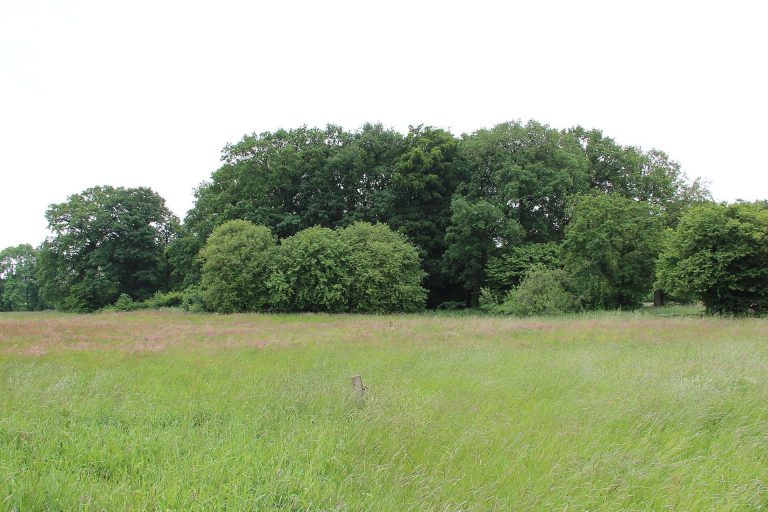
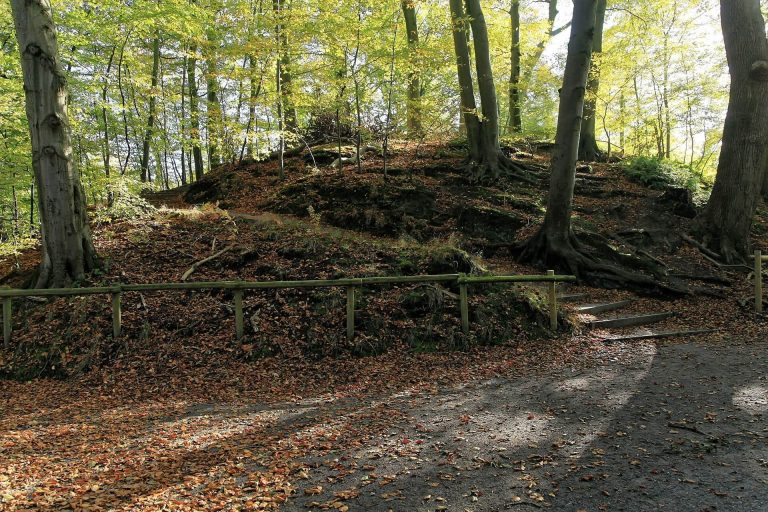
The lowland castle had a roughly square enclosure measuring about 35 metres on each side. A raised bank and a moat approximately 10 metres wide surrounded it. An excavation in 1973 revealed the moat and houses in the outer courtyard. The houses belonged to two building phases, dating to the 12th–13th and 14th–15th centuries.
Manor house
The manor house is a Baroque building and the only surviving structure of the former estate.