Rocca Malatestiana: A Medieval Fortress in Montefiore Conca, Italy
Site at a Glance
- Popularity
- Medium
- Country
- Italy
- Primary era
- Medieval
- Eras represented
- Medieval
- Civilizations
- Unclassified
- Site type
- Military
- Remains
- Castle
On this page5 sections
History
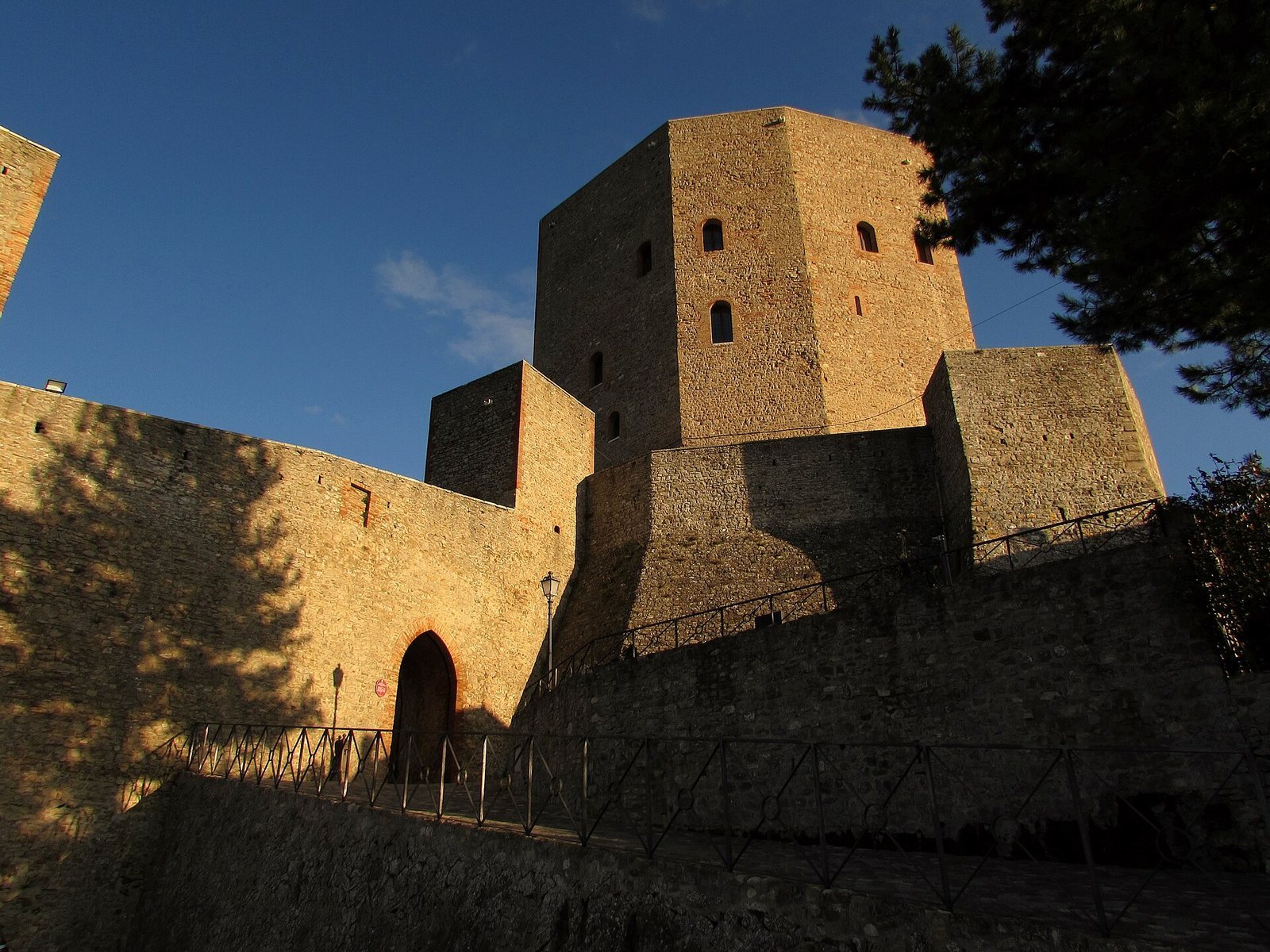
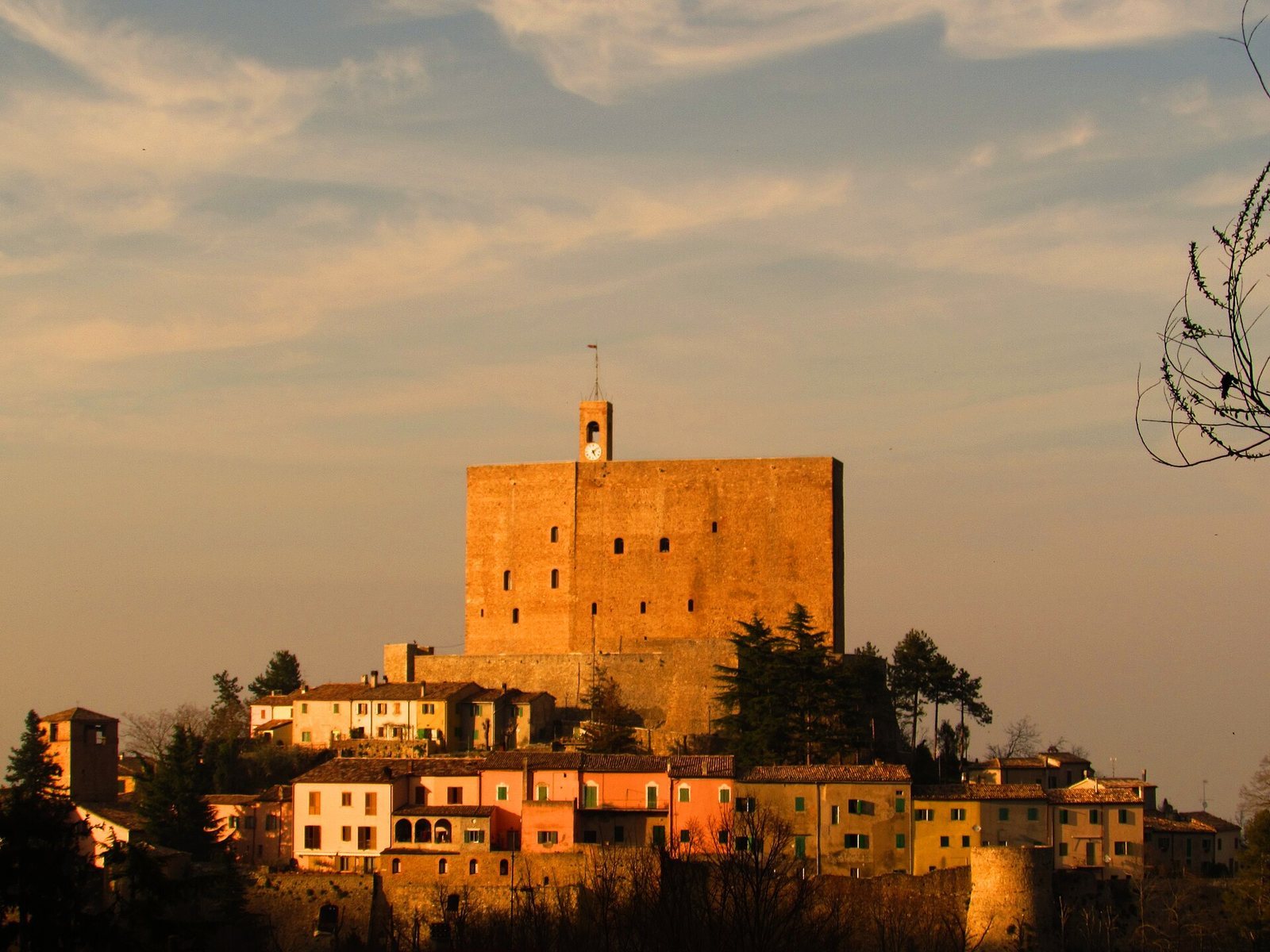
Rocca Malatestiana is a medieval fortress in Montefiore Conca, Italy, built by the Malatestas in the 14th century as a hunting residence. Its position between Rimini and Urbino gave it strategic importance, and it later served as a fortified, residential, and representative center for the ruling family.
Early Evidence and Malatesta Rule
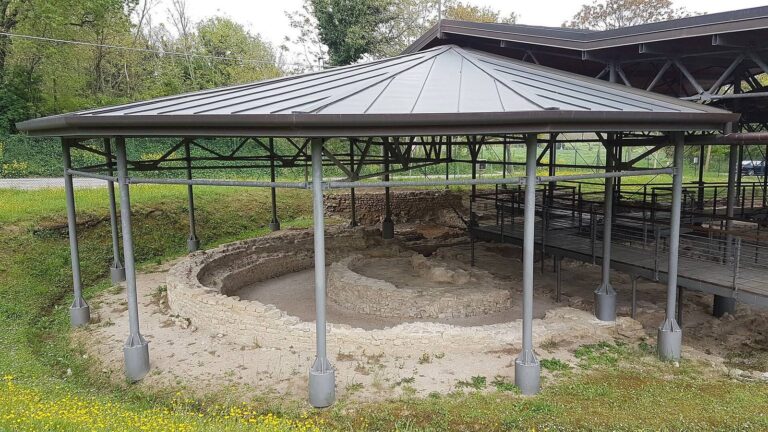
Roman-period finds suggest an early settlement and military stronghold along the Via Flaminia, an ancient Roman road. A military stronghold at Montefiore is recorded by the 12th century. Excavations carried out in 2006–2008 strengthened the proposal that the castle complex was already present in the 11th century.
During the Middle Ages, Montefiore was the main center of the Conca valley and was governed by the Malatestas, a powerful Italian ruling family. In 1320, Pope John XXII granted Montefiore to them. The Malatestas built the castle in the 14th century, and under Malatesta Ungaro it was enlarged. Alongside its defensive role, it became a residence and a setting for family representation; some Malatestas lived there regularly. Galeotto Novello, the youngest son of Galeotto I Malatesta, was born at the castle in 1377.
Capture and Changing Ownership
As Malatesta rule came to an end, troops commanded by Federico da Montefeltro captured the castle. From 1463 to 1530, it passed among various owners. Cesare Borgia held it in 1503, followed by the Republic of Venice in 1504–1505. Costantino Comneno took possession in 1514 and died in the fortress in 1530.
From the 16th century, the castle came under the authority of the Holy See, the Catholic Church’s central governing authority. It remained within the Papal States, territories ruled by the pope, until the unification of Italy in the 19th century.
Disuse and Restoration
After papal ownership ended, the castle fell into disuse. Restoration began in the late 1950s, after the Second World War, and further interventions took place between 2006 and 2009.
Remains
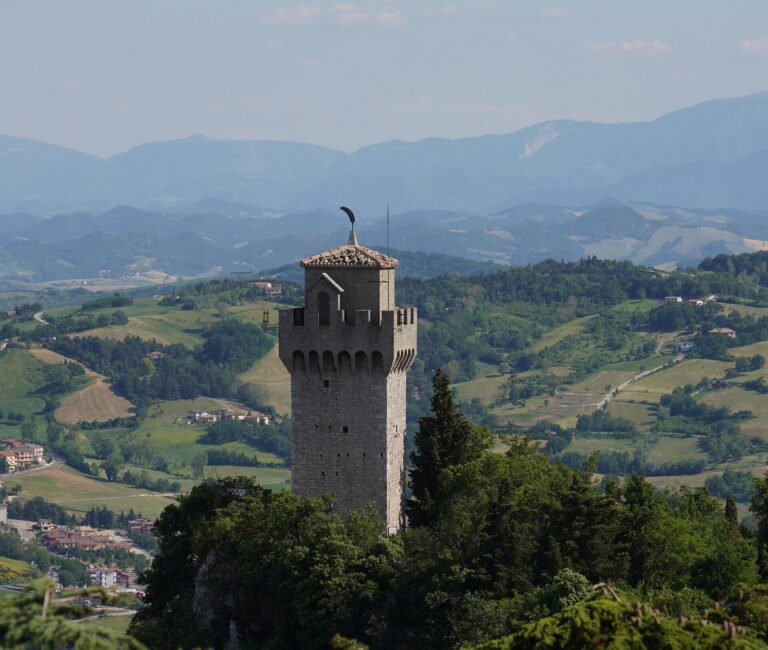
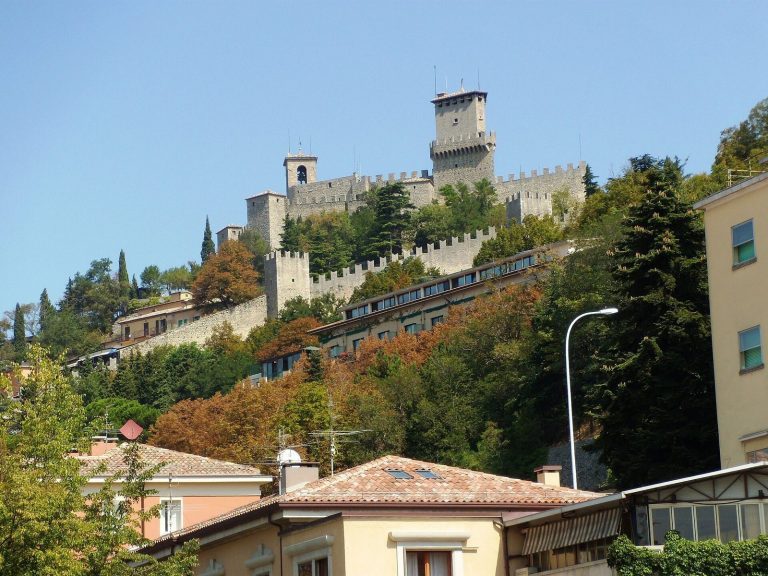
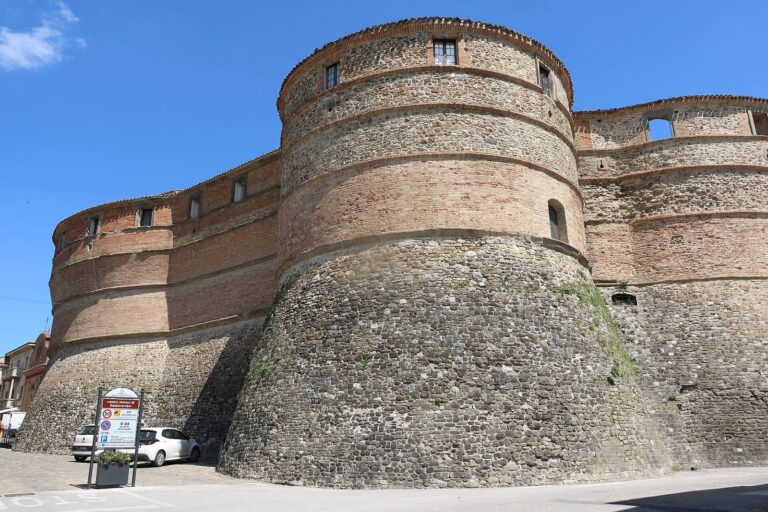
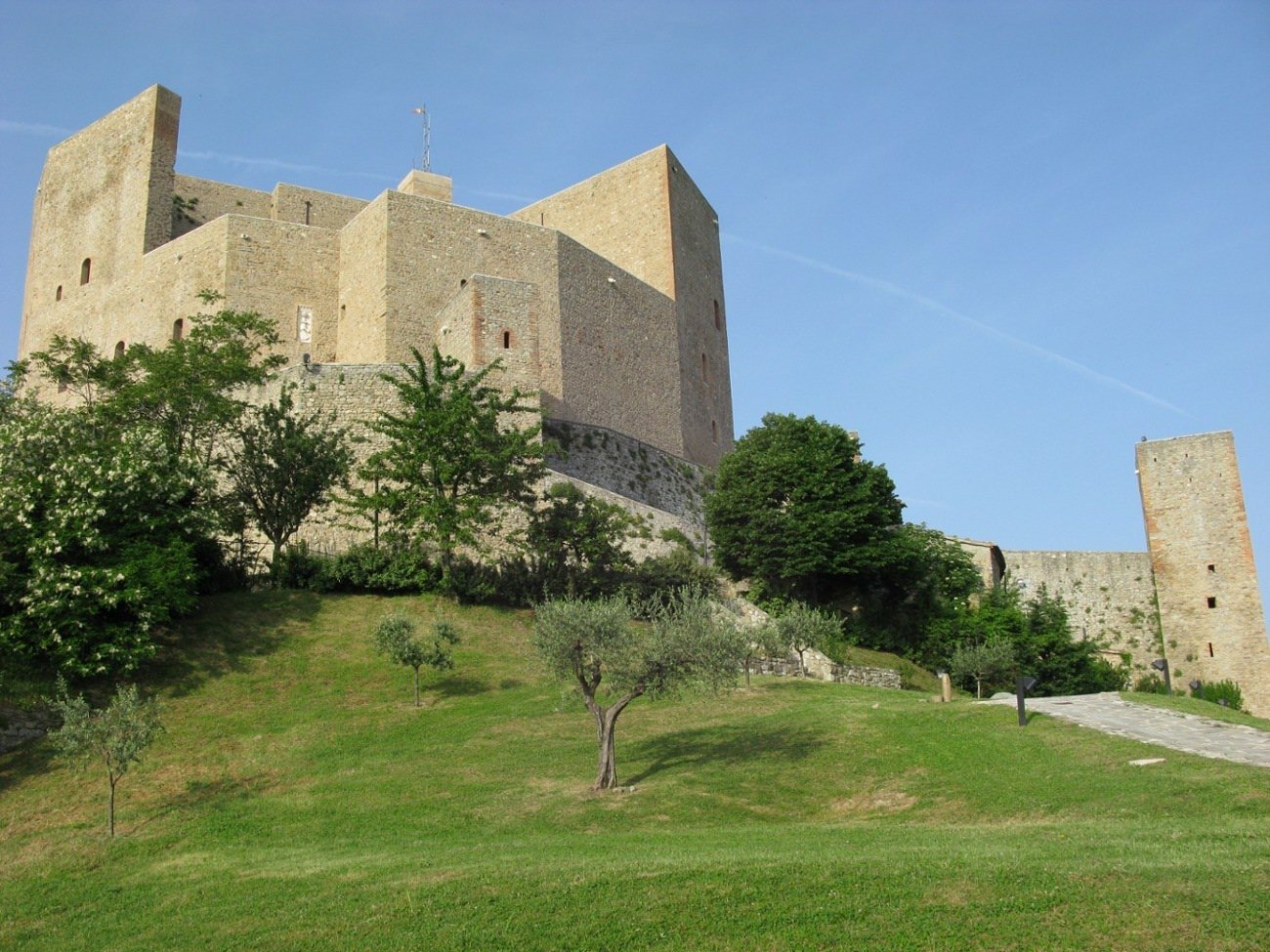
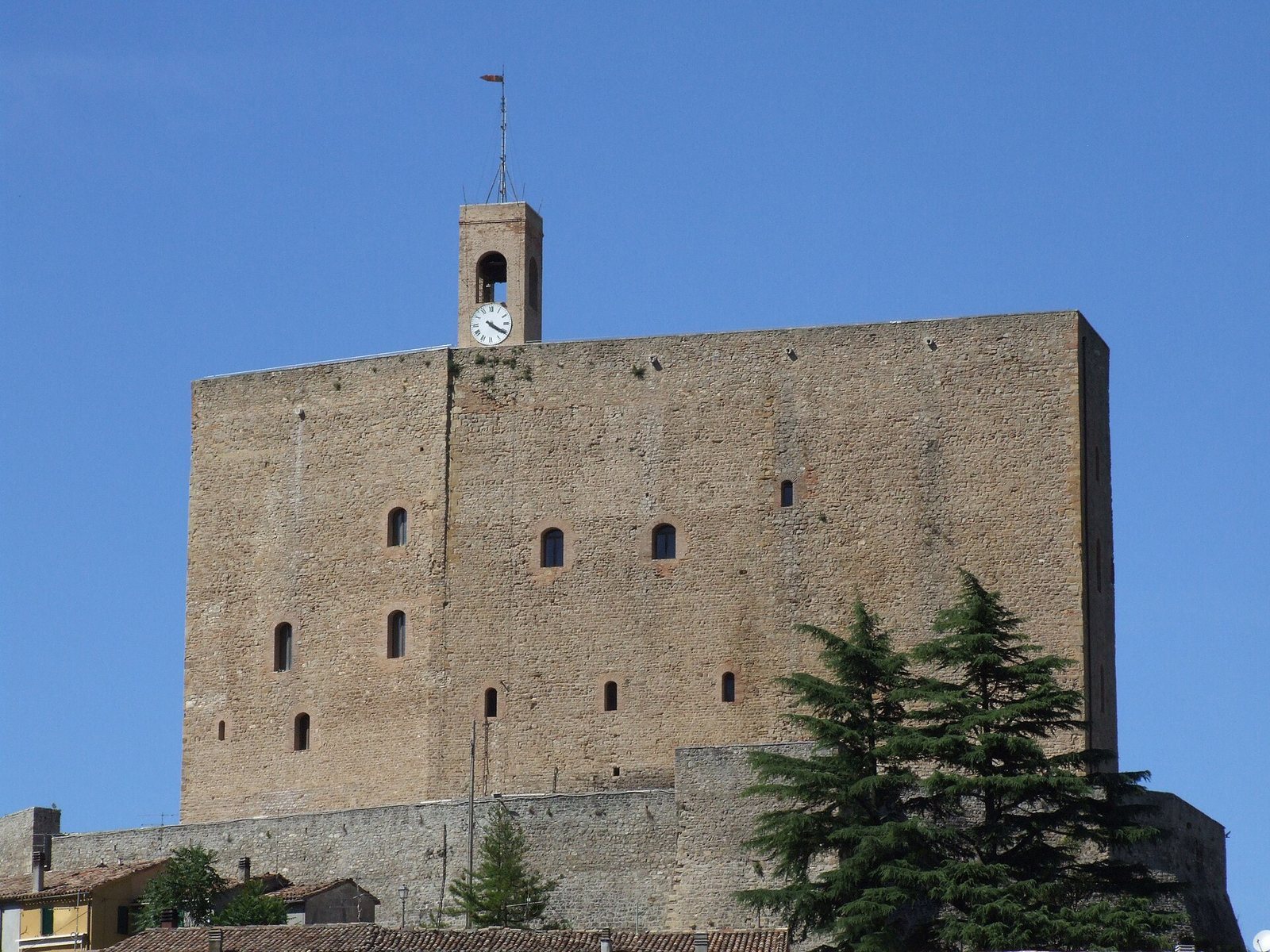
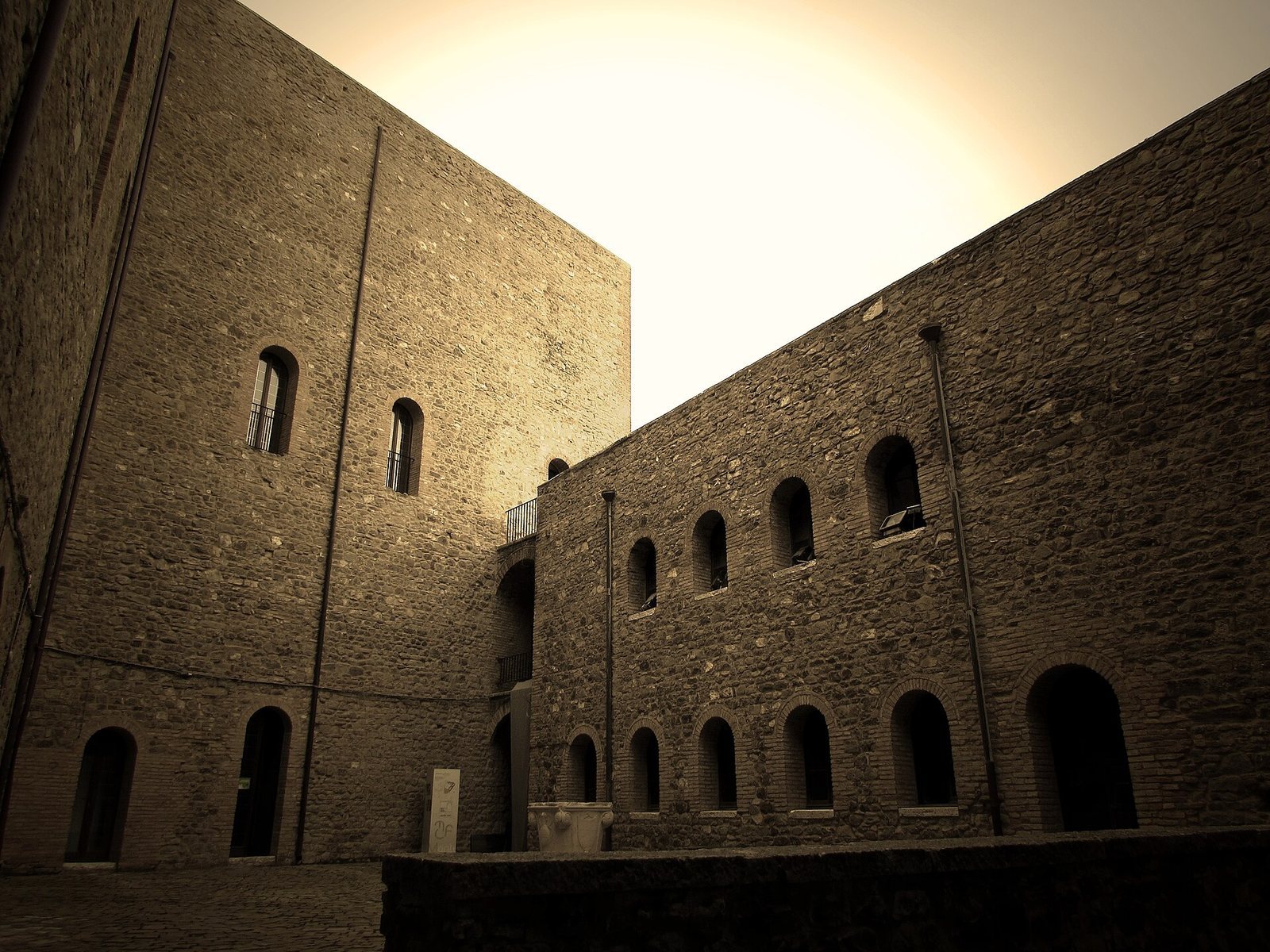
The fortress stands on a hill in the Apennines at about 394 metres above sea level, overlooking the surrounding area. Its construction combines rubble masonry and brickwork. The expanded residential complex included large halls, reflecting the castle’s use as both a fortified stronghold and a family residence.