Barnwell Priory: An Augustinian Religious House in Cambridge
Site at a Glance
- Popularity
- Medium
- Country
- United Kingdom
- Primary era
- Medieval
- Eras represented
- Medieval
- Civilizations
- English
- Site type
- Religious
- Remains
- Monastery
On this page5 sections
History
Barnwell Priory was an Augustinian religious house in Cambridge, United Kingdom, founded around 1092 by Picot of Cambridge, then High Sheriff of Cambridgeshire, for canons regular, clergy who lived communally under the Rule of St Augustine. Its scholarly and administrative activity later helped the early University of Cambridge take shape.
Foundation and relocation
Picot first established the community at St Giles’ Church near Cambridge Castle. He endowed six brethren with tithes, religious dues traditionally drawn from produce or income, and several rectories, parish benefices that could provide revenue. The first canons probably came from Huntingdon Priory, although Colchester Priory is another possibility. Both were East Anglian houses founded around the same period.
A tradition in the Book of Memoranda of the Church of Barnwell says that Picot’s wife, Hugolina, vowed to establish a religious house if she recovered from a grave illness. She recovered, and Picot endowed the priory, perhaps at her request. After Picot and Hugolina died, Henry I took control of the house and gave it to Pain Peverel, an Anglo-Norman landholder. Peverel obtained land on Cambridge’s eastern edge so the priory could move and expand. Further gifts from local landowners helped the community grow to 30 canons.
Medieval community and civic role
The priory’s annual Barnwell Fair, also known as the Midsummer Fair, contributed to its income. Its active manuscript-writing room and well-stocked library, along with legal business arising from its landholdings, helped the early University of Cambridge become established. The 13th-century Barnwell Observances, customs governing religious community life, preserve details of English Augustinian practice. An anonymous chronicler at the priory wrote a work covering the reign of King John.
As a wealthy landowner, Barnwell Priory was targeted during the Peasants’ Revolt, a major uprising in England in 1381. English Parliament met at the priory from 10 September to 17 October 1388 in an assembly known as the Cambridge Parliament. It was the only time Parliament met at Barnwell.
Dissolution and later history
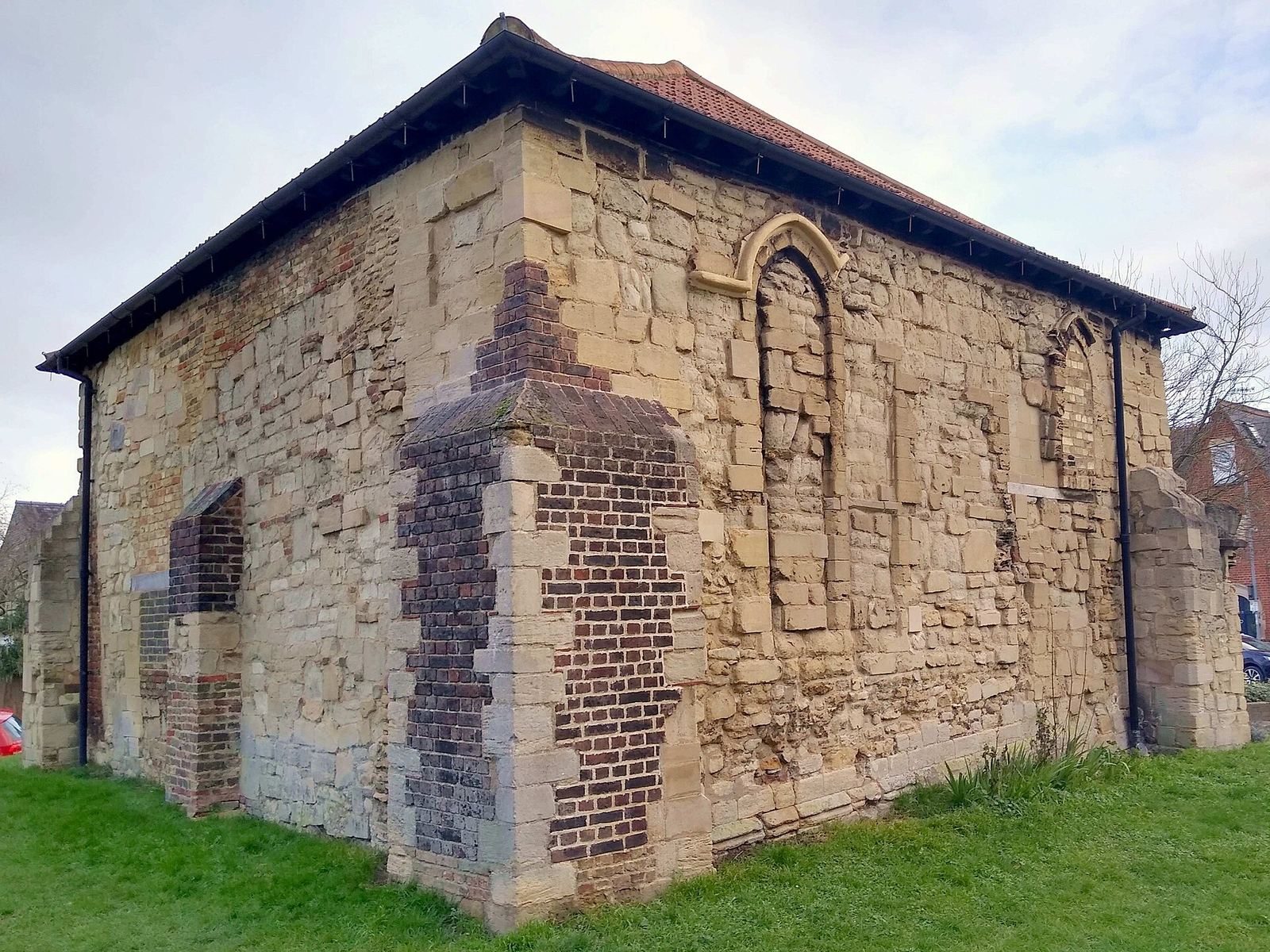
The priory was dissolved on 11 November 1538 during the Dissolution of the Monasteries, Henry VIII’s suppression of religious houses and transfer of their property in the 1530s. The estate was granted to Anthony Brown around 1546 and to Edward, Lord Clinton, around 1552. The buildings became ruinous and were almost entirely destroyed in 1810. The surviving building is Grade II* listed.
Remains
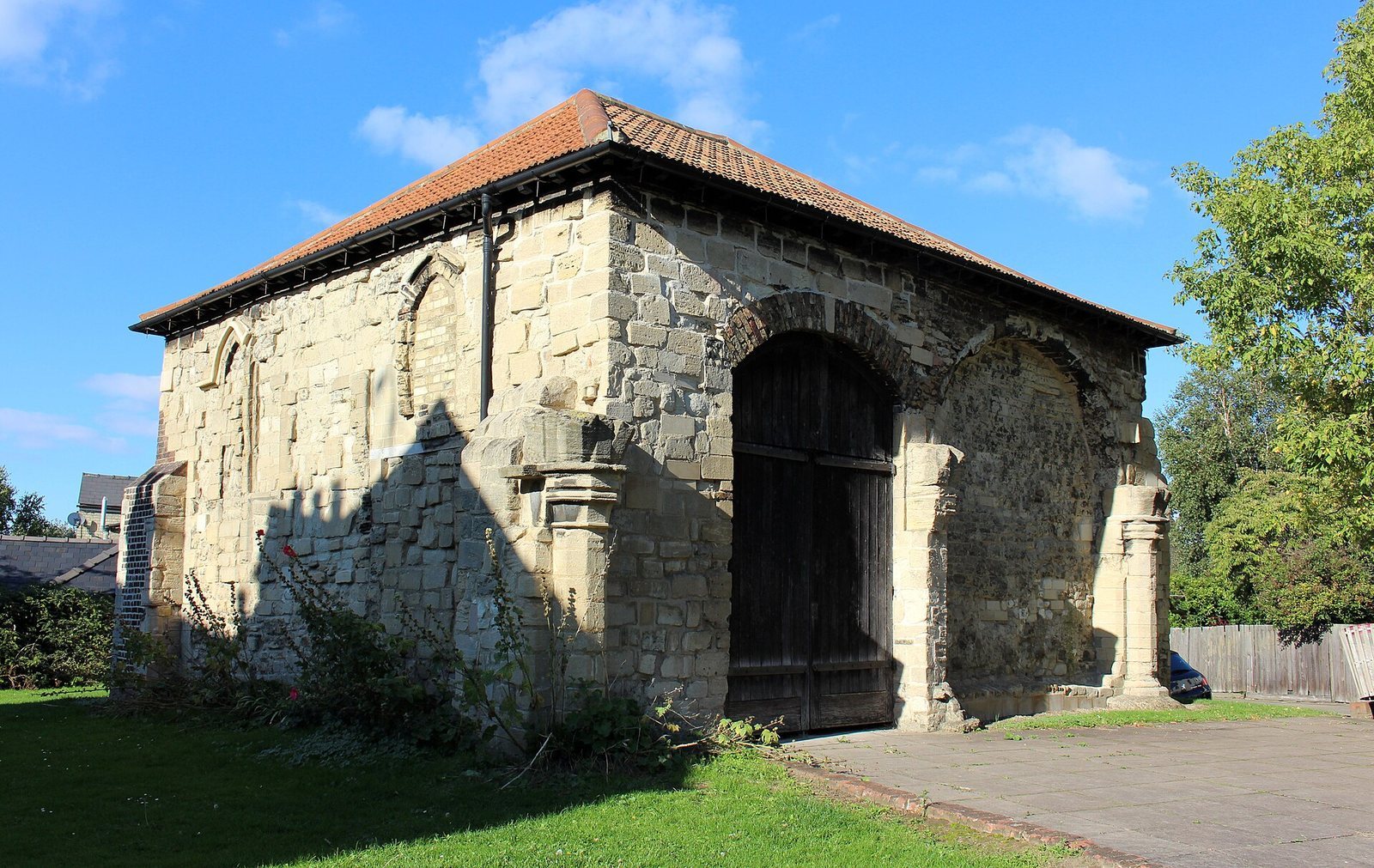
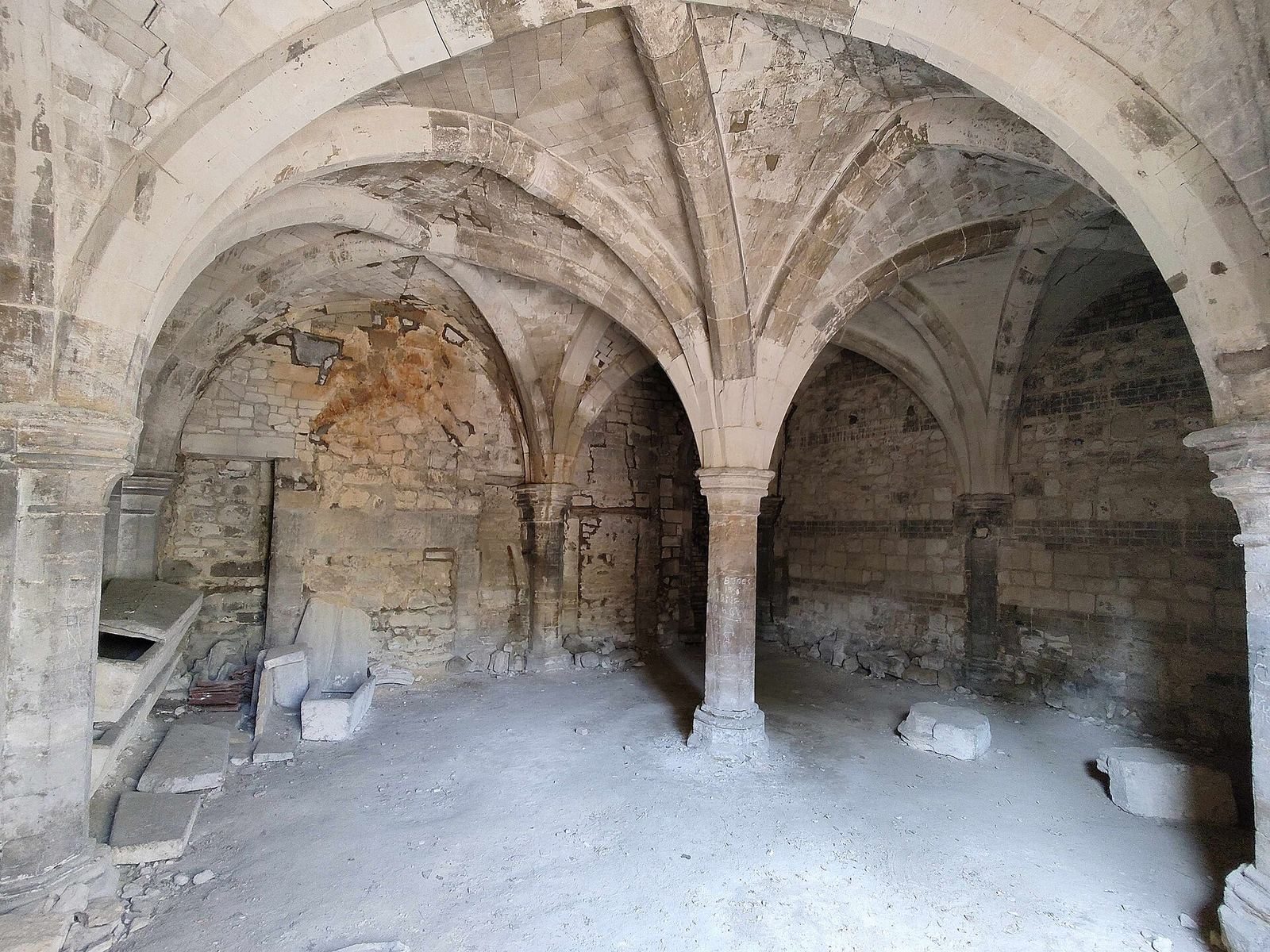
The surviving fabric includes a 13th-century building associated with the priory’s cloister, as well as fragments in the walls, cellar, and gardens of Abbey House.