Newton Castle: A Tower House in Blairgowrie and Rattray
Site at a Glance
- Popularity
- Medium
- Country
- United Kingdom
- Primary era
- Early Modern
- Eras represented
- Early Modern, Modern
- Civilizations
- British, Kingdom of Scotland
- Site type
- Domestic
- Remains
- Castle
On this page5 sections
History
Drummond and Graham families
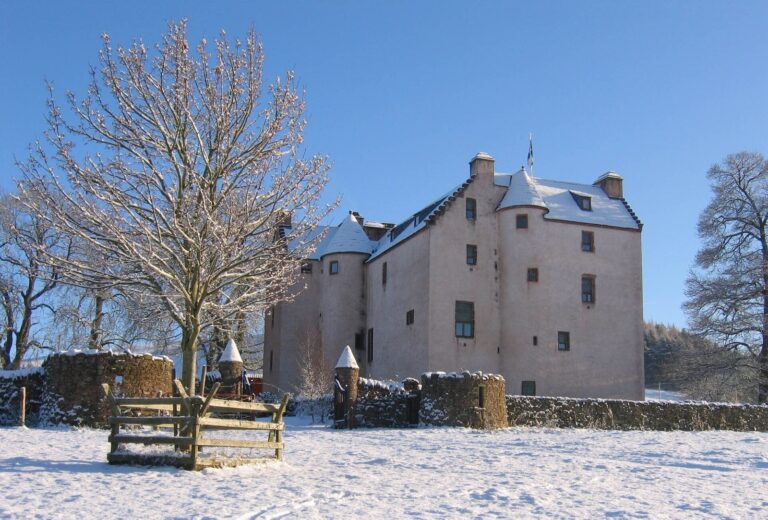
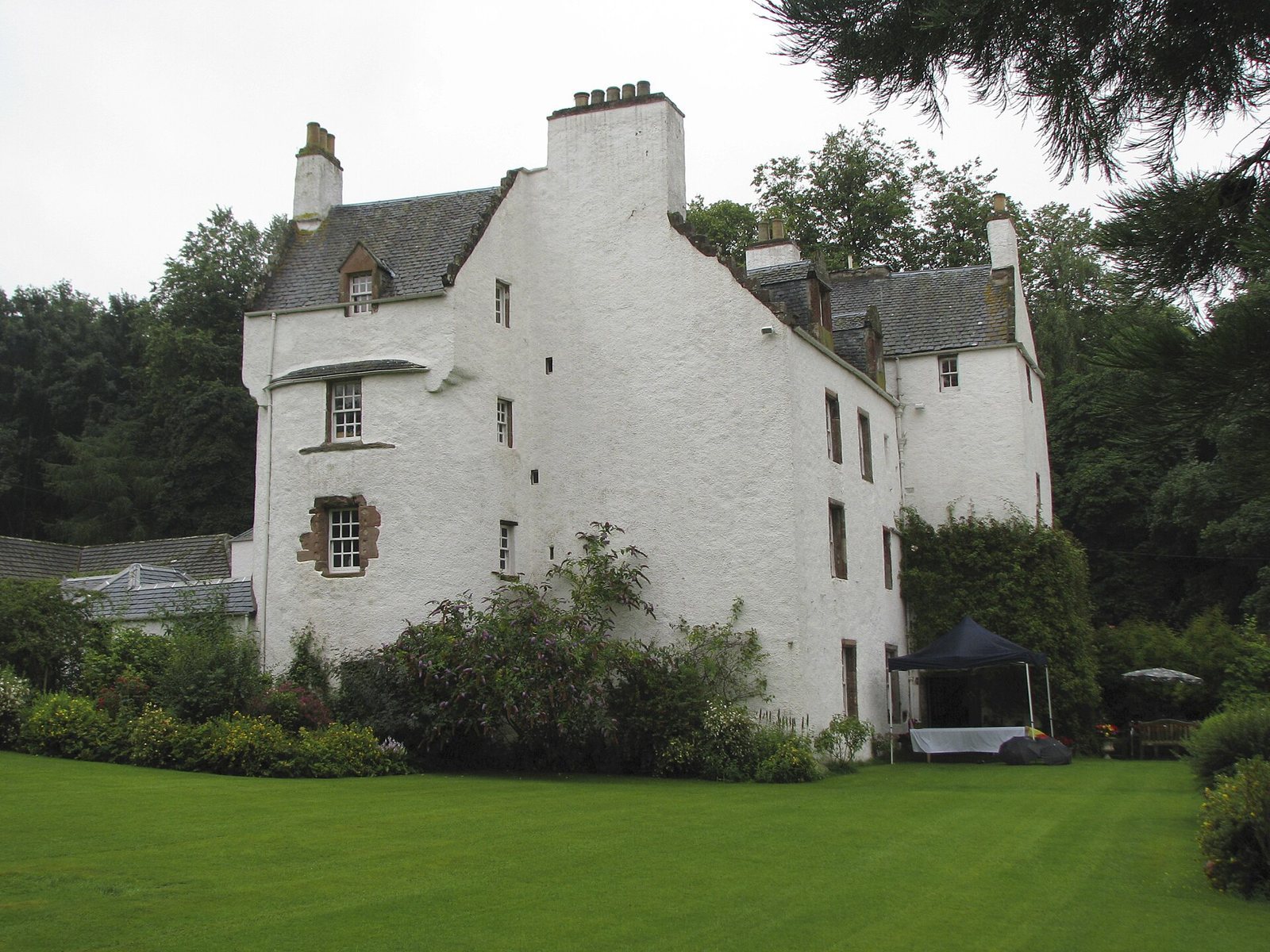
Newton Castle is a sixteenth-century tower house, a fortified residence centered on a tower, on the western edge of Blairgowrie and Rattray in the United Kingdom. It was built around 1550, when George Drummond acquired the lands of Newton of Blair. Another George Drummond, who served six times as Edinburgh’s Lord Provost, its senior civic officeholder, was born at the castle in 1688.
In the seventeenth century, troops serving Oliver Cromwell, an English military and political leader, caused a fire that ravaged the tower house. The building was later rebuilt.
The Graham family of Balgowan succeeded the Drummonds as residents. Thomas Graham, born in 1748, became a general under the Duke of Wellington and later held the title Lord Lynedoch.
Later ownership and alterations
In the late 1780s, Colonel Alan Macpherson, the 26th hereditary chief, or inherited head, of Clan Macpherson, a Scottish kinship group, and Catharine Richardson Hill acquired the estate. The castle underwent minor alterations, renovation, and extension work during the eighteenth century.
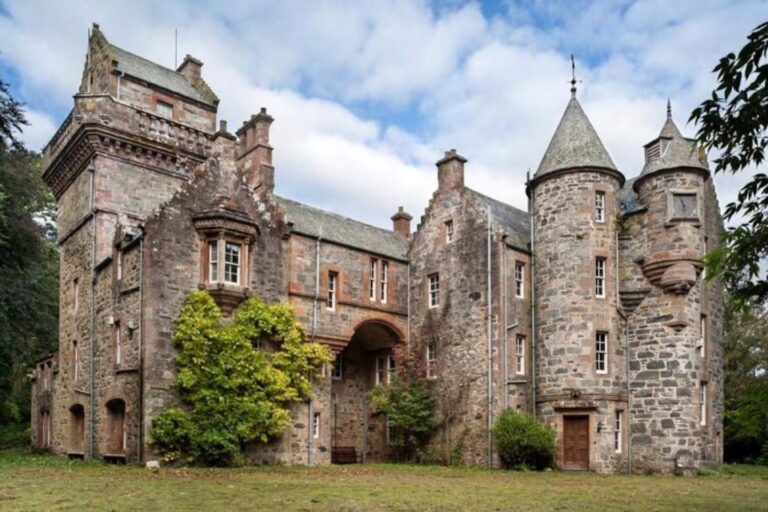
A northwest wing was added in 1883, possibly to a design by Lake Falconer. G. F. M. Ogilvy carried out further renovation in the 1920s. Newton Castle became a Category A listed building in 1971, Scotland’s highest listing category for buildings. Its subterranean vault has a separate listing.
Remains
Tower house and associated features
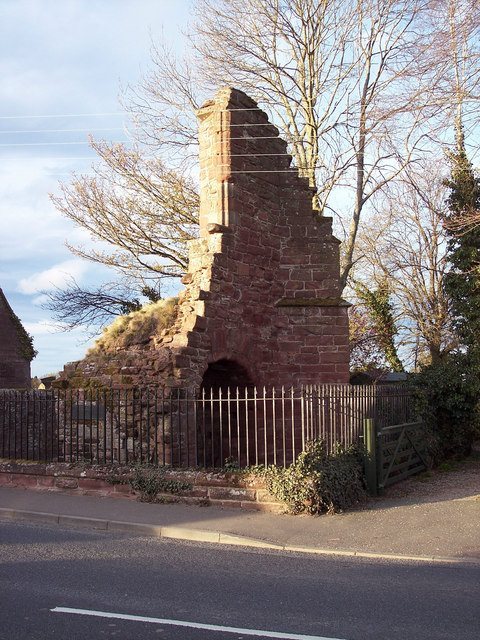
The three-storey tower house has a Z-shaped plan. Its exterior walls are coated with roughcast render, with details in red sandstone, and the roofs are covered in grey slate. The original entrance was on the southeast side, where a projecting stair tower has three small windows. An arrow slit, a narrow opening through which defenders could shoot, lies to the right of the former doorway. A heraldic panel bearing a coat of arms is set above the present southeast entrance. A second stair tower projects from an internal angle of the building, while the northwest wing adjoins the tower house. Dormer windows were probably added around 1820. Beneath the castle is a vault that may be the room discovered in 1911.