Château des Laitiers: An Eighteenth-Century Château and Estate in France
Site at a Glance
- Popularity
- High
- Country
- France
- Primary era
- Early Modern
- Eras represented
- Early Modern, Modern
- Civilizations
- French
- Site type
- Domestic
- Remains
- Castle
On this page8 sections
History
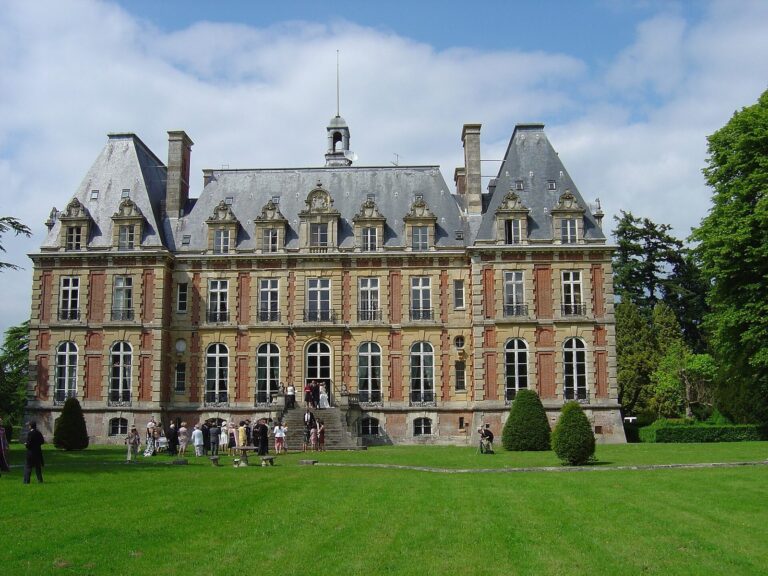
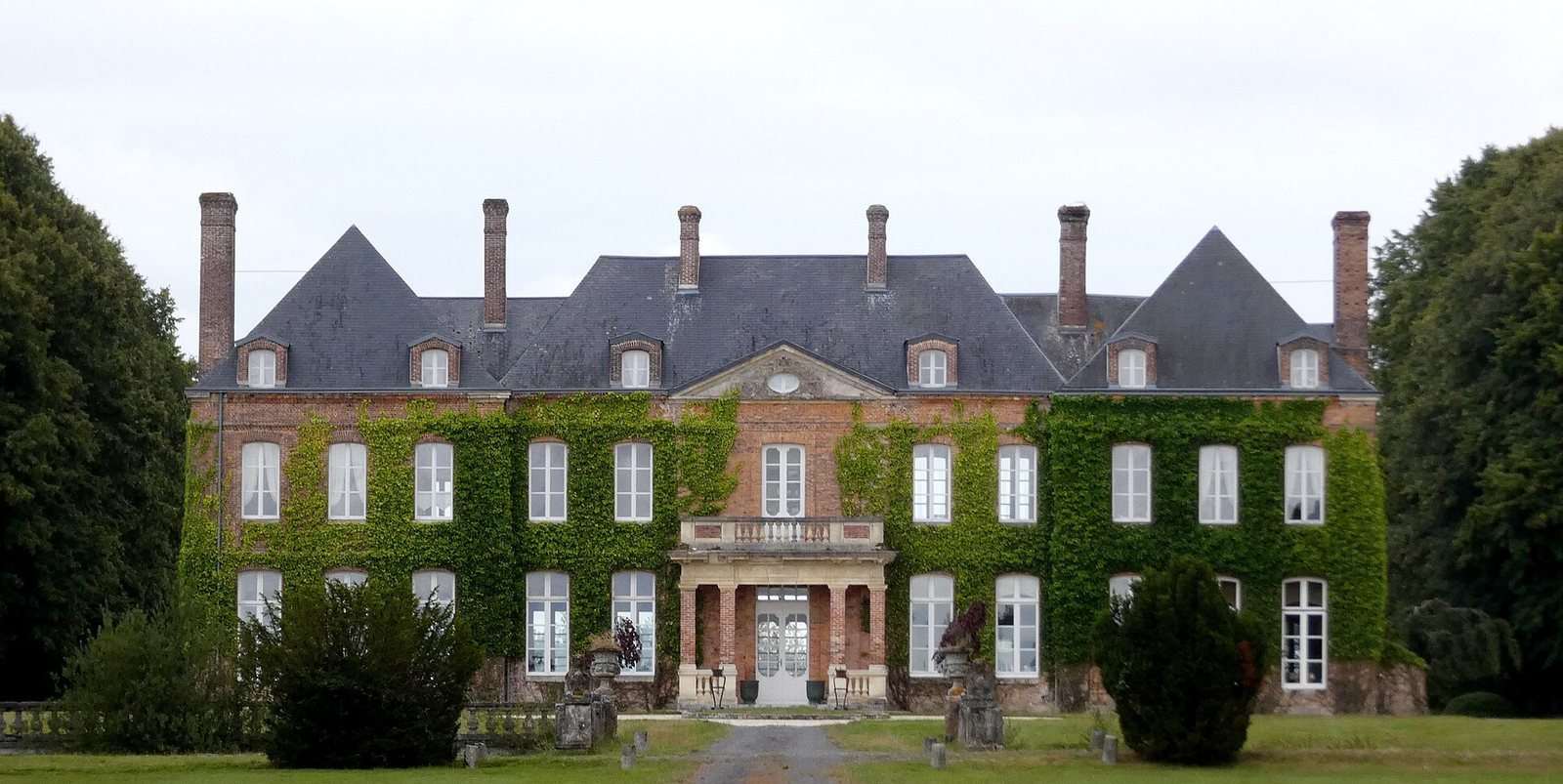
Château des Laitiers is a château and estate built in the first half of the eighteenth century in La Trinité-des-Laitiers, Orne, France.
Nineteenth-century landscape design
In 1843, French landscape architect Louis-Sulpice Varé laid out a park on the estate. The park was redesigned in 1889.
Twentieth-century changes
An extensive hydraulic network was installed on the estate in 1920. On 4 September 1995, an order listed the château’s façades and roofs, the large orangery, the park and its features, the hydraulic system, and the façades and roofs of the outbuildings housing the cistern as historic monuments. Filmmaker Luc Besson acquired the estate in 1998 and established his company, Digital Factory, there.
Remains
The estate brings together a brick château, a landscaped park, garden features, and an extensive water system. It lies about 400 metres southwest of the Church of the Holy Trinity, and its hydraulic network extends into the commune of Cisai-Saint-Aubin.
Château and grounds
The château
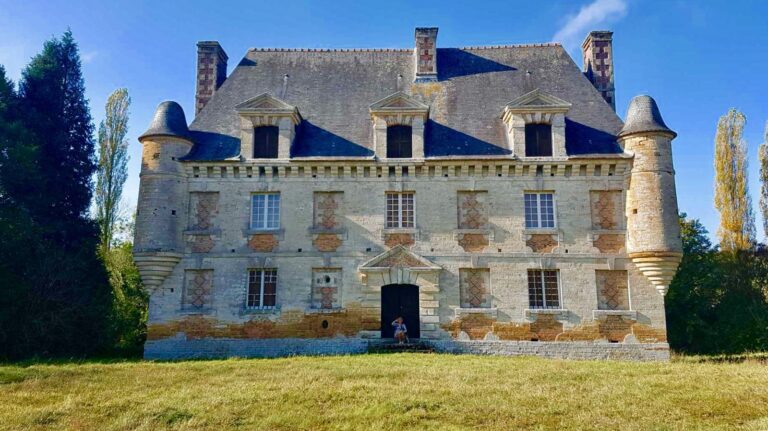
The château is built of brick. Its façades and roof are defining features of the building.
Park and gardens
The English-style park includes an avenue and gate, moats with balustrades, and a pond with its basin. The flower garden has walls, a basin, a greenhouse, and an adjoining orangery. The large orangery is a building type traditionally used to shelter citrus trees and other tender plants.
Hydraulic network
The extensive hydraulic system reaches beyond the estate into Cisai-Saint-Aubin and remains operational. Estate outbuildings house a cistern.