Georgenpalais: An Eighteenth-Century Palace in Hanover
Site at a Glance
- Popularity
- Medium
- Country
- Germany
- Primary era
- Classical
- Eras represented
- Classical
- Civilizations
- Holy Roman Empire
- Site type
- Domestic
- Remains
- Elite Residence
On this page7 sections
History
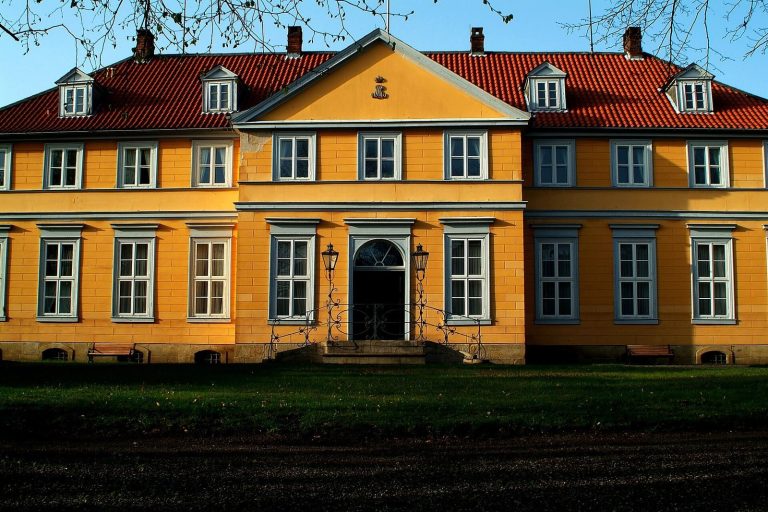
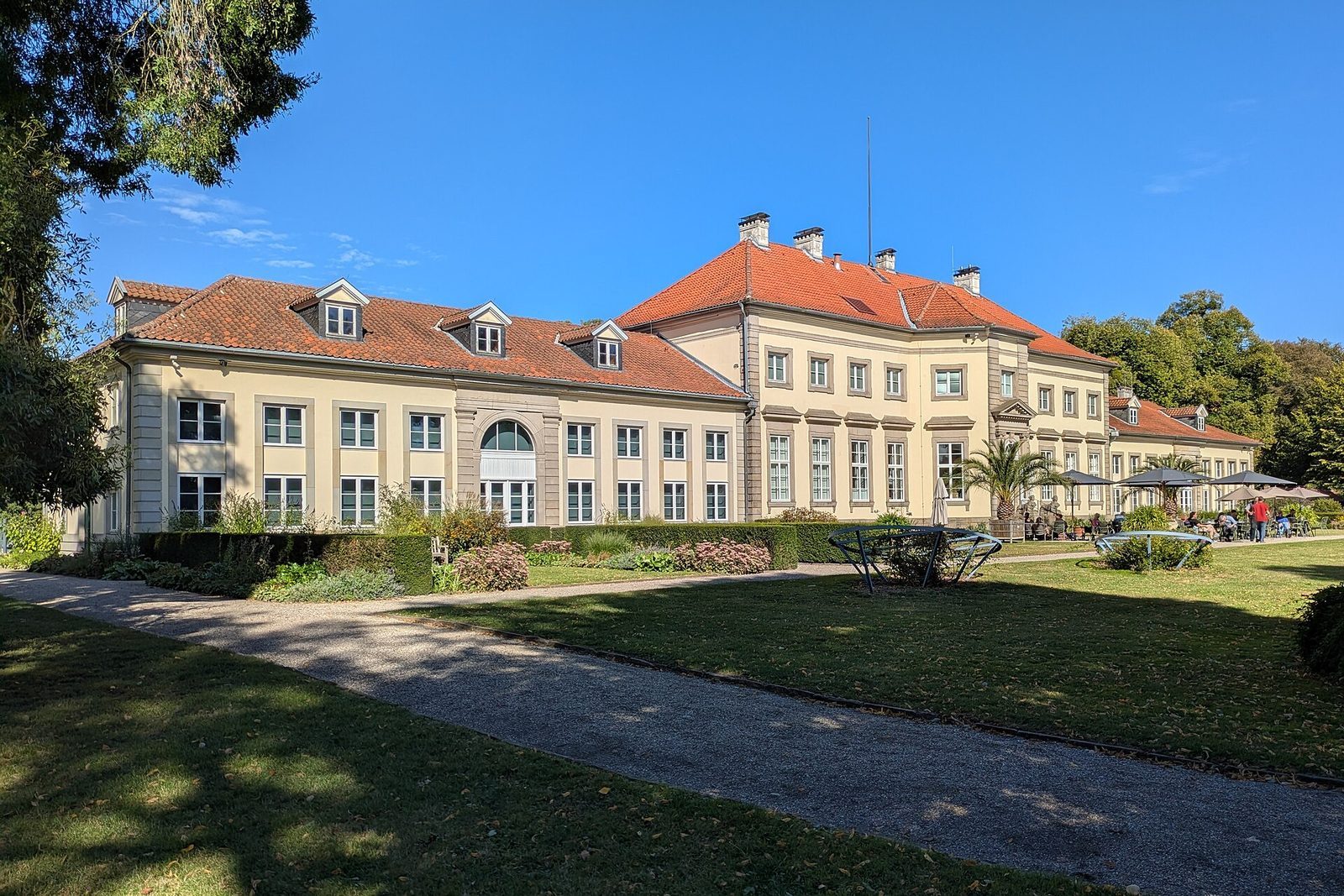
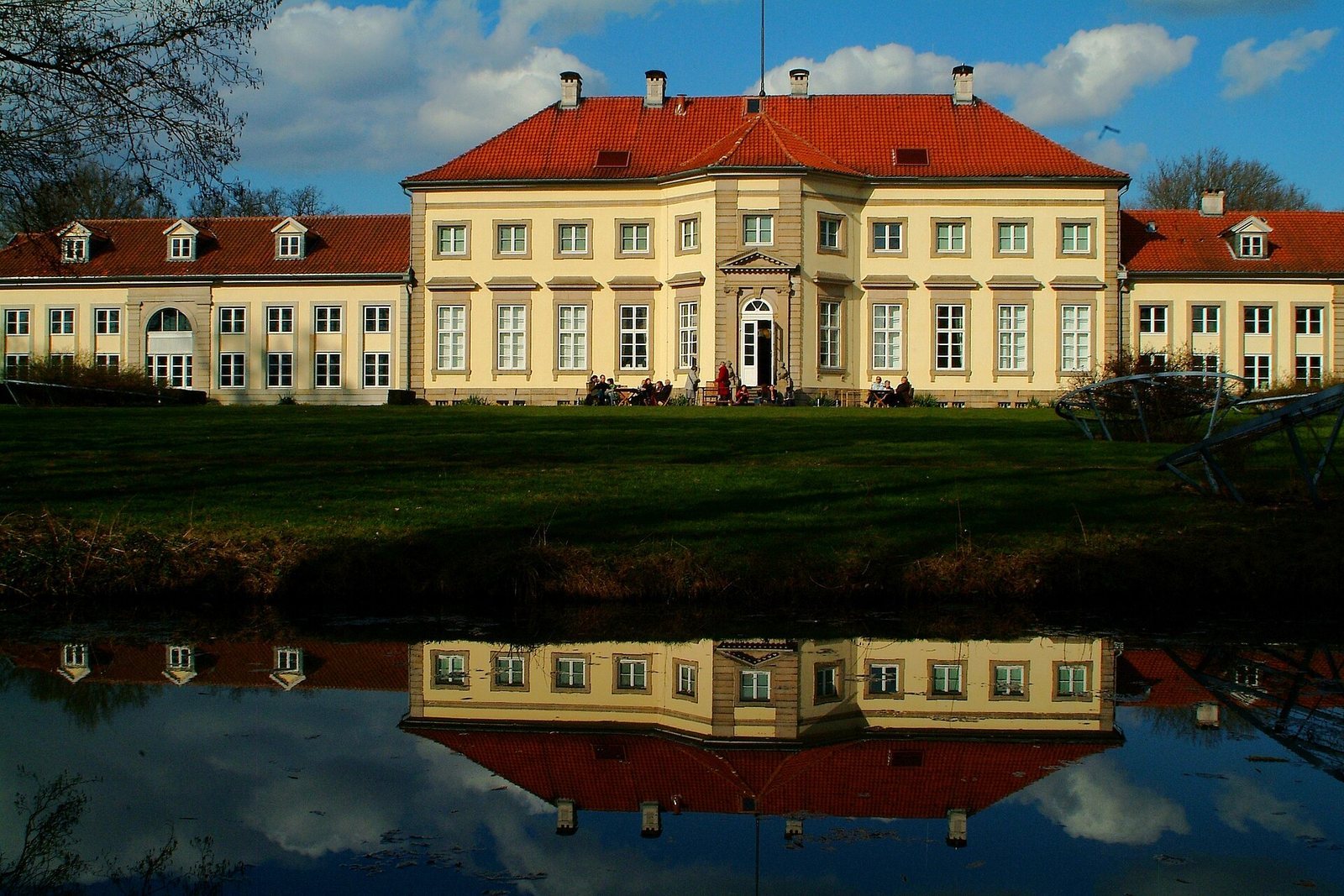
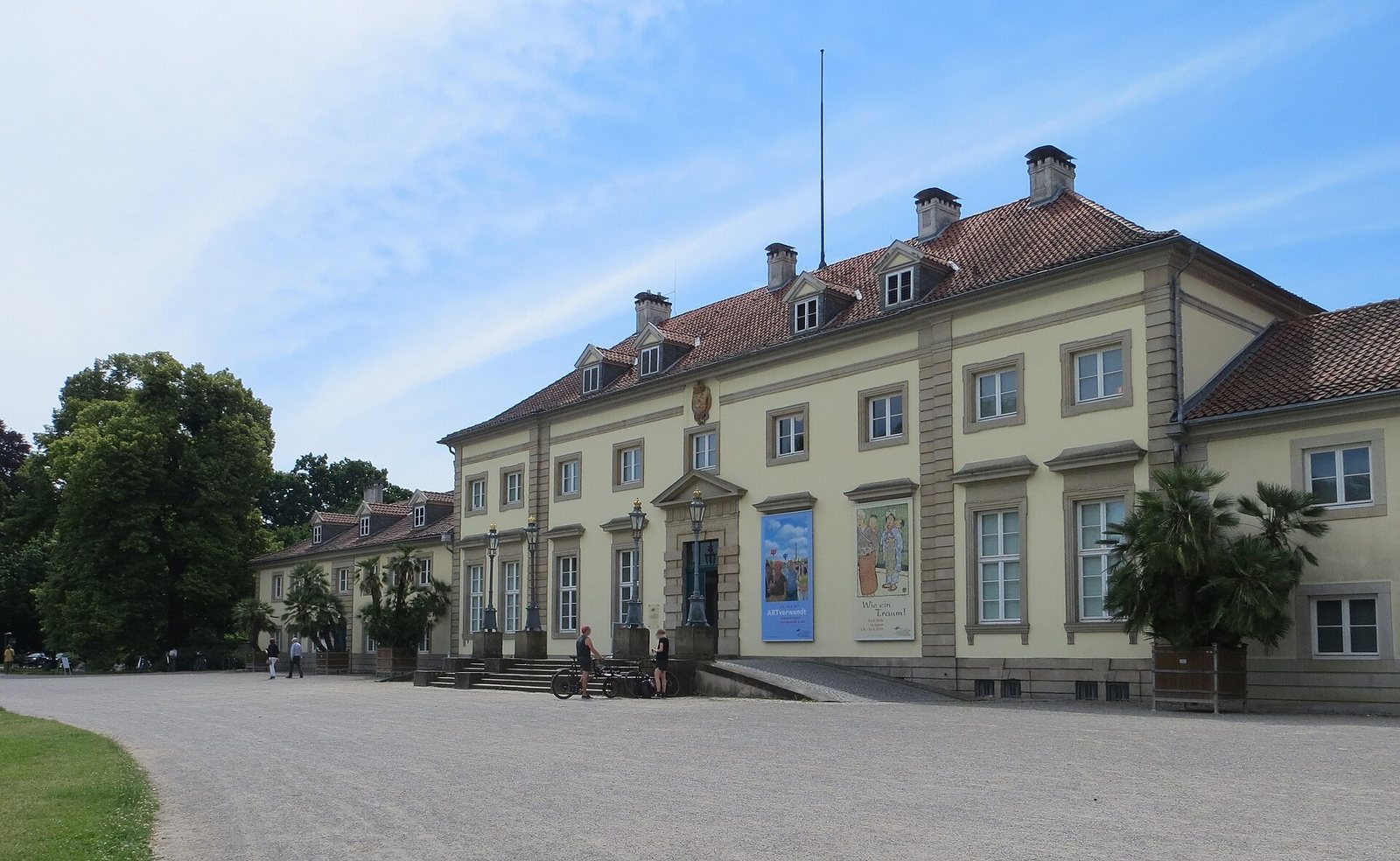
Georgenpalais is an eighteenth-century palace in Georgengarten in Hanover, Germany. Master builder Tänzel constructed it between 1780 and 1782 for Count Johann Ludwig von Wallmoden-Gimborn, a Hanoverian nobleman, military officer, and art collector. First known as Wallmoden Palace or Wallmoden Little Castle, it belonged to the Wallmoden Gardens. Wallmoden’s plans laid the groundwork for today’s Georgengarten.
From private gardens to royal grounds
In 1817, the Wallmoden Gardens and palace were sold to George III, who had become king of Hanover in 1814, to enlarge the royal Herrenhausen Gardens, a historic garden complex in Hanover. The garden took the name Georgengarten in 1818, in honor of the king.
City ownership and museum use
The city of Hanover acquired the garden and palace in 1921. Air raids on Hanover during the Second World War damaged the palace. The Wilhelm Busch Society took it over in 1949, and the building now houses the Wilhelm Busch – German Museum of Caricature and the Art of Drawing, formerly called the Wilhelm Busch Museum. Wilhelm Busch was a German artist and writer known for satirical picture stories and caricatures.
Remains
Georgenpalais stands within Georgengarten. Its physical features include a western side wing and stair landings at the rear of the palace.
Palace features
Western side wing
The western side wing was severely damaged during the Second World War and later rebuilt.
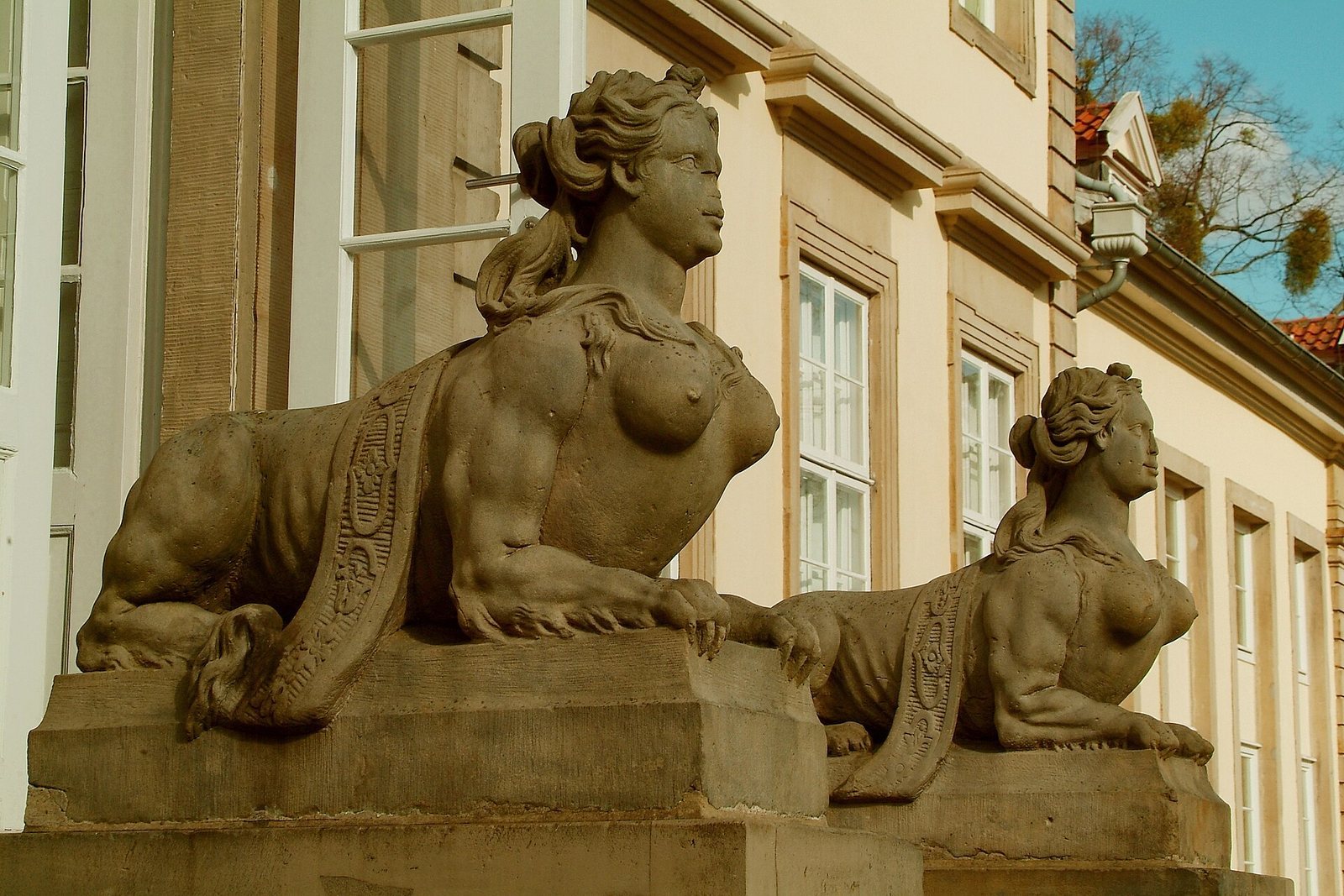
Rear stair landings
Two sandstone sphinxes stand on stair landings at the rear. A sphinx is a mythical creature commonly shown with a human head and a lion’s body.