Castel Pietra in Calliano: A 13th-Century Castle in Italy
Site at a Glance
- Rating
- 4.6
- Popularity
- High
- Country
- Italy
- Primary era
- Medieval
- Eras represented
- Medieval
- Civilizations
- Unclassified
- Site type
- Military
- Remains
- Castle
On this page7 sections
History
Medieval origins and frontier role
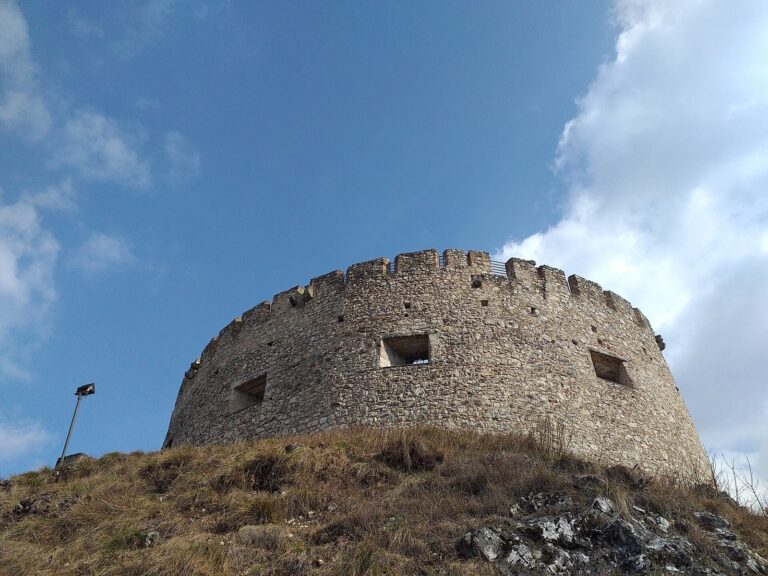
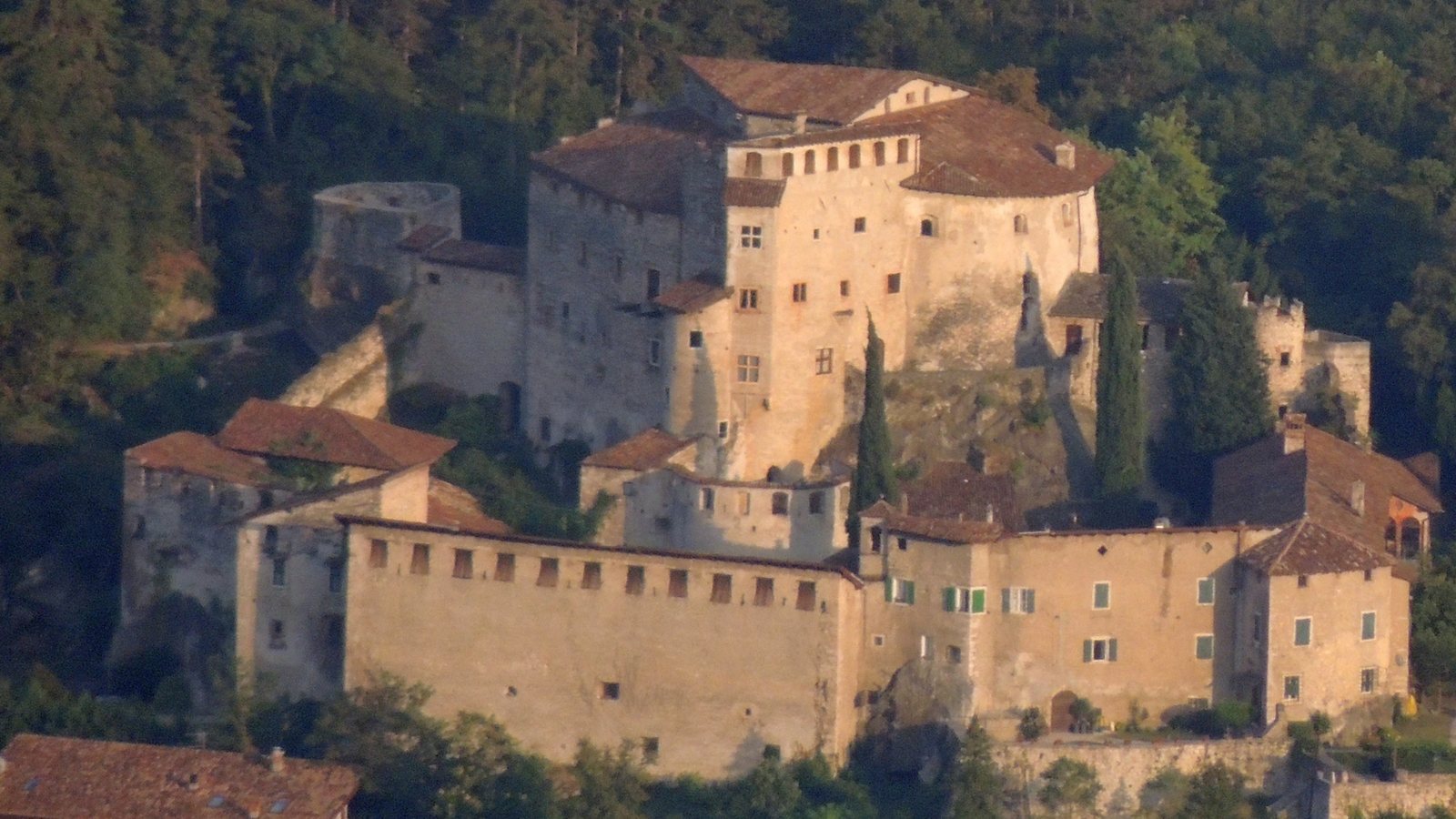
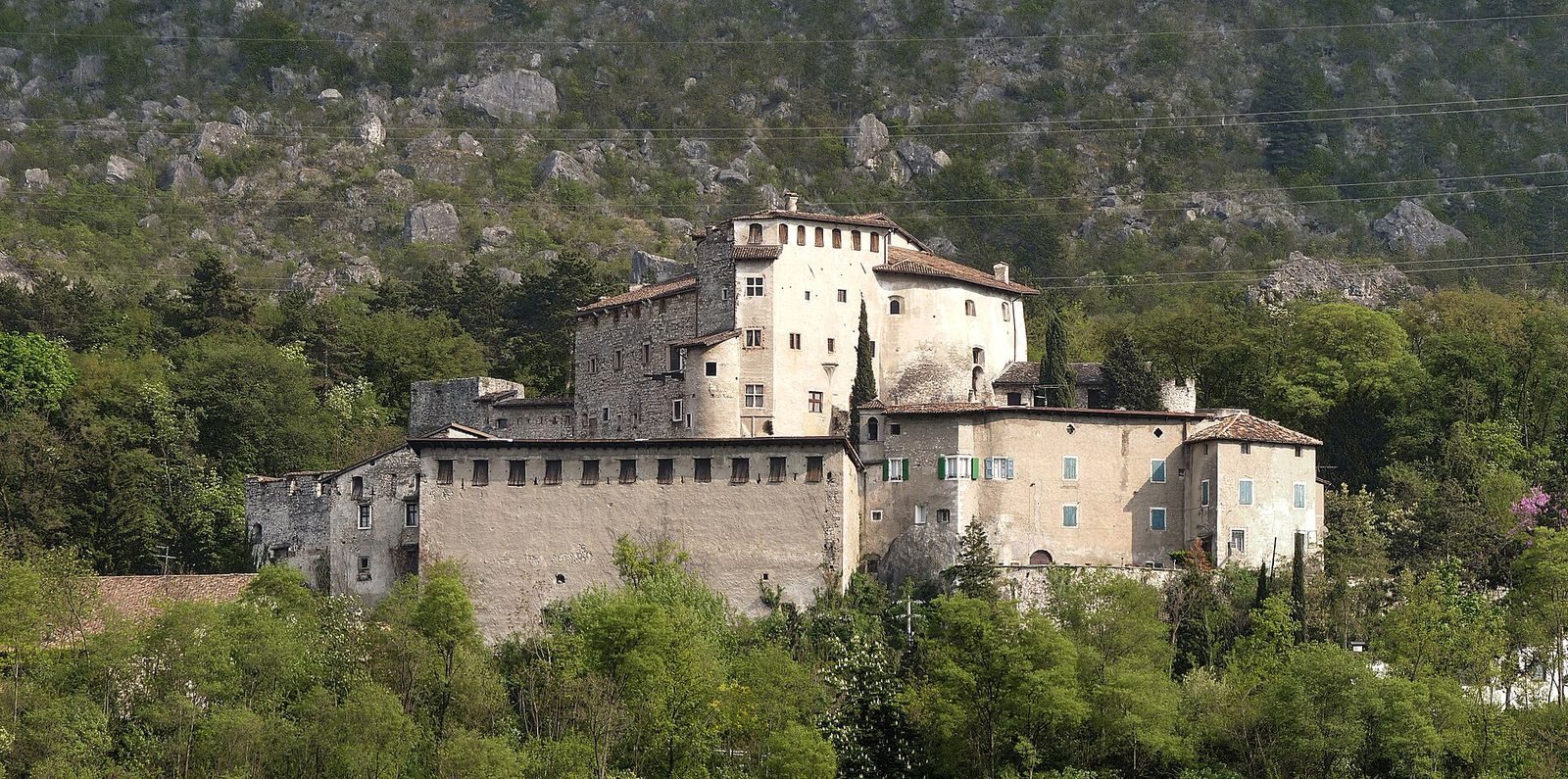
Castel Pietra in Calliano is a 13th-century castle in Italy. It initially depended on Castel Beseno, then held by the Da Beseno, a local noble family. Its rooms are Gothic, a medieval European architectural style, and the Judgment Hall is especially characteristic of it. For a long period, the castle marked a boundary between Italian Tyrolean territories, in the historic Alpine region of Tyrol, and the Prince-Bishopric of Trent. This ecclesiastical principality was ruled by a prince-bishop with both religious and political authority. The boundary later separated the principality from the Republic of Venice, an independent state governed from Venice.
Venetian campaigns and later use
In the 15th and 16th centuries, Venetian attempts to advance north were stopped by the forces of the Prince-Bishopric and Austria in major field battles fought near the castle. Castel Pietra was later restored with financial support from the Autonomous Province of Trento, the self-governing provincial administration of Trentino. It is now privately owned and inhabited.
Remains
The castle and its interiors
Rock setting
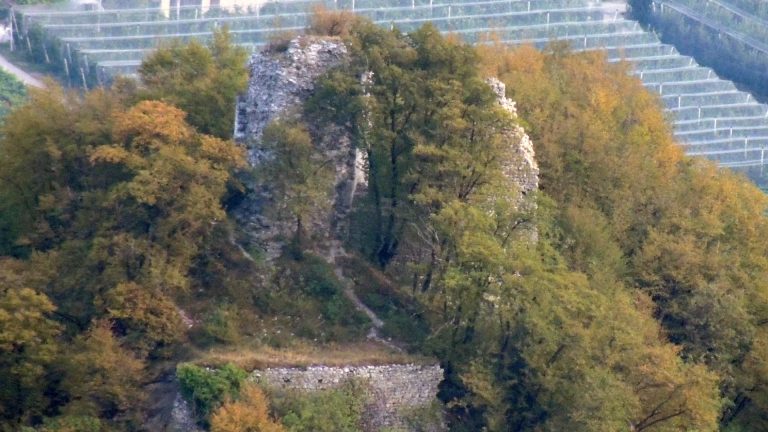
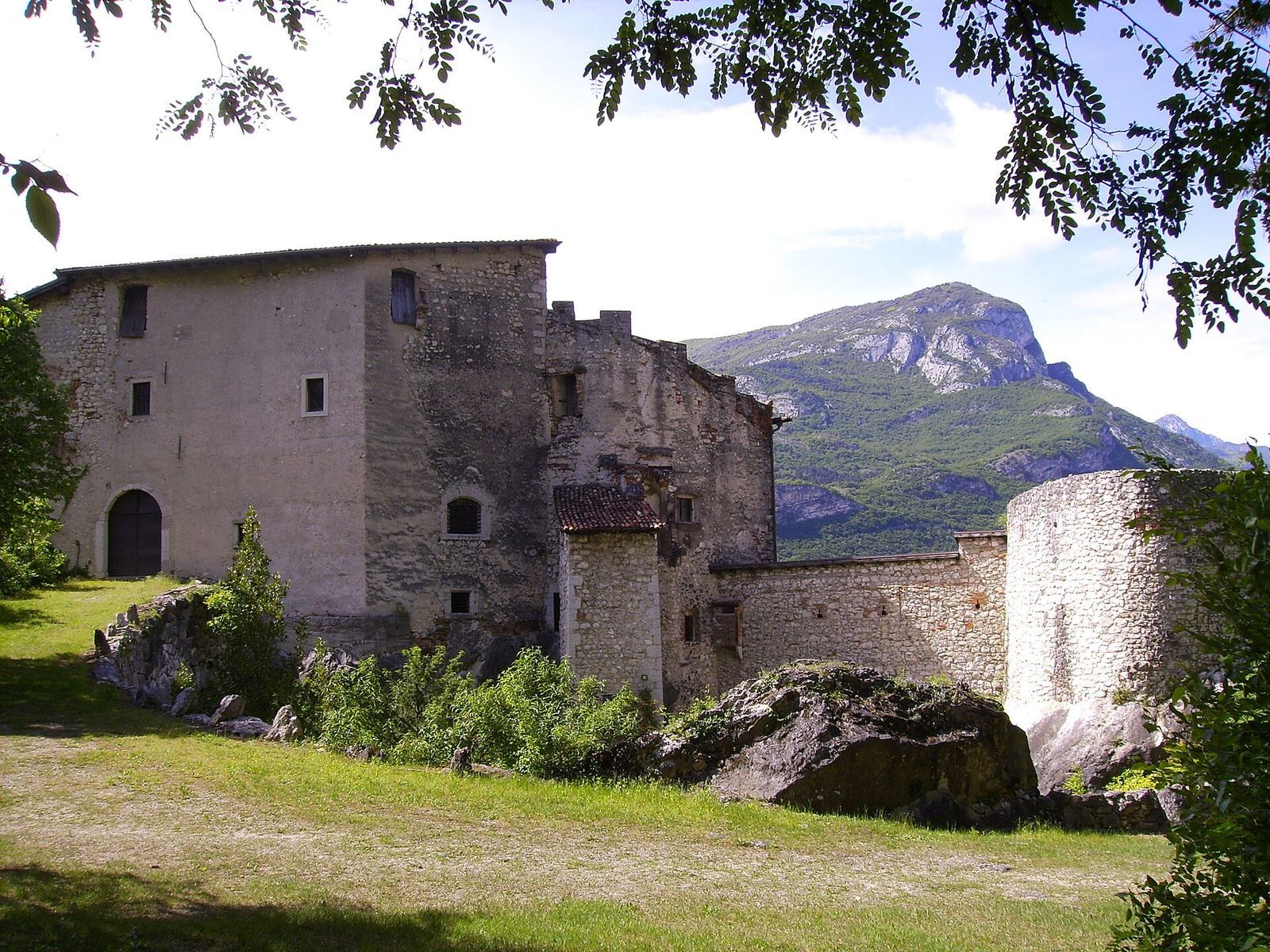
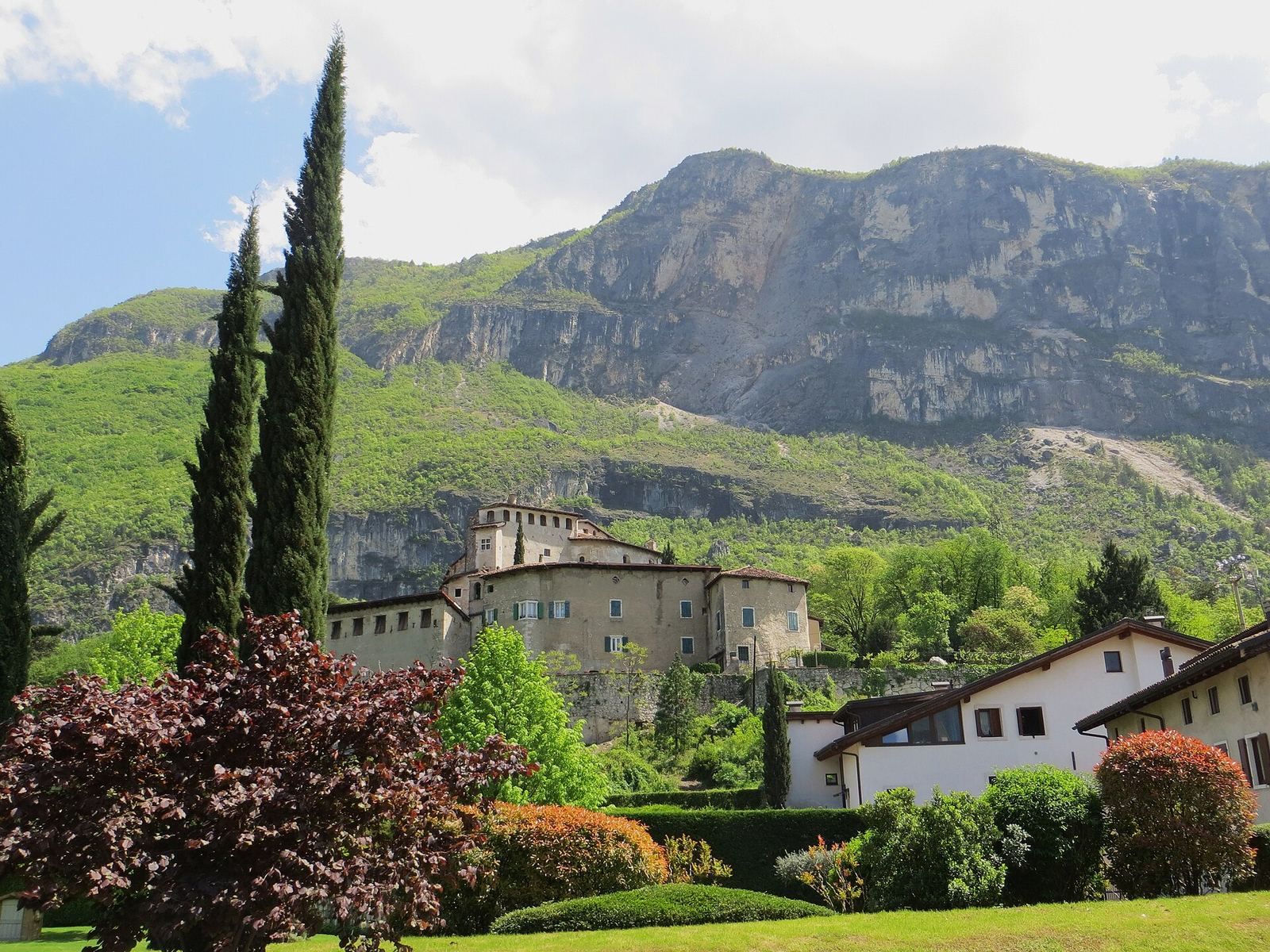
The castle stands at the foot of the slope of Castel Beseno hill, built on a huge boulder that broke away from Cengio Rosso. Its name derives from this rock, which forms the base of the structure.
Judgment Hall
The Judgment Hall has windows of a distinctive Guelph-style form and frescoes dating to the 15th century.