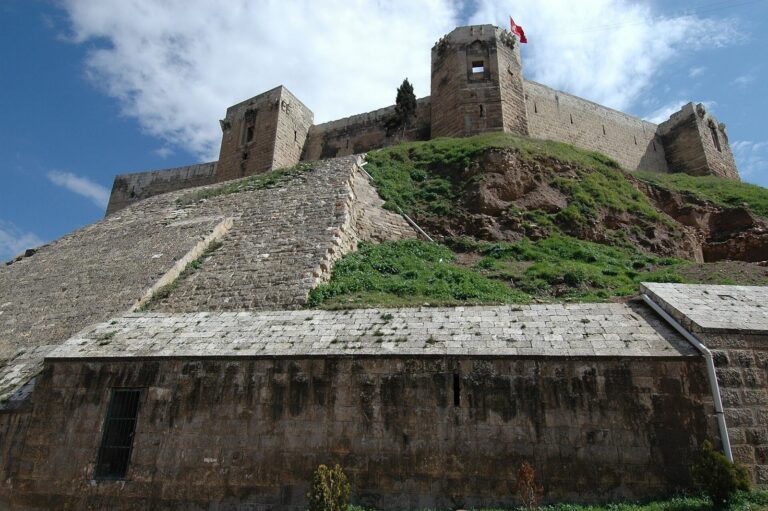
Zeugma: An Ancient City and Roman Frontier Center in Turkey
Site at a Glance
- Popularity
- Very High
- Country
- Turkey
- Primary era
- Classical
- Eras represented
- Iron Age, Classical
- Civilizations
- Hittite, Roman, Seleucid
- Site type
- Settlement
- Remains
- City
On this page12 sections
History
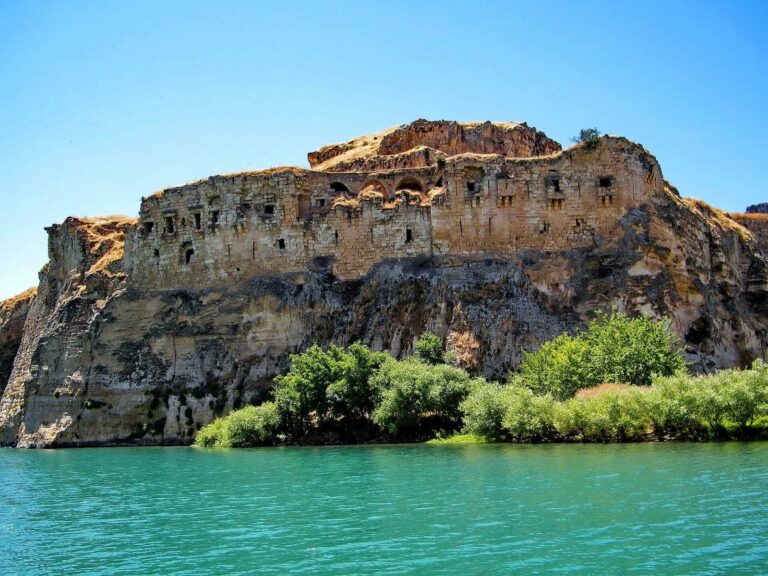
Zeugma was an ancient city on both banks of the Euphrates in present-day Turkey. Seleucus I Nicator founded a new city there around 300 BC, during the Hellenistic period that followed Alexander’s conquests and spread Greek culture through the eastern Mediterranean and Near East. Zeugma later became an important commercial and administrative center, and a Roman city on the empire’s eastern frontier.
Early settlement and Hellenistic foundation
People had settled in the area by at least the third millennium BC. Communities associated with Mitanni, a Bronze Age kingdom in northern Mesopotamia, Late Hittite successor states in Anatolia and northern Syria, and the Late Assyrian kingdom occupied the site in later periods. It lay beside routes used by trading caravans and armies crossing the Euphrates.
Seleucus founded the western town, Seleucia on the Euphrates, and the eastern town, Apamea, named for his wife, Apama. Together, the settlements covered about 20,000 dönüm, a Turkish unit of land area. The name Zeugma, meaning “bridge” or “crossing,” came to refer to the paired towns from the first century BC.
Commagene and Roman rule
Rome took control of Zeugma in 64 BC. In 63 BC, the Roman general Pompey assigned it to the Kingdom of Commagene, a realm in southeastern Anatolia that stood between Roman territory and lands to the east. Zeugma became one of the kingdom’s four largest cities, with a population of about 70,000.
After Commagene’s king died in AD 17, the kingdom came under direct Roman rule. Zeugma developed as a center of military affairs and commerce on the eastern frontier. The Tenth Legion, Fretensis, a major Roman military unit, was stationed there in AD 18. After it left to suppress Jewish revolts, the Fourth Legion, Scythica, took up station in AD 66. The city expanded beyond its earlier Hellenistic limits.
Zeugma also hosted diplomacy between Roman and Parthian leaders. One meeting took place on an island in the Euphrates between Gaius Caesar, Augustus’s grandson and adopted heir, and the Parthian king Phraates V. The Roman poet Statius called Zeugma Rome’s “road of peace” in his Silvae.
Imperial transformation and abandonment
During the campaigns of Emperor Septimius Severus, Rome’s eastern frontier shifted from the Euphrates to the Tigris, and Zeugma no longer served as a frontier outpost. By the third century AD, it had become one of the Roman Empire’s most splendid cities. In AD 253, the Sasanian king Shapur I attacked, sacked, and burned it. Zeugma was rebuilt, but a later earthquake caused a collapse at Belkis hill that buried the city center. The fallen material sealed houses and their contents until excavations in 1999 and 2000.
In late antiquity, Zeugma was a diocese, an ecclesiastical district under a bishop. The city seems to have been abandoned in the seventh century amid raids by the Persian Sasanian Empire and later Arab forces. Arab communities lived there temporarily during the Middle Ages. By the seventeenth century, an Ottoman village called Belkis had been established near the ruins.
Identification and archaeological investigation
Richard Pococke, an English traveler, located and published remains at the site in 1738. In 1917, F. Cumont proposed that they belonged to Zeugma. In the 1970s, archaeologist Jörg Wagner found roof tiles stamped with the name of the Fourth Legion, Scythica, and the identification of the ruins as Zeugma became generally accepted.
Looting, encouraged by foreign antiquities traffickers, contributed to the removal of objects from the area. In 1987, a joint excavation by the Gaziantep and Malatya museums investigated two tomb chambers left partly open by looters and recovered funerary sculpture. A survey in 1989 identified archaeological settlements threatened by planned dams. The discovery of a mosaic with a human figure in 1992 prompted rescue excavations, which expanded over the following years and brought teams from several countries to the site.
As water from the Birecik Dam threatened Zeugma in 2000, emergency excavations intensified. President Sezer delayed inundation for ten days, allowing the work to continue. About 60 archaeologists, 200 workers, and three excavating machines took part. Excavations from June to October recovered 45 mosaics, 22 intact, before rising water reached the site on 4 October and brought the work to an end. Mosaic restoration continued through 2004, and later excavations proceeded under the scientific direction of Kutalmış Görkay of Ankara University. Zeugma has been on UNESCO’s World Heritage tentative list since 2012.
Remains
Urban layout
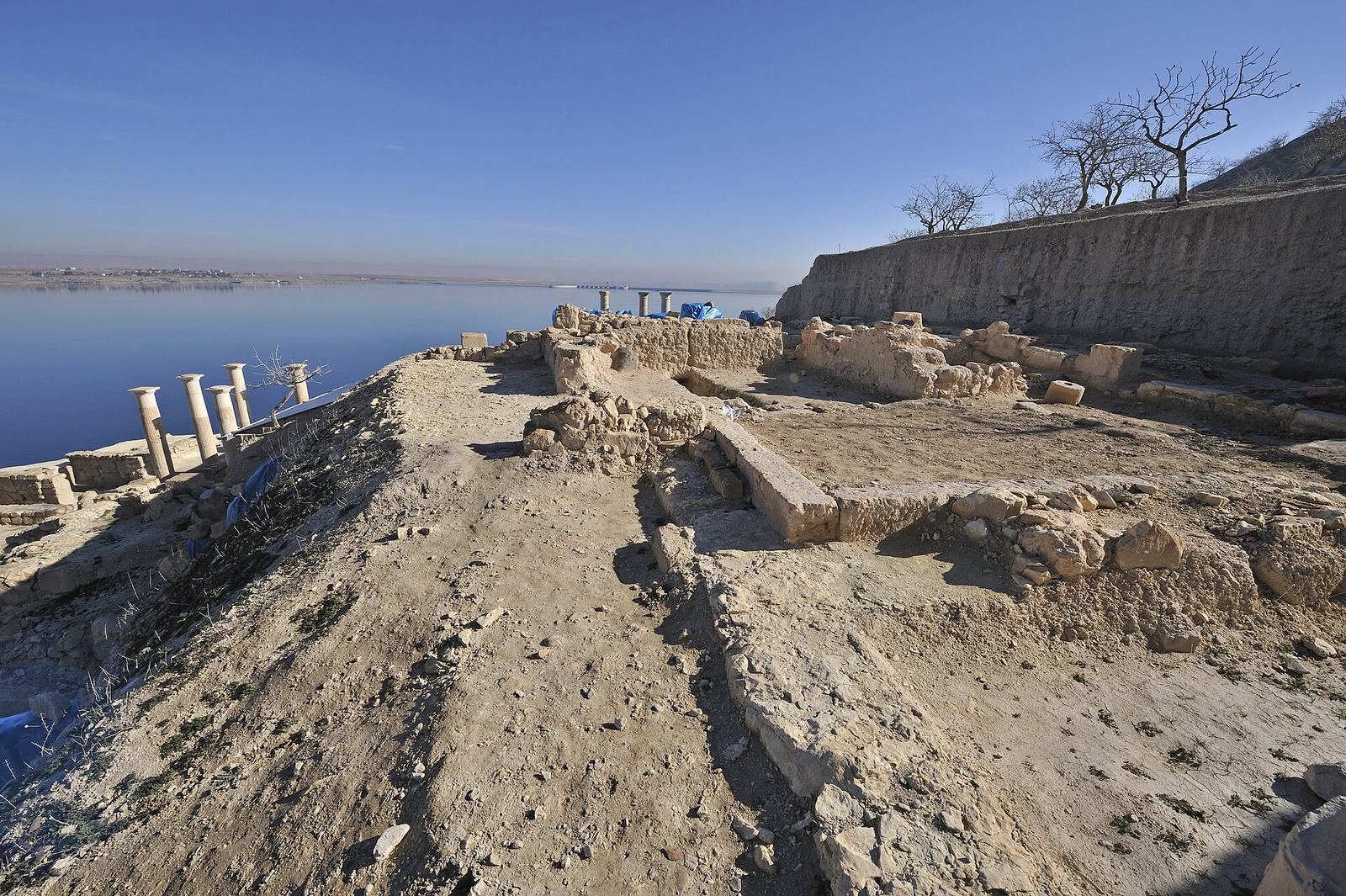
The ancient city spread across both banks of the Euphrates, with a bridge linking its western and eastern settlements. Its remains extend from the riverbanks toward the surrounding hills, and part of the site is now submerged by the Birecik Dam. Closely spaced houses climbed the slopes from the river toward higher ground. Hellenistic and Roman city walls, the two agoras, or public marketplaces and civic spaces, and burial grounds to the east, south, and west reflect the city’s different areas and periods of occupation.
Sanctuaries and public buildings
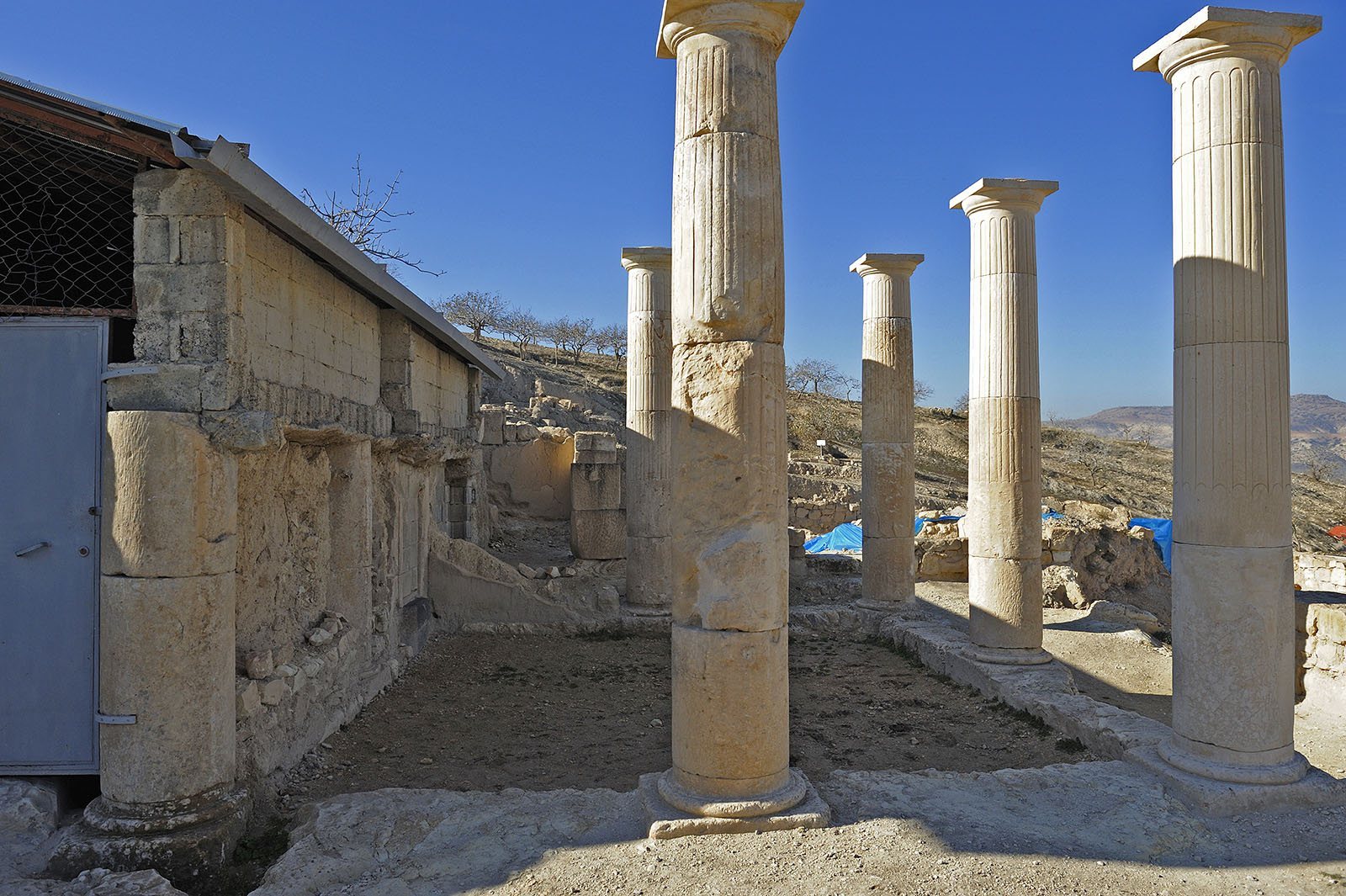
Belkis Tepe, the settlement’s highest hill, was associated with a Late Hittite sanctuary from the late second millennium BC. The site also includes an acropolis, the elevated central area of an ancient city, and a temple of Tyche. Two integrated temples from the Commagene period contained places of worship reflecting both Hellenistic religion and beliefs associated with the kingdom. Other identified public remains include a stadium, a theatre, two bathhouses, a Roman legionary base, and administrative buildings.
Residential quarters and infrastructure
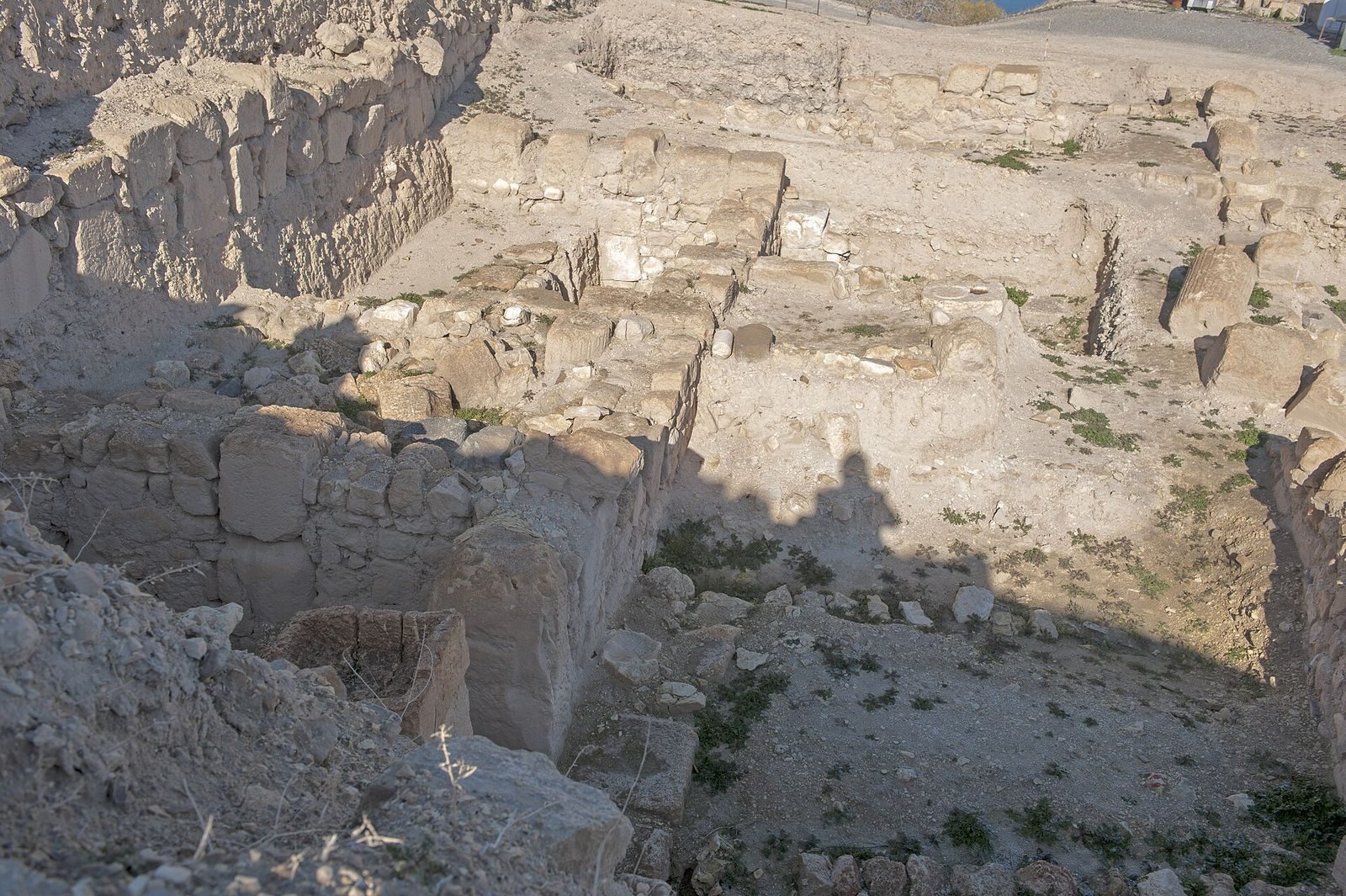
Excavated residential areas include the Villa of Dionysus and other Roman houses and villas, whose floors were decorated with mosaics and whose walls bore frescoes. Mosaics recovered from house floors cover about 2,500 square metres in total. An excavated sewer network carried wastewater and rainwater to the river. Archaeologists also uncovered an archive building.
Mosaics and other finds
Mosaics
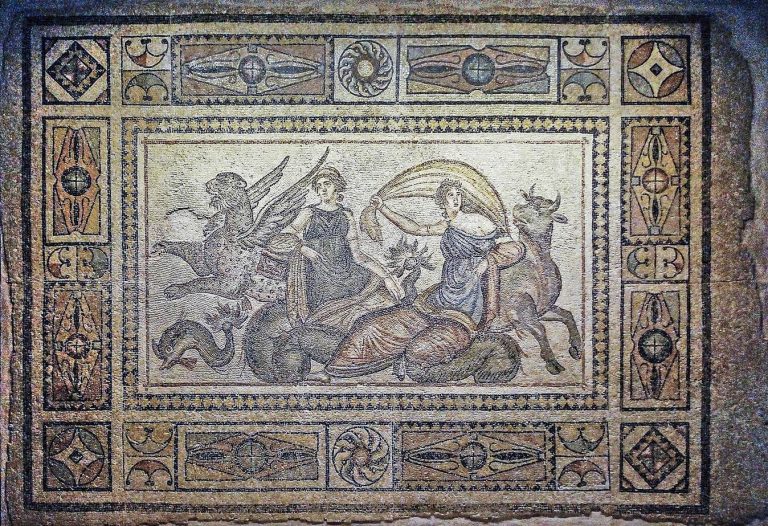
Among the mosaics recovered at Zeugma are the Gypsy Girl, Dionysus’s Knot, Oceanus and Tethys, and Aktatos panels, as well as surviving portions of the Metiochus and Parthenope mosaic. The Villa of Dionysus yielded several of these works, including Dionysus’s Knot; portions of Metiochus and Parthenope had been taken to the United States in the 1960s. Three large glass mosaics were found in 2014, one showing the nine Muses, figures from Greek tradition associated with the arts and learning. The Gypsy Girl and other Zeugma mosaics are displayed at the Zeugma Mosaic Museum. Some mosaics found in nineteenth-century investigations are now in museums in Berlin and St Petersburg.
Seals, military marks, and funerary finds
Finds from the site include about 100,000 bullae, impressions used to seal or authenticate objects or documents, and roof tiles stamped with the name of the Fourth Legion, Scythica. Other recovered objects include a bronze statue of Ares, sarcophagi, carved grave markers, and funerary sculpture.