Ittendorf Castle: A Medieval Stronghold and Administrative Palace
Site at a Glance
- Rating
- 5
- Popularity
- Very Low
- Country
- Germany
- Primary era
- Early Modern
- Eras represented
- Medieval, Early Modern
- Civilizations
- Holy Roman Empire
- Site type
- Civic
- Remains
- Palace
On this page5 sections
History
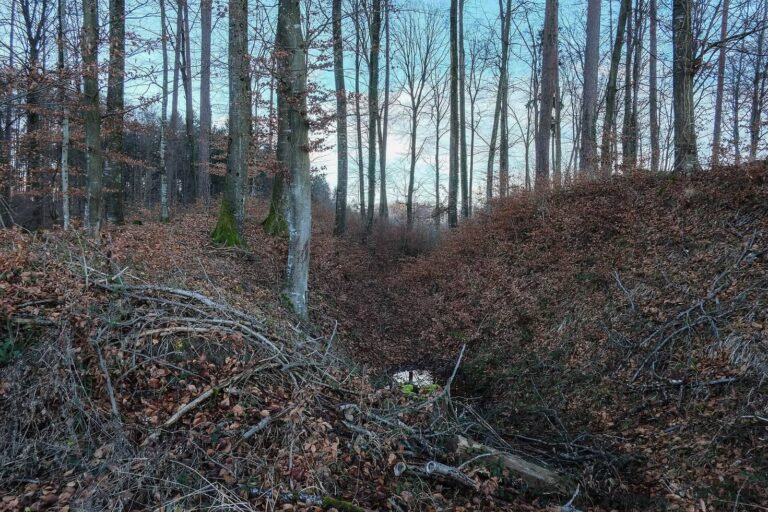
Ittendorf Castle (Schloss Ittendorf) stands in Ittendorf, a district of Markdorf in Baden-Württemberg, Germany. Its origins lie in a hilltop castle probably built in the thirteenth century by the Schenken von Schmalegg, a Swabian noble family associated with the Welf and Hohenstaufen dynasties, major German ruling houses. The family belonged to a service elite that performed administrative or military duties for lords; the title Schenk was associated with the court office of cupbearer. A record places the castle around 1260.
Medieval lordship and destruction
In 1302, a formal sale brought the castle and the village of Ittendorf under the feudal control of Salem Abbey, a Cistercian monastery. The castle was destroyed in 1524 during the German Peasants’ War, a major uprising in German-speaking lands that lasted from 1524 to 1525.
Abbey palace
Einsiedeln Abbey, a Benedictine monastery, built a later palace in the seventeenth century. Between 1671 and 1677, the building was enlarged to serve as the administrative residence of a governor. After secularization, the transfer of church property and authority into secular control, the estate passed into private ownership.
Farmers’ school and private ownership
After an extended renovation and several association mergers, the Association of the Baden Farmers’ School was founded at the castle on 22 November 1931 under Lambert Schill, a leader in agricultural associations. The school was inaugurated in the presence of Andreas Hermes, a government minister during the Weimar Republic. It was forcibly dissolved in 1933 and re-established after the Second World War in Schwerzen.
In 1959, the property passed to Wolfgang Julius Emil Böttger. Since 2015, it has belonged to his daughter-in-law, Tanja Jasmin Y Böttger.
Remains
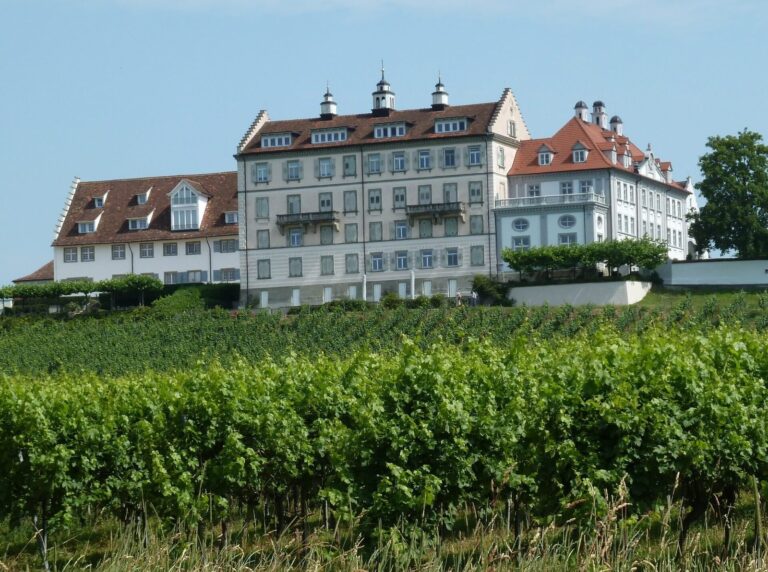
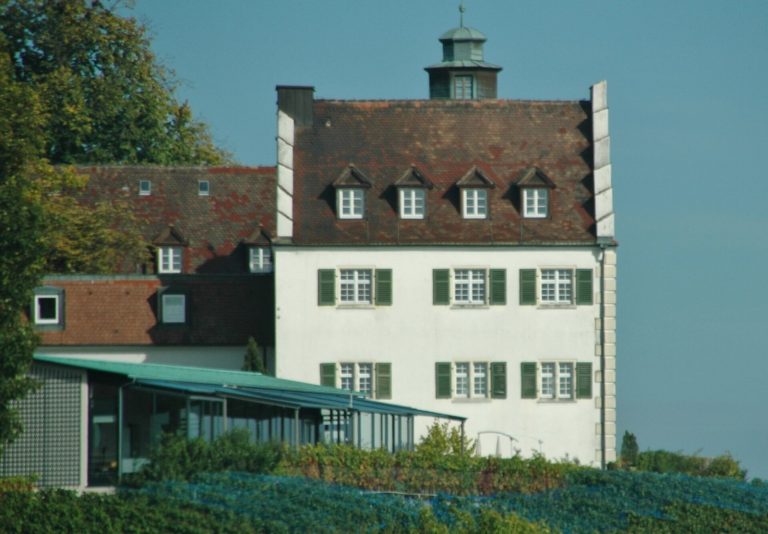
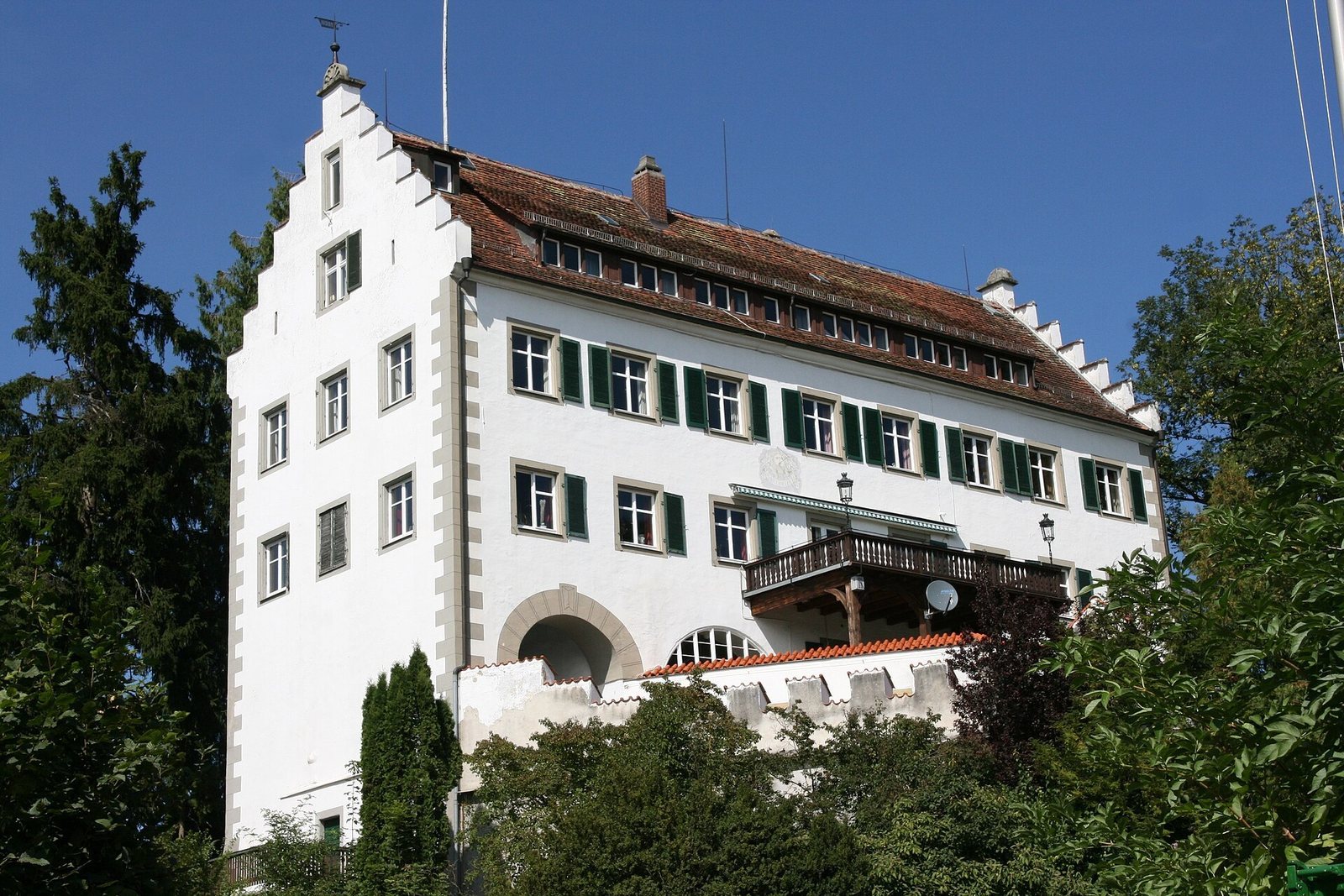
The site occupies a rise about 440 metres above sea level. Its three-storey palace stands on the former castle site and is enclosed by a medieval ring wall. The building has a stepped gable, whose sloping edges rise in a series of steps. Schloss Ittendorf and St Martin’s Church are regarded as landmarks of Ittendorf.