Julita Abbey: A Cistercian Monastery in Sweden
Site at a Glance
- Popularity
- Medium
- Country
- Sweden
- Primary era
- Medieval
- Eras represented
- Medieval
- Civilizations
- Swedish
- Site type
- Religious
- Remains
- Monastery
On this page8 sections
History
Foundation and move to Säby
Julita Abbey was a Cistercian monastery in Julita, Sweden, founded in 1160 at Viby near Sigtuna in Uppland. The Cistercians were a Catholic monastic order. Julita was a daughter house, a monastery established from a parent abbey, of Alvastra and belonged to the institutional lineage of Clairvaux, one of the order’s principal abbeys. Its church jurisdiction was the diocese of Strängnäs, a territory overseen by a bishop.
The first gift was Viby farm, donated by Doter after Archbishop Stefan of Uppsala mediated an inheritance dispute between her and her son, Gere. Stefan also granted the monks land and revenues. In 1180, the community moved from Viby to Säby, beside Lake Öljaren in Julita. The move was linked to the patronage of King Knut Eriksson, who gave the abbey land and a share of fishing rights at Älvkarleby. The monastery was also called Säby, or Saba in Latin. Säby farm probably existed before the Viking Age.
Growth and dissolution
Gifts and legal charters helped the abbey build wealth and influence. It eventually held about 80 farms, mostly in Södermanland, and became a burial place for several noble families. King Erik Knutsson and other members of aristocratic and royal circles also made substantial donations. The abbey church was rebuilt in 1382.
In 1526, the abbey was dissolved during Sweden’s Protestant Reformation, as King Gustav Vasa’s Crown reclaimed church property. In 1527, Gustav granted the estate to Olof Arvidsson, a bailiff, or local administrative official, in Nyköping. Most monastic buildings were demolished, and the former abbey lands became a secular estate.
The estate and its records
Later owners included Paul Khevenhüller, his son-in-law and diplomat Matthias Palbitzki, and members of the Lewenhaupt family. In 1944, the Nordic Museum acquired the estate under the will of its last private owner, Arthur Bäckström, who had died in 1941.
Julita’s records include nine original documents that form a major collection of Swedish twelfth-century legal charters. The oldest Swedish manuscript is dated to 1164-1167, and about 200 further manuscripts concerning the abbey are held in the Swedish National Archives. Danish historian Edward Ortved made the first attempt to write the monastery’s history in 1933. In 1945, the Nordic Museum commissioned Per G. Stensland to investigate the abbey’s succession policy. A 2016 work on medieval Sweden also addressed Julita, and study of its documents became a research focus in the 2010s.
Remains
Monastic precinct
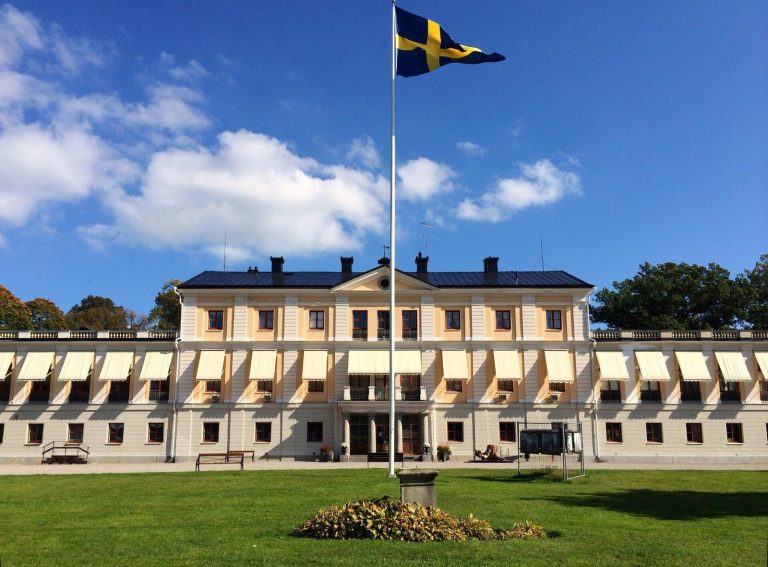
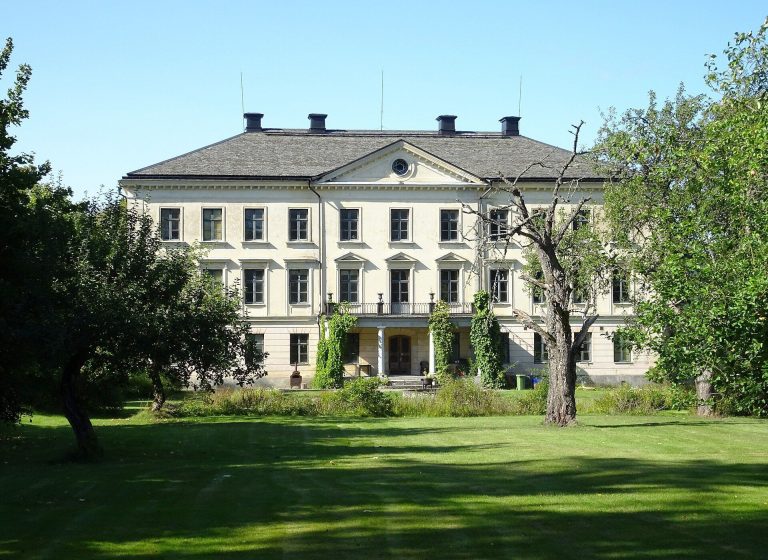
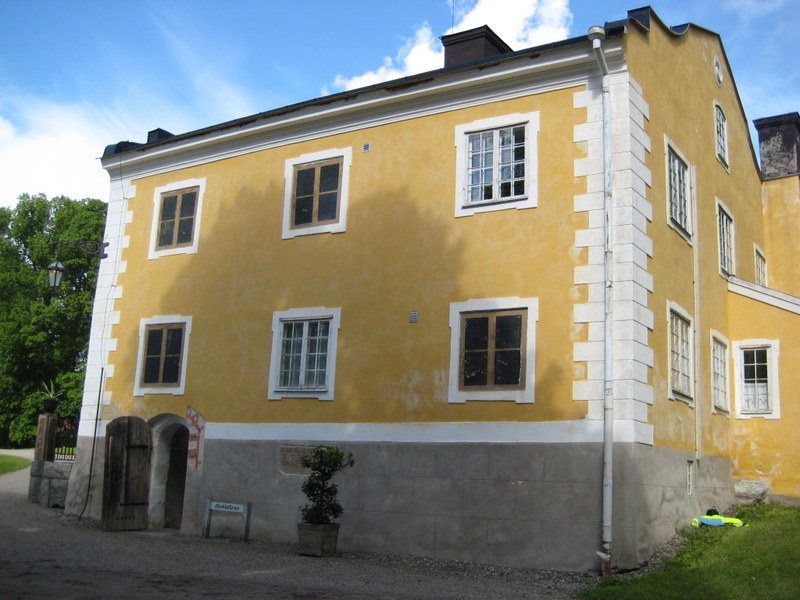
The abbey’s principal buildings stood south of the manor house at Julita Gård, built around 1670. Excavations have revealed the full extent of the monastic buildings. The church lay partly beneath the manor’s south wing, while surviving fragments are incorporated into the manor and nearby structures.
Church and lay-brothers’ building
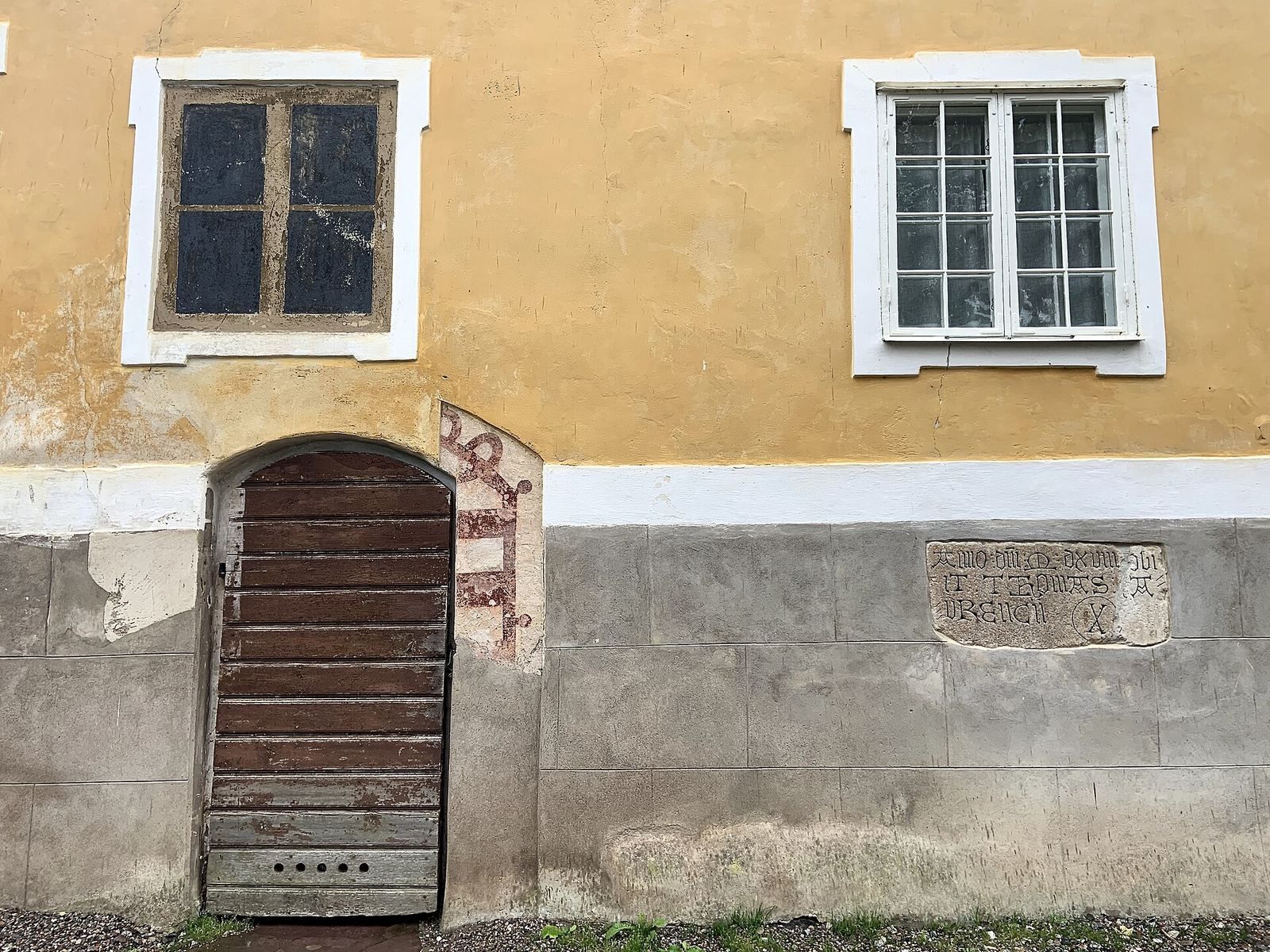
The western end of the building used by lay brothers, members of the community who generally undertook manual work, survives within the present manor house. The abbey church’s position partly beneath the manor’s south wing relates the medieval complex to the later estate buildings.
Basement fragment and outlying building
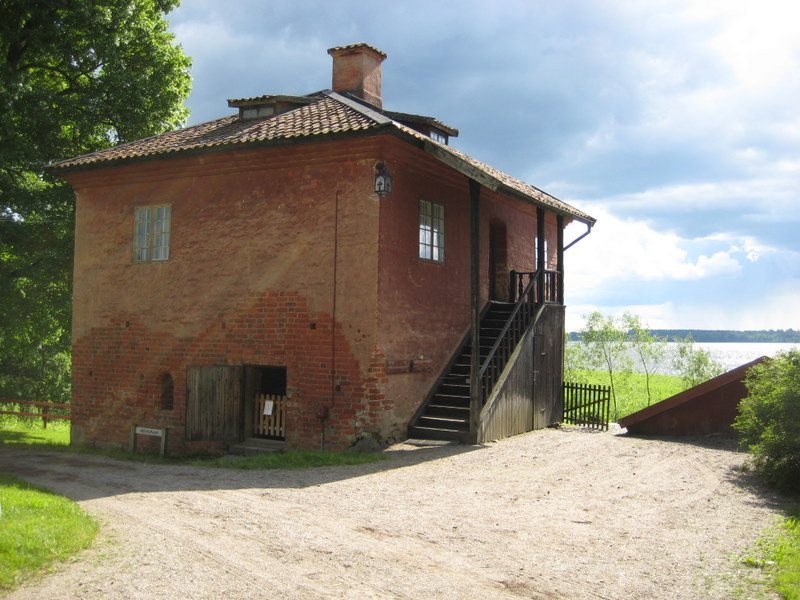
A small part of the abbey survives in the basement of one manor wing. Another small surviving building originally stood outside the cloister, the covered walkway around a monastery’s central courtyard. These fragments, together with the remains incorporated into the manor, are the abbey buildings visible today.