Palazzo dei Diavoli: A Medieval Residence near Siena
Site at a Glance
- Popularity
- Medium
- Country
- Italy
- Primary era
- Modern
- Eras represented
- Medieval, Modern
- Civilizations
- Republic of Siena
- Site type
- Domestic
- Remains
- Castle
On this page6 sections
History
From medieval house to later residence
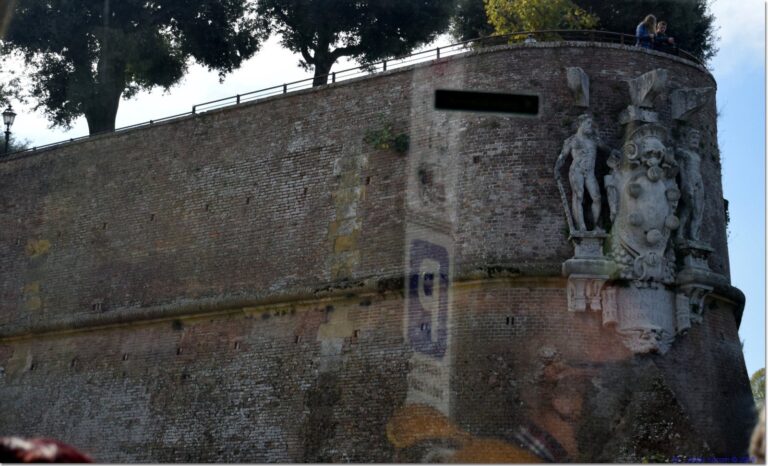
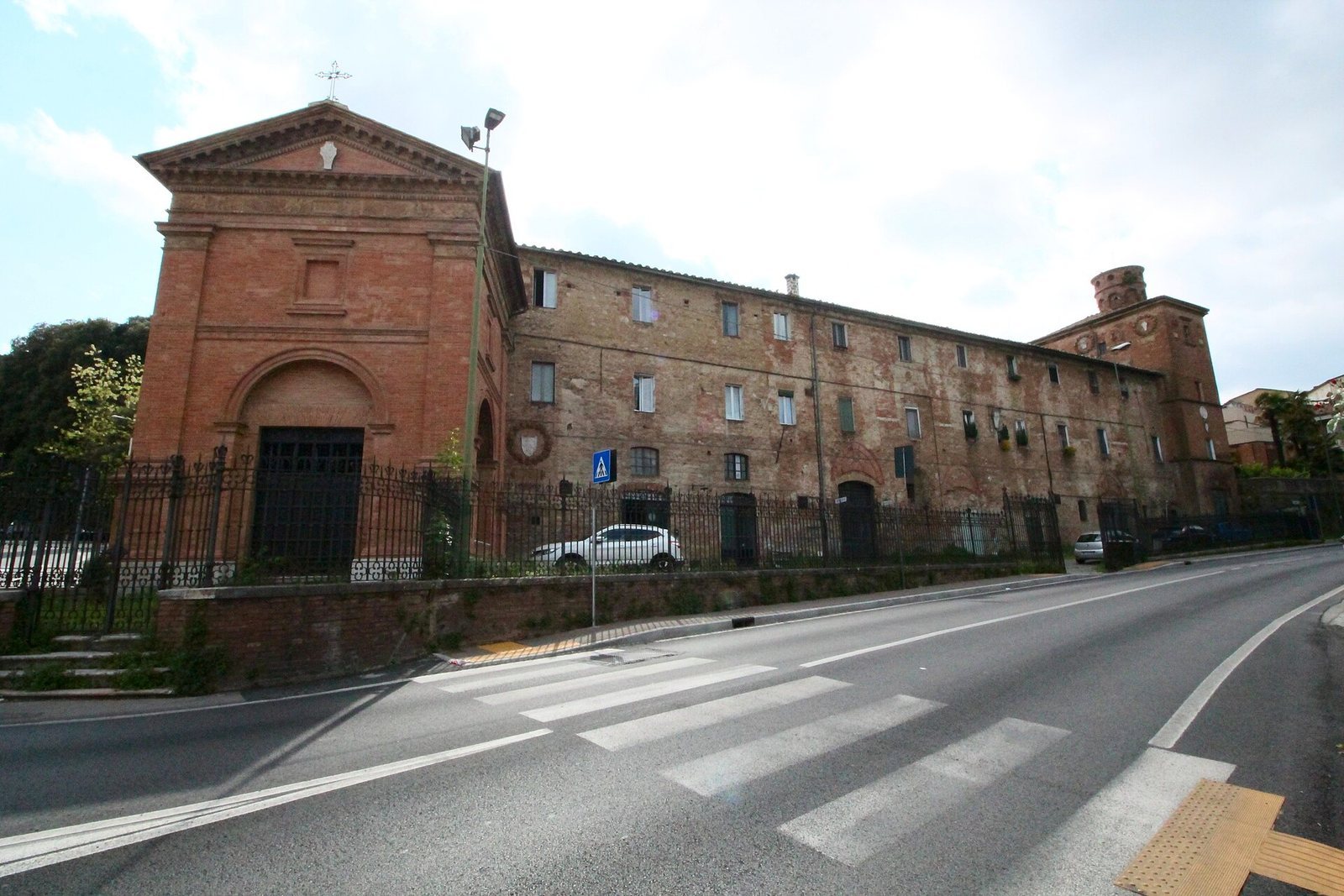
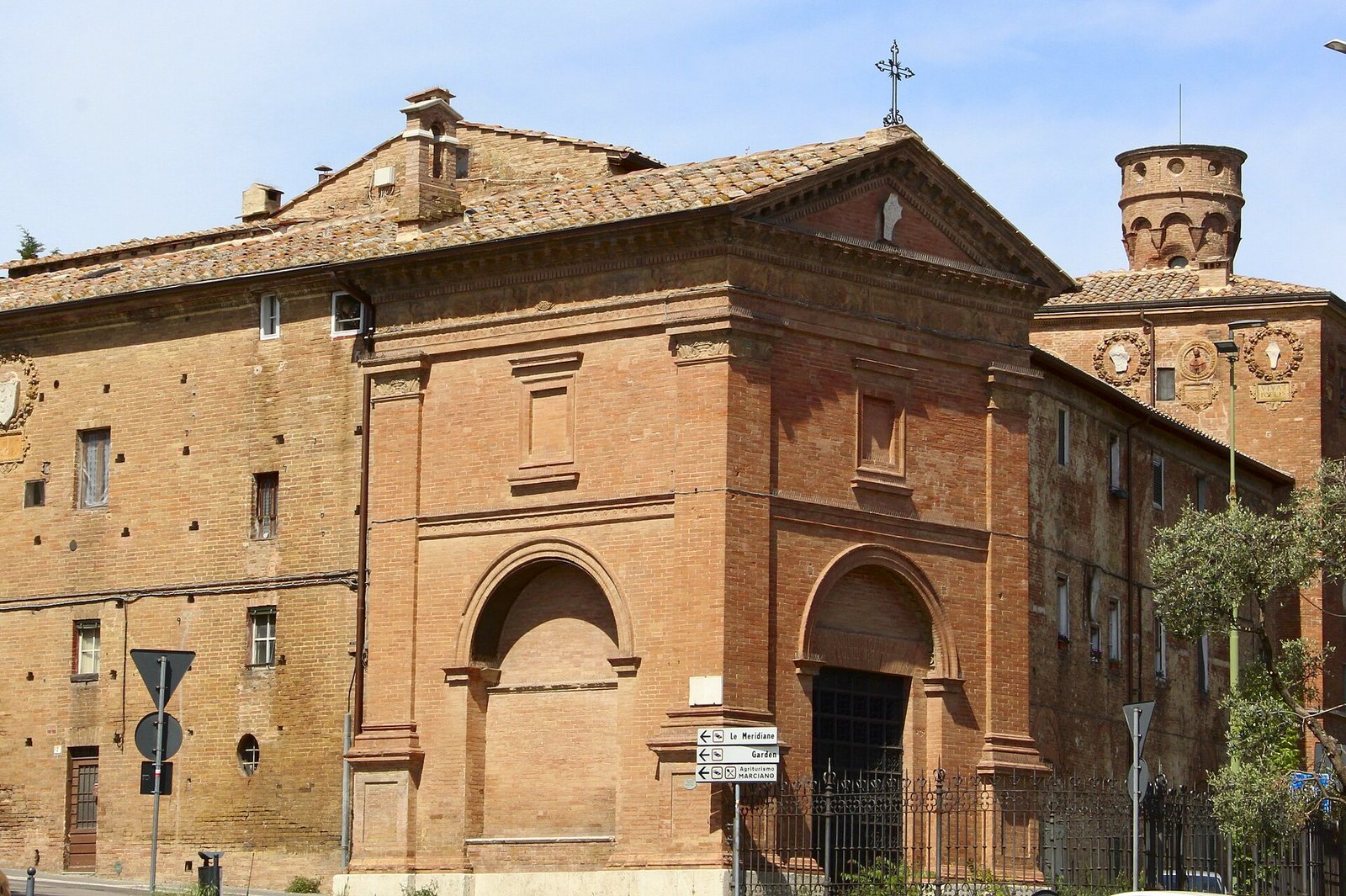
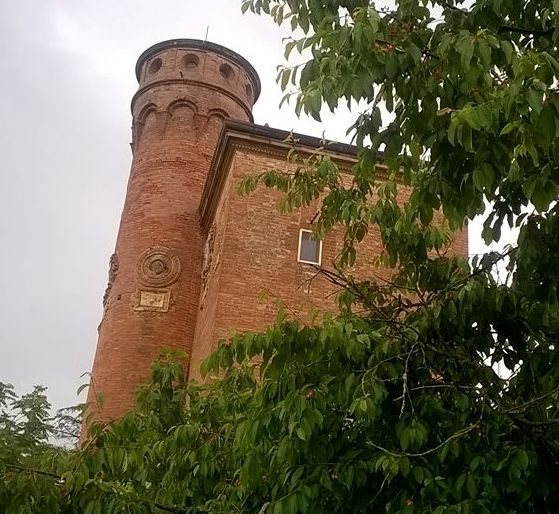
Palazzo dei Diavoli is a brick residence outside Siena’s historic walls in Italy, northwest of the city center. Also known as Palazzo Turchi, it first served as a home for the Turchi family and later belonged to the Buonsignori family. Its oldest section dates to the fourteenth century. The building was later raised and fitted with a cylindrical tower, then enlarged in 1460, when a chapel dedicated to Saint Mary of the Angels was added. The chapel’s design has been attributed to the Sienese architect Antonio Federighi, although that attribution is disputed.
Extensive rebuilding in the nineteenth century gave the palace much of its present form. It continues to serve as a dwelling.
The palace’s name and its legends
One explanation for the name Palazzo dei Diavoli, or “Palace of the Devils,” connects it to a Sienese victory in 1526. Sienese forces defeated a combined Florentine and papal army associated with Pope Clement VII, scattering the opposing force. Legend credited the Sienese success to supernatural or diabolical help.
Another tradition held that satanic ceremonies, orgies, and black masses took place in the building. Tales linked to 1526 tell of red lights darting through its windows; another recounts women’s screams and witnesses seeing bodies rise into the sky.
Remains
The palace and tower
Outside Siena’s city walls, between Viale Cavour and Via Fiorentina and near Porta Camollia, the palace is a brick, fortress-like residence. Its tall cylindrical tower survives from the medieval building associated with the Turchi family. The tower may have been designed by Cecco di Giorgio, a late-medieval Sienese architect. Above the main entrance, an inscription reads Turcorum Palatium, meaning “Palace of the Turchi.”
The chapel
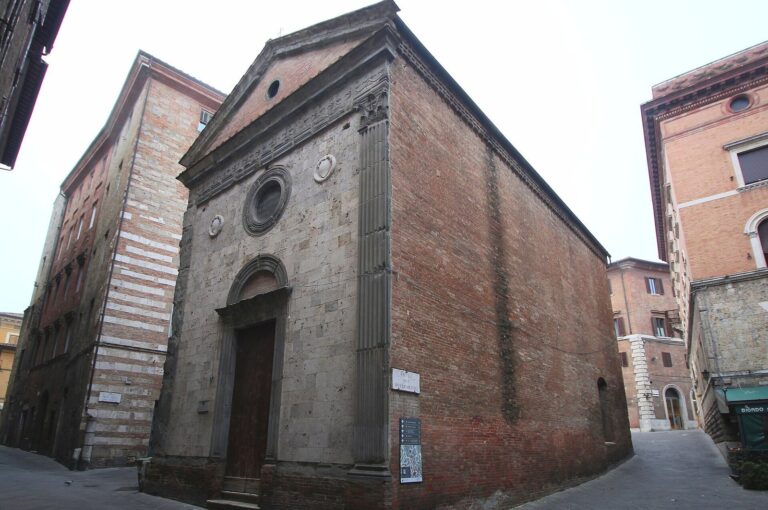
The chapel of Saint Mary of the Angels forms part of the complex. It now serves as an oratory, a small place for prayer, and its facade remains part of the palace ensemble.