Palazzo Comunale in Pienza: A Renaissance Civic Palace
Site at a Glance
- Popularity
- Medium
- Country
- Italy
- Primary era
- Medieval
- Eras represented
- Medieval
- Civilizations
- Republic of Siena
- Site type
- Civic
- Remains
- Palace
On this page8 sections
History
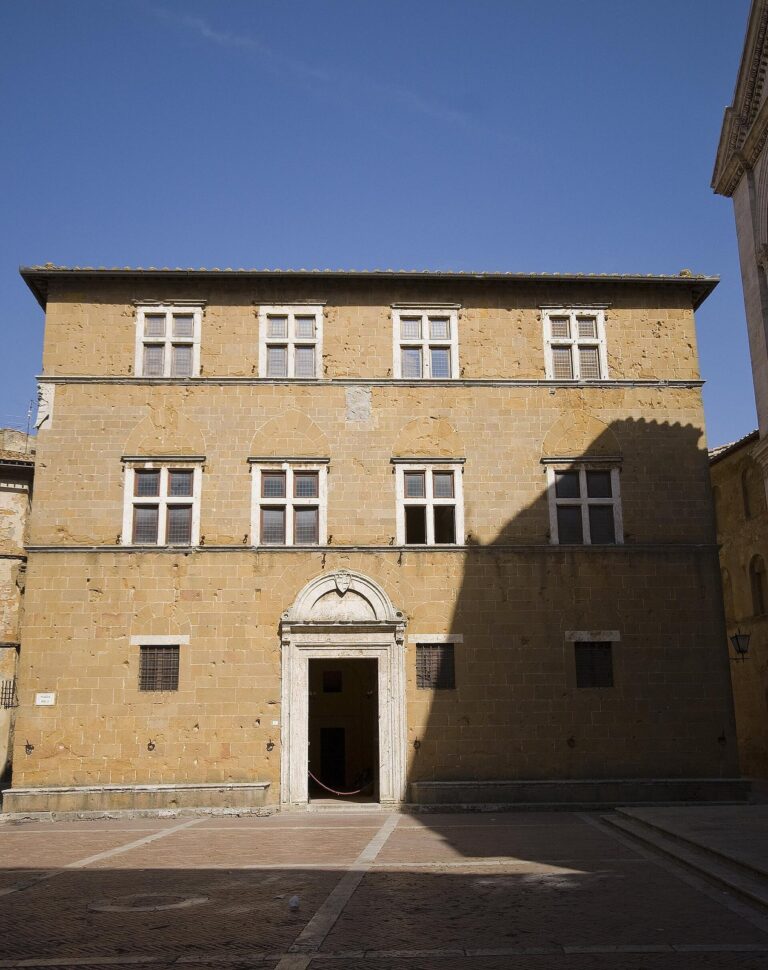
The Palazzo Comunale in Pienza, Italy, is an Italian Renaissance civic palace built in 1459 to a design attributed to Bernardo Rossellino, an Italian Renaissance architect and sculptor. It stands in Pienza, a Renaissance ideal city promoted by Enea Silvio Piccolomini, who later became Pope Pius II.
Renaissance foundation and civic offices
The palace was the former residence of the Priors, civic governing officers. It was also associated with other municipal officeholders: senior magistrates known as podestà lived there, while city mayors worked in the building.
Remodeling and continued use
The palace was remodeled in 1900. It is owned by the Municipality of Pienza and remains in use.
Remains
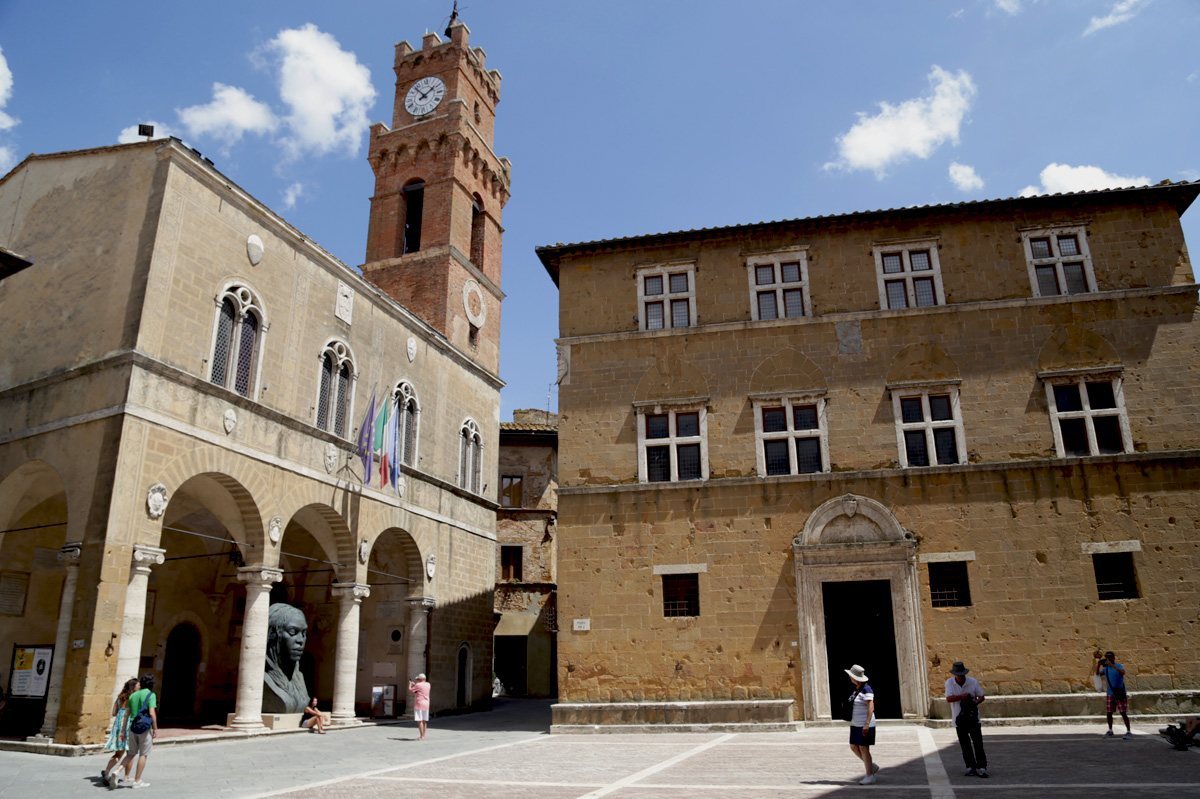
The palace forms part of the buildings around Piazza Pio II, opposite the cathedral and at the meeting point of central routes. Its front faces Corso Rossellino, while its side faces Via Marconi. The building has an asymmetrical ground plan and façade, both constructed of travertine.
Façade and loggia
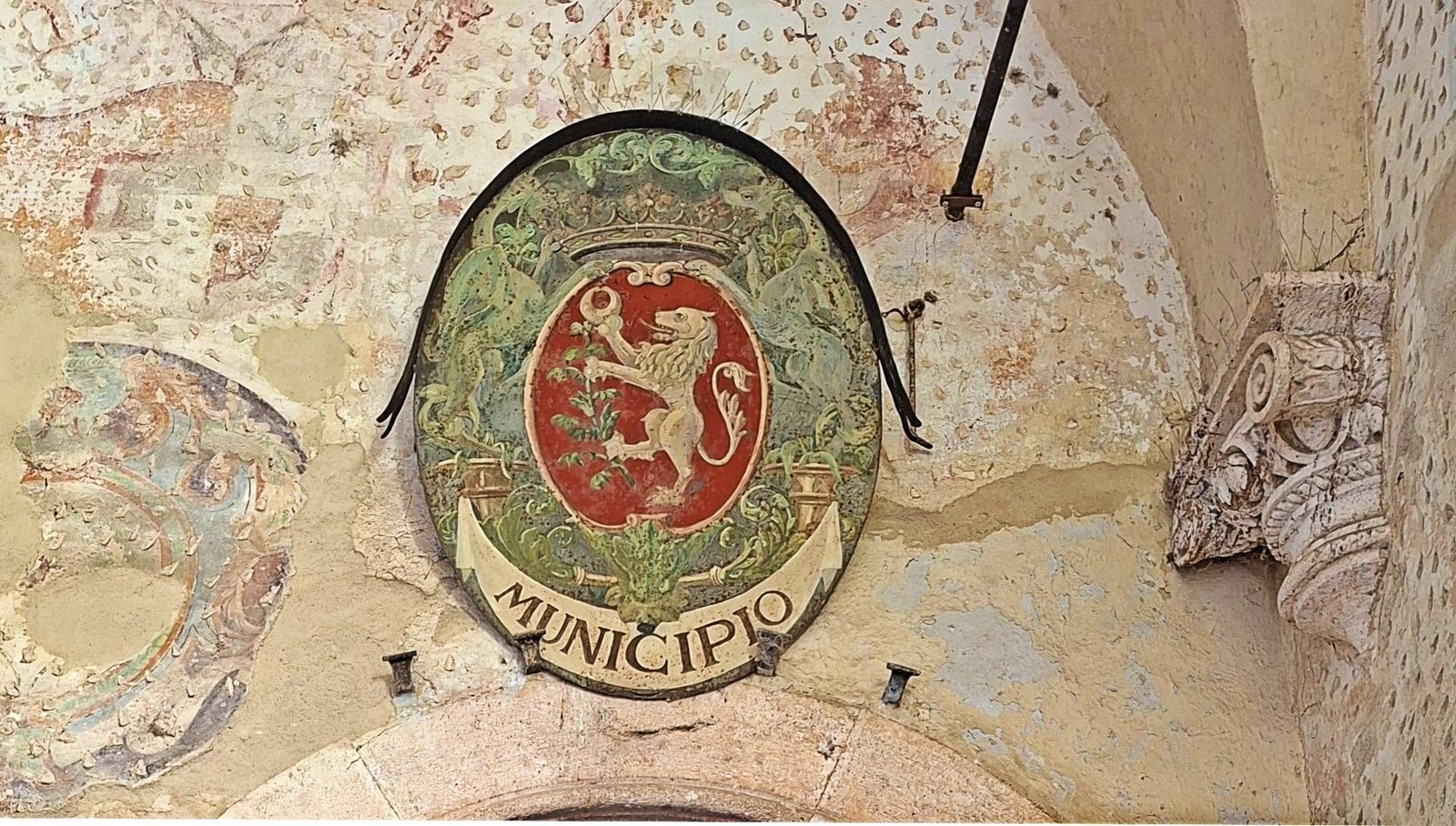
An open-sided covered gallery, or loggia, occupies the ground floor. Three arches rest on Ionic columns, whose capitals have scroll-shaped forms. The upper storey has four pairs of windows aligned with the arches below. The loggia also opens onto Via Marconi on the right and contains graffiti, commemorative plaques and stone coats of arms associated with Pope Pius II, various podestà, the province and the Municipality of Pienza.
Clock tower
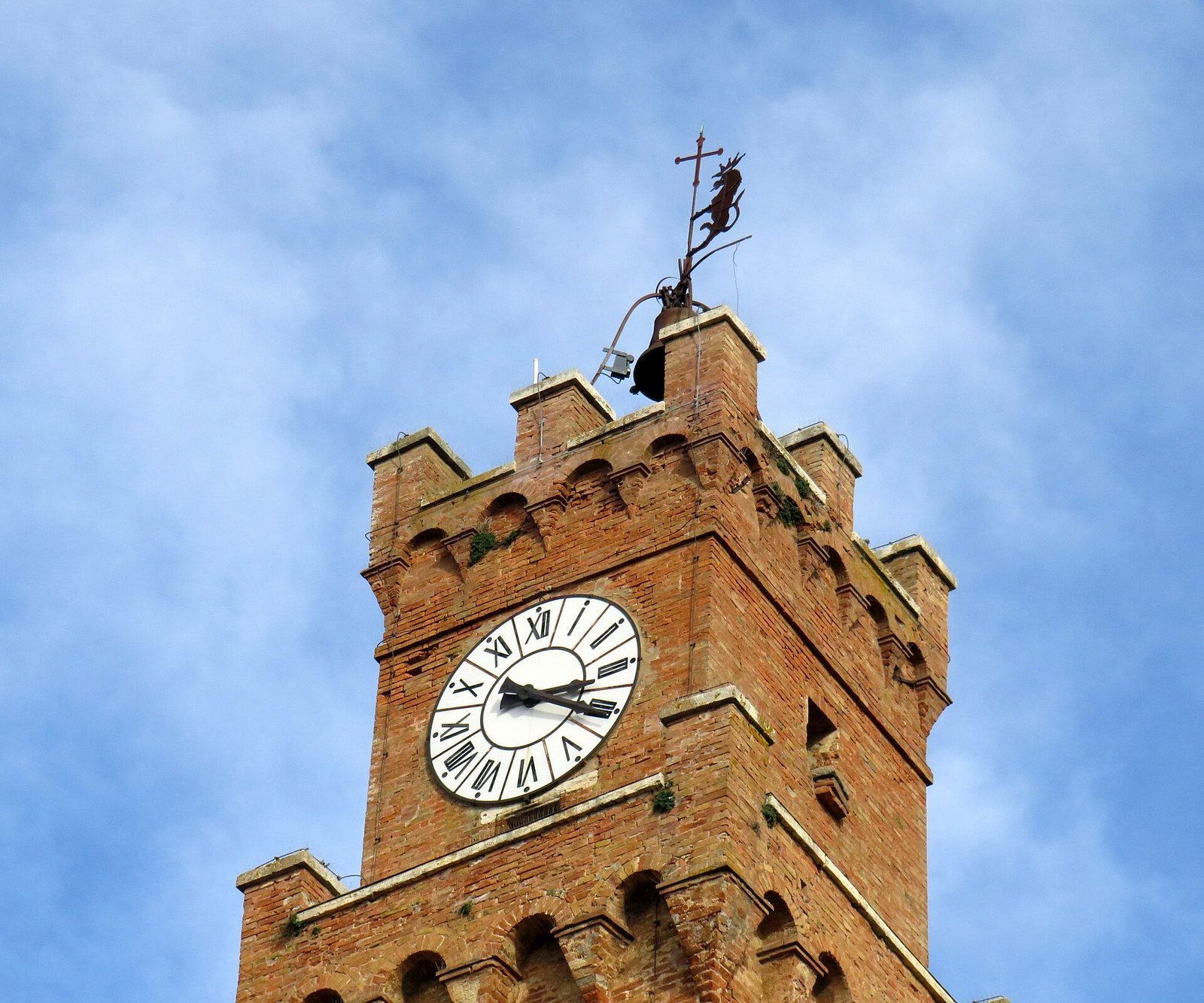
A red-brick tower rises above the palace. Its elongated windows, two tiers of battlements and clock accompany a form that echoes medieval Tuscan towers, including examples in Siena and Florence.
Adjacent house
A small fifteenth-century house stands to the palace’s left, facing Via Marconi. Its side walls project outward.
Council Hall
The Council Hall contains a fifteenth-century fresco of the Madonna and Child with Pienza’s patron saints, Saint Vitus, Saint Modestus and Saint Matthew. The work is attributed to the Sienese school, an artistic tradition centered in Siena.