Montépin Castle: A Renaissance Pleasure Residence in Bâgé-la-Ville
Site at a Glance
- Popularity
- Medium
- Country
- France
- Primary era
- Medieval
- Eras represented
- Medieval
- Civilizations
- Duchy of Savoy
- Site type
- Domestic
- Remains
- Castle
On this page7 sections
History
Montépin Castle is a Renaissance-style pleasure residence in Bâgé-la-Ville, France, built in the fifteenth century by Philibert Briscaud. Renaissance was a European cultural movement that renewed interest in classical forms. The estate’s earlier history includes a connection to the Knights Templar, a medieval Catholic religious and military order.
Medieval estate and fifteenth-century residence
In 1273, the Templars received two holdings in the hamlet of Montépin from Barthélémy Cholet, a townsman of Bâgé. Geoffroy, an official overseeing a local Templar estate, represented the order. The holdings belonged to a feudal estate that included a fortified house in the commune of Bâgé-la-Ville.
Philibert Briscaud built the château in the fifteenth century. He served as secretary to Philibert, a Duke of Savoy; the particular ruler is uncertain because several dukes bore that name. The Aymon family is identified as the estate’s earliest owner. Jean Aymond, son of Claudine Briscaud, inherited it and passed it on to his descendants.
Rebuilding and ownership
M. de Ballore rebuilt the château in 1880. The property was sold to a private purchaser in 2018 and is privately owned.
Remains
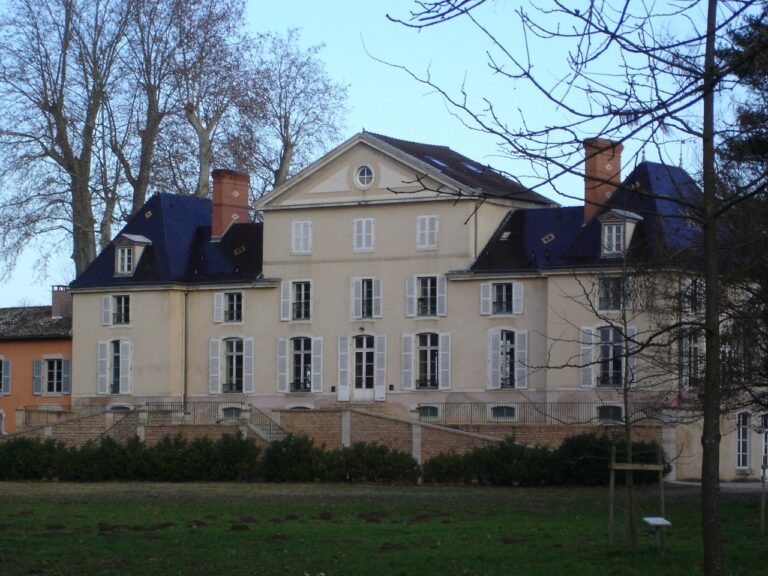
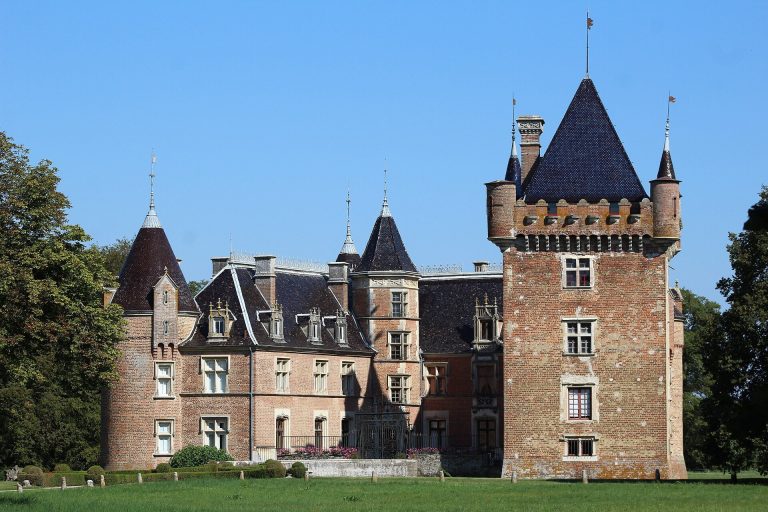
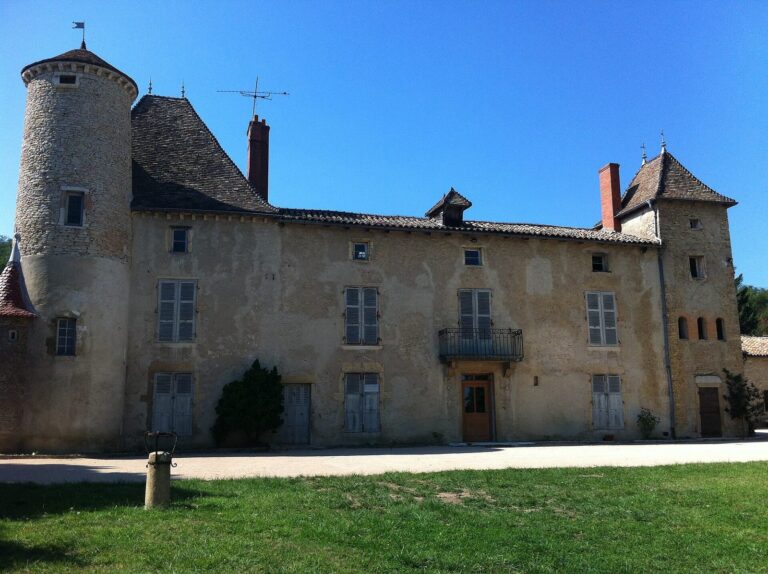
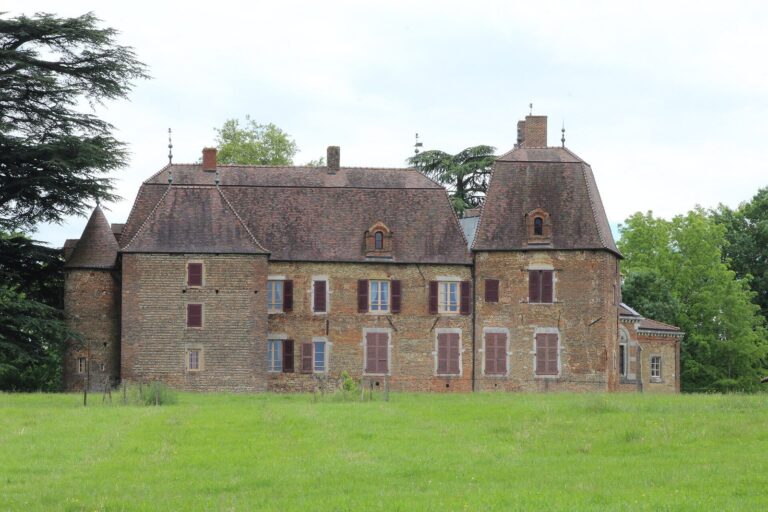
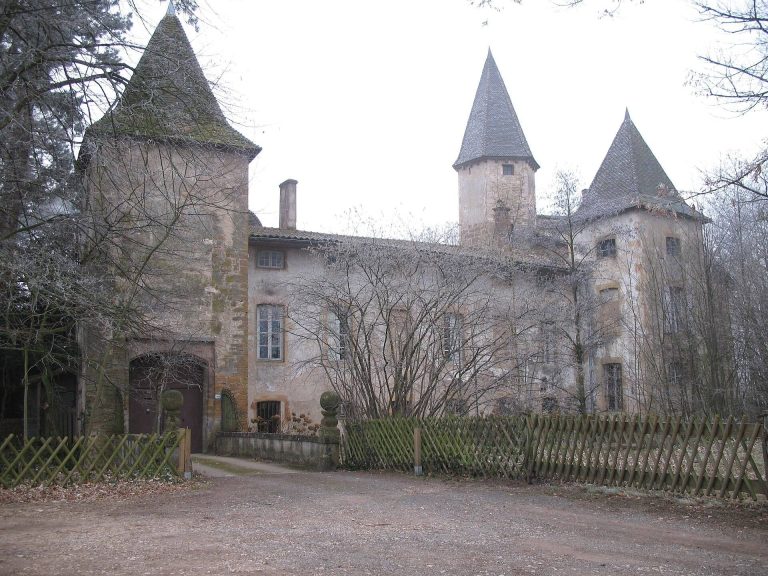
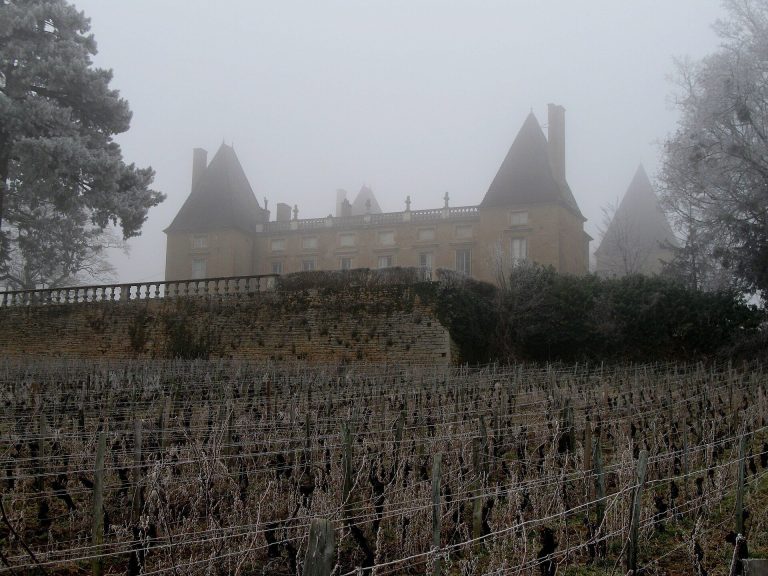
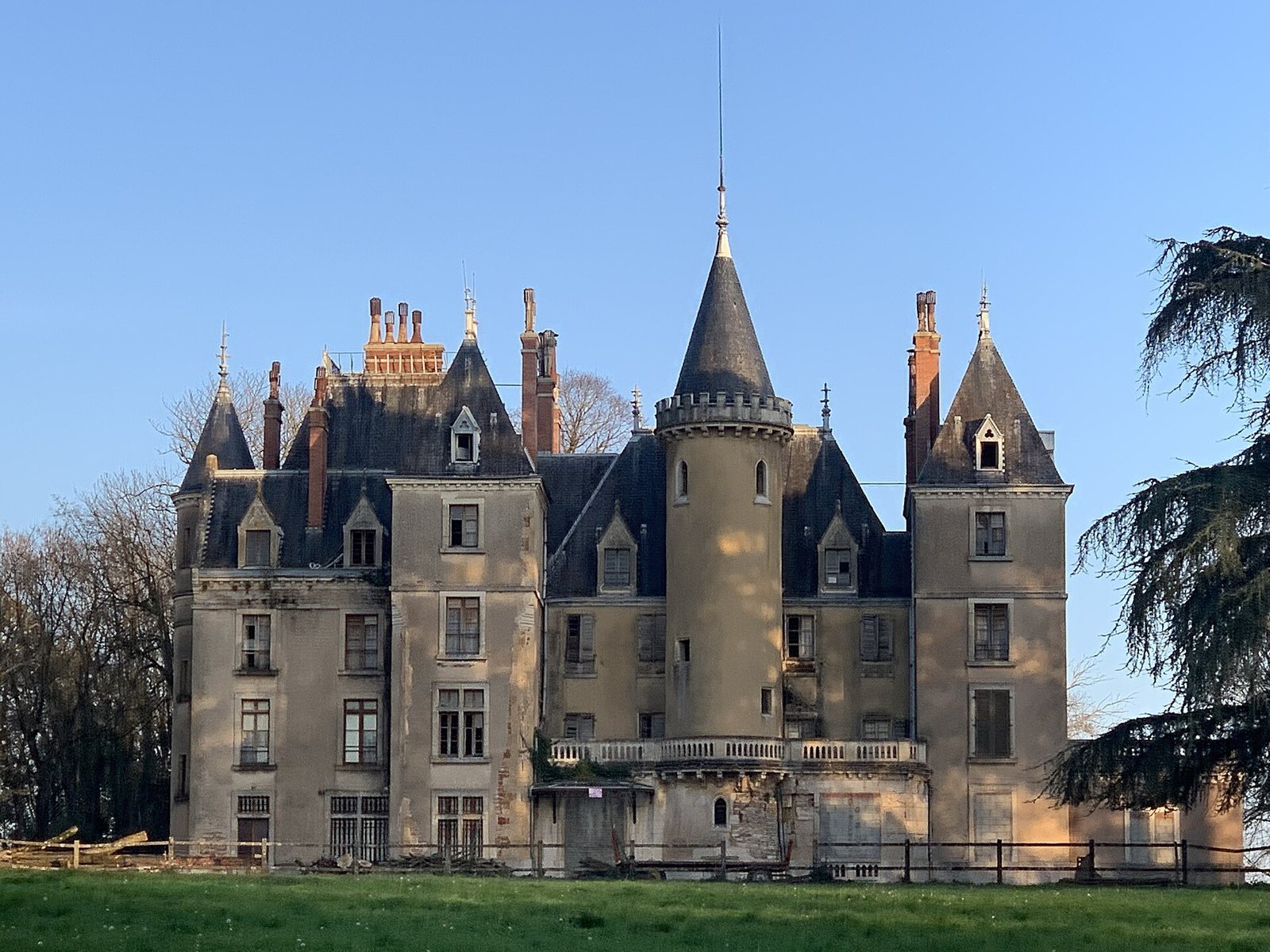
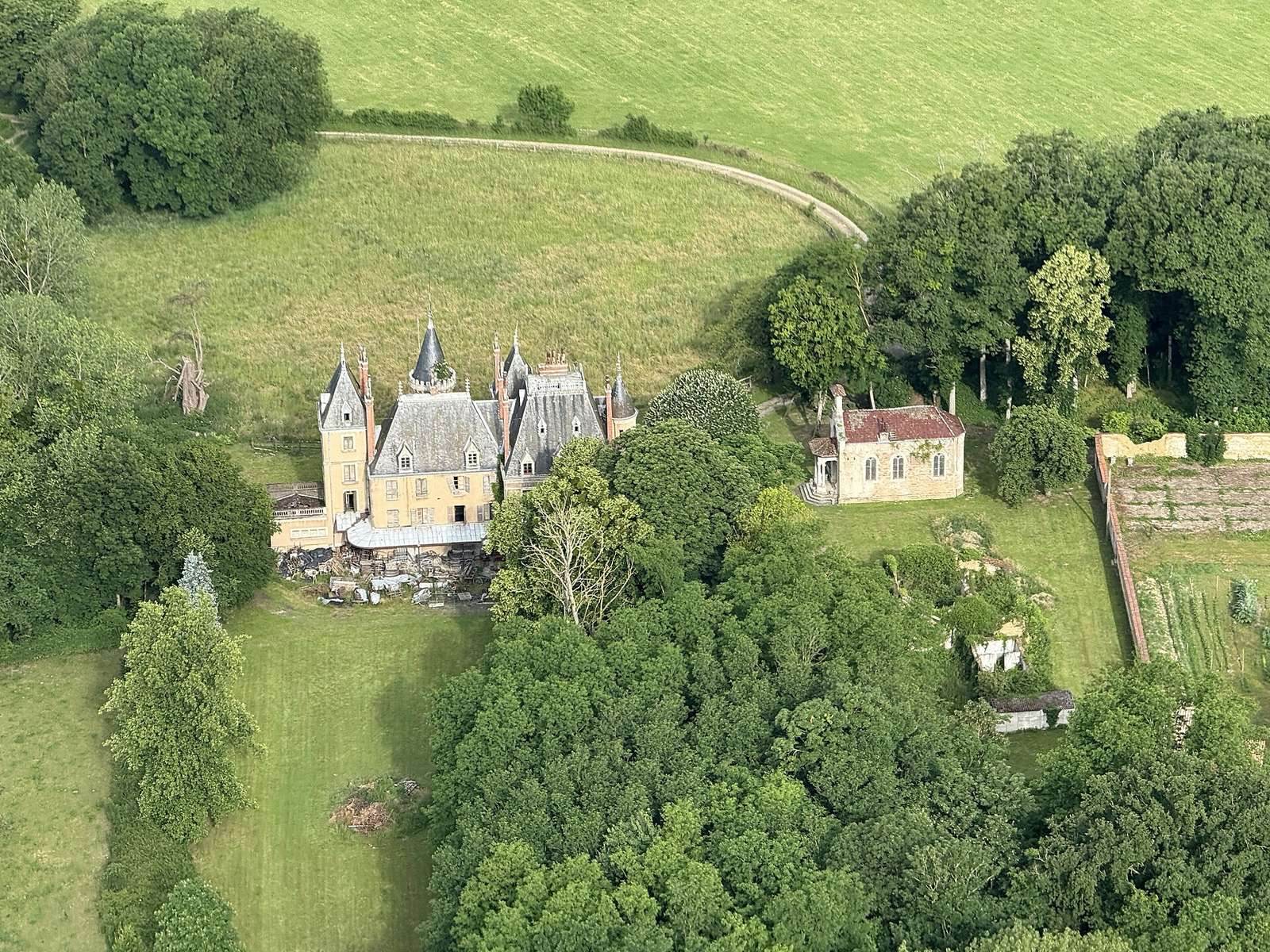
The château is a Renaissance-style residence with an extensive park. Its architectural ensemble includes the main residence, a rotunda and a small chapel.
The château and grounds
Residence
The château has circular and square towers topped by high roofs. Its form reflects its character as a pleasure residence.
Park features
The extensive park contains a rotunda and a small chapel.