Lilla Sickla: A Historic Farmstead in Sweden
Site at a Glance
- Rating
- 4.2
- Popularity
- Medium
- Country
- Sweden
- Primary era
- Early Modern
- Eras represented
- Early Modern, Modern
- Civilizations
- Swedish
- Site type
- Domestic
- Remains
- House
On this page9 sections
History
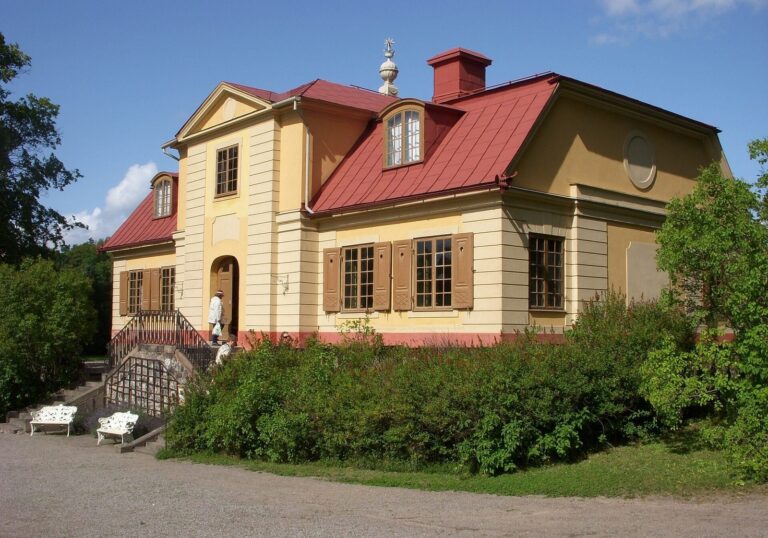
Lilla Sickla is a small farmstead in a nature reserve in Nacka, Sweden. The farm was inhabited in the Middle Ages, before its surviving main house was built. Its earliest known written reference is a 1620 letter about a land dispute. A Dutchman complained that King Gustav II Adolf, a Swedish king, had taken several plots he had received that year; the letter called the place Klein-Sickla.
A mill at the site was first mentioned in 1752. Until the bay’s water level was lowered in the 1920s, people could reach the farmstead by boat from Södermalm, an island district in central Stockholm. A wing of a nearby building burned in 1990. The municipality now owns the farm and uses it for cultural events.
Remains
The farmstead’s surviving buildings stand beside a stream with changes in elevation. To the north are remnants of a park, while an old avenue runs from the courtyard toward the lake.
Farmstead buildings
Main farmhouse
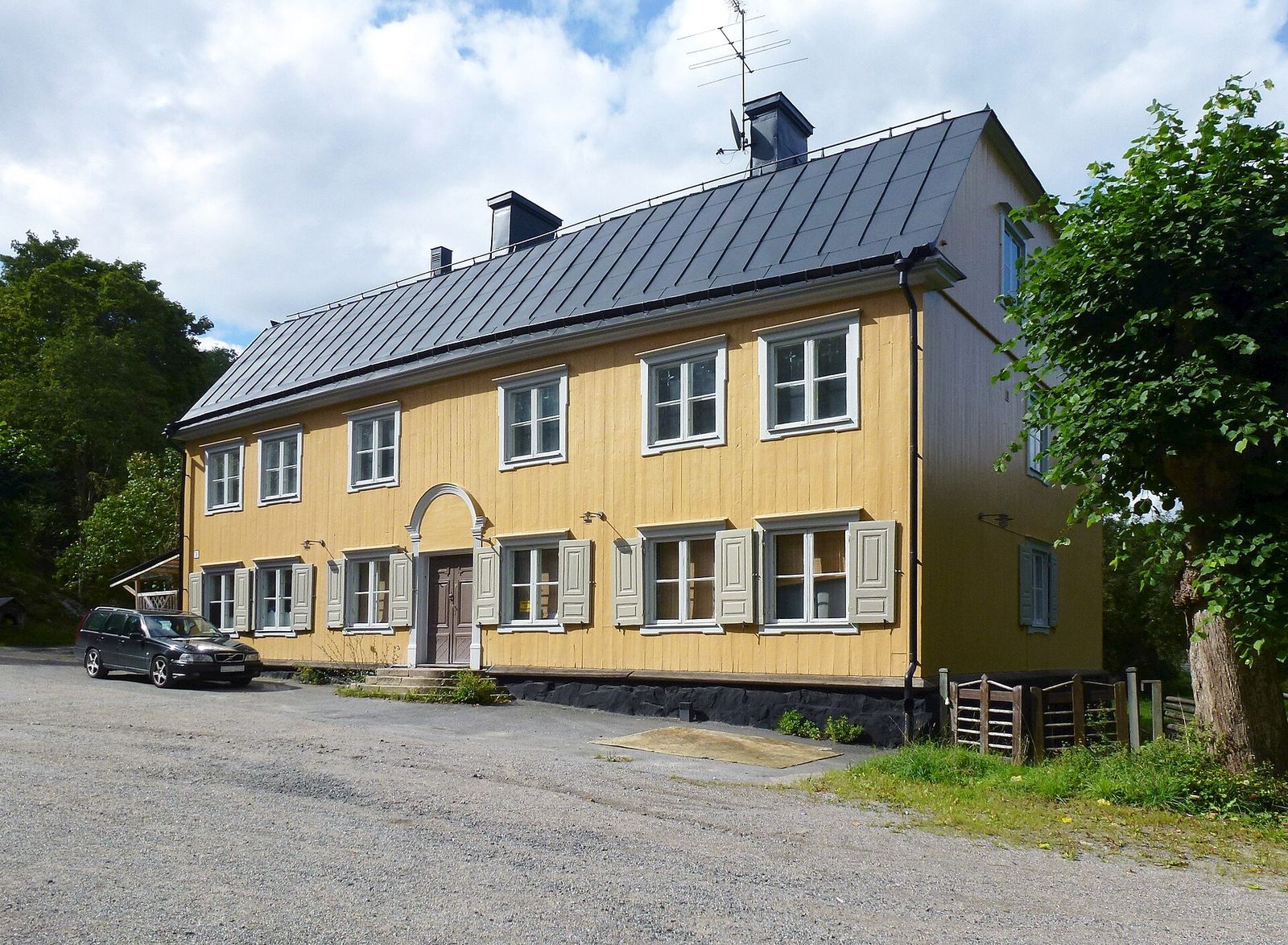
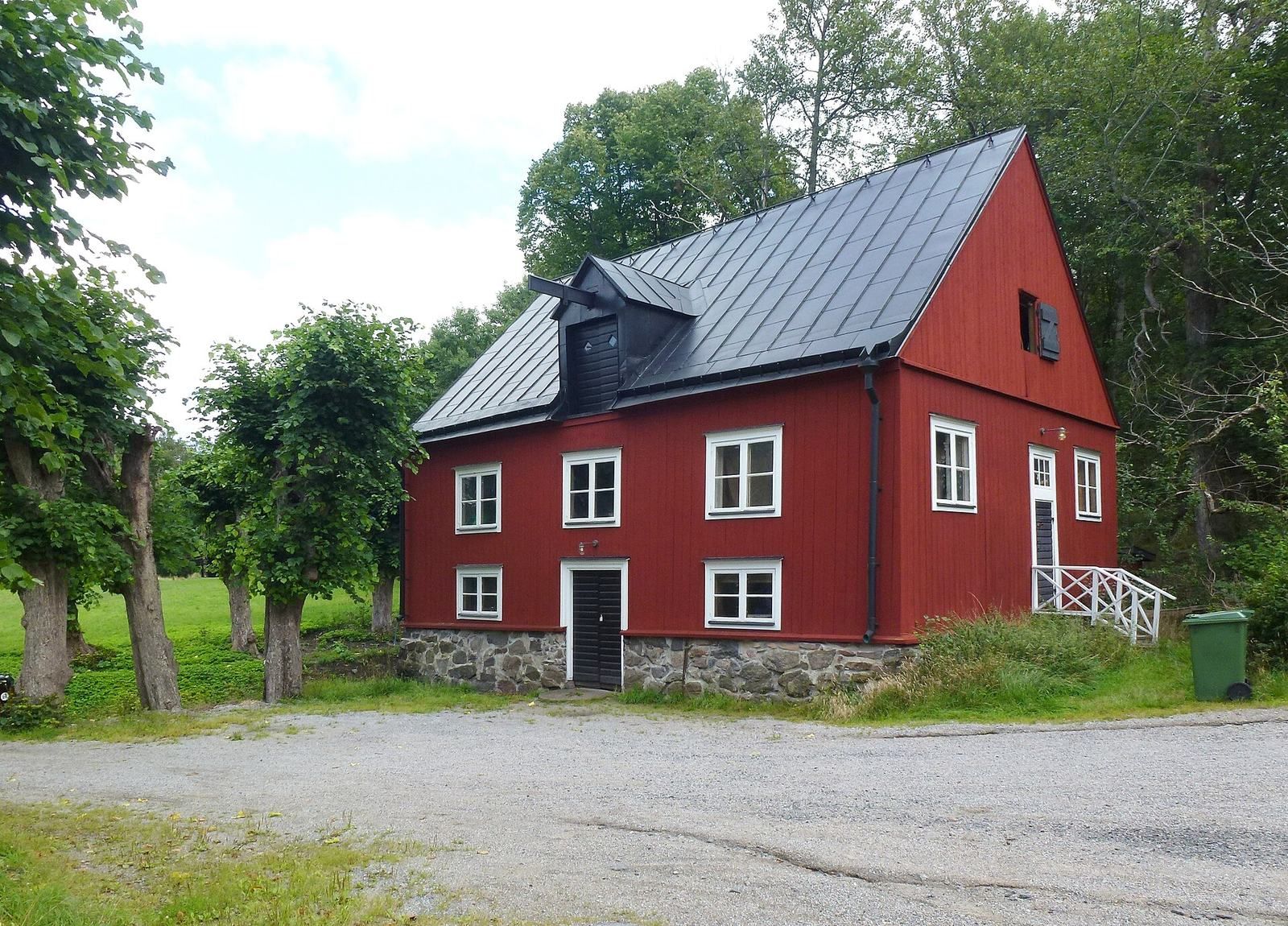
The main farmhouse, dated to 1789, survives at the site.
Mill
The surviving mill building was constructed between 1800 and 1849. The stream beside the farmstead was evidently used to power it.
Burned wing
Remains of the wing of a nearby building that burned are still visible.
Park and avenue
Park and tombstone
Remnants of an English-style park lie north of the farmstead. Within it stands a tombstone dated to 1824, known in translation as the “Philosopher’s Grave.” It served as a place for reflecting on eternity.
Avenue
An old, disused avenue leads from the courtyard toward the lake.