Palazzo della Panetteria: A Papal Household Palace in Rome
Site at a Glance
- Popularity
- Medium
- Country
- Italy
- Primary era
- Early Modern
- Eras represented
- Early Modern, Modern
- Civilizations
- Italian, Papal States
- Site type
- Domestic
- Remains
- Palace
On this page7 sections
History
Construction and papal household
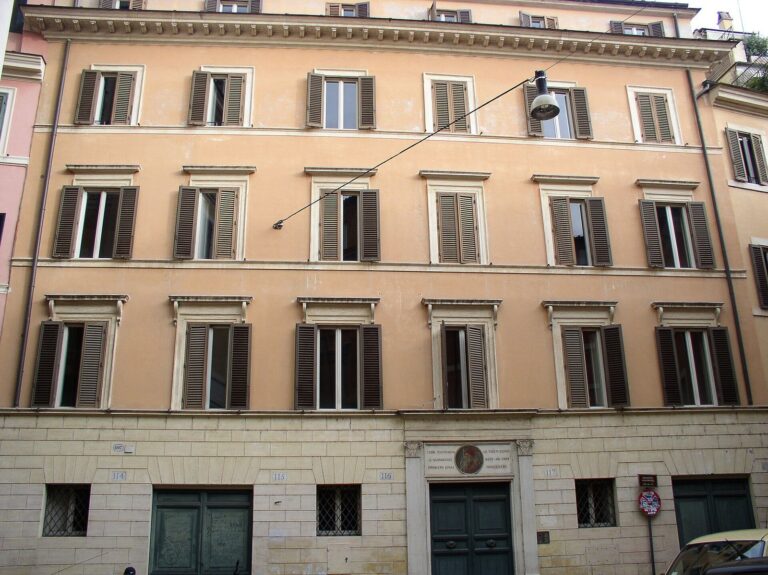
Palazzo della Panetteria is an eighteenth-century palace in Rome, Italy, built to house the papal household. Paolo Posi constructed it between 1764 and 1766 at the direction of Pope Clement XIII, who held the papacy from 1758 to 1769. Its formal name was Palazzo della Famiglia Pontificia, while its familiar name refers to the nearby Apostolic Bakery.
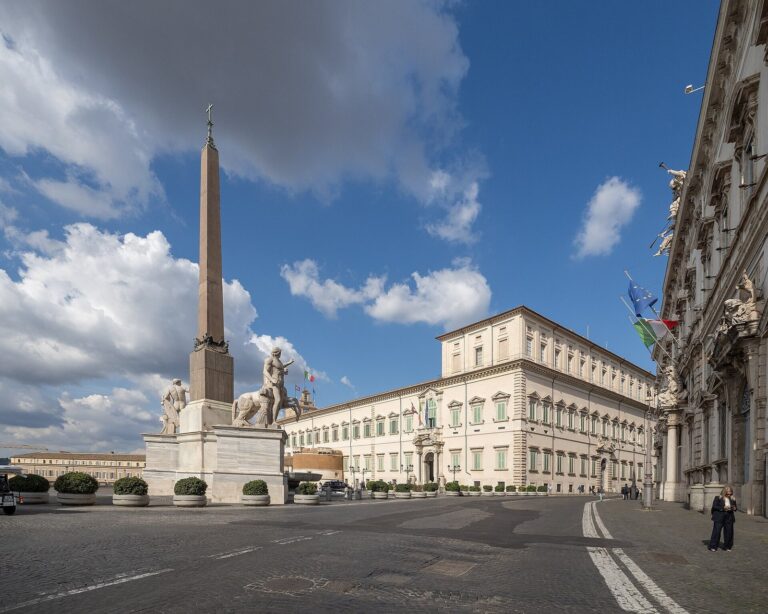
The household was made up of the pope’s servants, attendants, and assistants, rather than his relatives. Clement XIII himself lived in the Quirinal Palace. The palace continues to serve as an annex to the Quirinal, now the official residence of Italy’s president.
Later alterations
In the late nineteenth century, the palace’s interior was altered as buildings were added in its courtyard.
Remains
The palace stands on Via della Dataria in Rome’s Trevi district, between Palazzo della Dataria and the Quirinal Palace. Access is through the Tower of Urban VIII, also known as the Swiss Guard Tower.
Exterior and courtyard
Street façade and entrance
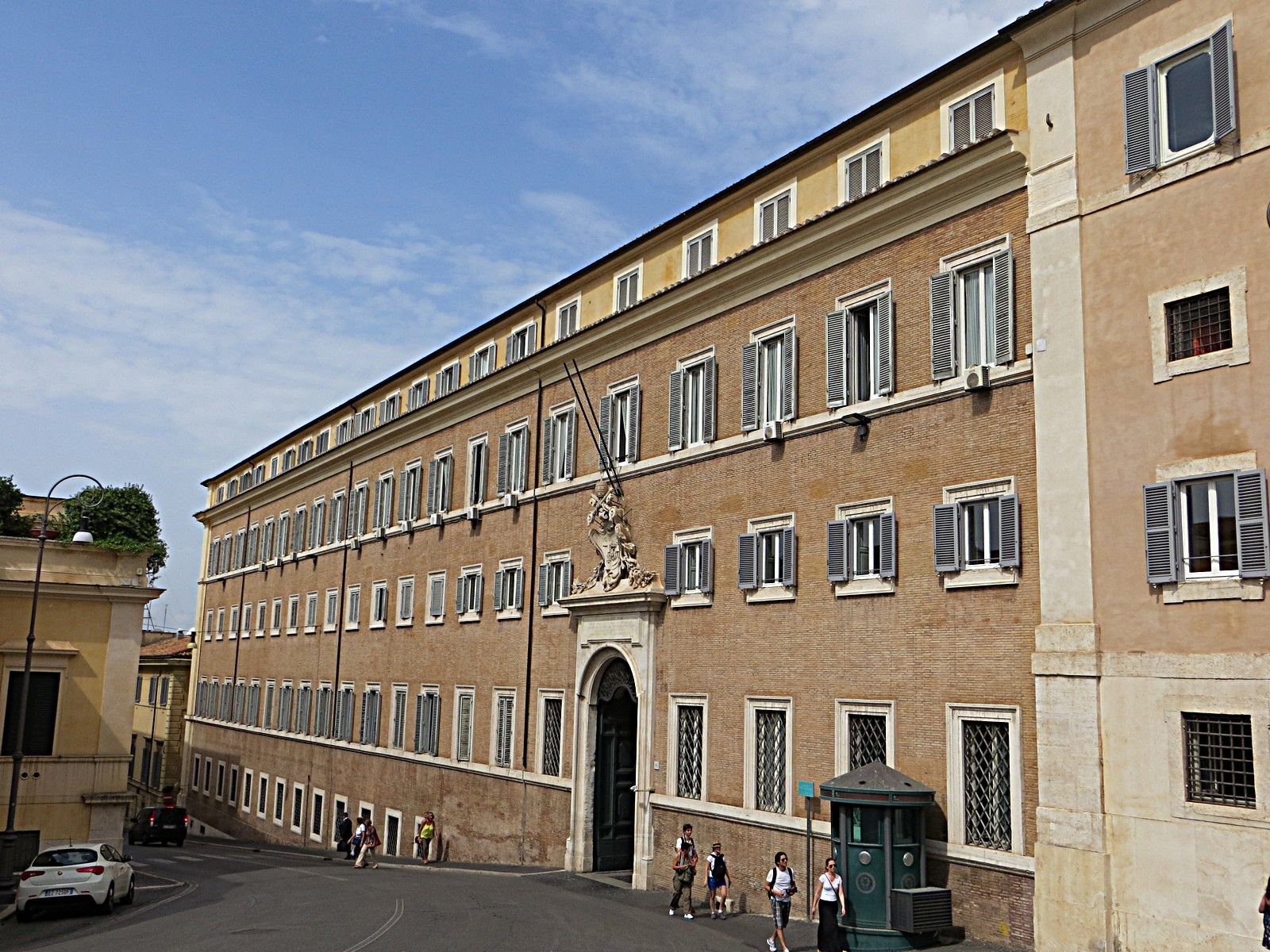
The long façade has three storeys, with windows framed in marble. Its ground-level entrance is set to the left. Because the street slopes, the doorway opens directly onto the palace’s principal floor. Above it, an architrave, the horizontal beam over a doorway, supports a curved pediment, the crowning feature above the entrance. The pope’s coat of arms, associated with the Rezzonico family, sits above the pediment. An inscription over the entrance records Clement XIII’s order for the building’s complete reconstruction.
Attic and courtyard additions
An attic level was added above the eaves in 1814. Later courtyard additions included a carriage house.