Schlatt unter Krähen Castle: A Historic Country Residence in Germany
Site at a Glance
- Rating
- 4.7
- Popularity
- Very Low
- Country
- Germany
- Primary era
- Early Modern
- Eras represented
- Early Modern
- Civilizations
- Holy Roman Empire
- Site type
- Domestic
- Remains
- Castle
On this page8 sections
History
Early residence and country castle
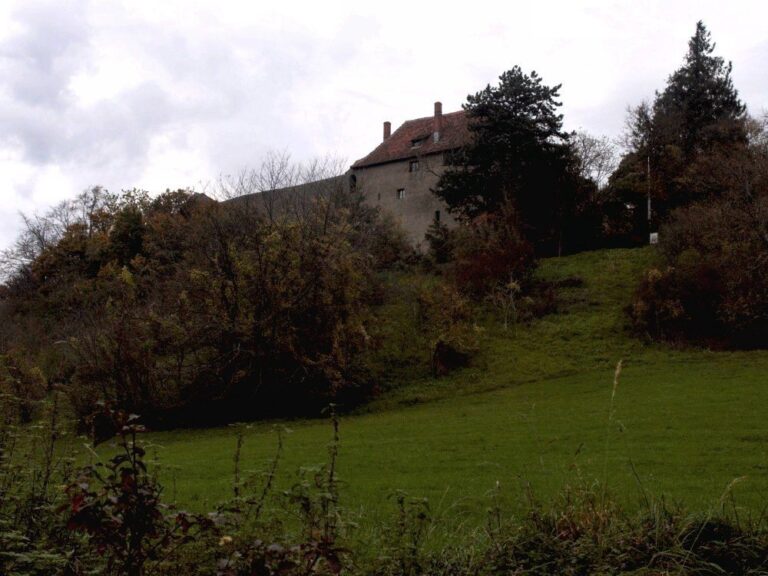
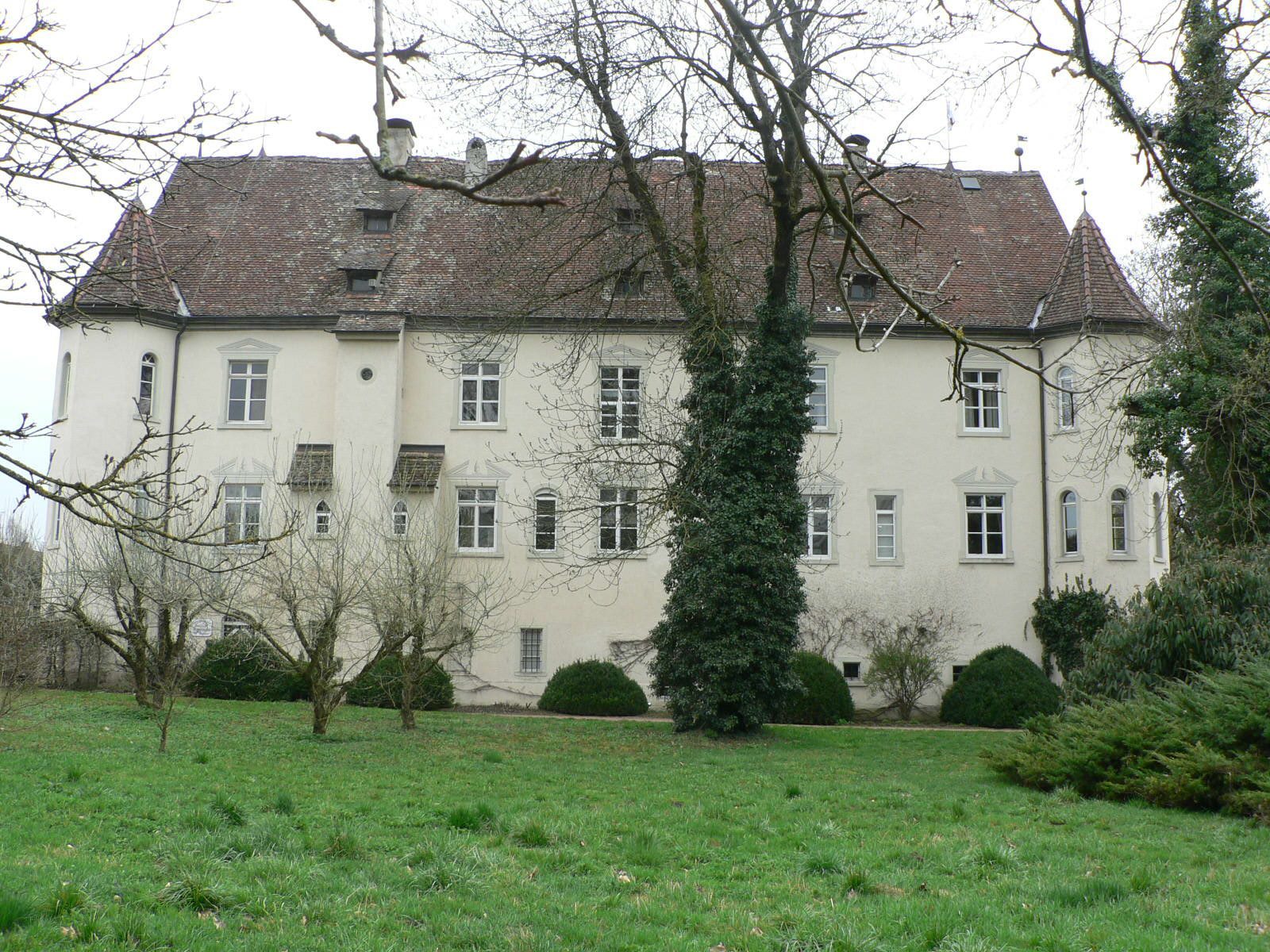
Schlatt unter Krähen Castle stands at the western edge of its namesake village in Germany, now a district of Singen (Hohentwiel). Its four-towered design follows a late-medieval castle type. Before 1539, Hans Ernst von Reischach built an earlier residence on the site. After Hans Ludwig von Bodman acquired control of the Schlatt estate between 1592 and 1598, a representative country castle was built.
A succession of owners
The castle passed to the von Raitenau family in 1606, then to the Ebinger von der Burg family in 1619, who held it until 1785. The Lenz von Lenzenfeld family owned it from 1785 to 1790, followed by the von Bodman family until 1816, when it returned to the von Reischach family. Through an adoption, the inheritance later passed to the Counts Douglas of the Langenstein line. The present owner is Robin Graf Douglas von Reischach, son of Patrick Graf Douglas von Reischach (1938–2010).
Remains
The castle complex
Manor house and park
The three-storey manor house has a gabled roof and four octagonal corner towers. Its form belongs to a late-medieval castle type with a tower at each corner, a design widespread from the late fifteenth through the seventeenth century. An extensive park in the English garden style surrounds the building.
Renaissance façade painting
Traces of Renaissance façade painting are visible on the east side. The paintings were exposed in 1970.
Epitaph
The ground-floor entrance hall contains an epitaph, a memorial to a deceased person that does not necessarily mark a burial place, for Hans Werner von Reischach. Sculptor Jörg Zürn created it around 1610. It originally stood in the Reischach Chapel of the Petershausen monastery church. After the church was secularized, meaning taken out of religious use, and later demolished, Joseph von Reischach saved the memorial from destruction in 1831.