Château de Poillé: A French Estate in Charentilly
Site at a Glance
- Popularity
- Medium
- Country
- France
- Primary era
- Modern
- Eras represented
- Modern
- Civilizations
- French
- Site type
- Domestic
- Remains
- Elite Residence
On this page5 sections
History
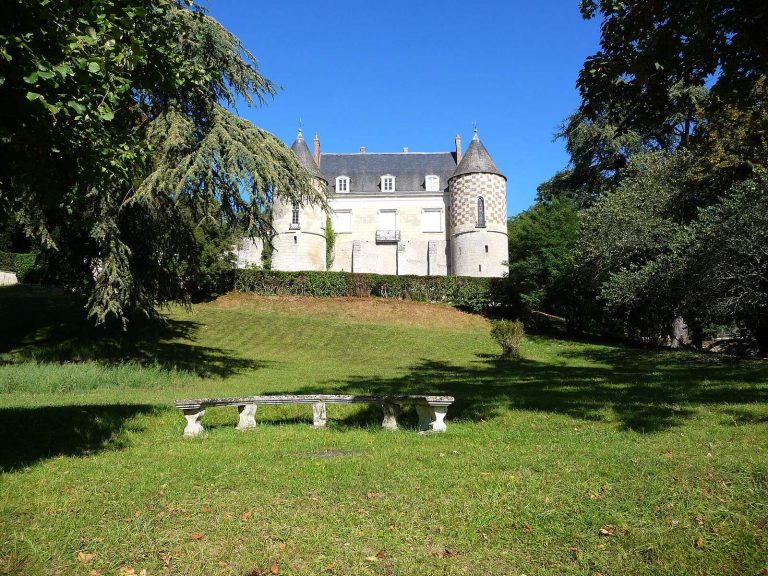
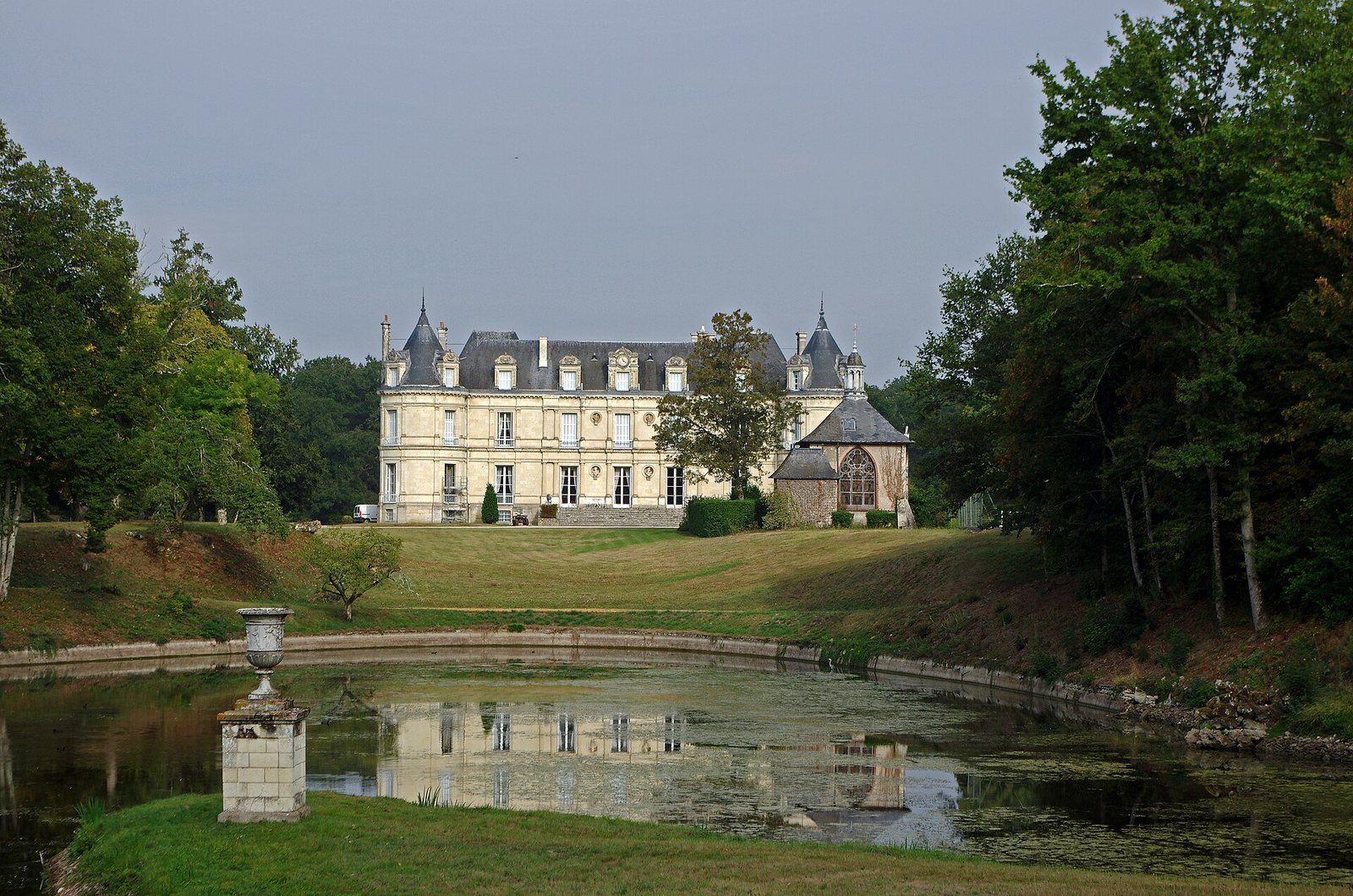
Château de Poillé is a château in Charentilly, France. Its present building was completed in 1838 for Charles Moisant, while the estate’s history reaches back to a twelfth-century castellany associated with the Château de Tours and Marmoutier Abbey.
Medieval lordship and early owners
In the twelfth century, the former castellany, a territorial lordship linked to a castle, fell under the authority of the Château de Tours and belonged to Marmoutier Abbey, a major monastic institution near Tours. The abbey granted it to Renaut in return for rent.
In 1611, the fief, a landholding or right held within a feudal relationship, belonged to Thomas Bonneau, a member of the French nobility. The property later passed to Jacques Legaigneur and his wife, Anne de Lucz. Legaigneur served as general treasurer of finances, chief road surveyor for the Tours administrative district, and mayor of Tours.
Other owners included Antoine-Joseph-Louis Chauvereau, a nobleman and councillor at the royal court of Tours, who held an honorary position at the royal finance office; and Paul-François-Nicolas-Dominique Chauvereau, a nobleman and naval captain, with his wife, Marie-Anne Girollet de Boisregnault. Jean-Chrysostome-Étienne Richard de la Missardière acquired the estate in 1770.
The nineteenth-century château
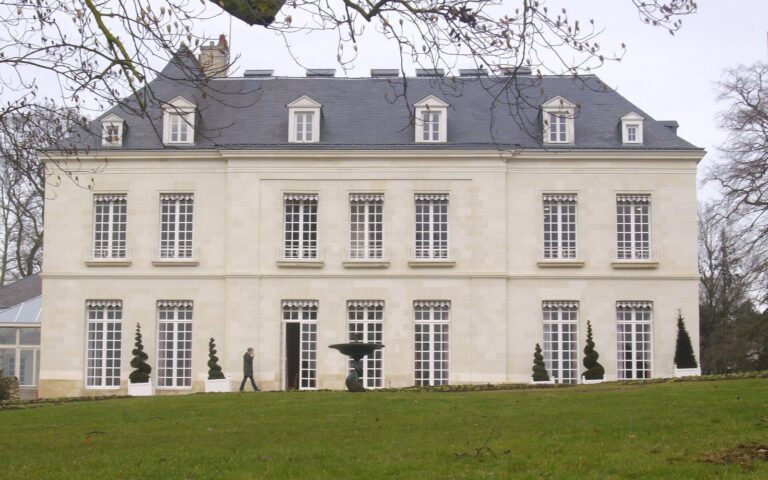
Construction began in 1830, and the present château was built in 1838 for Charles Moisant by architect Phidias Vestier. Moisant already owned the neighboring manor of Ligneries and later became mayor of Charentilly. After his death, his son Count Pèdre Moisant inherited Poillé, while his other son, Louis Moisant, inherited Ligneries.
Later owners and fires
Later owners included Baron Alfred Hainguerlot, from 1882 to 1907, and his son-in-law, Baron de La Rüe du Can de Champchevrier, from 1908 until about 1920. Antoinette de Maniquet Vauberet (1903–1995) was also among the later owners. Since 2008, the property has belonged to her great-granddaughter, Laurence de Bordas. Fires struck the château in 1915 and 1966.
Remains
The château’s construction incorporated materials reused from the former manor of Hardillière. Several religious monuments were erected on the estate by Count Pèdre Moisant.