Castle of San Martino della Vaneza: A Medieval Fortress in Italy
Site at a Glance
- Rating
- 4.5
- Popularity
- High
- Country
- Italy
- Primary era
- Medieval
- Eras represented
- Medieval
- Civilizations
- Holy Roman Empire
- Site type
- Military
- Remains
- Castle
On this page5 sections
History
The Castle of San Martino della Vaneza is a medieval fortress at San Martino in Cervarese Santa Croce, Italy. Construction began in the 11th century. Beside the Bacchiglione and close to the boundary between Padua and Vicenza, it occupied a strategic position on an important trade route.
Medieval stronghold
The castle was among the few in the area to escape the destruction associated with Ezzelino III da Romano, a powerful 13th-century lord and military leader in northeastern Italy. In 1324, Padua’s commune granted the fortress to Nicolò da Carrara. The gift recognized his defence of the city during its conflicts with Cangrande della Scala, ruler of Verona.
Venetian rule and commercial use
After Padua came under the Venetian Republic, the state centered in Venice, the castle’s military role diminished. The Venetian Vendramin family first leased the property and later purchased it, turning it into a base for gathering timber from nearby woods and shipping it by river to Venetian shipyards. They also installed a floating mill, a watermill mounted on a floating structure, which operated until the 19th century.
Later ownership
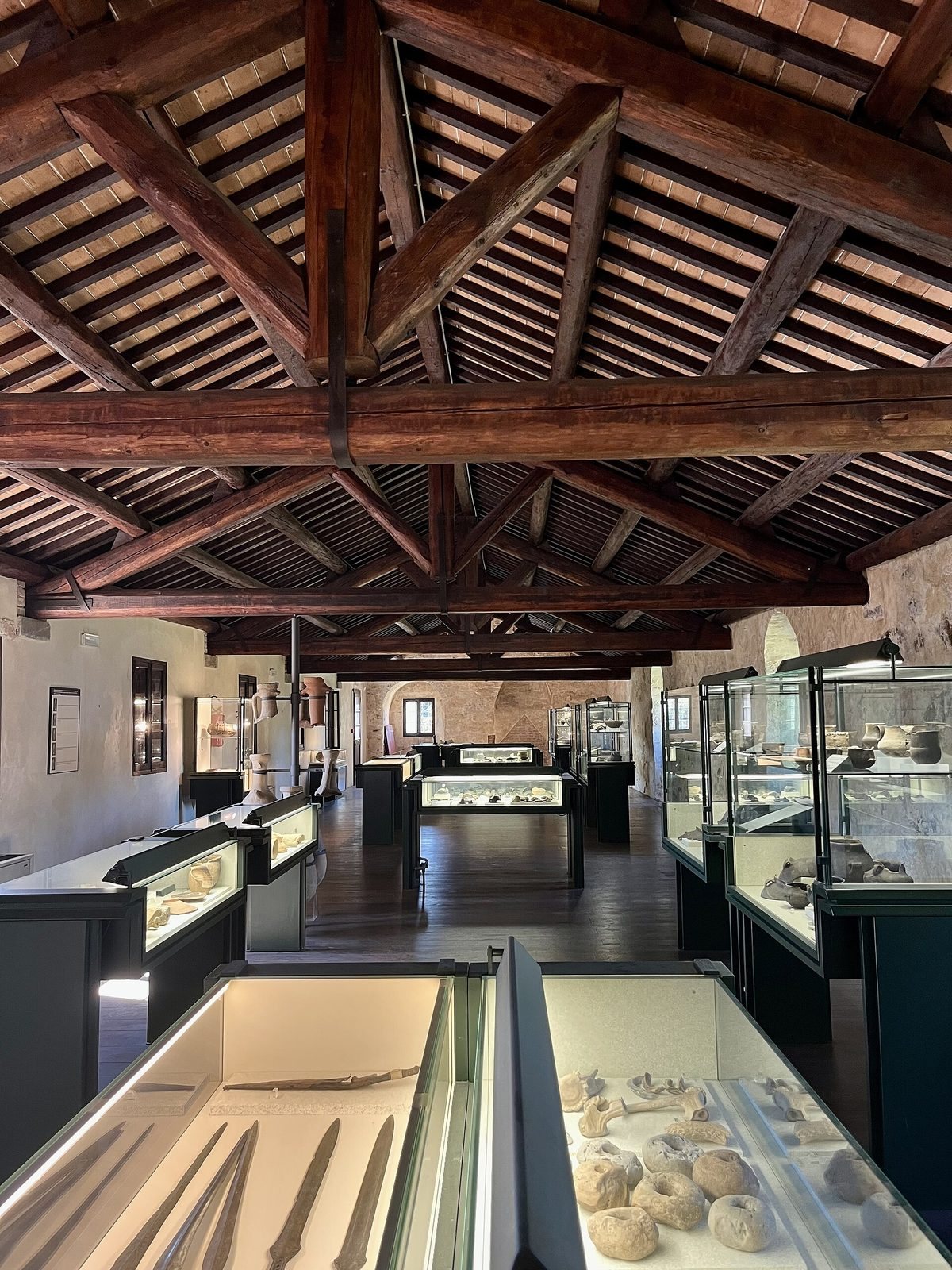
As timber trade declined, the castle became a private residence and later fell into disrepair. It passed to the Filippini, members of the Catholic Oratorian congregation, and then belonged to the Antonini Papafava dei Carraresi family from 1930 to 1978. The Province of Padua has owned it since 1979 and established the Archaeological Museum of the Bacchiglione River there.
Remains
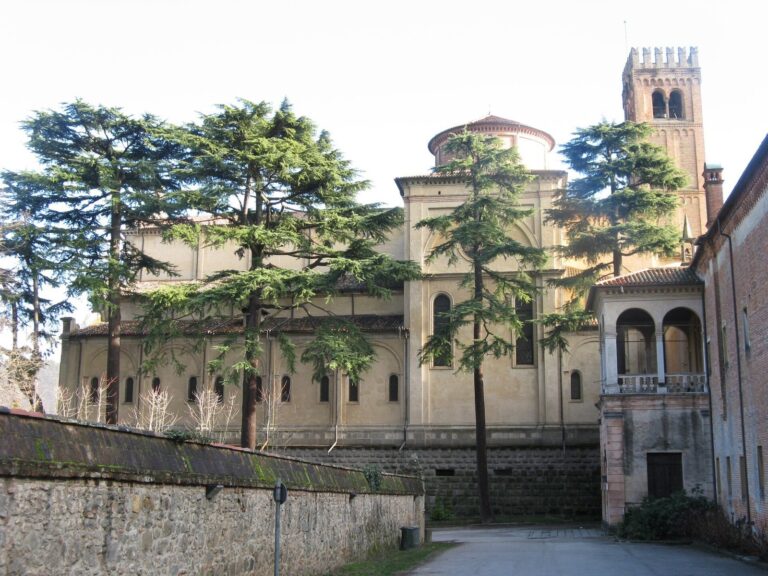
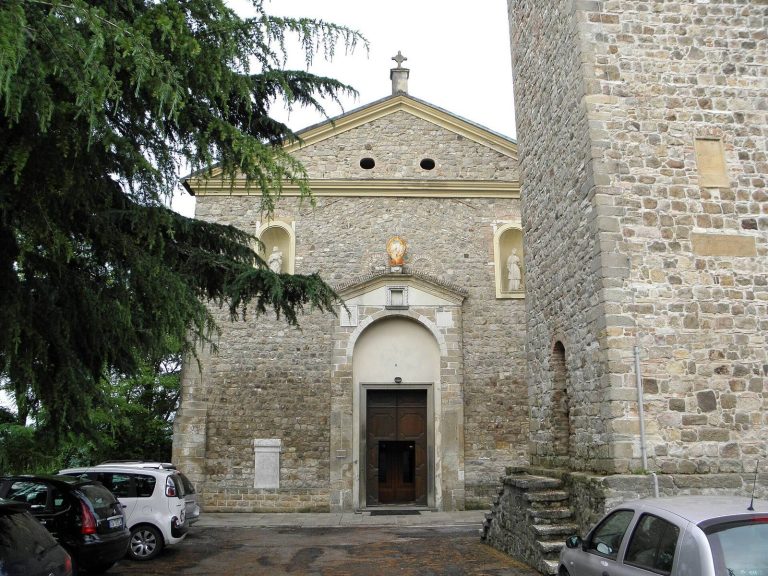
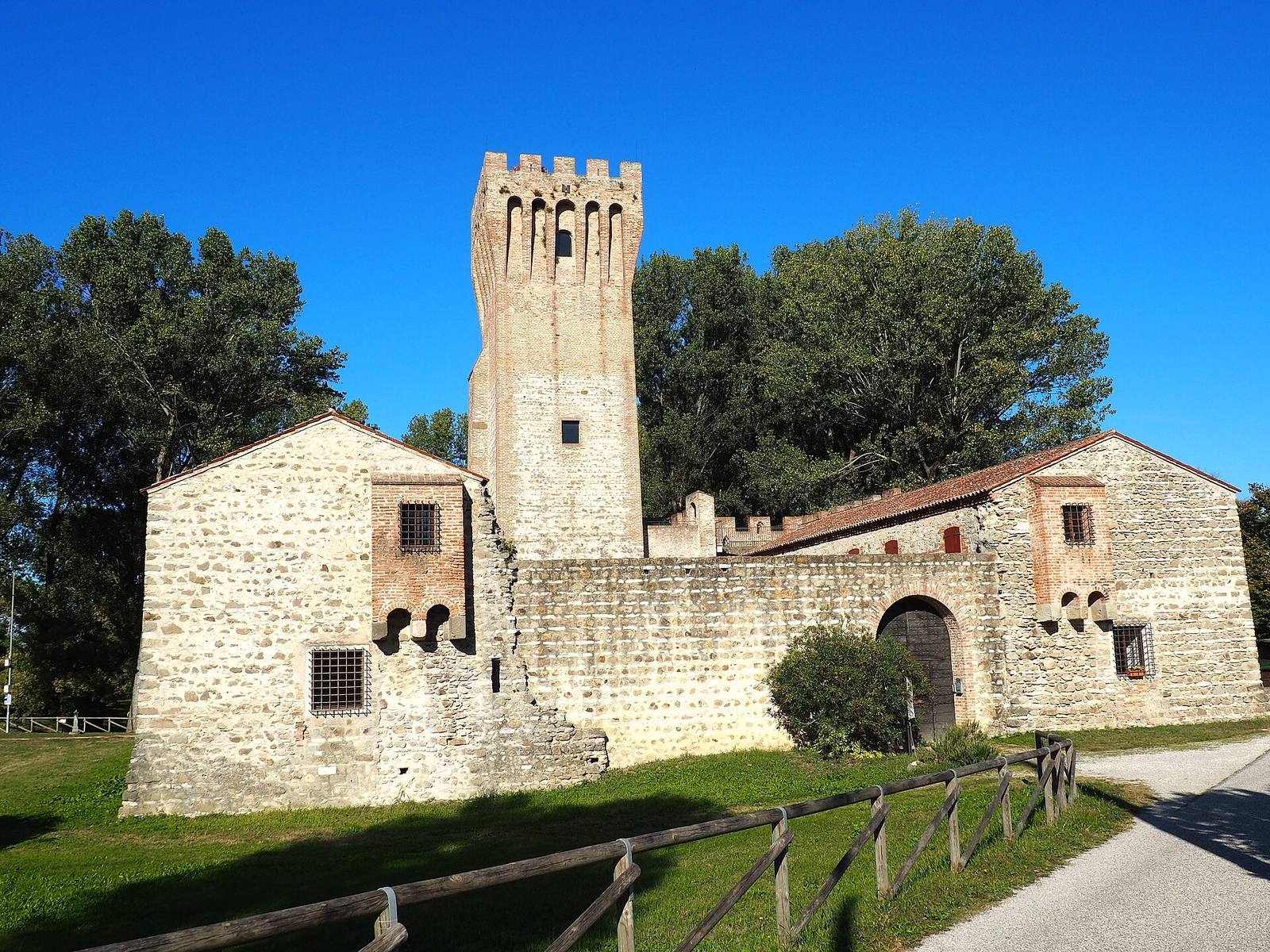
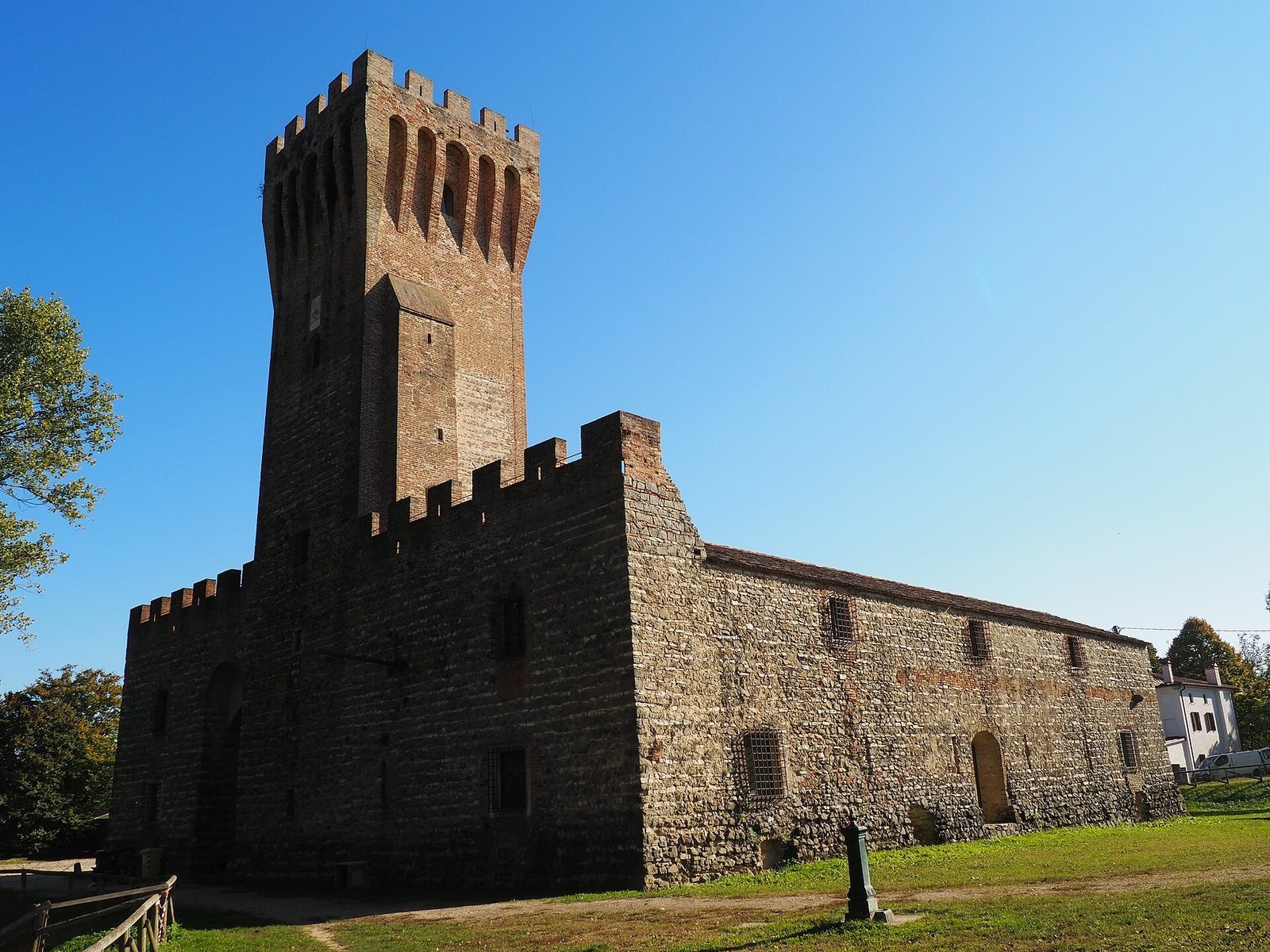
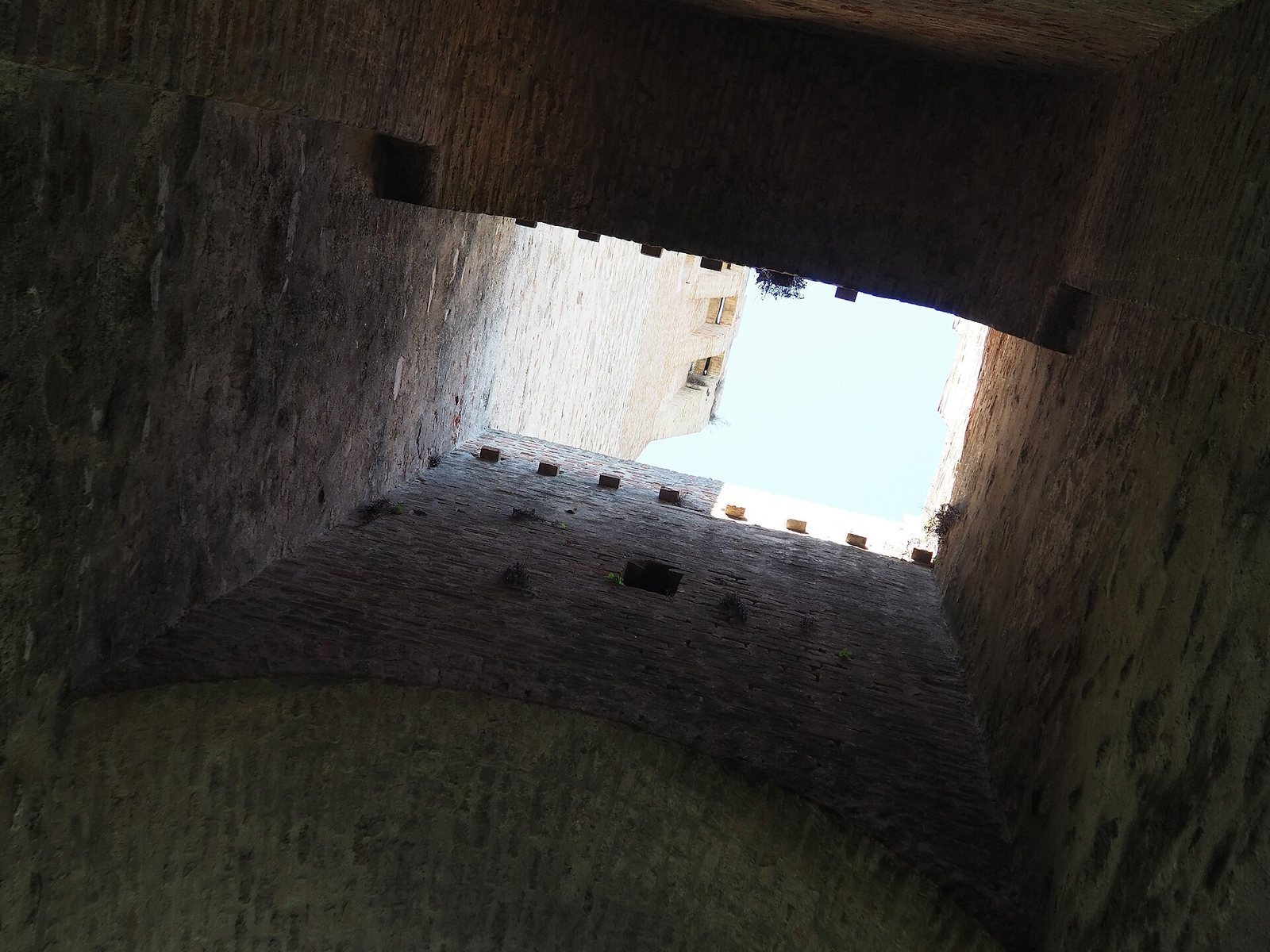
The fortress stands on the right bank of the Bacchiglione. Its physical form includes an enclosing wall and a tower that forms its oldest part.
Restoration by the Carraresi particularly affected the enclosing wall and the tower’s battlements. These are the principal architectural features described for the castle.