Palazzo Guevara di Bovino: A Nineteenth-Century Palace in Naples
Site at a Glance
- Popularity
- Medium
- Country
- Italy
- Primary era
- Modern
- Eras represented
- Modern
- Civilizations
- Unclassified
- Site type
- Domestic
- Remains
- Elite Residence
On this page7 sections
History
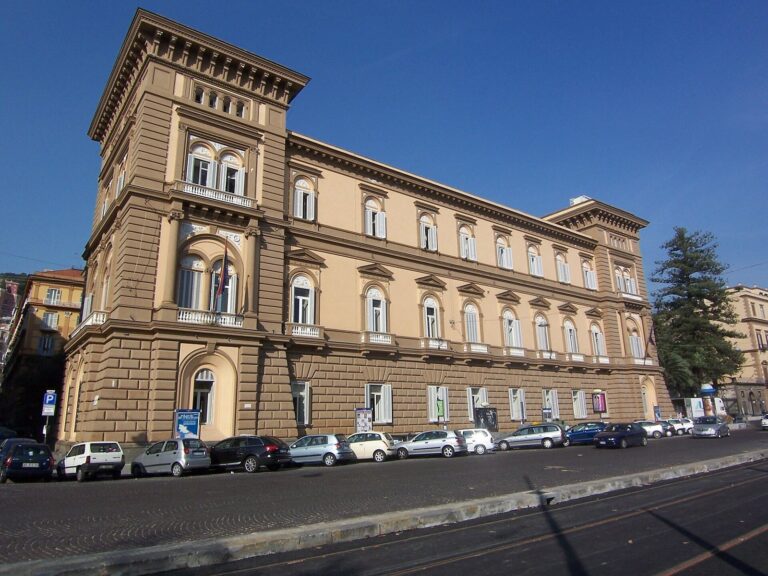
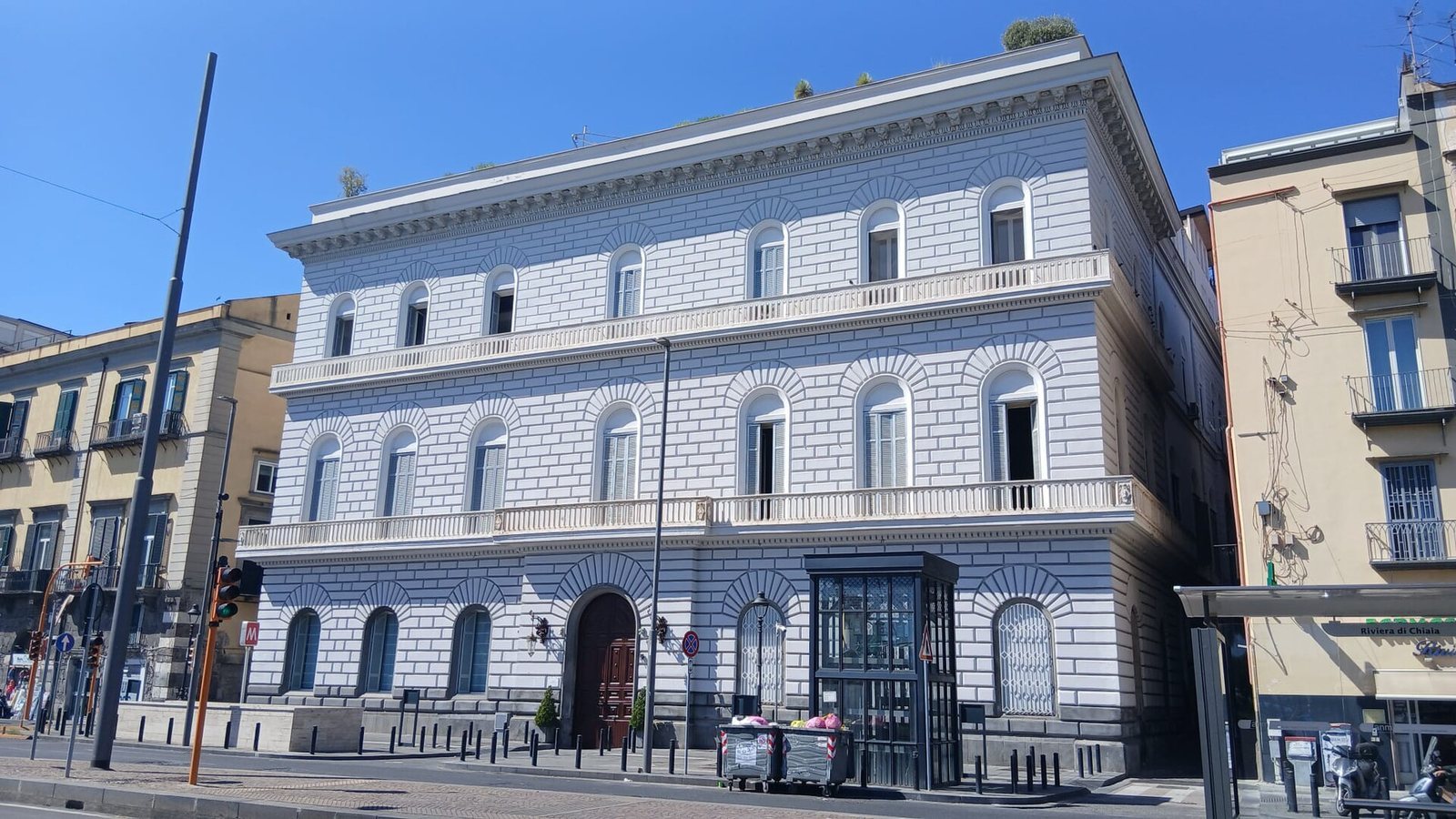
Palazzo Guevara di Bovino is a nineteenth-century palace in the Chiaia neighborhood of Naples, Italy. Ettore Moscarella built it in a style influenced by Florentine Renaissance architecture, using Palazzo Pitti, a major Renaissance palace in Florence, as a model.
Ownership and uses
The palace first belonged to the Guevara family, dukes of Bovino, and later passed to the Caracciolo family, marquises of Bella. In 1906 it became the property of the Di Marzo family. Members of the Pignatelli family lived on the first floor, which was later used by the French Consulate.
Collapse and restoration
On 4 March 2013, the wing on the left side of the main facade collapsed; no one was injured. Work on the Arco Mirelli station of Naples Metro Line 6 had probably damaged the palace’s load-bearing structure. After judicial proceedings concluded, reconstruction of the wing and restoration of the building began about five years later. The work was completed in July 2019.
Remains
Palace layout and decoration
Facade
The palace stands on the Riviera di Chiaia, facing Piazza della Repubblica. It has a ground floor and three upper floors. Designed by Giuseppe Pisanti, the facade is covered in smooth rustication, a masonry finish that outlines individual stone blocks while leaving their faces smooth. Marble balconies extend across the full width of each of the two upper floors.
Principal-floor rooms
Frescoes by Ignazio Perricci survive in rooms on the principal floor that formerly served as a ballroom and library.