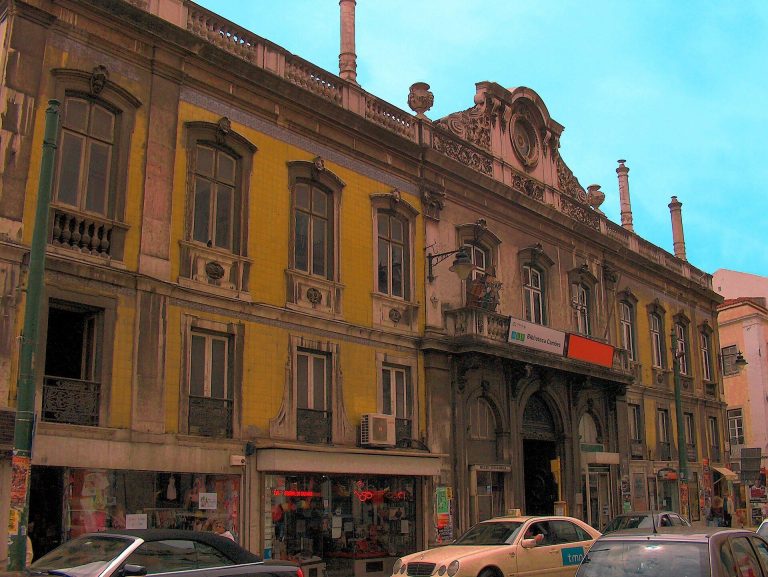
Alvor-Pombal Palace: Lisbon Home of the National Museum of Ancient Art
Site at a Glance
- Popularity
- Medium
- Country
- Portugal
- Primary era
- Early Modern
- Eras represented
- Early Modern
- Civilizations
- Portuguese
- Site type
- Domestic
- Remains
- Palace
On this page5 sections
History
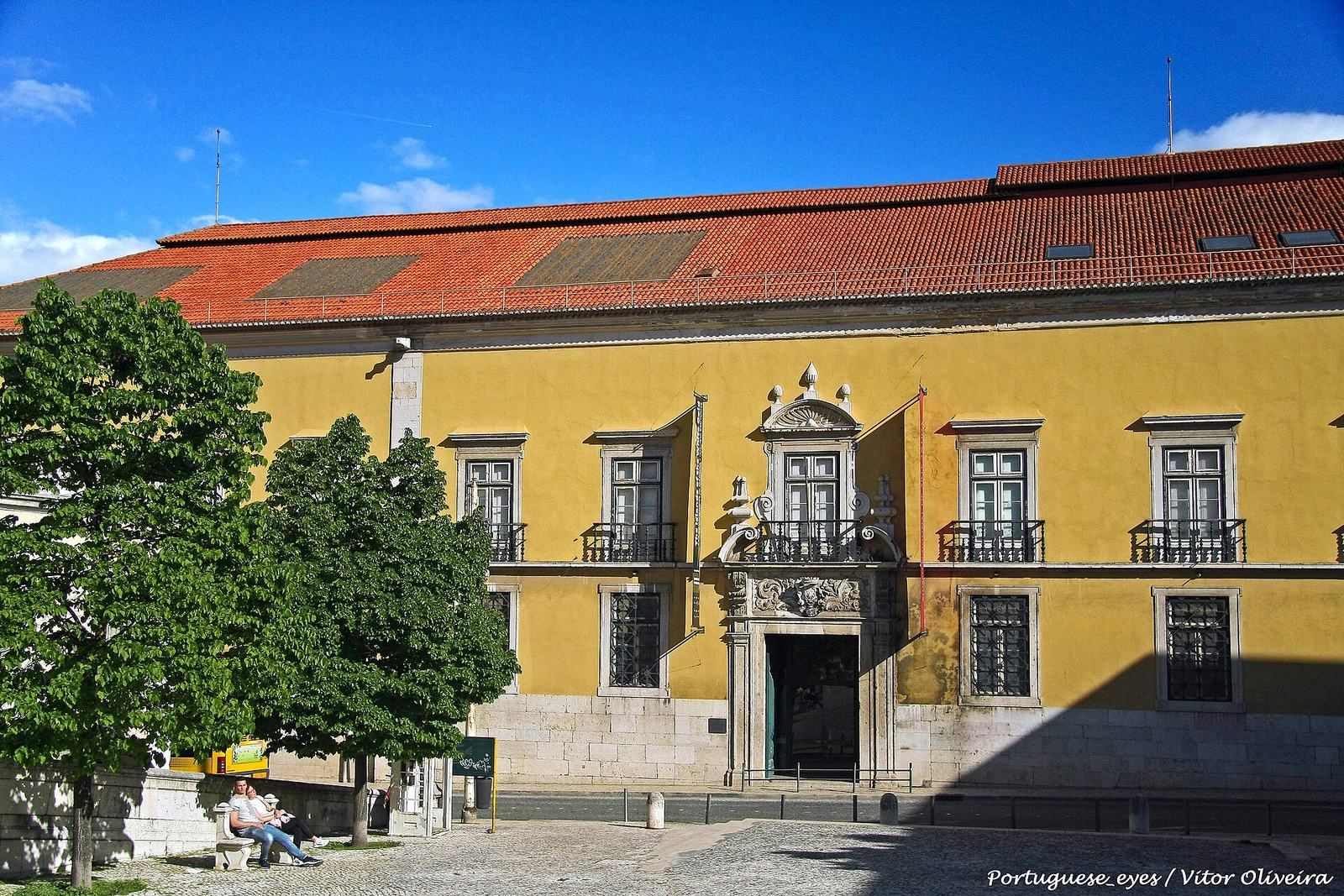
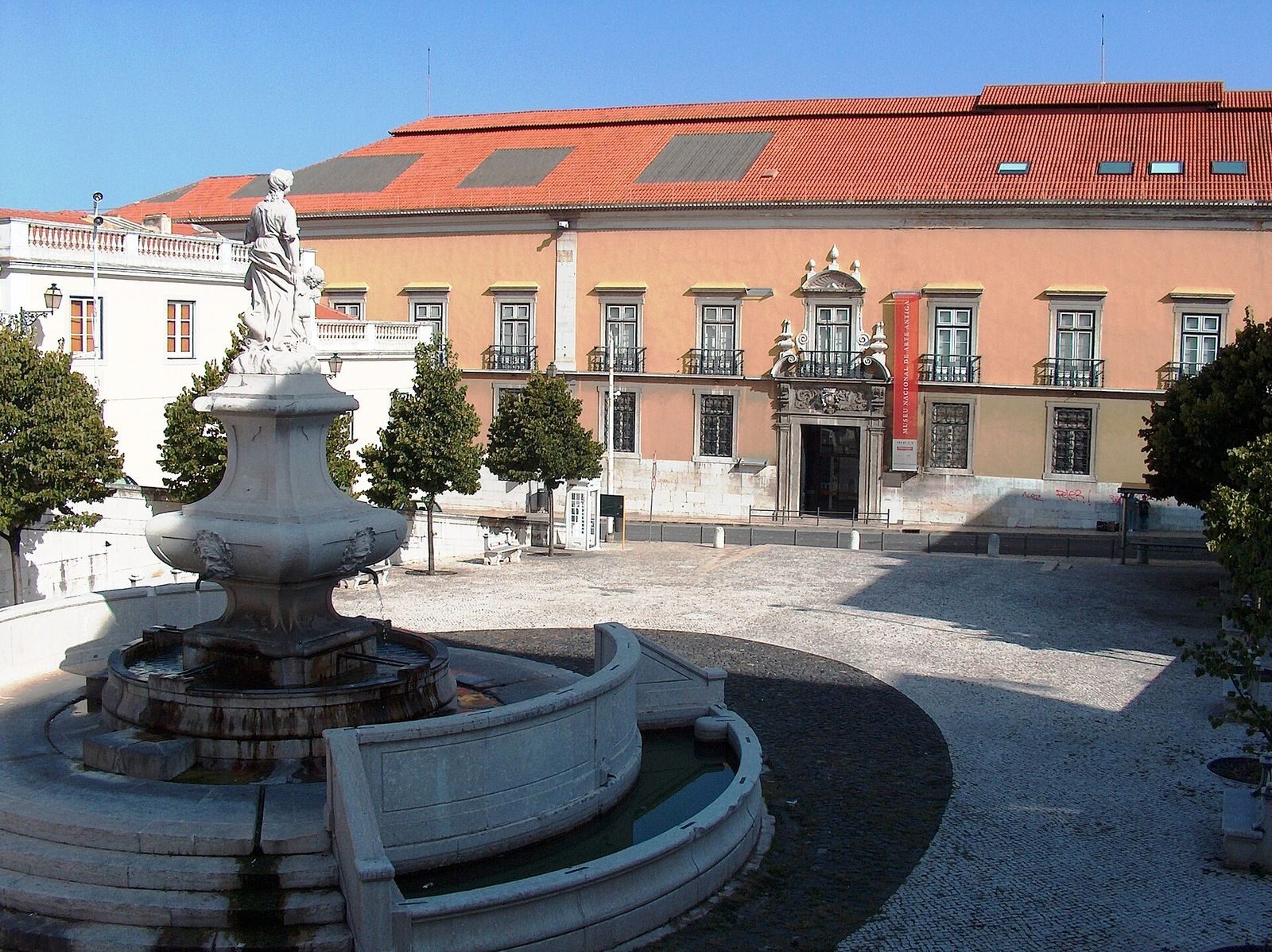
Alvor-Pombal Palace is a 17th-century palace in Lisbon’s Estrela district, Portugal, built in 1690 by Francisco de Távora, a Portuguese nobleman who served as viceroy of the Indies, governing on behalf of the monarch. Its history includes confiscation, aristocratic ownership, residence by Empress Amélie of Leuchtenberg, and use as a national museum.
Confiscation and changing ownership
After the Távora affair, a political crisis that followed an attempt on King Joseph I’s life in 1758, the palace was confiscated from the Távora heirs. The persecution of the family was associated with the government of the Marquis of Pombal, a leading statesman under Joseph I. Matias Aires Ramos da Silva later acquired the property. In 1760 it passed to Paulo de Carvalho, the Marquis’s brother, who inherited it from him in 1770.
Empress Amélie at the palace
After Princess Maria Amélia of Brazil died in 1853, Empress Amélie of Leuchtenberg moved into the palace with a circle of friends. The widow of Pedro I, Emperor of Brazil, spent the final twenty years of her life there. The household had a monastic atmosphere, though distinguished visitors came to keep her company. Princess Imperial Isabel of Brazil and her husband, Gaston d’Orléans, visited in 1865. Emperor Dom Pedro II and Empress Teresa Cristina came in 1871, and in late 1872 Joséphine of Leuchtenberg, the dowager queen of Sweden, met Amélie at the palace. Amélie died there in her sleep at dawn on 26 January 1873.
National museum
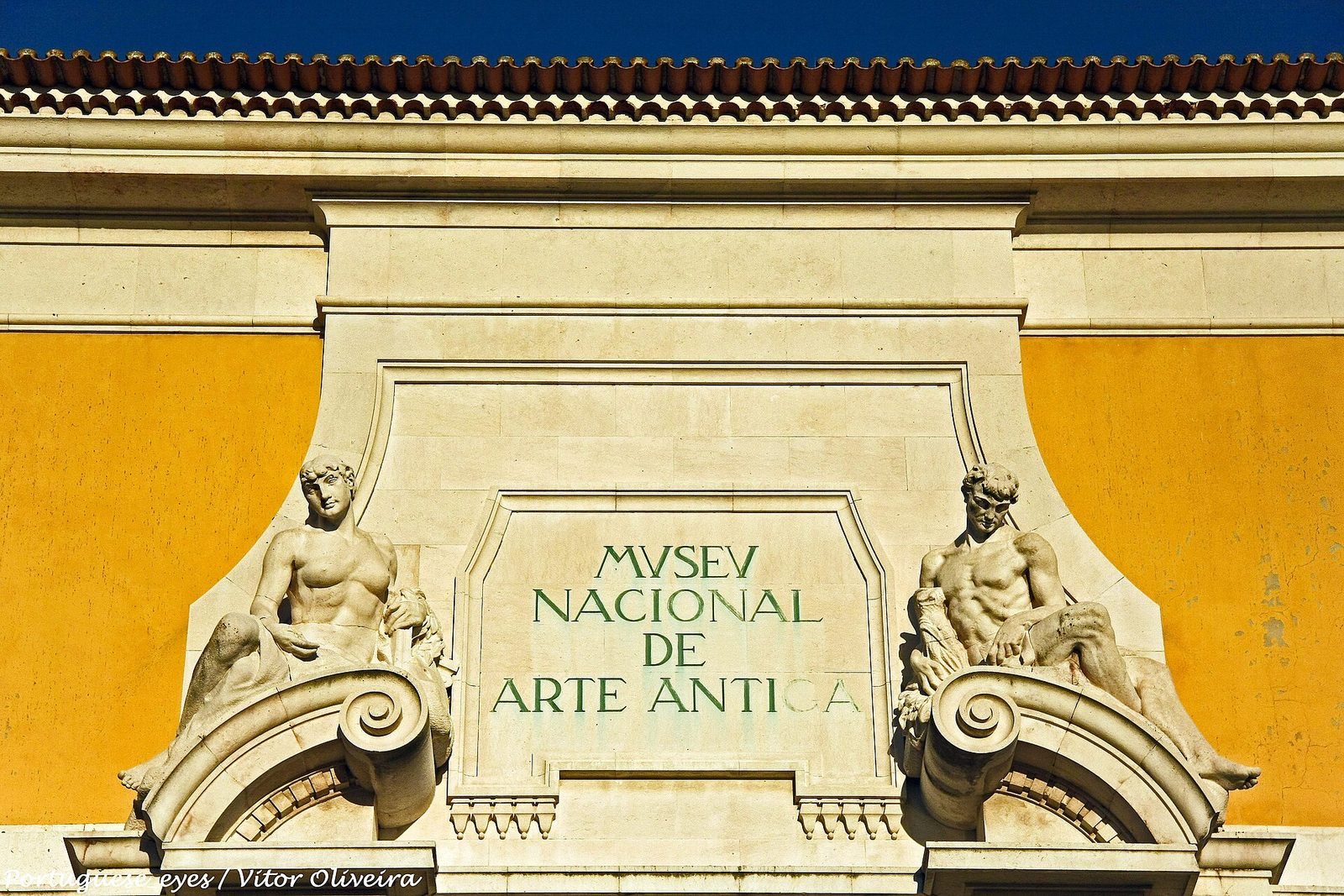
The National Museum of Fine Arts and Archaeology opened in the palace in 1884, in the presence of King Luís. It was renamed the National Museum of Ancient Art in 1911 and remains housed in the building.
Remains
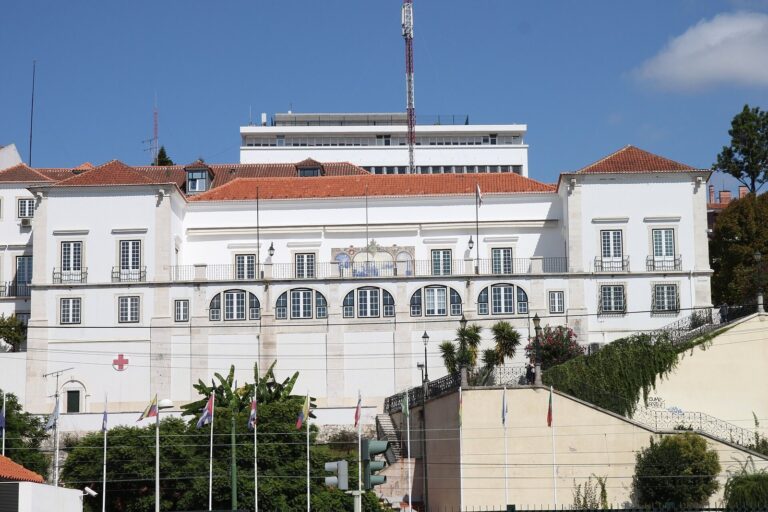
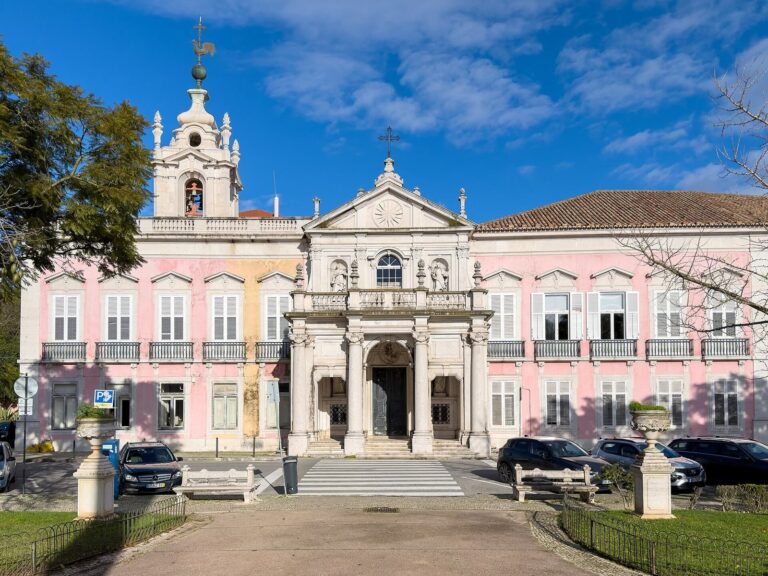
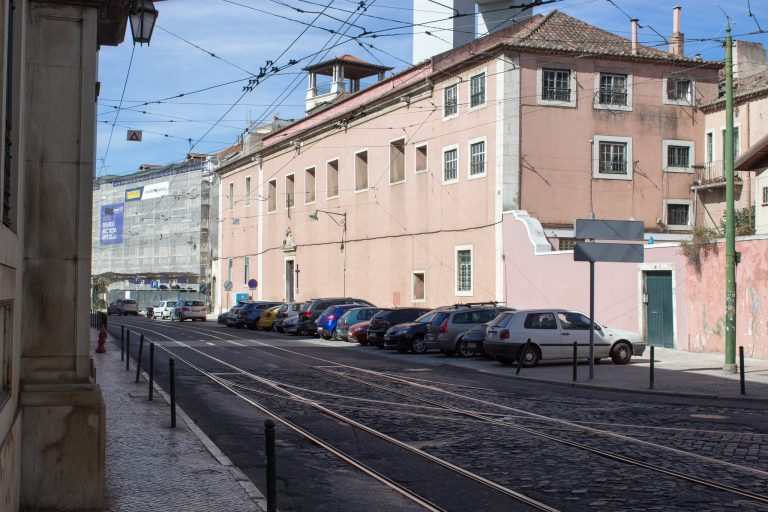
Also known as the Palace of the Green Windows, the palace was built beside the Convent of Santo Alberto. Its architecture has 17th-century characteristics, while later restorations and additions introduced influences from Rococo, an ornate European style that developed in the 18th century.