Reschenstein Castle: A High-Medieval Hilltop Castle in Germany
Site at a Glance
- Popularity
- Medium
- Country
- Germany
- Primary era
- Medieval
- Eras represented
- Medieval
- Civilizations
- Holy Roman Empire
- Site type
- Military
- Remains
- Castle
On this page6 sections
History
Medieval origins
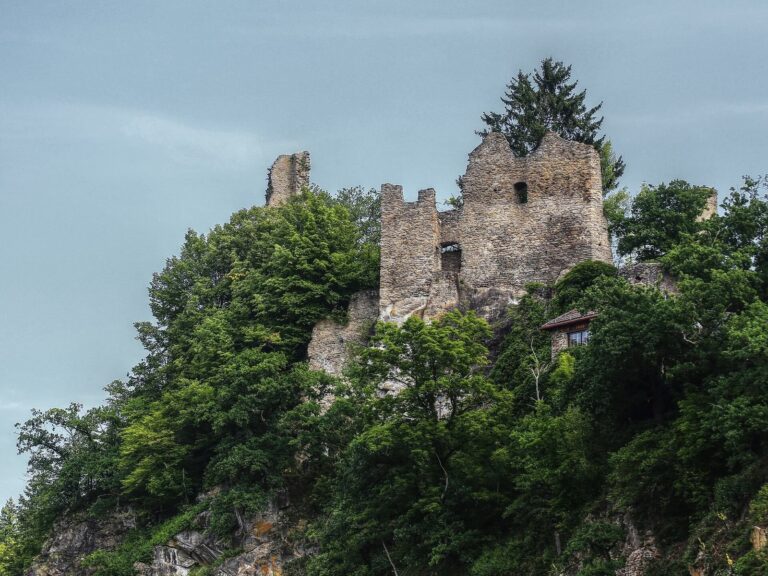
Reschenstein Castle is a high-medieval hilltop castle on a wooded ridge near Passau’s Hals district in Germany. Built before 1384, it was first mentioned in writing that year as an outwork, or secondary fortification, of Hals Castle. At the beginning of the sixteenth century, a bishop’s steward, an official responsible for managing a bishop’s affairs, lived at the castle. It was later abandoned and fell into decay.
Transfer and reuse
A border treaty with Bavaria returned the castle to the County of Hals in 1690. From 1816 to 1819, masonry from the castle was used to build Hals parish church. Franz Stockbauer, founder of Passau’s Löwenbrauerei brewery, bought the property in 1907 and developed it as a country estate.
Twentieth century
At the end of the Second World War, the castle was temporarily used as a refugee camp. It is now privately owned.
Remains
Castle site
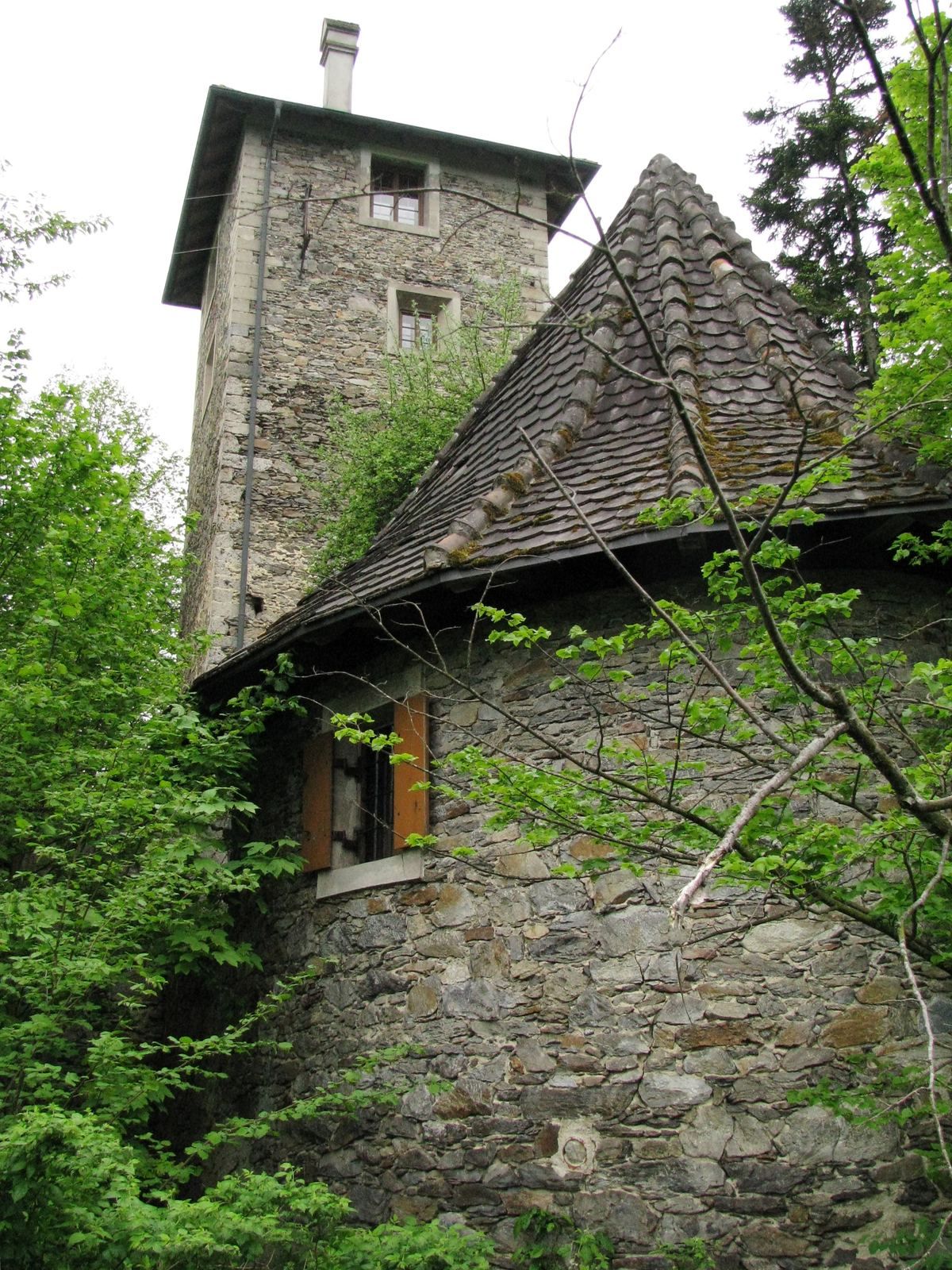
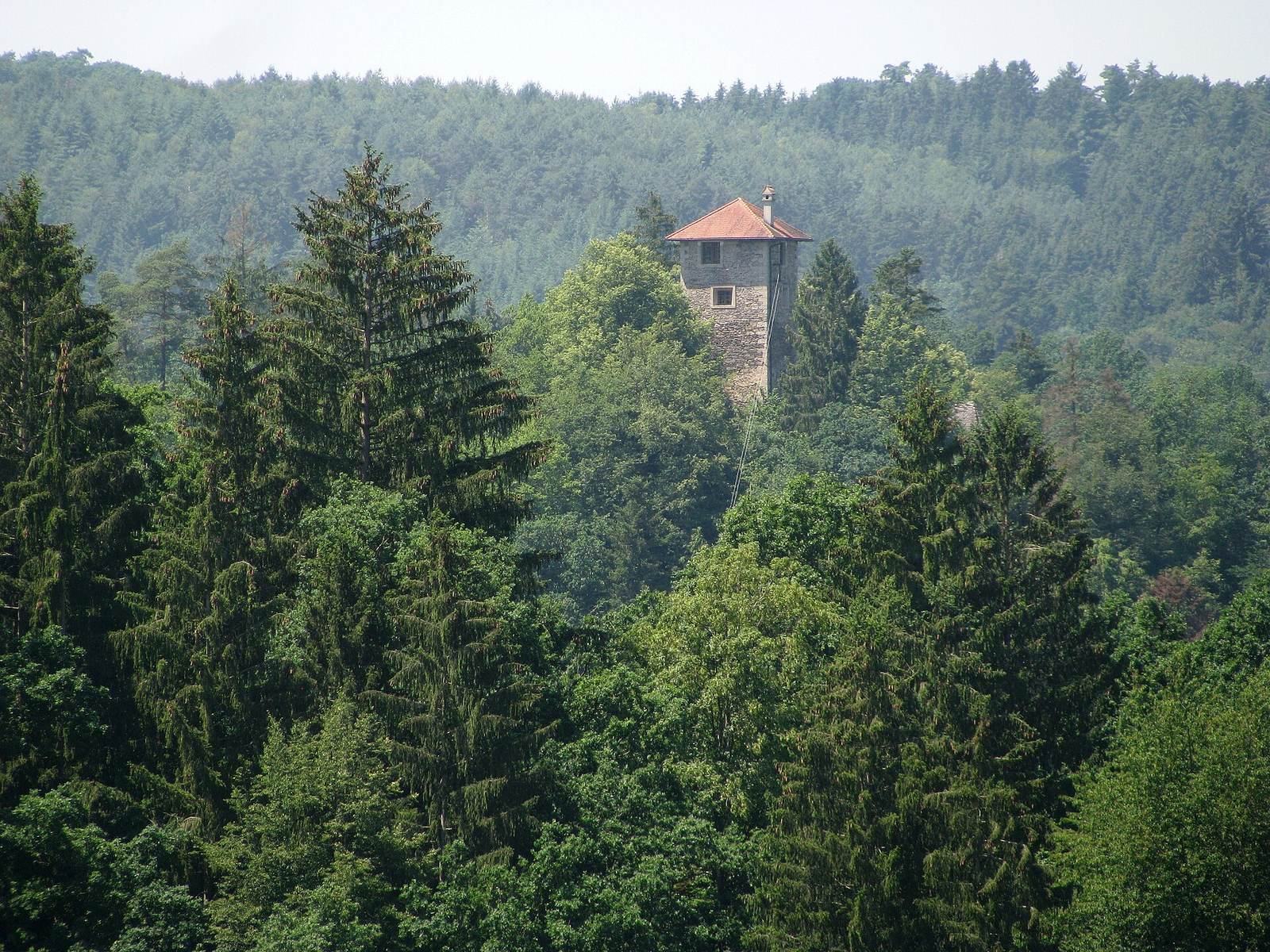
The castle occupies a spur of a wooded ridge surrounded by a loop of the Ilz River. A square defensive tower has been roofed and adapted for use; other parts of the castle survive as ruins, while some have disappeared. Subsurface archaeological remains and finds from the medieval and early modern periods are present in the area of the ruins.