Jagdschloss Haideburg: A Hunting Lodge in Dessau-Roßlau, Germany
Site at a Glance
- Rating
- 4.5
- Popularity
- Low
- Country
- Germany
- Primary era
- Early Modern
- Eras represented
- Early Modern, Modern
- Civilizations
- German, Holy Roman Empire
- Site type
- Domestic
- Remains
- Castle
On this page4 sections
History
Construction and purpose
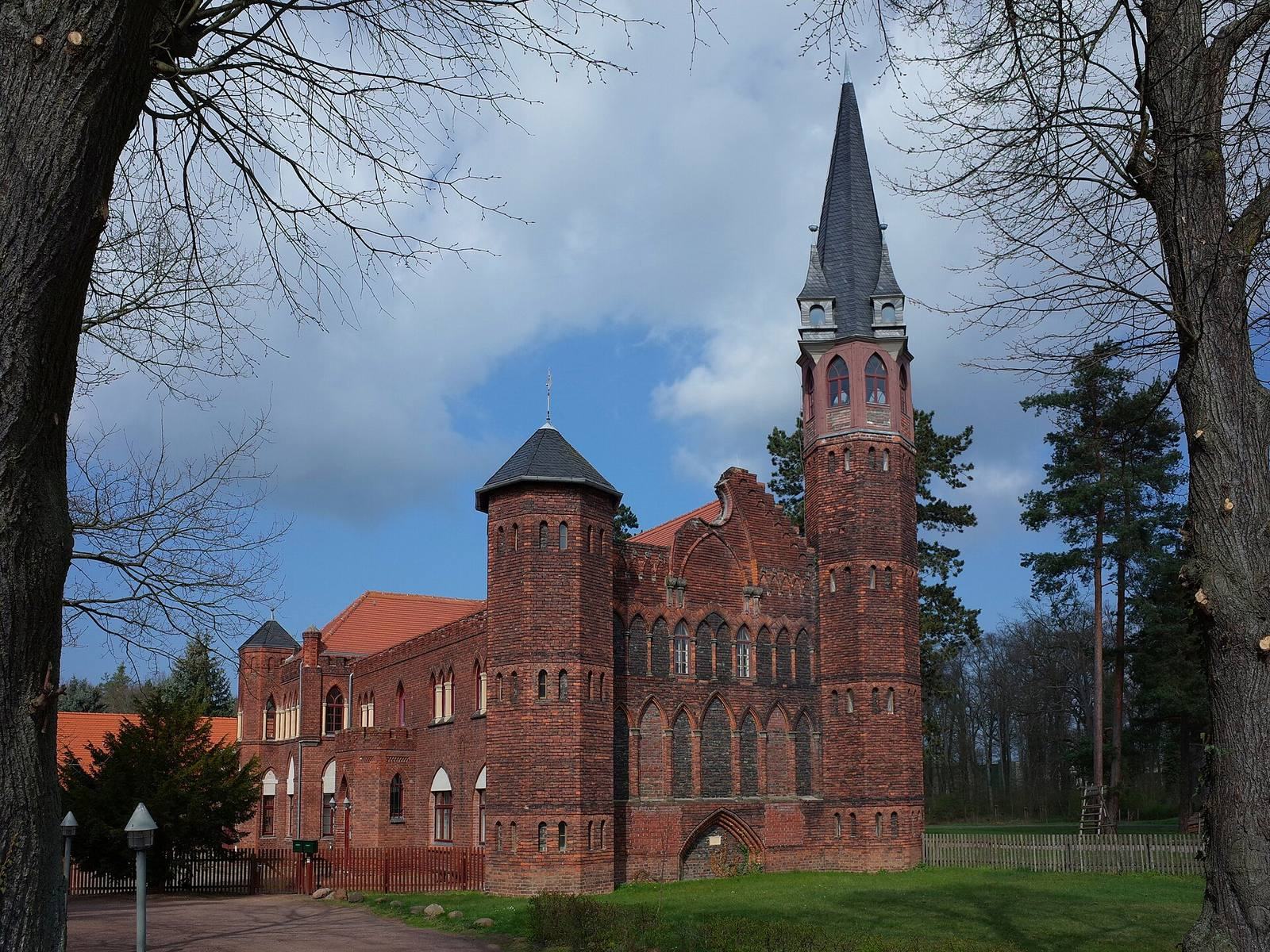
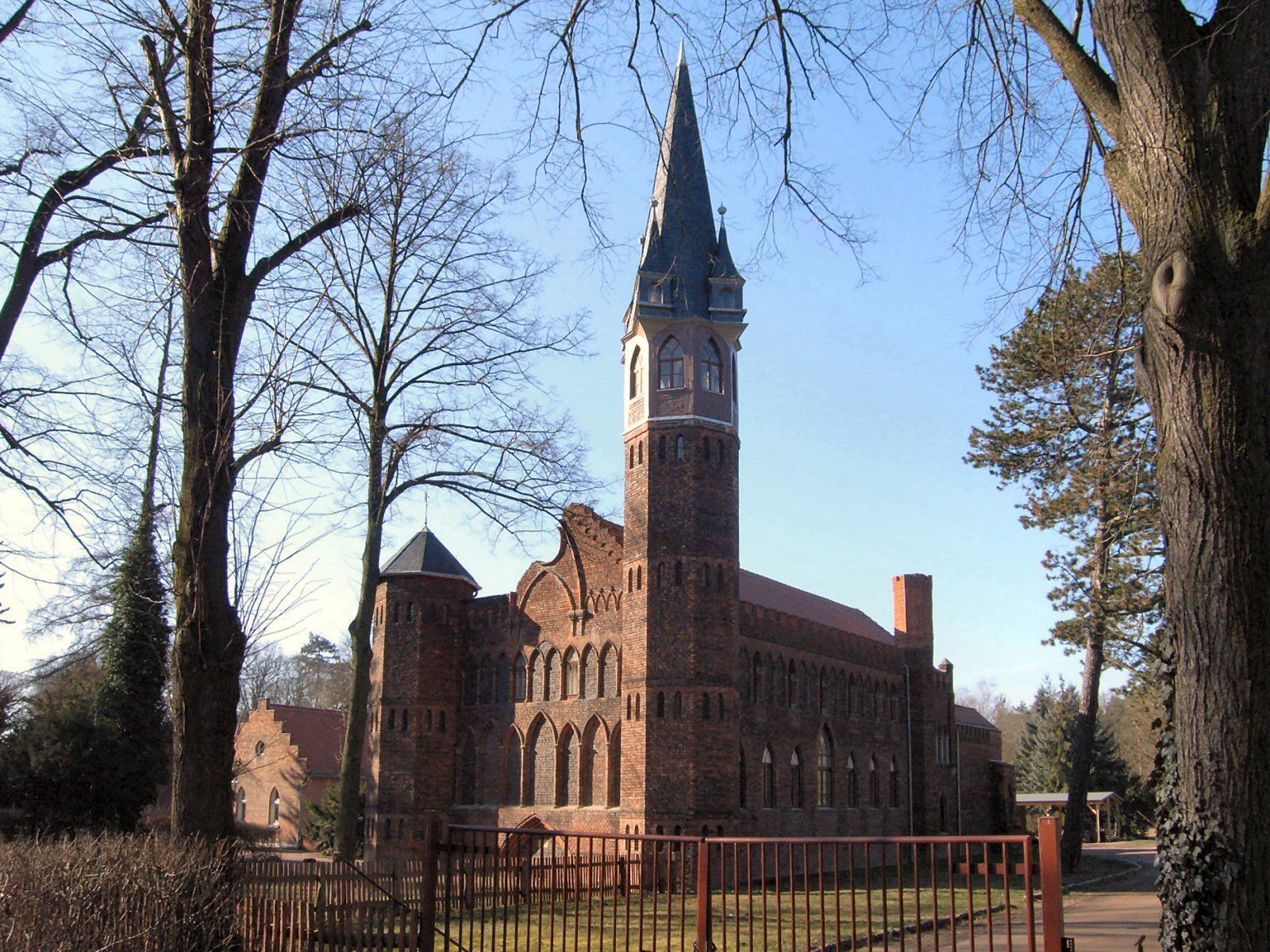
Jagdschloss Haideburg is a hunting lodge in the Mosigkauer Heide, in Dessau-Roßlau, Germany. It was built in 1782–1783 for Prince Leopold III Friedrich Franz, the ruling prince of the German principality of Anhalt-Dessau. Designed in Neo-Gothic forms, the building served both as a hunting lodge and a forestry district office. Its design was reportedly conceived as a smaller version of the Prussian coronation castle in Königsberg.
Expansion and later use
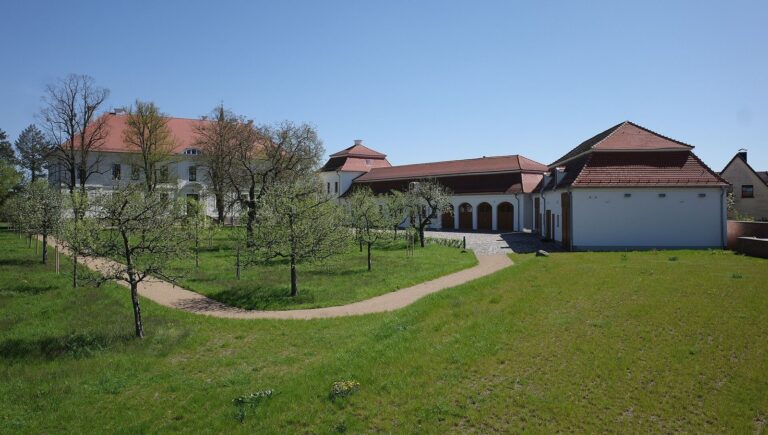
An extension and several additional buildings were added in 1903. After extensive renovation, the lodge came into use as a forest management office. It is protected as a historic monument and has belonged since 2000 to the Garden Kingdom of Dessau-Wörlitz, a designed cultural landscape of parks, gardens, and architecture.
Remains
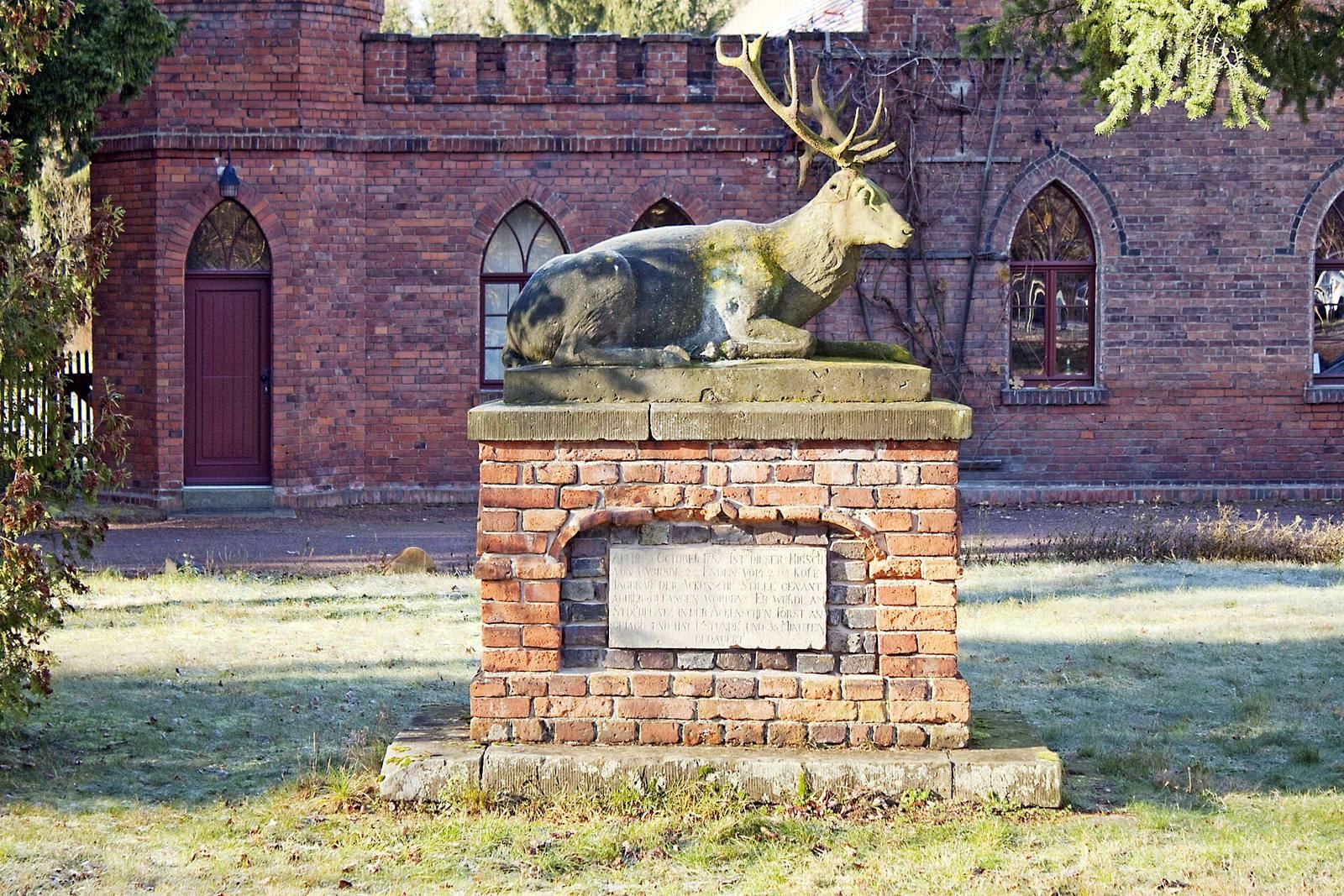
The two-storey brick lodge has a rectangular plan and Neo-Gothic features. Two octagonal towers mark its eastern side, framing a gable with a deliberately ruin-like appearance. Its decoration includes pointed arches set into the wall, pointed-arch windows, and half-columns attached to the facade. The northeast tower rises five storeys and has a pointed roof topped by four smaller turrets. The main entrance is designed to resemble a castle tower. The lodge’s gabled roof slopes to a hipped end on the south and is covered with flat, rounded-end tiles; the parapet on that side has a battlement-like pattern of raised sections and gaps. The lodge, extension, and ancillary buildings are grouped around an elongated rectangular courtyard. The later buildings use Historicist forms, an approach that revived and reinterpreted earlier architectural styles.