Blue Castle at Obernzenn: A Late-Baroque Residence in Germany
Site at a Glance
- Rating
- 4.5
- Popularity
- Medium
- Country
- Germany
- Primary era
- Early Modern
- Eras represented
- Early Modern
- Civilizations
- Holy Roman Empire
- Site type
- Domestic
- Remains
- Castle
On this page8 sections
History
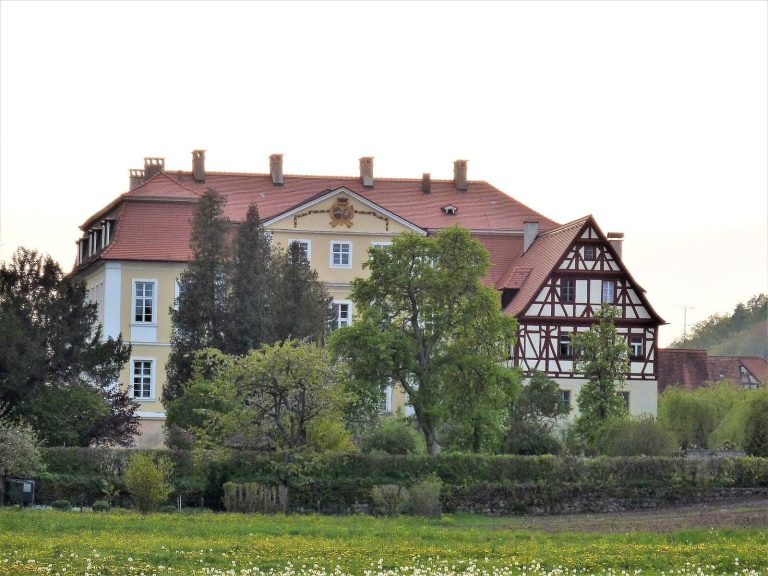
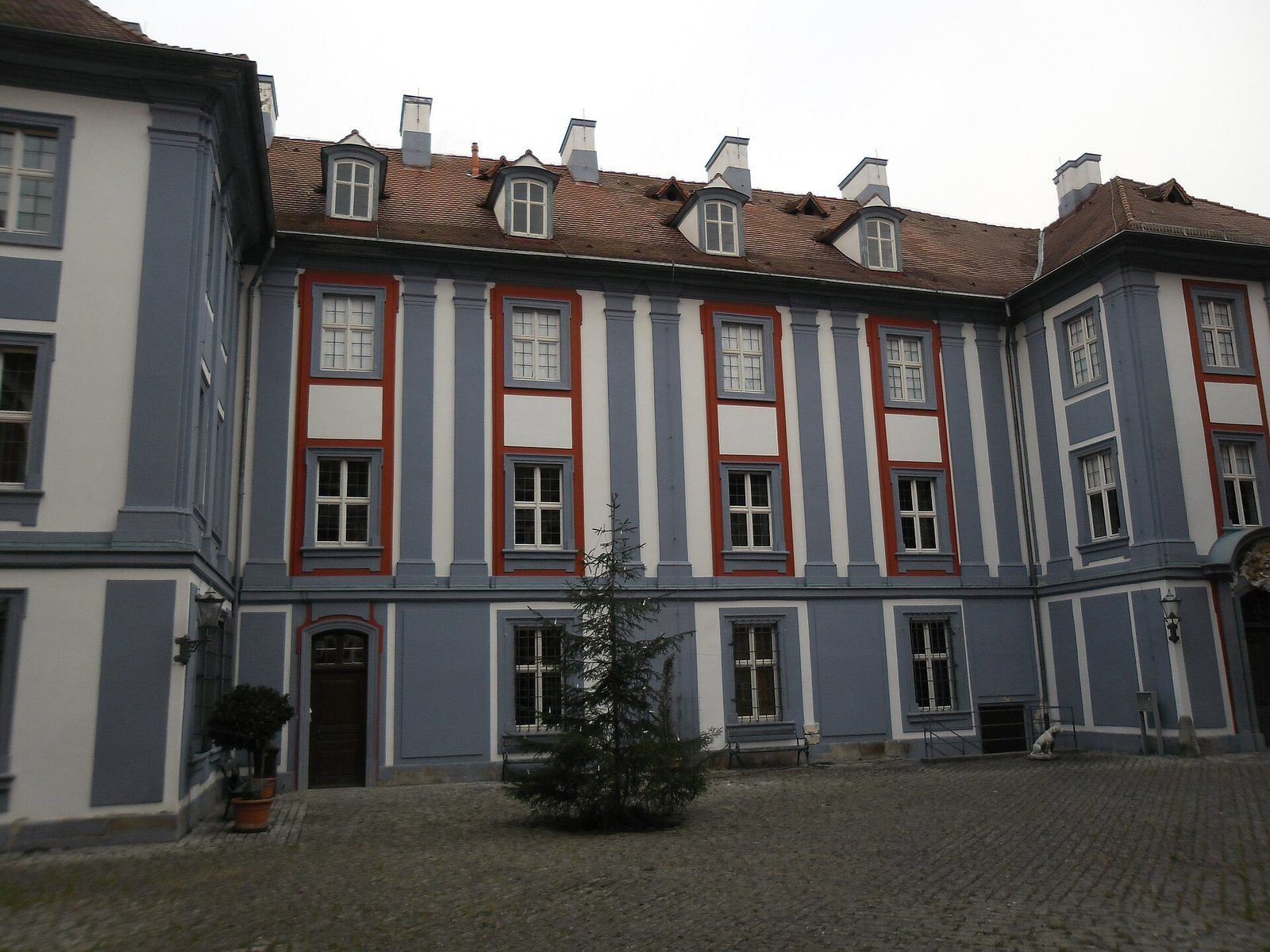
The Blue Castle at Obernzenn is a late-Baroque residence in Germany, begun by the Seckendorff-Aberdar family in 1696. It developed in several building phases from an earlier fortified site surrounded by a moat.
Medieval predecessor and first phase
A moated fortified site stood here during the Middle Ages. In 1696, Ansbach court official Christoph Sigmund von Seckendorff-Aberdar received the old castle of the Aberdar family line and began construction of the present north wing.
Eighteenth-century expansion
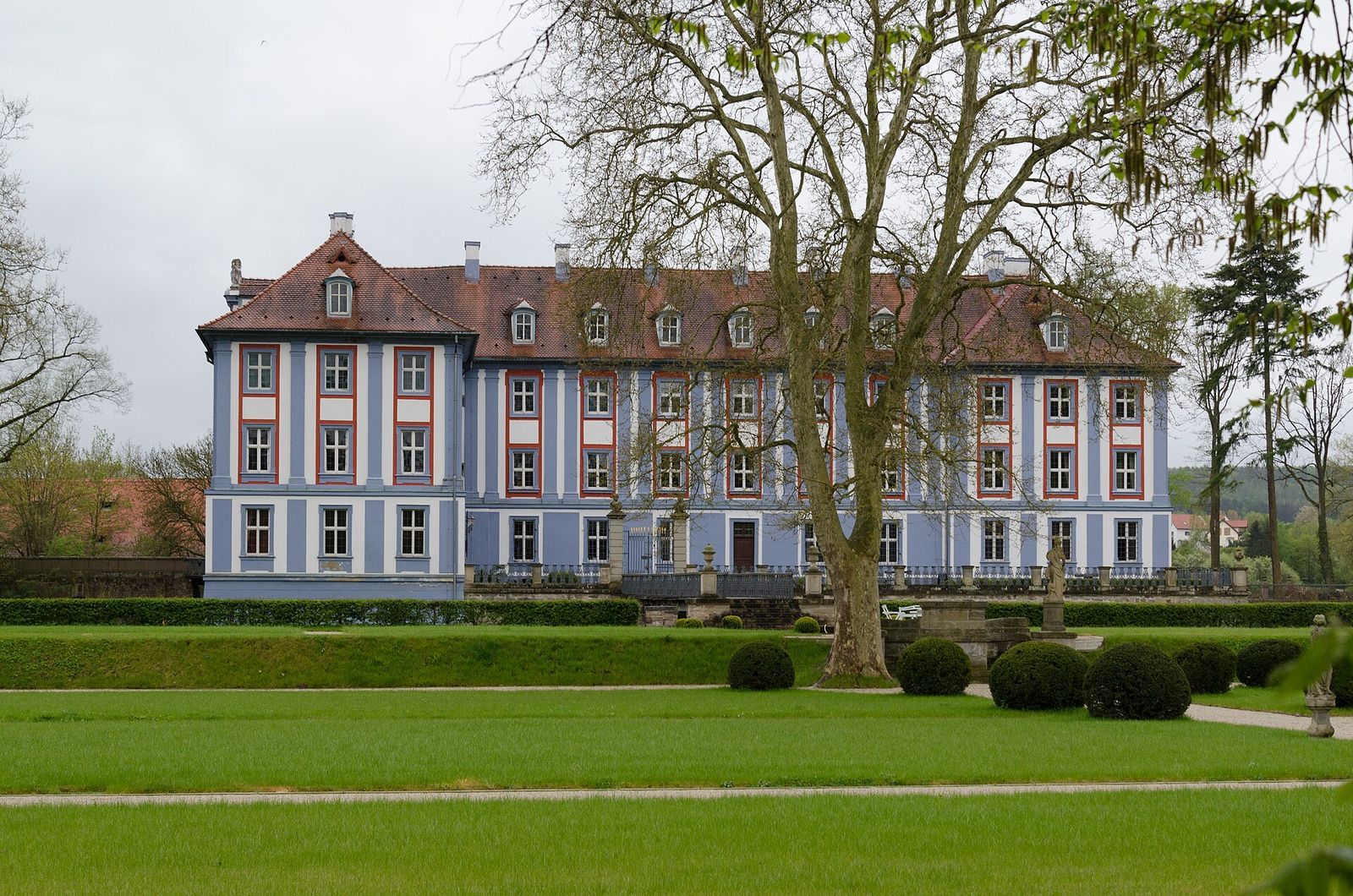
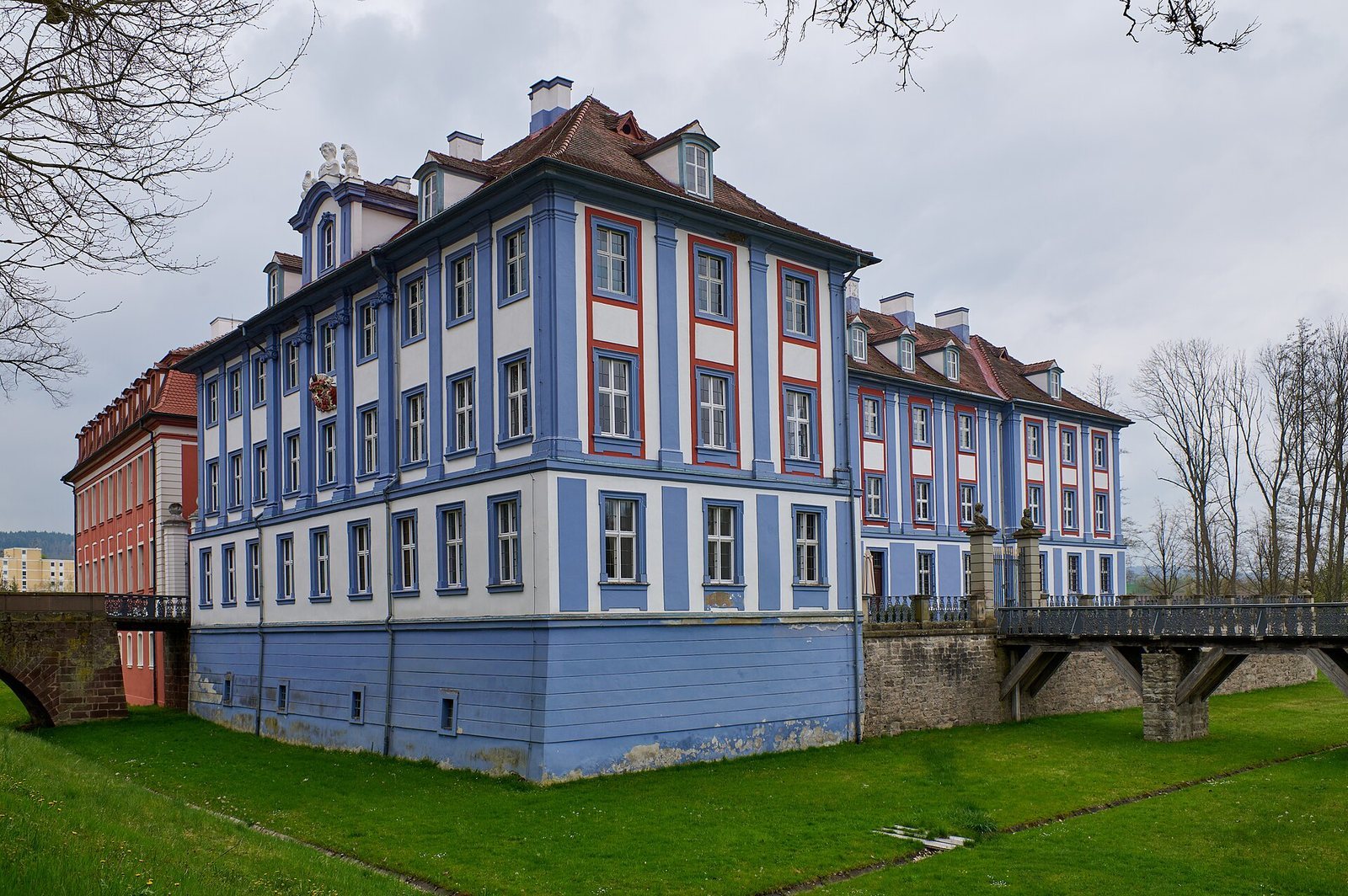
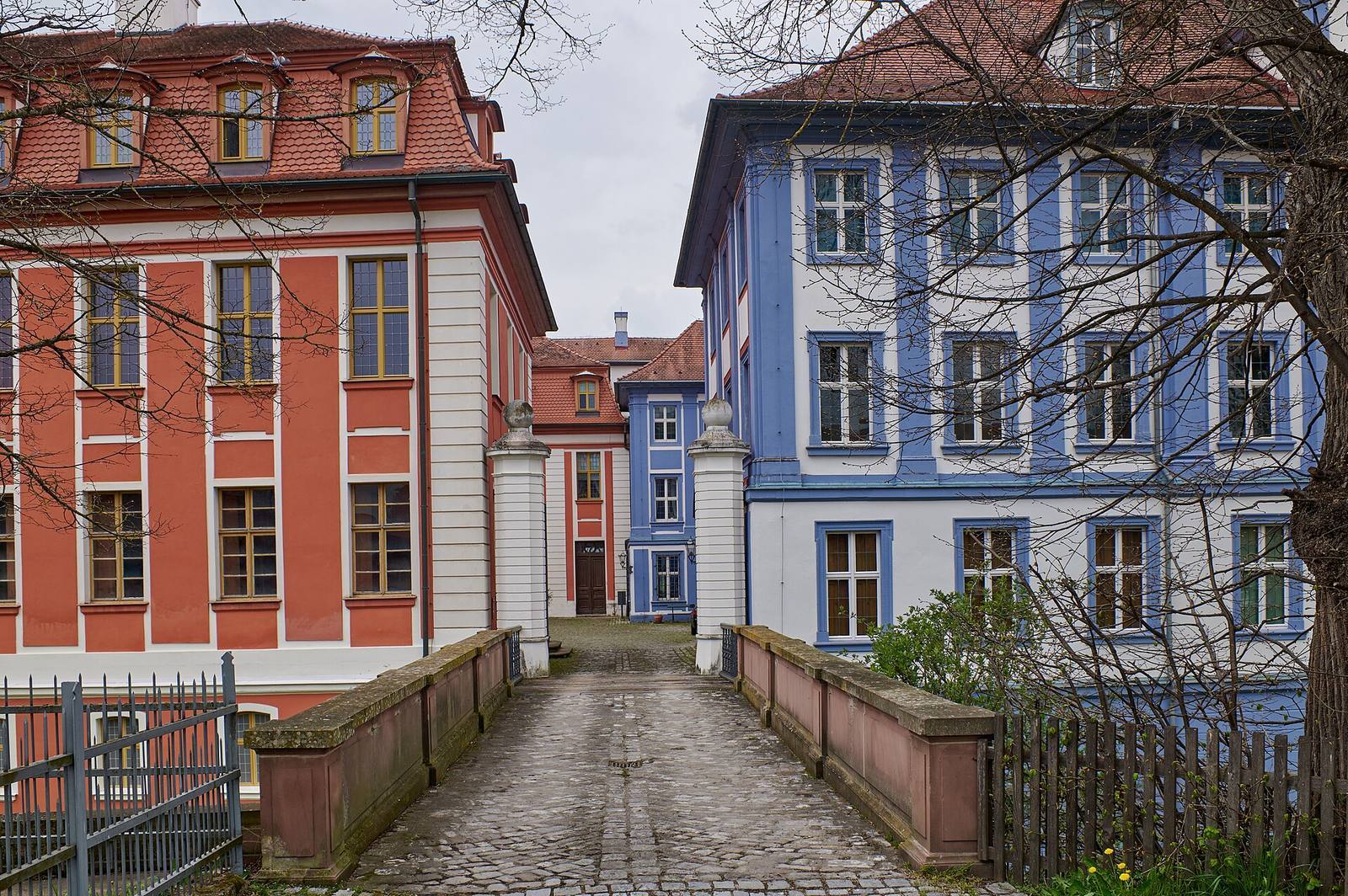
Christoph Sigmund’s son, Philipp Albrecht, continued the work from 1711 to 1718. An Ansbach court official, he probably engaged court architect Gabriel de Gabrieli to plan the east wing. Around 1745, the Seckendorff-Gutend barons built the neighboring Red Castle on the foundations of an earlier structure. The Blue and Red Castles take their names from the dominant colors of their facades.
From 1756 to 1758, Christoph Ludwig von Seckendorff-Aberdar, Christoph Sigmund’s grandson, had the west wing built. Christoph Ludwig was prime minister and president of the Privy Council, the ruler’s senior advisory council, and served as chief adviser to Margrave Carl Wilhelm Friedrich, the territorial ruler of Brandenburg-Ansbach. Christoph Ludwig and Franz Felix Schack planned the gardens, possibly drawing on ideas from Leopoldo Retty, the court director of building works. The local family line became Imperial barons in 1706 and counts in Württemberg in 1810.
Remains
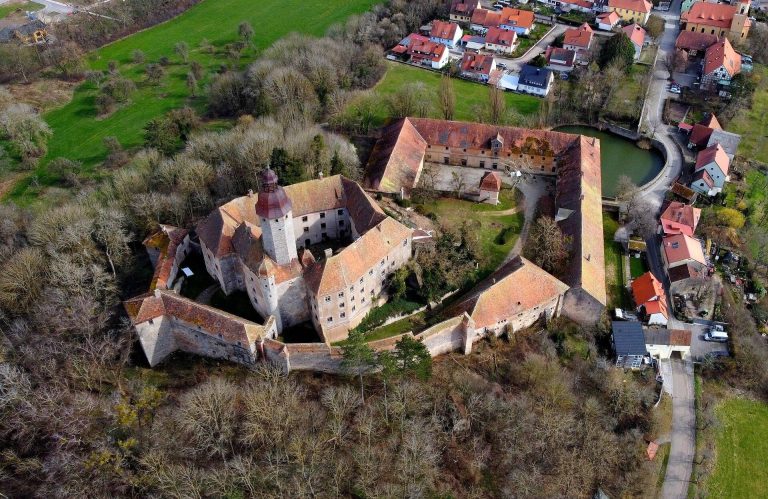
The late-Baroque complex brings together the Blue Castle and the neighboring Red Castle, whose three wings are arranged around a courtyard. The Blue Castle forms a fourth wing, with a short projection on the park side.
Castle complex
Plan and moat
The Blue Castle’s position completes the neighboring castle’s four-wing arrangement around its courtyard. A moat surrounds the castle, and a wooden bridge with a cast-iron railing crossed it by 1742.
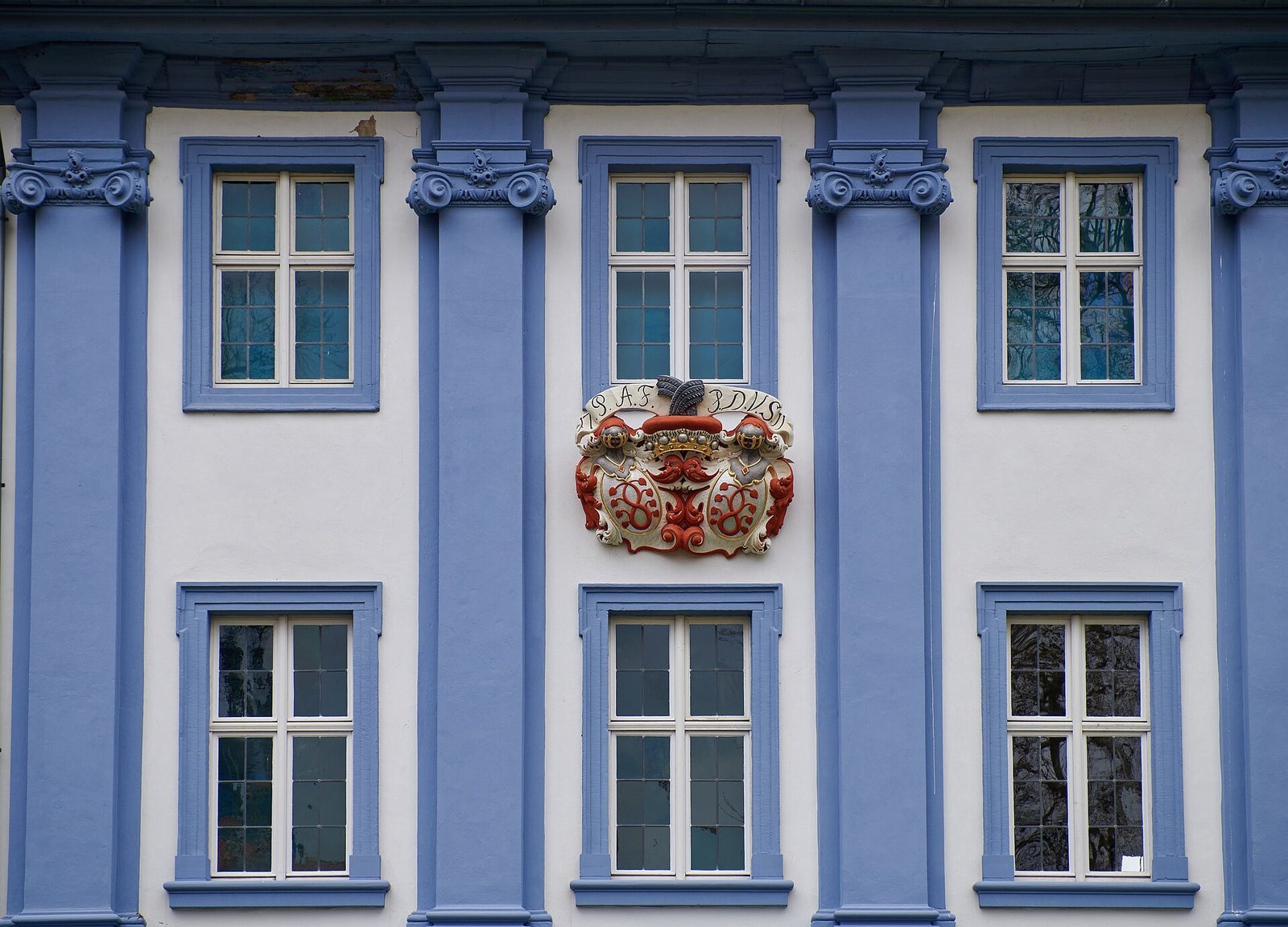
Coat of arms
An alliance coat of arms combines the heraldic emblems of the Seckendorff and Cronfeld families. Made by Ansbach sculptor Philipp Hochstein, it was added to the building in 1759.
East wing interiors
The east wing contains a picture gallery with family portraits dating from the seventeenth and eighteenth centuries. Reception rooms in the wing are decorated with stucco.