Eyckenlust Castle and the Lordship of Beek en Donk
Site at a Glance
- Rating
- 4.7
- Popularity
- Low
- Country
- Netherlands
- Primary era
- Early Modern
- Eras represented
- Early Modern
- Civilizations
- Duchy of Brabant, Dutch, Habsburg, Holy Roman Empire
- Site type
- Domestic
- Remains
- Castle
On this page7 sections
History
Eyckenlust Castle, a sixteenth-century castle associated with the lordship of Beek en Donk, is in the Netherlands. A lordship was a territory where its lord held particular rights and could historically exercise administrative or judicial authority.
Sixteenth and seventeenth centuries
The castle dates to the sixteenth century. It is uncertain whether an earlier castle was destroyed during the Eighty Years’ War, the revolt of the Dutch provinces against Habsburg Spanish rule from 1568 to 1648. The castle’s later rebuilding and the evidence associated with it are described below.
In 1643, King Philip IV of Spain sold the lordship to Jan Baptista van Elen, who transferred it to Philips van Leefdael in 1646. When Philips died in 1681, his son Johan Philips van Leefdael inherited it.
Eighteenth-century owners
In 1711, the lordship passed to Jean de Coutereau, Marquis of Asse, a noble rank below a duke and above a count. He was married to Johan Philips’s daughter, Cornelia Johanna van Leefdael. After Jean died in 1730, Cornelia sold the lordship to Johan Peter van Raesfeldt in 1734. Van Raesfeldt sold it to Gisbert de Jong in 1745.
Nineteenth century and later
After Gisbert de Jong died in 1794, his son Benjamin inherited the lordship. Benjamin’s children, Johan and Gerrit, divided the estate, but Johan bought Gerrit’s share in 1809. Following the French period of political dominance in the Netherlands, particularly from 1795 to 1813, the lordship’s administrative rights were abolished. Some other rights, including hunting, continued until 1923.
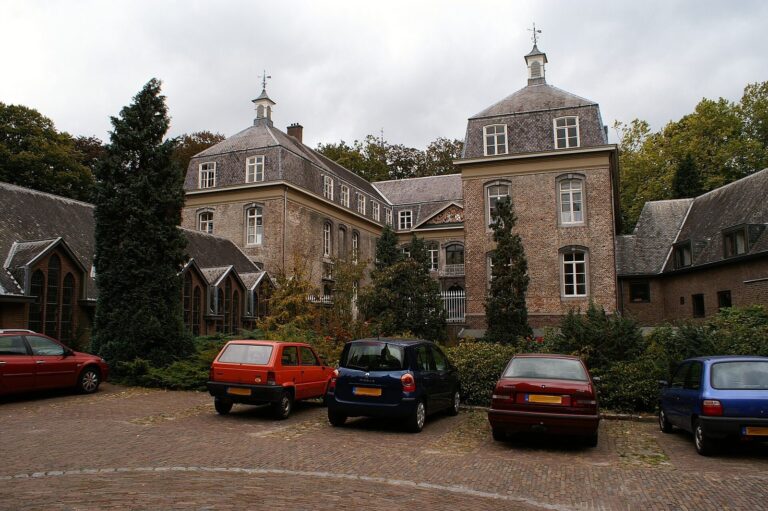
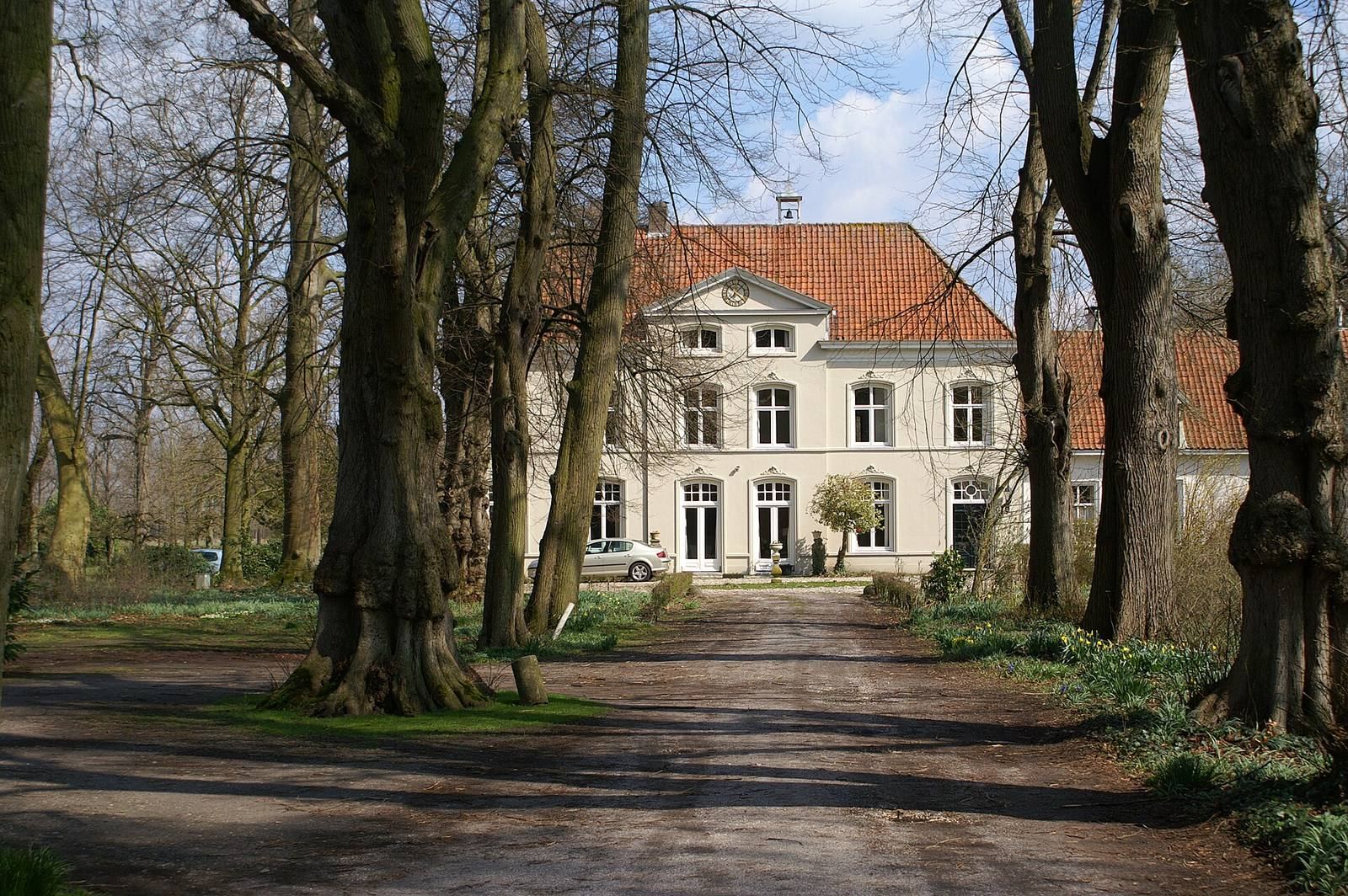
In 1812, much of the castle was demolished and rebuilt, followed by extensive alterations in 1870. The building was restored in 1978. A later resident, Jan Olphert de Jong van Beek en Donk (1863–1935), served as governor of Curaçao and was married to Elisabeth Maria Stern. The castle remains in the De Jong family; one branch was ennobled in the Netherlands and adopted the name De Jong van Beek en Donk. The castle is protected as a national monument under the Dutch heritage system.
Remains
Castle and moat
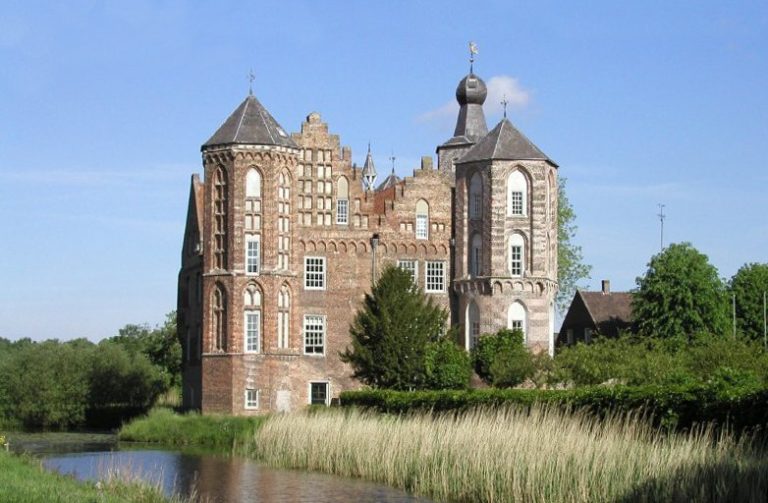
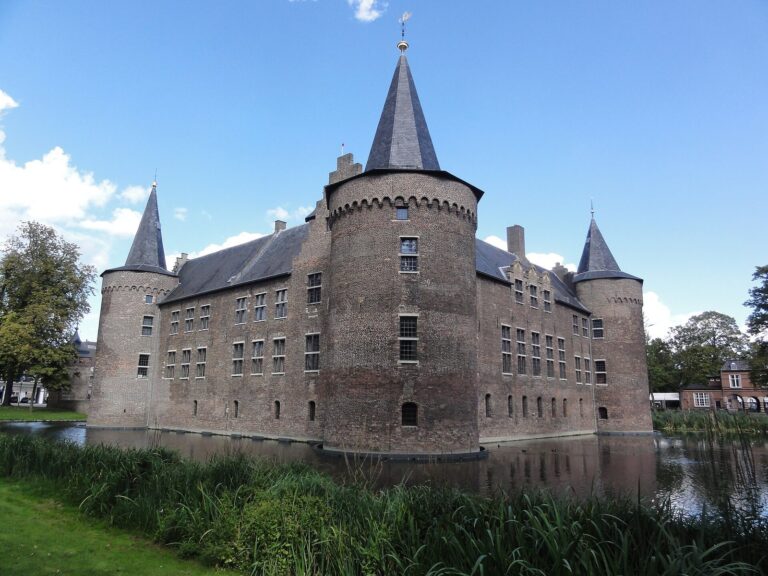
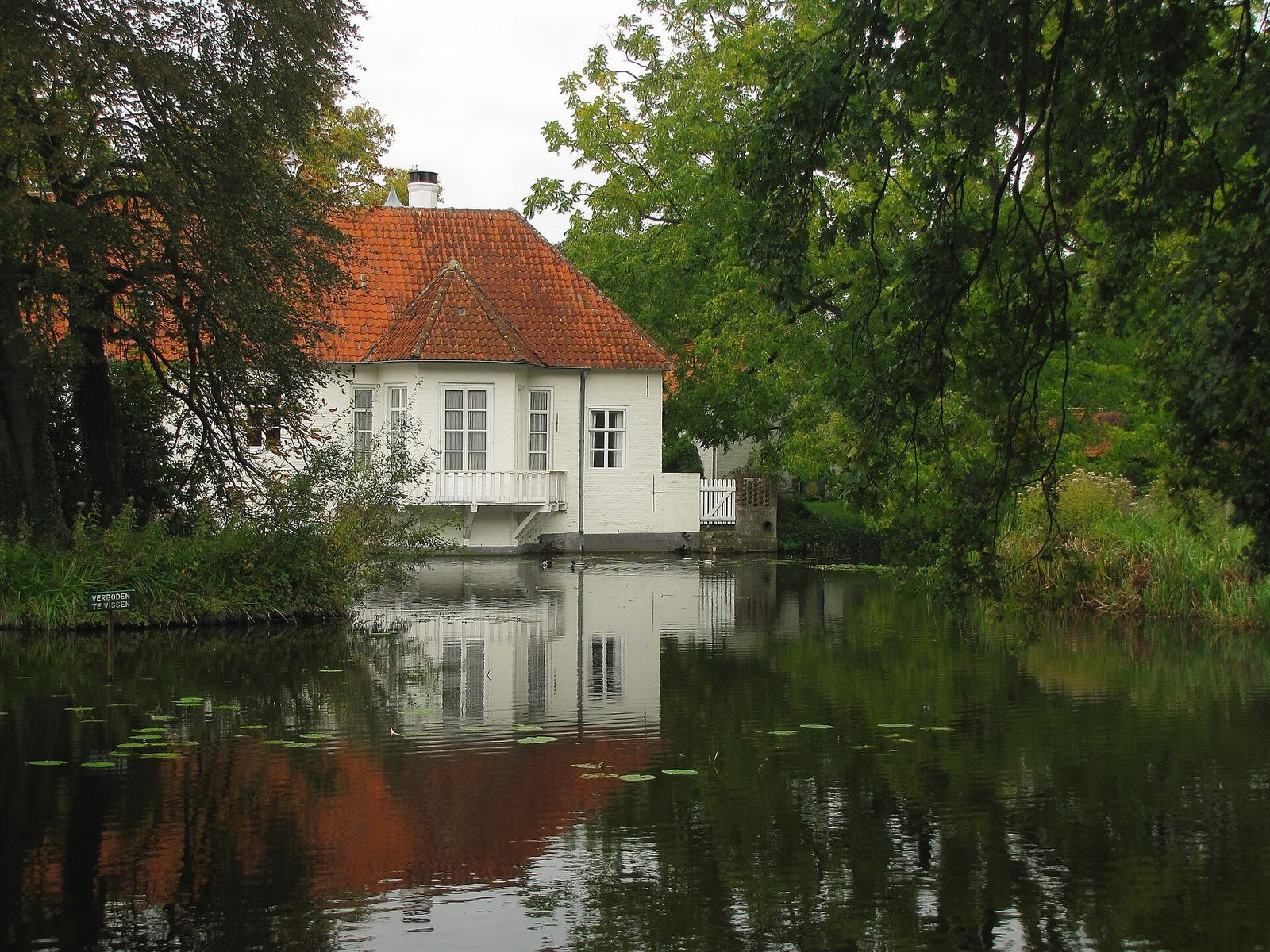
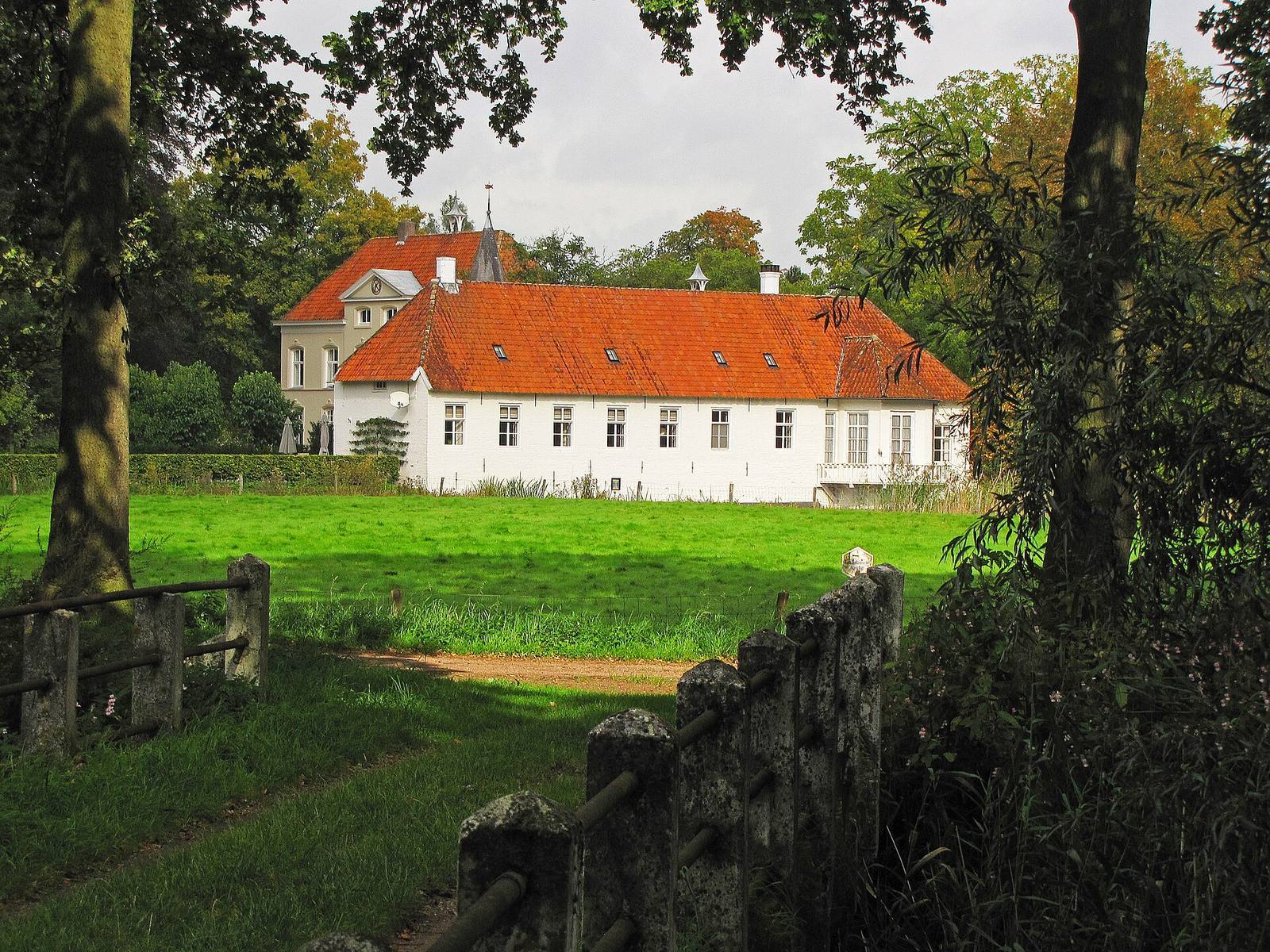
The castle stands beside the Aa River in its valley and is surrounded by a moat. The Zuid-Willemsvaart canal now separates it from the built-up center of Beek. The oldest surviving part is a gatehouse dating to around 1500, with a natural-stone entrance and a small tower. A stone on the castle bears the date 1658 and may mark a rebuilding.
Estate
The estate covers 61 hectares and includes woodland, mainly poplar, as well as several farms.