Palais Windisch-Graetz: A Baroque Urban Palace in Vienna
Site at a Glance
- Rating
- 4.1
- Popularity
- Very Low
- Country
- Austria
- Primary era
- Early Modern
- Eras represented
- Early Modern, Modern
- Civilizations
- Austria-Hungary, Habsburg, Habsburg Austria, Holy Roman Empire
- Site type
- Domestic
- Remains
- Elite Residence
On this page5 sections
History
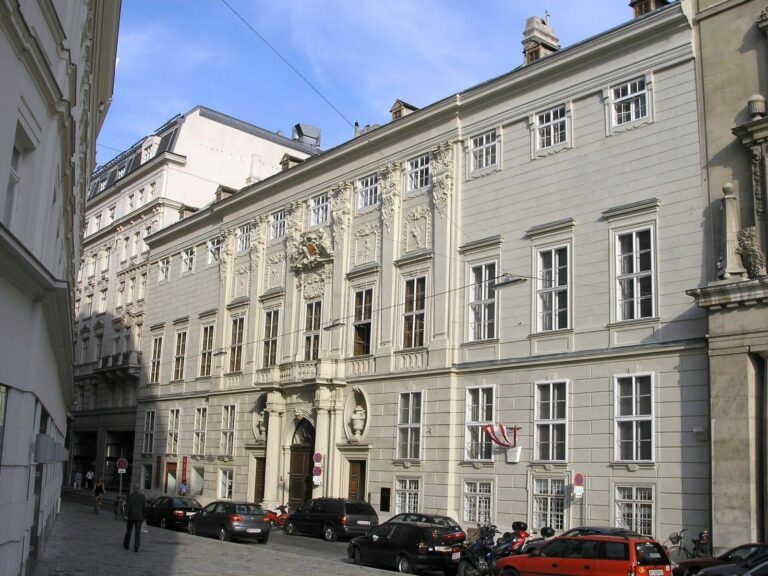
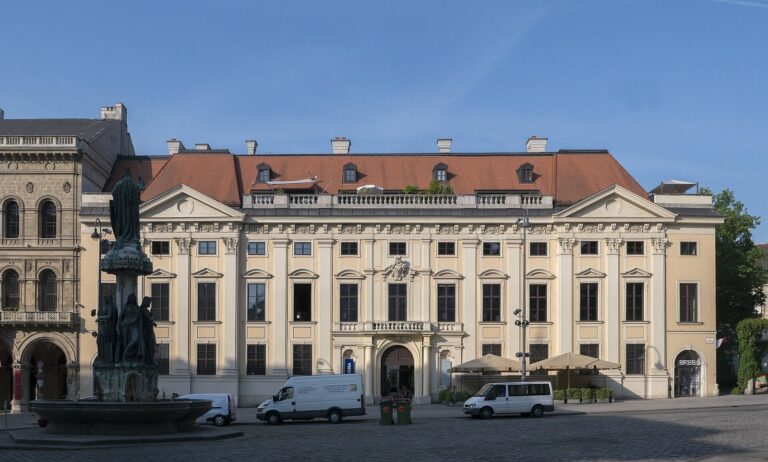
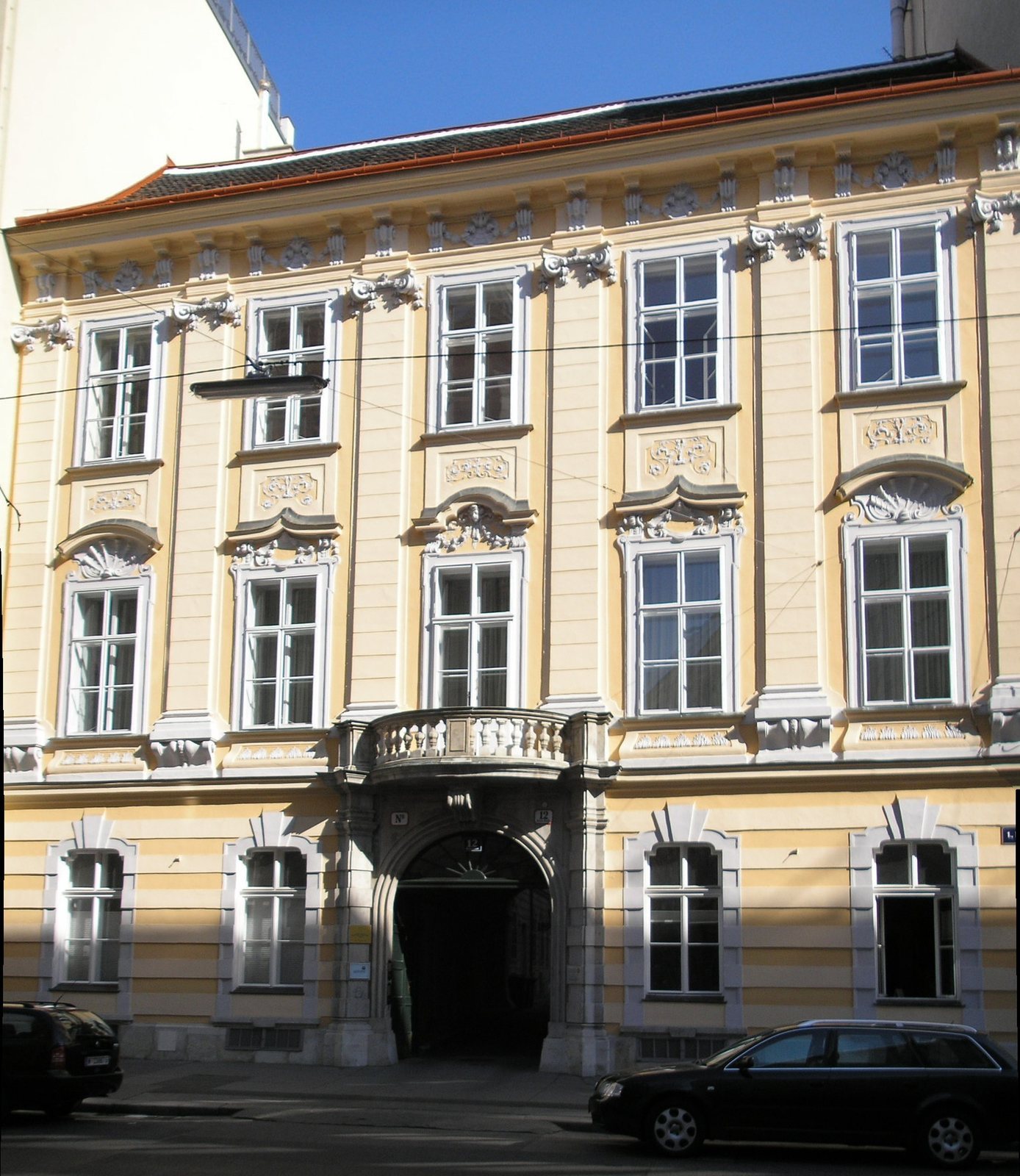
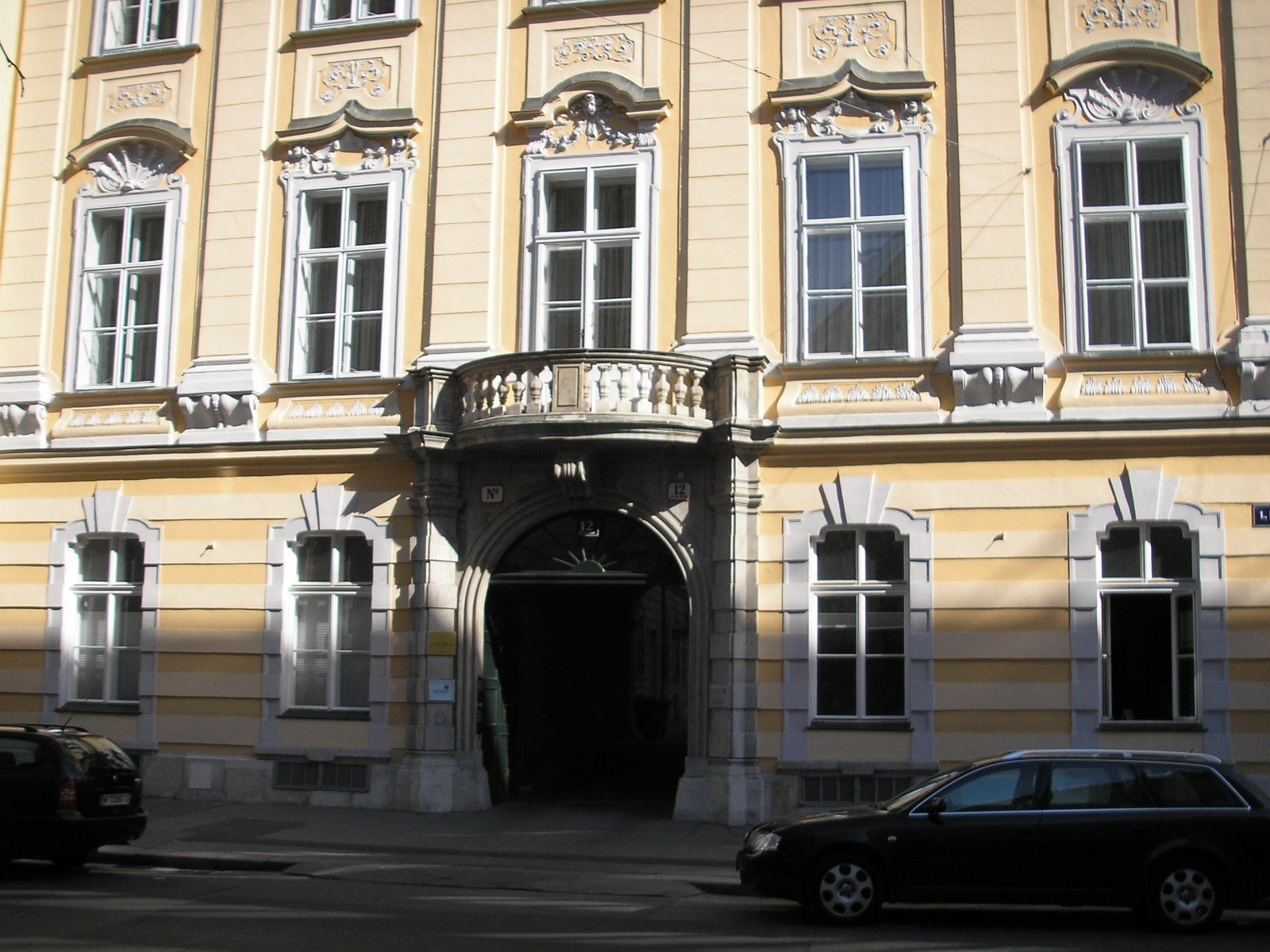
Palais Windisch-Graetz is a Baroque urban palace in Vienna, Austria, probably built in 1702–1703 by architect Christian Alexander Oedtl for Johann Carl von Geymann. Baroque architecture, known for elaborate forms and decoration, spread across Europe in the seventeenth and eighteenth centuries. The building is also known as Palais Geymann-Windisch-Graetz.
Early ownership
After passing through the hands of the Mannsperg barons, the palace became the property of the Foundation of the House for the Poor and Invalids in Alservorstadt in 1731. The institution was associated with Vienna’s present-day General Hospital.
The Windisch-Graetz family
Countess Maria Theresia von Windisch-Graetz bought the palace in 1755 for 30,000 florins. In 1816, her grandnephew, Prince Alfred Windisch-Graetz, inherited it. It later passed first to Alfred II and then to his son, Alfred III.
Alfred III, an Austrian prime minister, commissioned a renovation in 1894–1895 for representational purposes. He later presided over the House of Lords, the upper chamber of Austria’s Imperial Council.
Later use
Alfred III’s widow, Gabriela Auersperg, lived in the palace until her death in 1933. In 1935, Klosterneuburg Abbey, a religious community of Augustinian Canons, acquired the building from the Windisch-Graetz heirs and adapted it for offices for its own use or for rental. The palace continues to be used as offices.
Remains
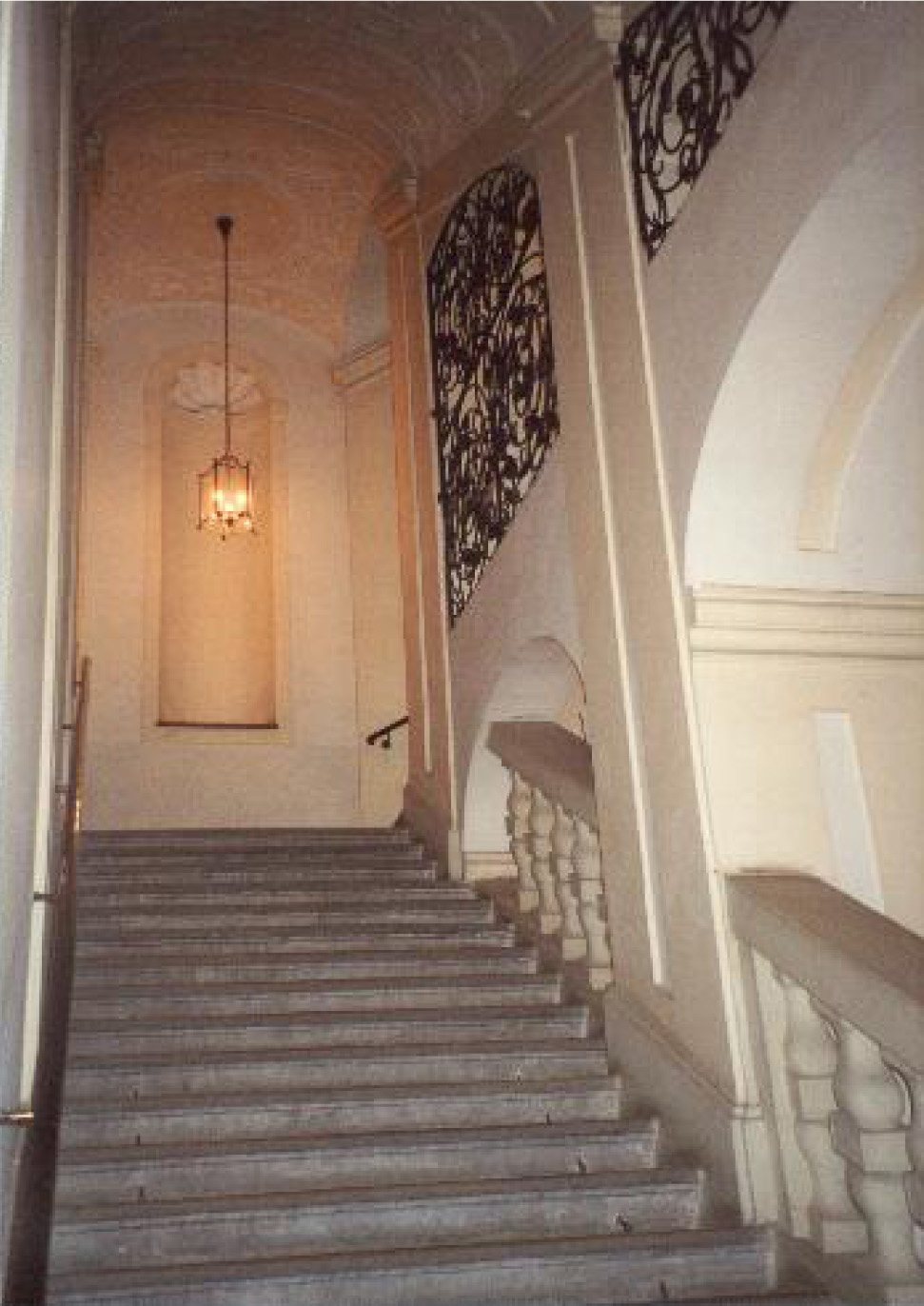
The small urban palace stands near the Freyung in Vienna’s Innere Stadt. Its grand staircase has steps and landing slabs made of Kaiserstein, a Leitha limestone associated with Kaisersteinbruch. The principal reception floor, known as the Beletage, was substantially altered in the late nineteenth century.