Bocken Estate: A Historic Residence and Conference Center in Switzerland
Site at a Glance
- Popularity
- Medium
- Country
- Switzerland
- Primary era
- Early Modern
- Eras represented
- Early Modern, Modern
- Civilizations
- Holy Roman Empire, Swiss
- Site type
- Domestic
- Remains
- Elite Residence
On this page12 sections
History
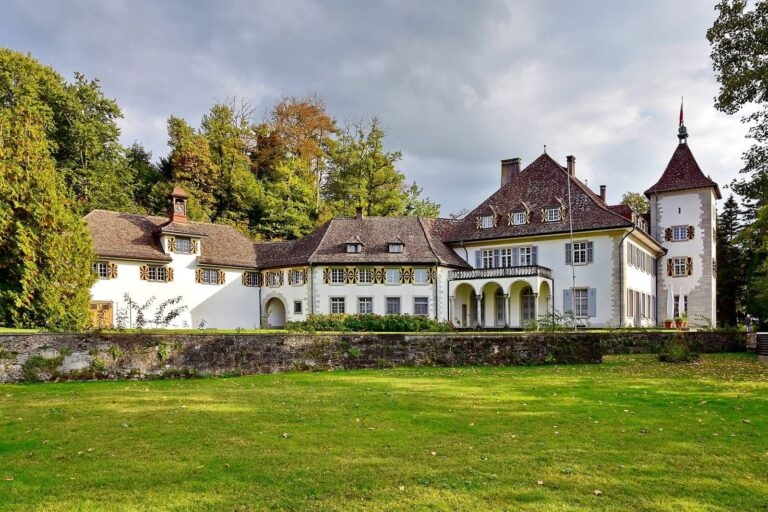
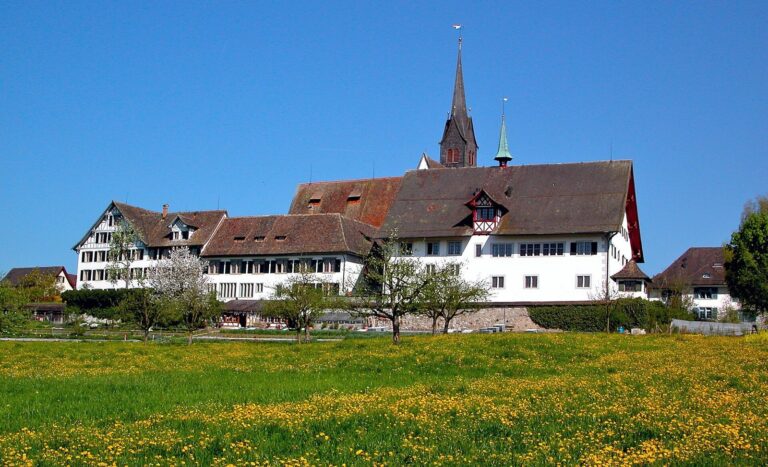
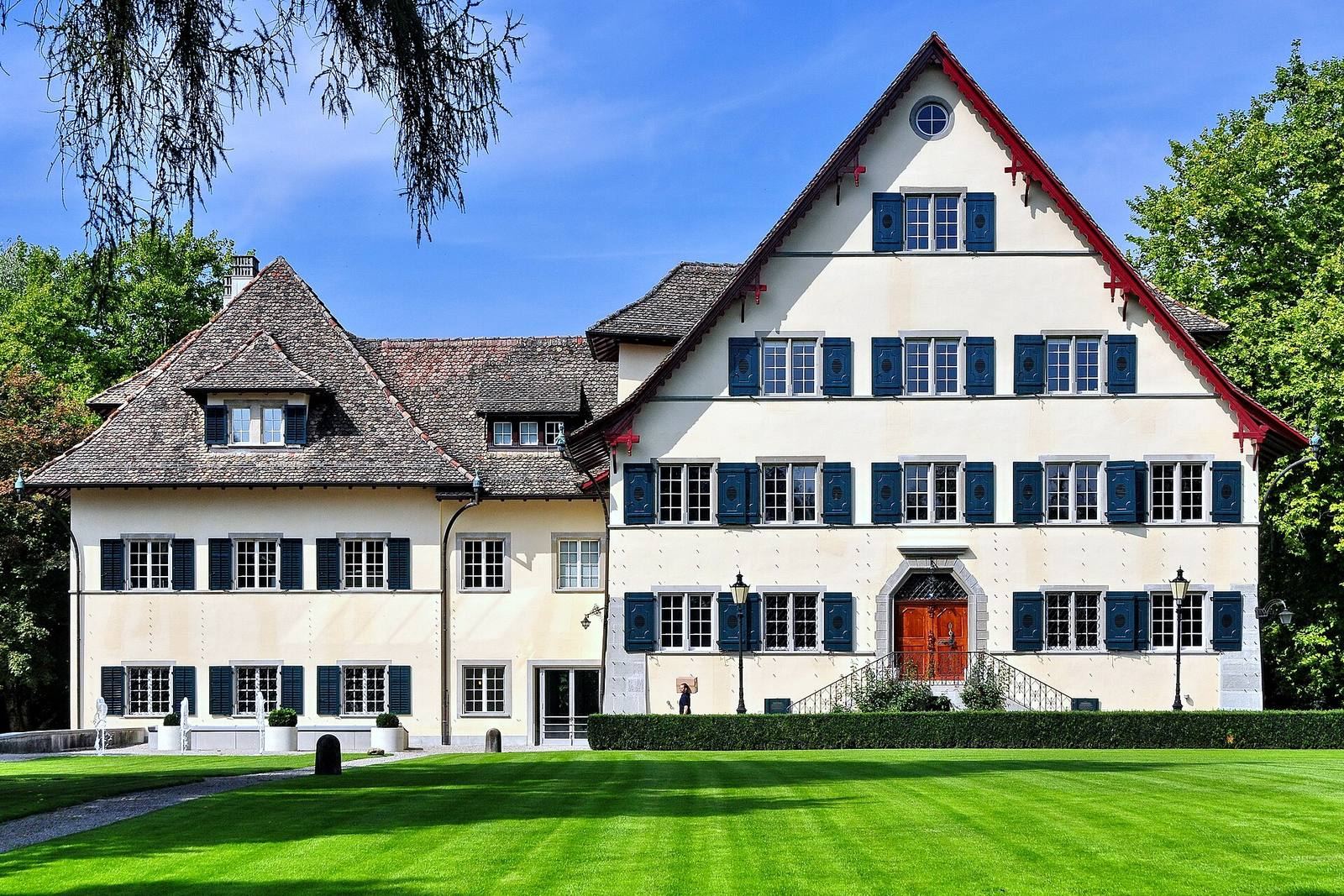
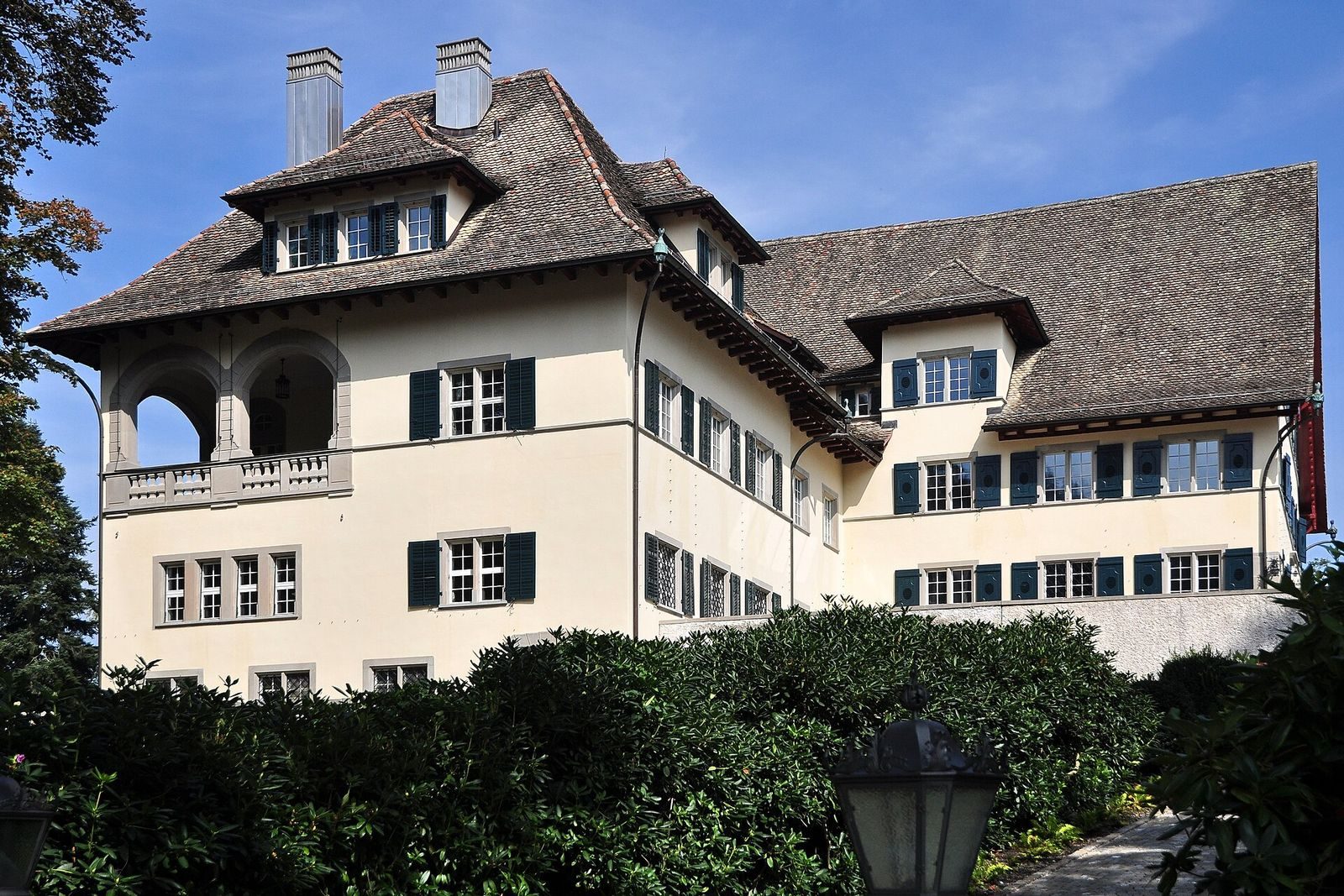
Bocken Estate is a historic estate in Arn, southeast of Horgen, in Switzerland’s canton of Zurich. Its farmhouse dates to 1644, and its Baroque main building was erected between 1681 and 1688 for Andreas Meyer-Werdmüller, a Zurich official and silk manufacturer who later became mayor.
Spa and armed conflict
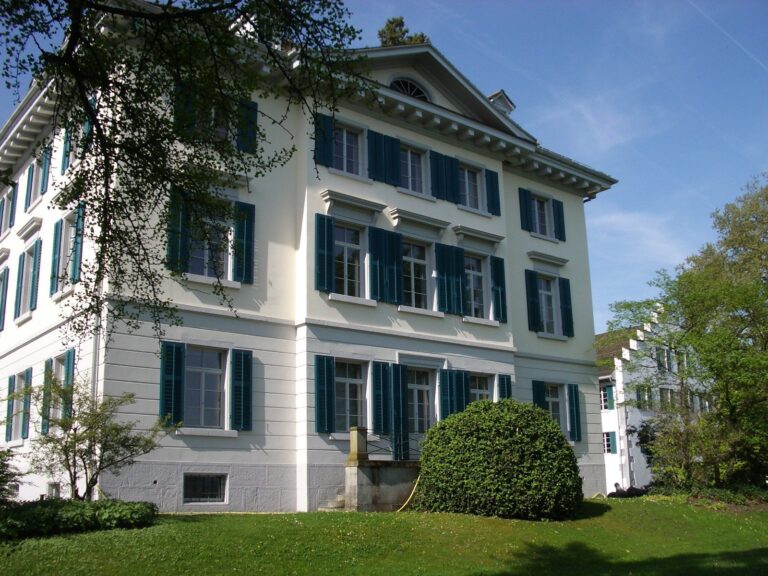
From 1771, the estate operated as a spa and bathing establishment. Its grounds became one of the principal theatres of the Bocken War, an armed conflict in the Zurich region in 1804. A neoclassical inn was added in 1805, followed by a side wing in 1913.
The Schwarzenbach family
Silk manufacturer Alfred Emil Schwarzenbach and his wife, Renée Schwarzenbach-Wille, lived at Bocken from 1912 with their five children. Renée made the estate a gathering place for elite society. Their daughter Annemarie Schwarzenbach, who became a novelist, travel journalist, and photographer, grew up there.
Conference use and protection
Between 1992 and 1994, new buildings were constructed and the park redesigned to accommodate use as a conference center for Credit Suisse, the Swiss banking group. The conference use began in 1994. Bocken Estate is protected as a monument and designated a Swiss heritage site of national significance.
Remains
The estate’s buildings include a half-timbered farmhouse, a Baroque main building, and a neoclassical inn with a later side wing. Conference-era buildings and a redesigned park form part of the grounds.
Historic buildings
Alte Bocken
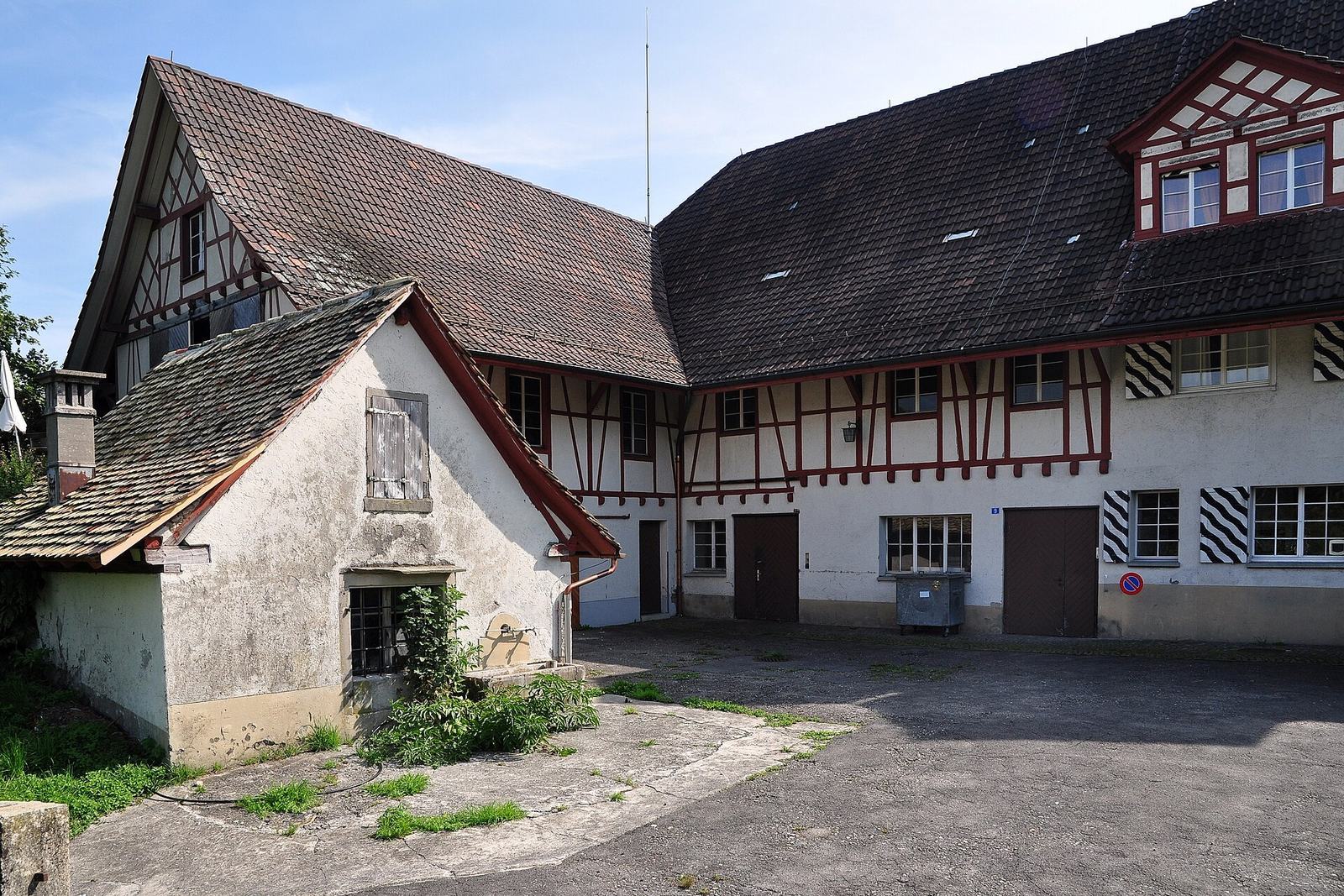
The farmhouse known as Alte Bocken dates to 1644 and follows the Zurich half-timbered style, with a visible timber frame and infill between its members.
Baroque main building
The main building was constructed between 1681 and 1688. Its interiors include molded plaster decoration by the stucco artist Samuel Höscheller, as well as several eighteenth-century tower stoves, tall heaters clad in tile.
Inn and side wing
The estate’s inn is neoclassical in style and dates to 1805. A side wing was added in 1913.
Conference-era grounds
New buildings
Buildings constructed between 1992 and 1994 accommodated the estate’s use as a conference center.
Redesigned park
The park was redesigned between 1992 and 1994 and furnished with sculptures by Dani Karavan, Beverly Pepper, and Ulrich Rückriem.