Orăștie Citadel: A Medieval Fortified Enclosure in Romania
Site at a Glance
- Popularity
- Medium
- Country
- Romania
- Primary era
- Medieval
- Eras represented
- Medieval, Modern
- Civilizations
- Austria-Hungary, Austrian Empire, Habsburg, Hungarian
- Site type
- Religious
- Remains
- Fortified Church
On this page8 sections
History
Orăștie Citadel is a compact fortified enclosure in Orăștie, Romania. Its construction date is uncertain, but its form was characteristic of a residence for greaves, local leaders or officeholders whose roles did not necessarily match modern noble ranks.
Early development and churches
By the 15th century, people distinguished between residents living inside the fortification and those outside it. The Transylvanian Saxons, German-speaking settlers and their descendants, later took control of the enclosure and developed Orăștie. Saxon settlers brought to the region built a rotunda here, probably in the 11th century.
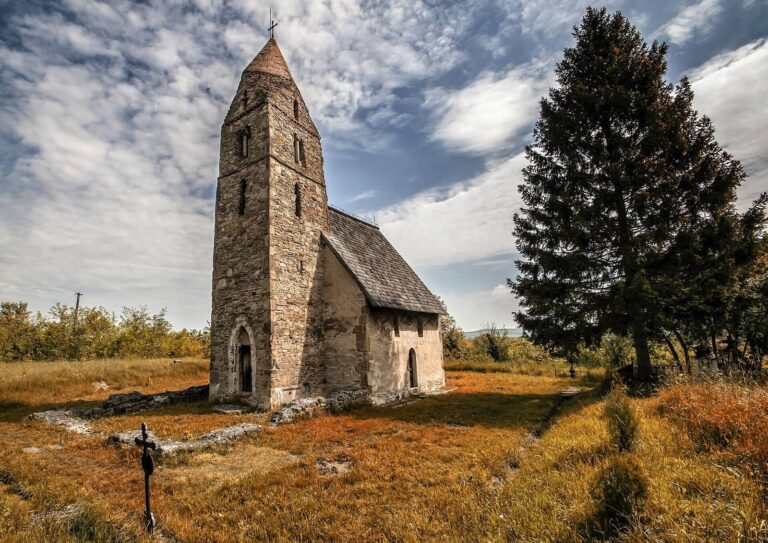
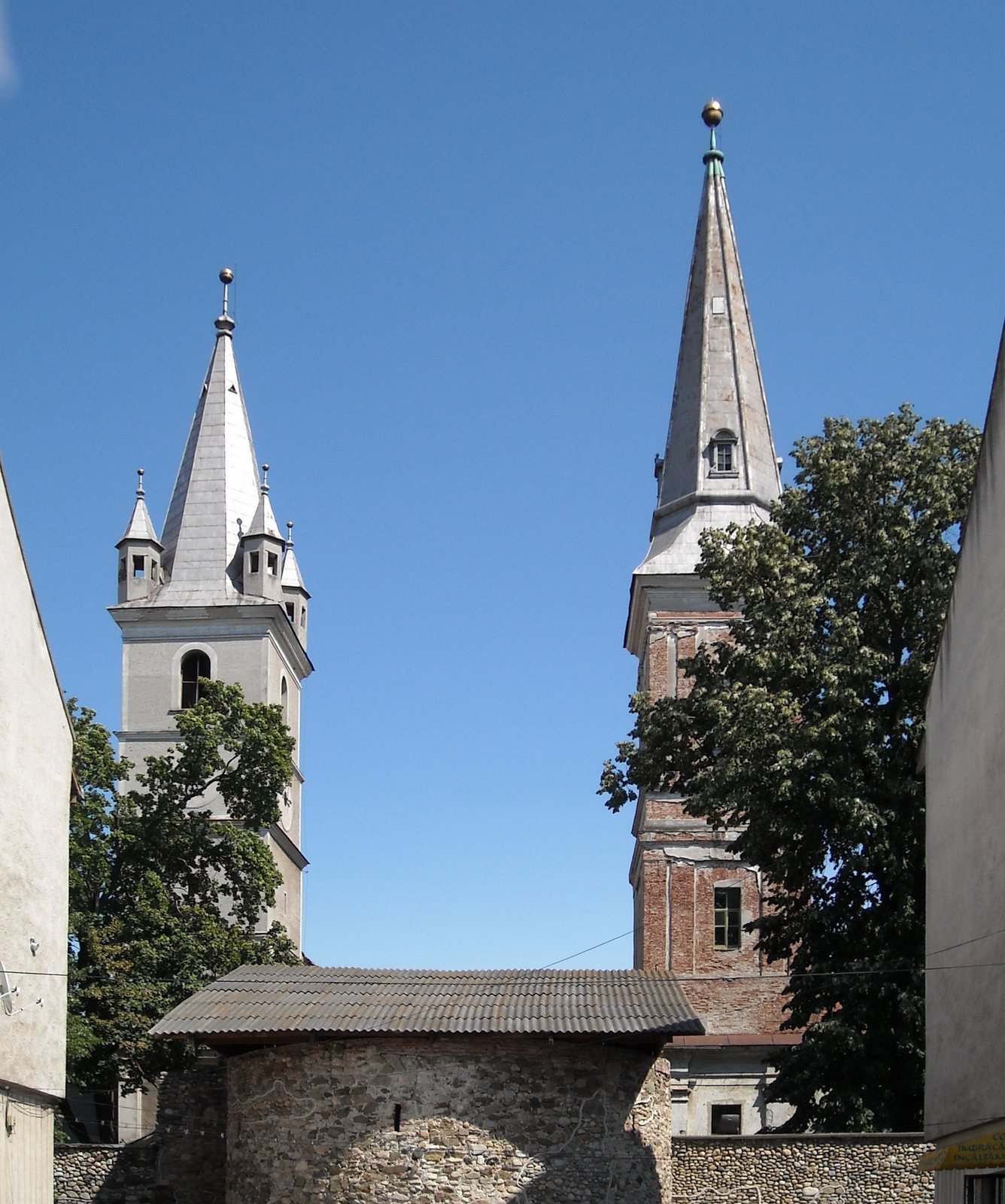
A Romanesque basilica with a western tower was built by the end of the 12th century. In the 14th century, a Gothic basilica rose on its foundations. Hungarians rebuilt the church during that century, and it became Reformed, or Calvinist. The present choir was constructed around 1400.
Conflict and rebuilding
Turkish invasions damaged the fortification in 1438 and 1479, and it was besieged in 1561. During the Turkish conquest of Orăștie in 1479, the church within the enclosure was also damaged. It was subsequently rebuilt and came into Hungarian possession.
The fortification was renovated in 1631. The church’s Reformed and Evangelical communities followed distinct Protestant traditions: Reformed worship is Calvinist, while Evangelical worship in this context is Lutheran.
Lutheran worship and later preservation
The Saxons were allotted a room beside the church for worship. They used it until their Evangelical, or Lutheran, church was built between 1820 and 1823. An organ made by Samuel Maetz in 1823 was installed there, then later sold for 1,300 crowns to Bußd near Mediaș. Rieger Orgelbau made its replacement in 1902 as Opus 941. Wegenstein repaired the instrument in 1924, Otto Einschenk in 1948, and Albert József restored it in 2013–2014.
In 2016, a Ministry of Culture order classified the citadel wall and its east, south, and west towers as a Category II architectural monument in Group A, indicating national-level heritage value within the historic-monument ensemble.
Remains
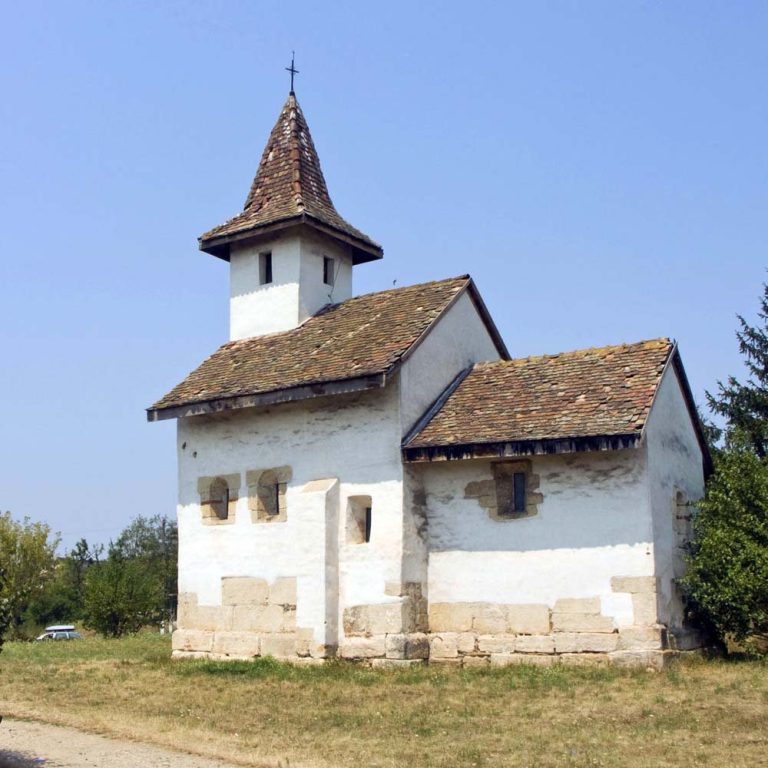
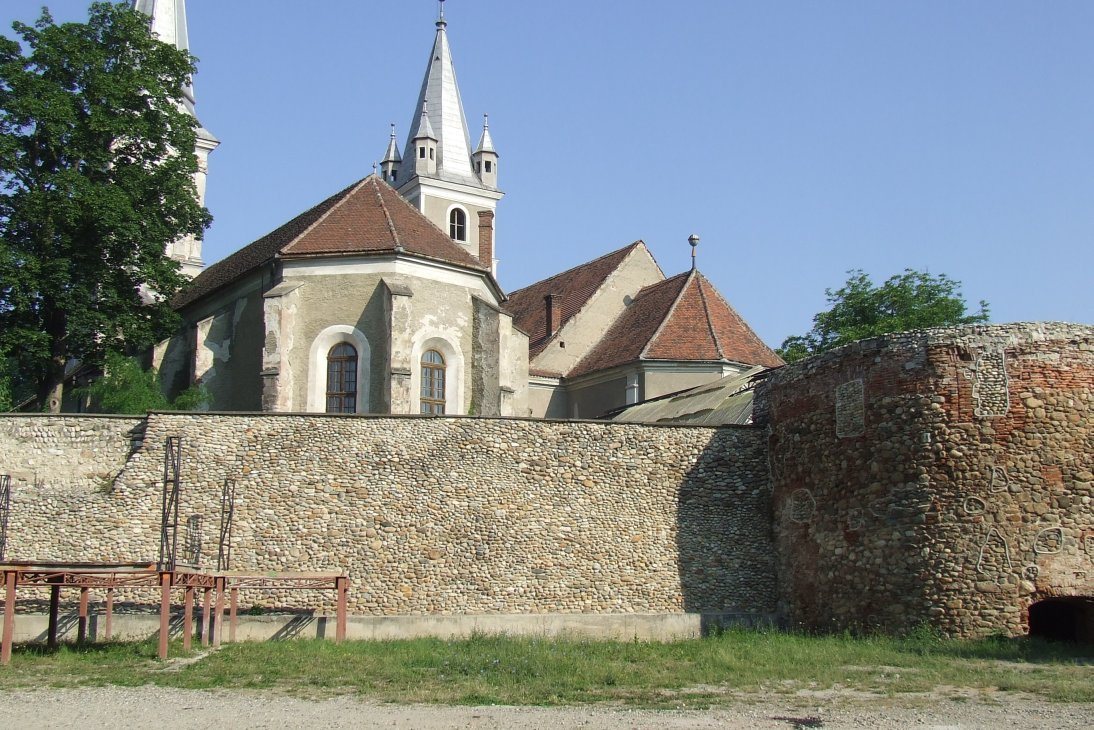
The enclosure has a compact, rectangular plan with an irregular, slightly semicircular eastern side. It measures 91 metres from east to west and 84.5 metres from north to south, and is more like a fortified church than a large urban enclosure. Both the Reformed church and the Evangelical church stand inside it; the Evangelical church is north of the medieval church.
Walls and defenses
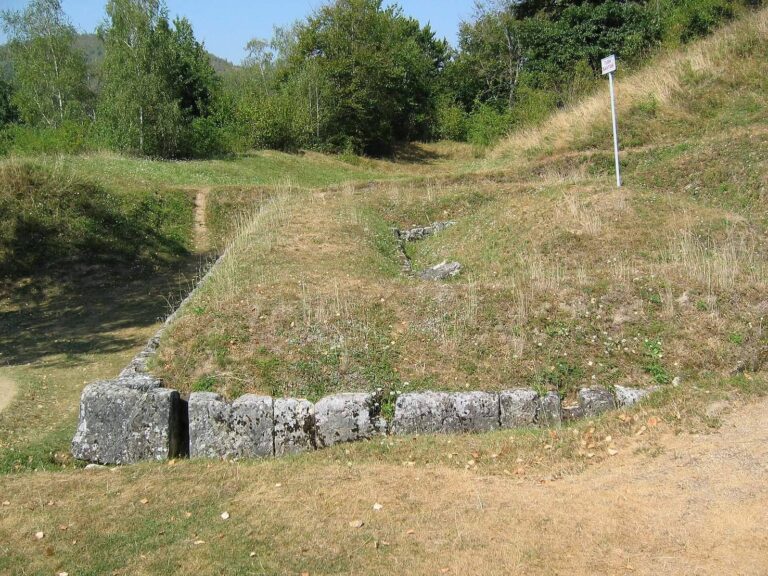
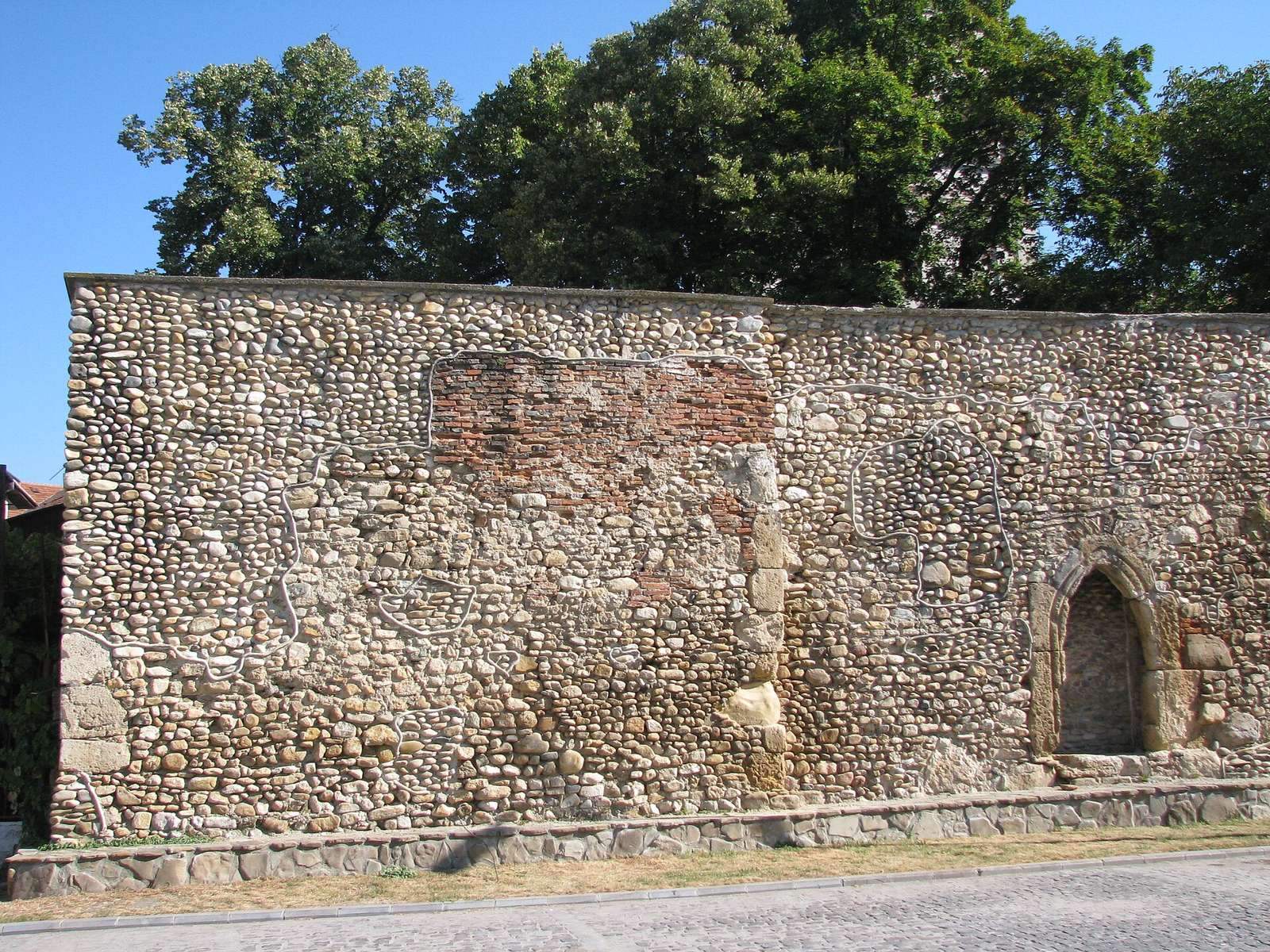
The original stone enclosure had a water-filled moat and a drawbridge. Its rubble walls, built with river stone, lime mortar, and coarse-grained sand, are 1.55 to 1.70 metres thick. Four towers are incorporated within the walls, with three more flanking them.
Rotunda remains
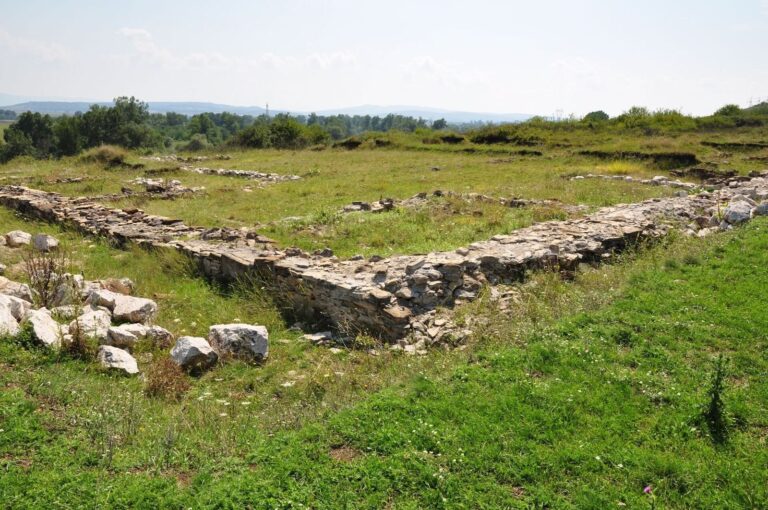
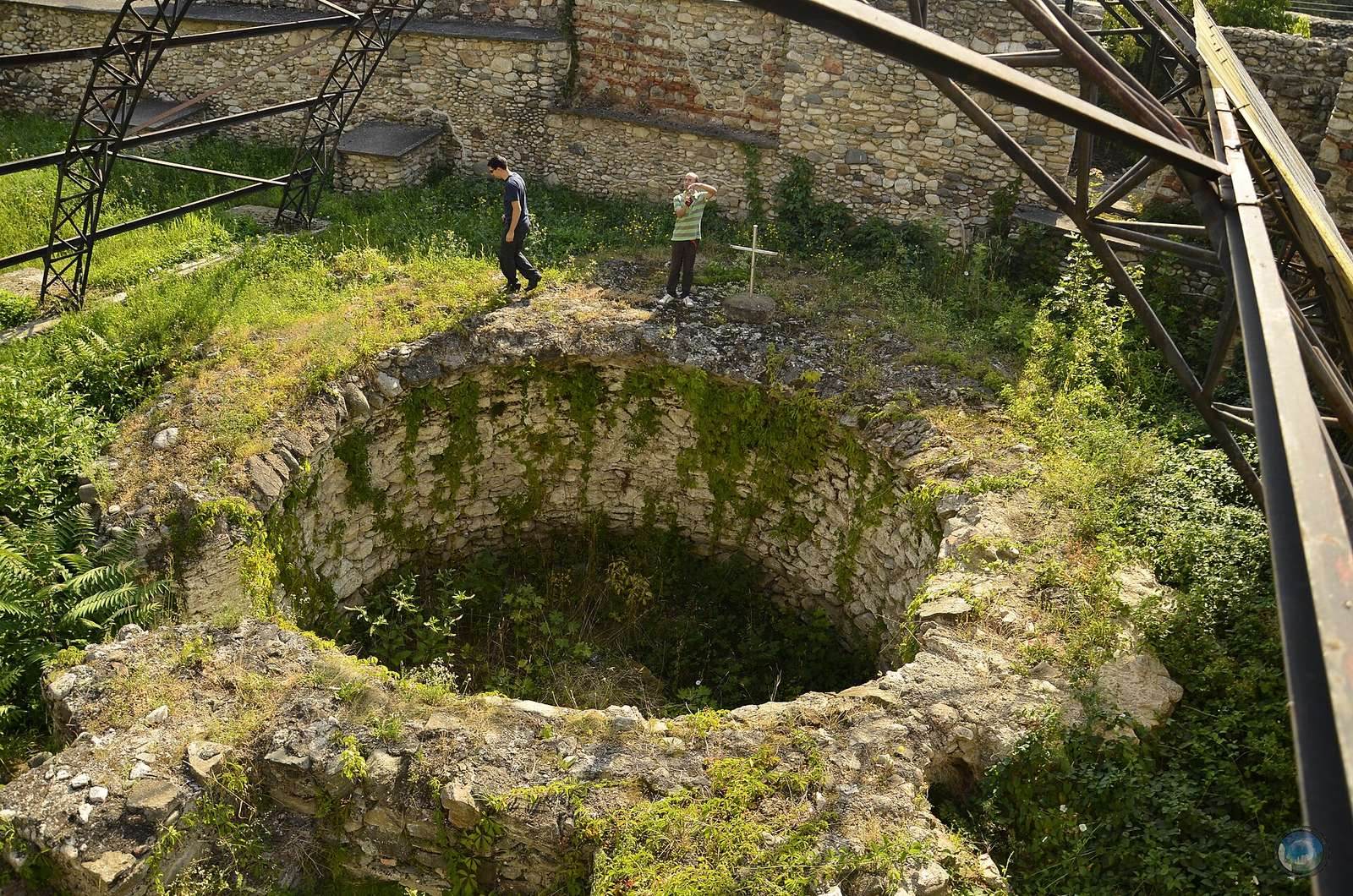
The rotunda’s archaeological remains lie below ground, while sections of wall have been exposed east of the Gothic choir. Its circular nave, the main body of the church, measures 5.5 metres across and extends east into a semicircular apse, a projecting area at a church’s end. The apse is 2 metres long, with a 3-metre opening into the nave. Six windows pierced the building: one circular and five rectangular with semicircular tops. River stone and Roman and medieval brick were used in its construction. Its form resembles the rotunda at Geoagiu and other Central European examples of the same period. It is among the oldest medieval churches in present-day Romania and survives in a form close to its original design.
Evangelical church organ
The organ stands on the church’s west gallery, an elevated platform at its western end. It has zinc pipes and pneumatic action, a mechanism operated by air pressure. Its Neo-Gothic case, the instrument’s visible housing, uses forms revived from Gothic design.