Lešná Castle: A Seilern-Aspang Estate Center near Zlín
Site at a Glance
- Rating
- 4.6
- Popularity
- Medium
- Country
- Czechia
- Primary era
- Modern
- Eras represented
- Modern
- Civilizations
- Austria-Hungary, Habsburg
- Site type
- Domestic
- Remains
- Castle
On this page7 sections
History
The Estate Before Lešná
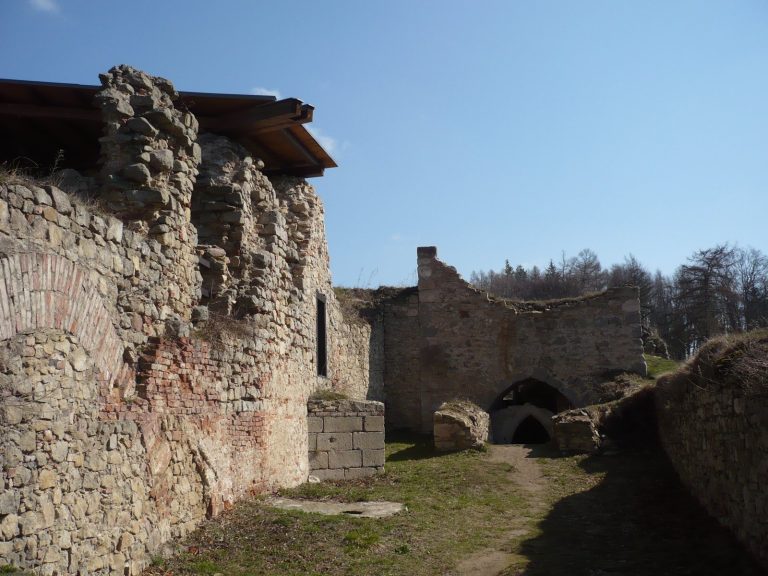
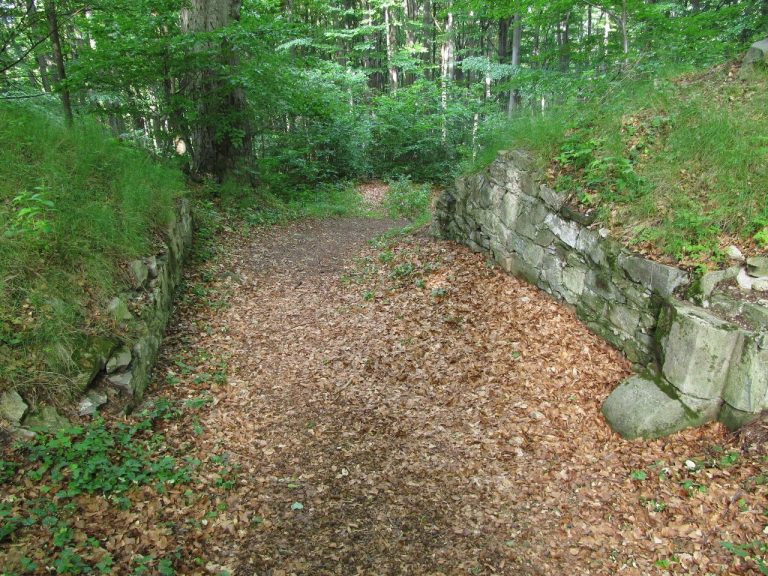
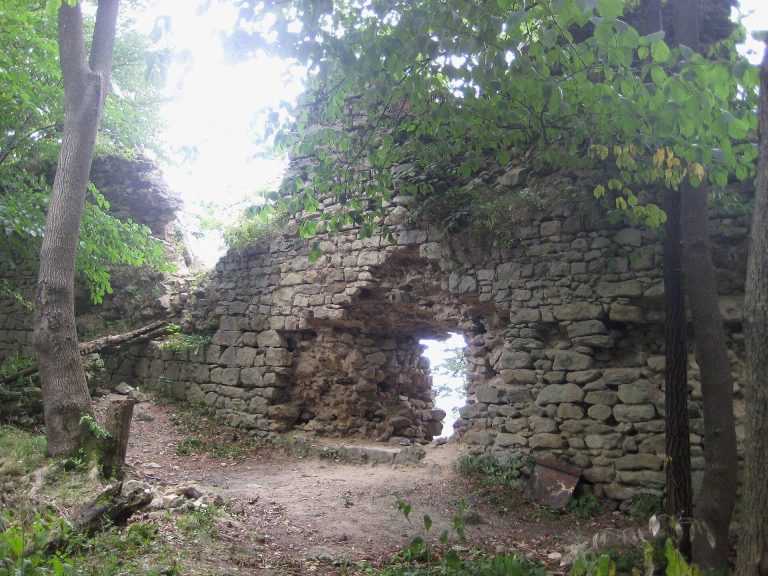
The Austrian Counts of Seilern held the Freistadtl, Luckow and Kralitz lordship from 1724. In 1751, it became a primogeniture entail, a legally restricted estate intended to pass through a designated line of inheritance rather than be divided or freely transferred. By about 1750, Lukov Castle had been abandoned. The estate administration moved to the village of Lukov, and the old castle later fell into ruin.
The New Estate Center
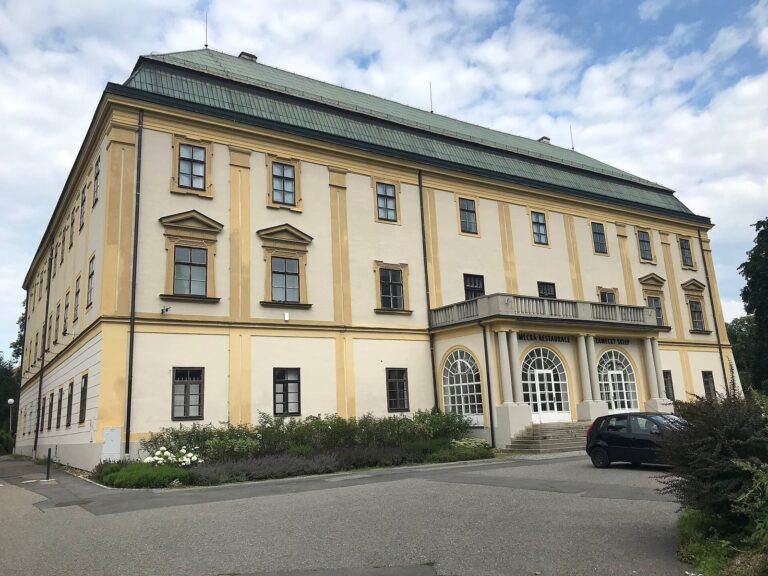
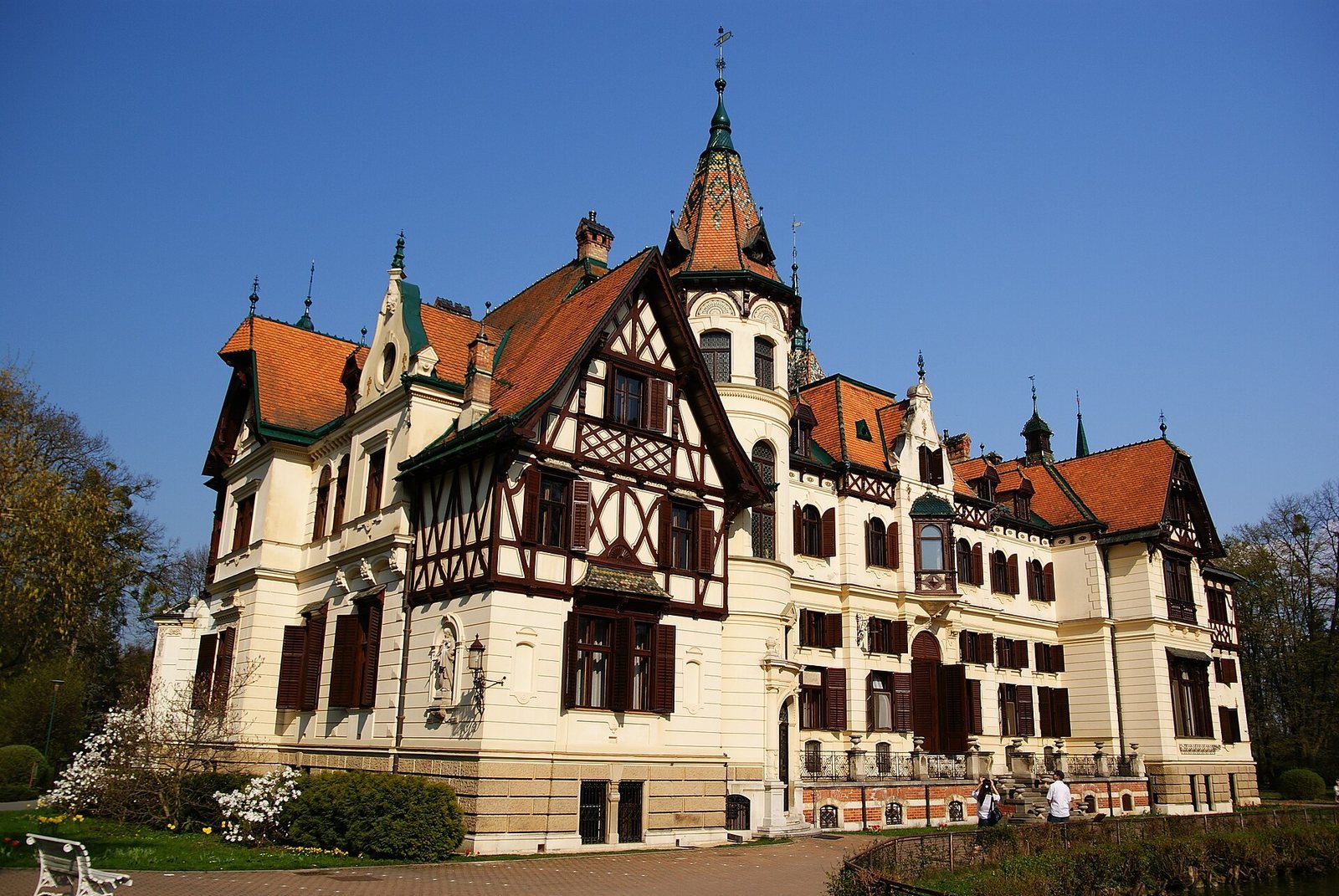
Lešná Castle stands about seven kilometres northeast of Zlín, Czechia. The Counts of Seilern-Aspang built it between 1887 and 1894 as a new center for their estates. Its Historicist design followed a nineteenth-century approach that drew on architectural forms from earlier periods. A park was laid out from 1884 to 1888. Count Josef von Seilern und Aspang maintained an animal park there until the end of the Second World War in 1945. Johann Baptist Wiesbaur, an Austrian Jesuit priest and botanist, served as curator of the Seilern-Aspang count’s natural-science collections until his death.
Expulsion and Zoo Lešná
The Seilern-Aspang family held the estates until their expulsion in 1945, after which they moved to Litschau Castle in the Waldviertel, a region in northeastern Austria. Zoo Lešná was established in the park in 1948.
Remains
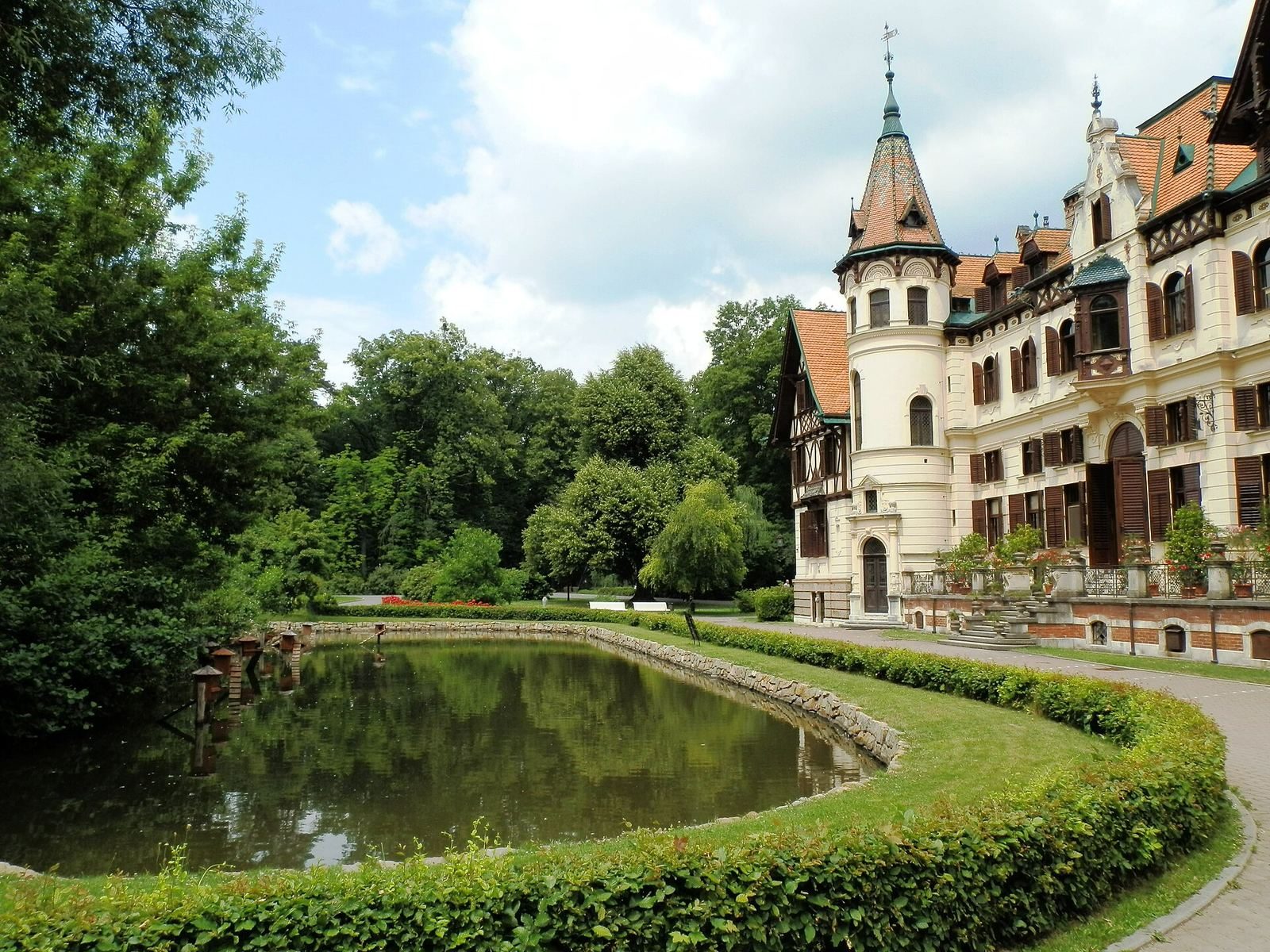
The castle and its park form the principal features of the estate. Lešná lies in the Fryšták Depression, a lowland in eastern Moravia, and is surrounded by Zoo Zlín. The site lies between Fryšták, Vitová, Lukov, Štípa, Kostelec and Dolní Ves, with the Fryšták Reservoir to the east. Its 52-hectare park follows the English style and contains mature trees.
Castle Exterior
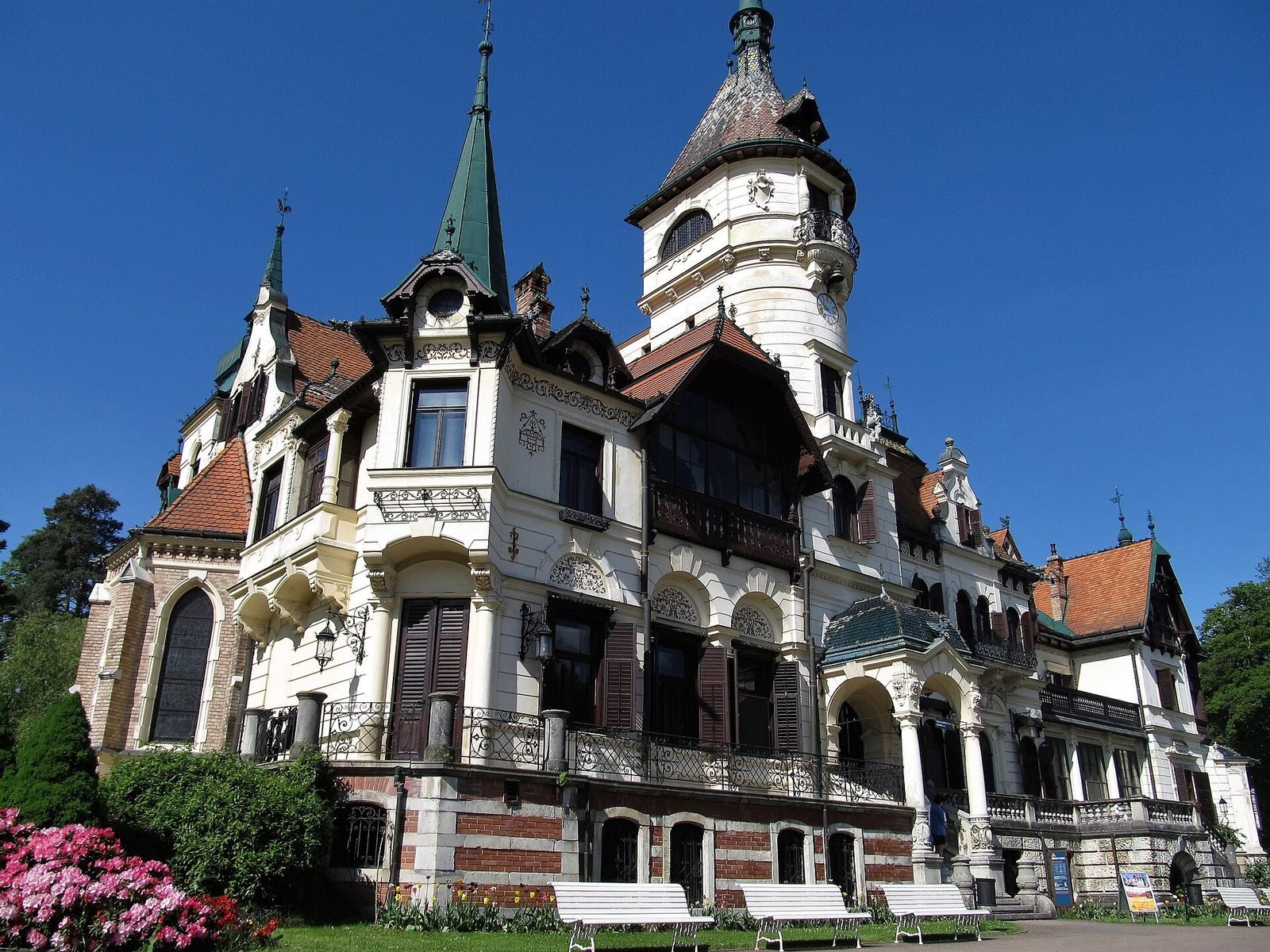
The richly detailed roof has numerous dormers, turrets and chimneys. Decorative shutters, balconies, stone balustrades and terraces add detail to the exterior. Construction used the most advanced technology of its time.
Interiors
The interiors feature extensive carving and decorative inlay, including marquetry made by setting pieces of material, commonly wood, into a surface. Displays include porcelain, silver, paintings, furniture and an Oriental collection.