Sinclairsholm Castle: A Swedish Estate House
Site at a Glance
- Popularity
- Medium
- Country
- Sweden
- Primary era
- Early Modern
- Eras represented
- Early Modern
- Civilizations
- Danish
- Site type
- Domestic
- Remains
- Castle
On this page4 sections
History
Foundation and completion
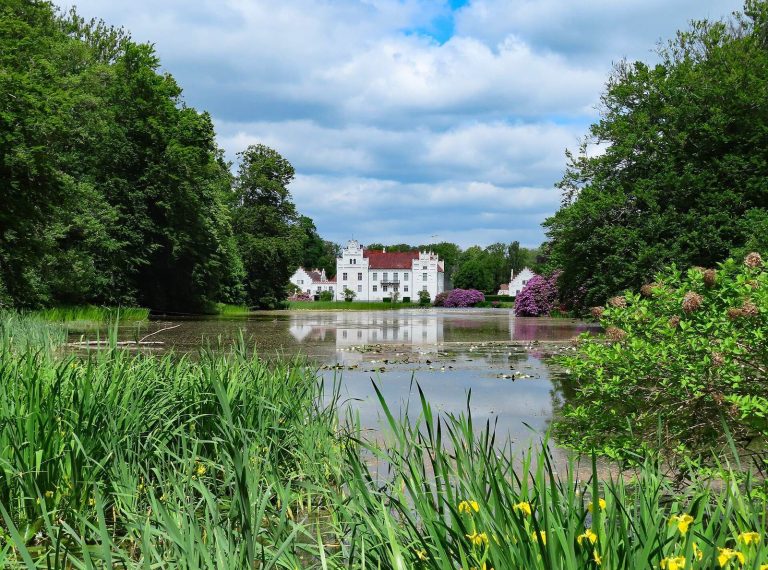
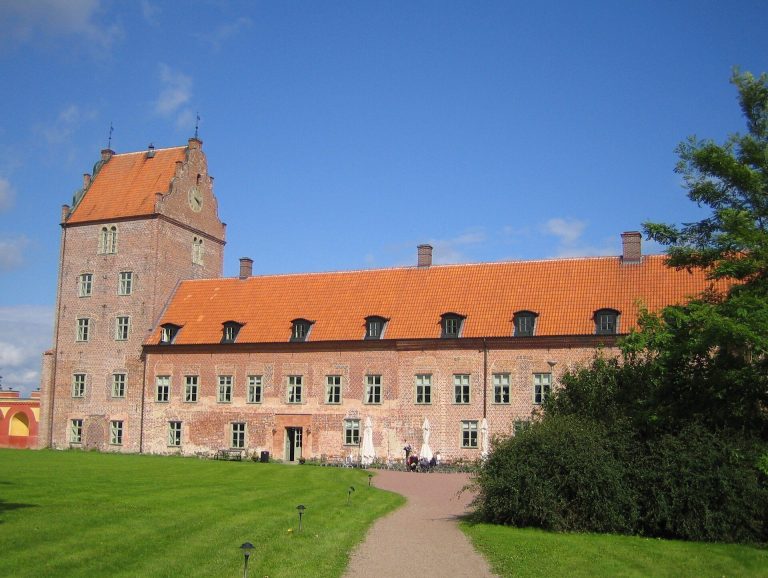
Sinclairsholm Castle is an estate house in Hässleholm Municipality, Scania, in southern Sweden. Andrew Sinclair, a Danish privy counsellor, or senior government adviser, and governor of Landskrona Castle, founded the estate in the early seventeenth century. In 1620, he acquired a parsonage through an exchange, and its site was chosen for the castle house.
Sinclair died in 1625 before the house was finished. His son Kristian then took control, and an inscription above the entrance records that the house was completed in 1626.
Later ownership and Linnaeus’s visit
The estate later belonged to Jochum Beck at Torup, probably through a purchase, and subsequently to Jörgen Marsvin and county governor Håkan Nilsson Skytte. The Skytte family held it until 1808, when ownership passed to the Gyllenkrook family. Through Eva Barnekow, born Gyllenkrook, the estate then passed to the Barnekow family. It is now owned by Baron Johan Barnekow.
Carl Linnaeus, the Swedish botanist and naturalist known for developing a system to classify living things, stayed at the castle from 17 to 19 May 1749 while travelling through Scania. Major Carl Henrik Skytte was the owner at the time.
Remains
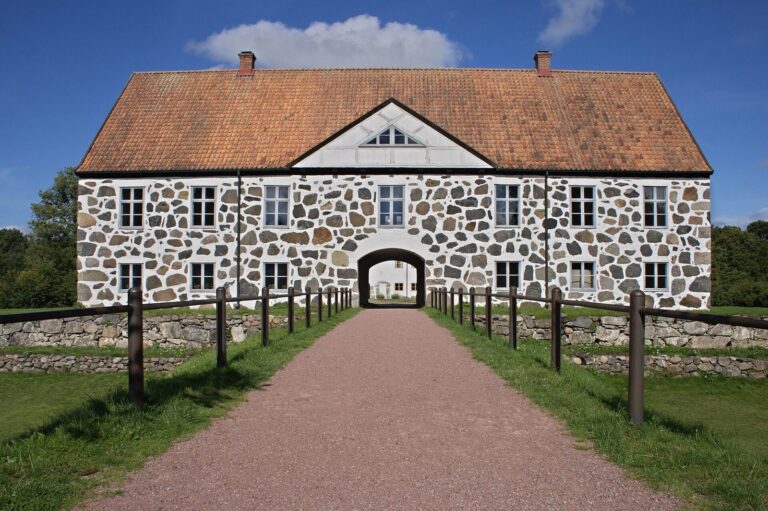
The castle house occupies the former parsonage site. An inscription is set above its entrance.