Bardo Palace: A Former Royal Residence in Tunis
Site at a Glance
- Popularity
- Medium
- Country
- Tunisia
- Primary era
- Medieval
- Eras represented
- Medieval
- Civilizations
- Hafsid
- Site type
- Domestic
- Remains
- Palace
On this page5 sections
History
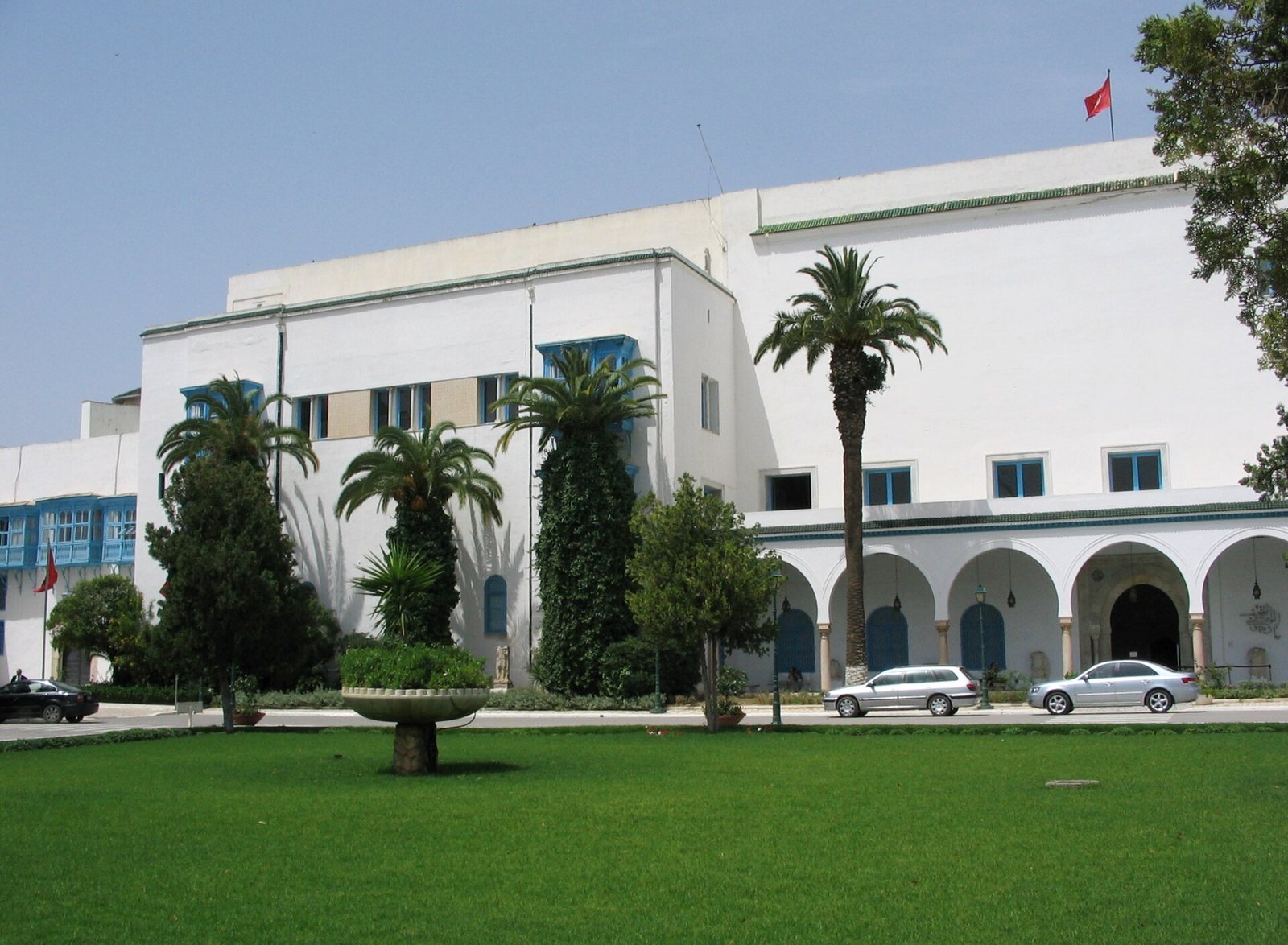
Bardo Palace is a palace in Bardo, a suburb of Tunis, Tunisia. It is thought to have origins in the Hafsid period, when the Muslim Hafsid dynasty ruled Ifriqiya, including much of present-day Tunisia. In the seventeenth century, Hussein ibn Ali, founder of the Husainid dynasty, is believed to have transformed the palace into a royal court.
The palace later served as a residence for the beys, rulers of Tunis. It now houses the Bardo Museum and the Tunisian parliament.
Remains
The palace complex comprises the Small Palace and the Great Palace. Their design is attributed to Hamda Ben Othman and Mohamed Gharbi, and each palace is organized around a courtyard.
Palace buildings
Small Palace
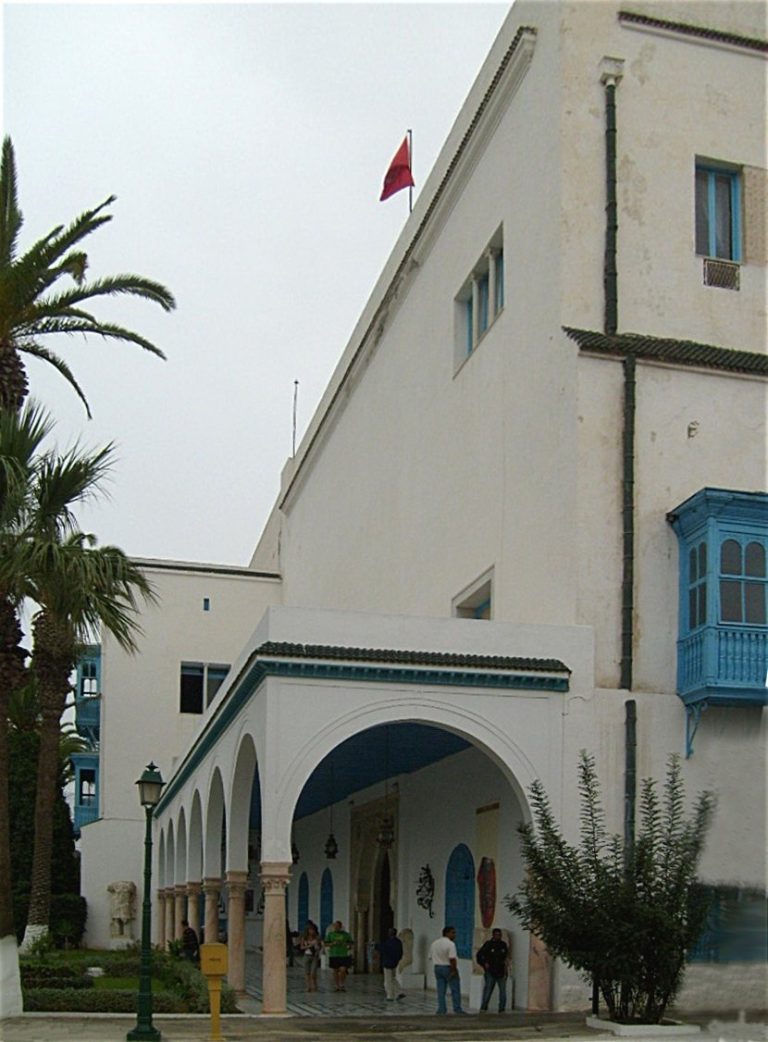
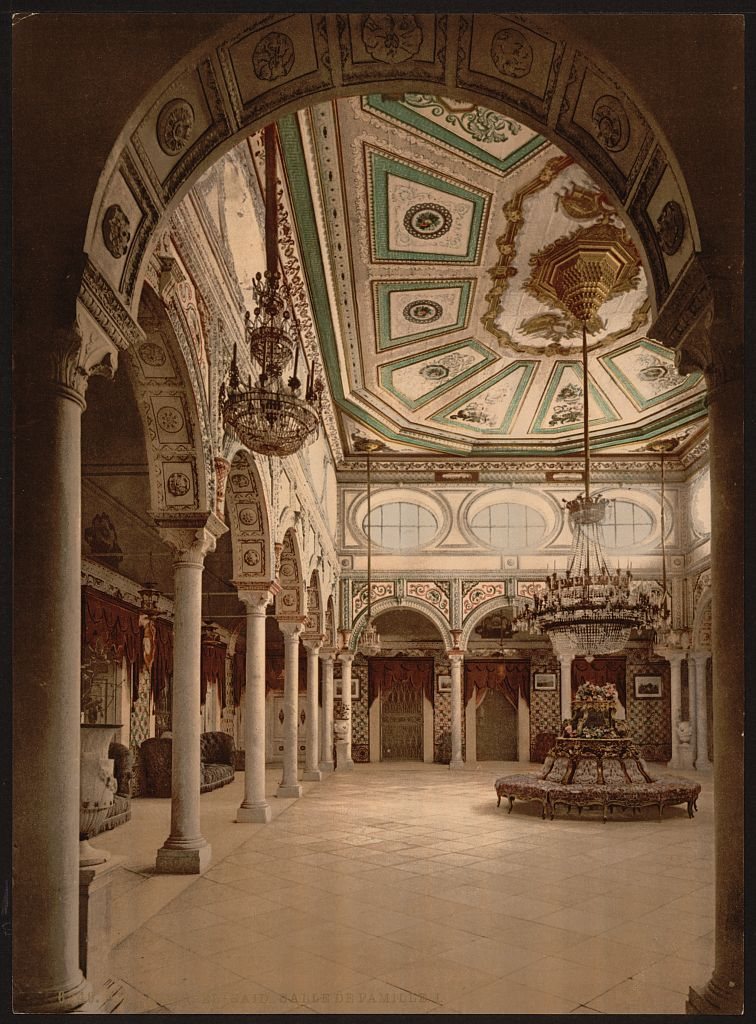
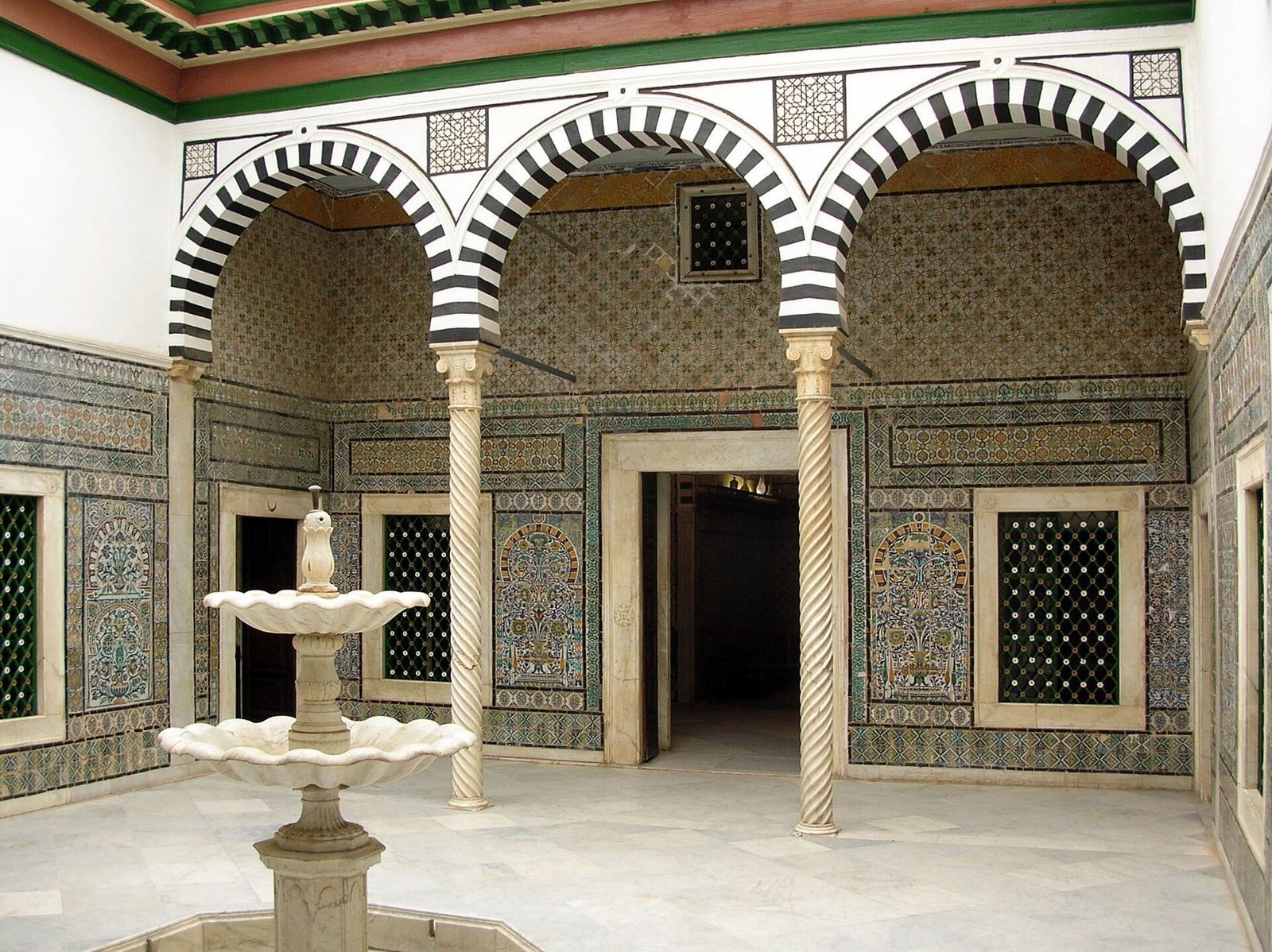
The Small Palace is arranged around a courtyard bordered by two facing rows of arches. A Carrara marble fountain stands at the center, and the same marble appears in the flooring and in the frames of windows and doors. Tunisian glazed tiles cover the walls, and the palace contains two ceremonial halls.
Great Palace
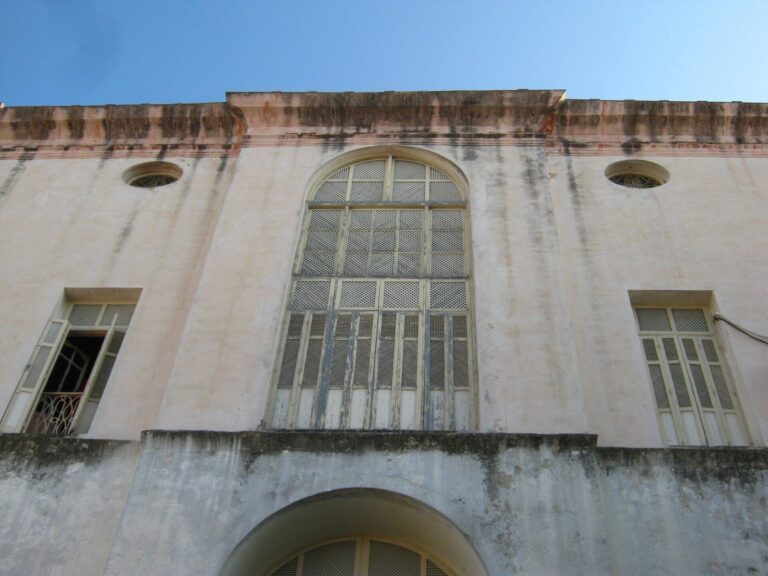
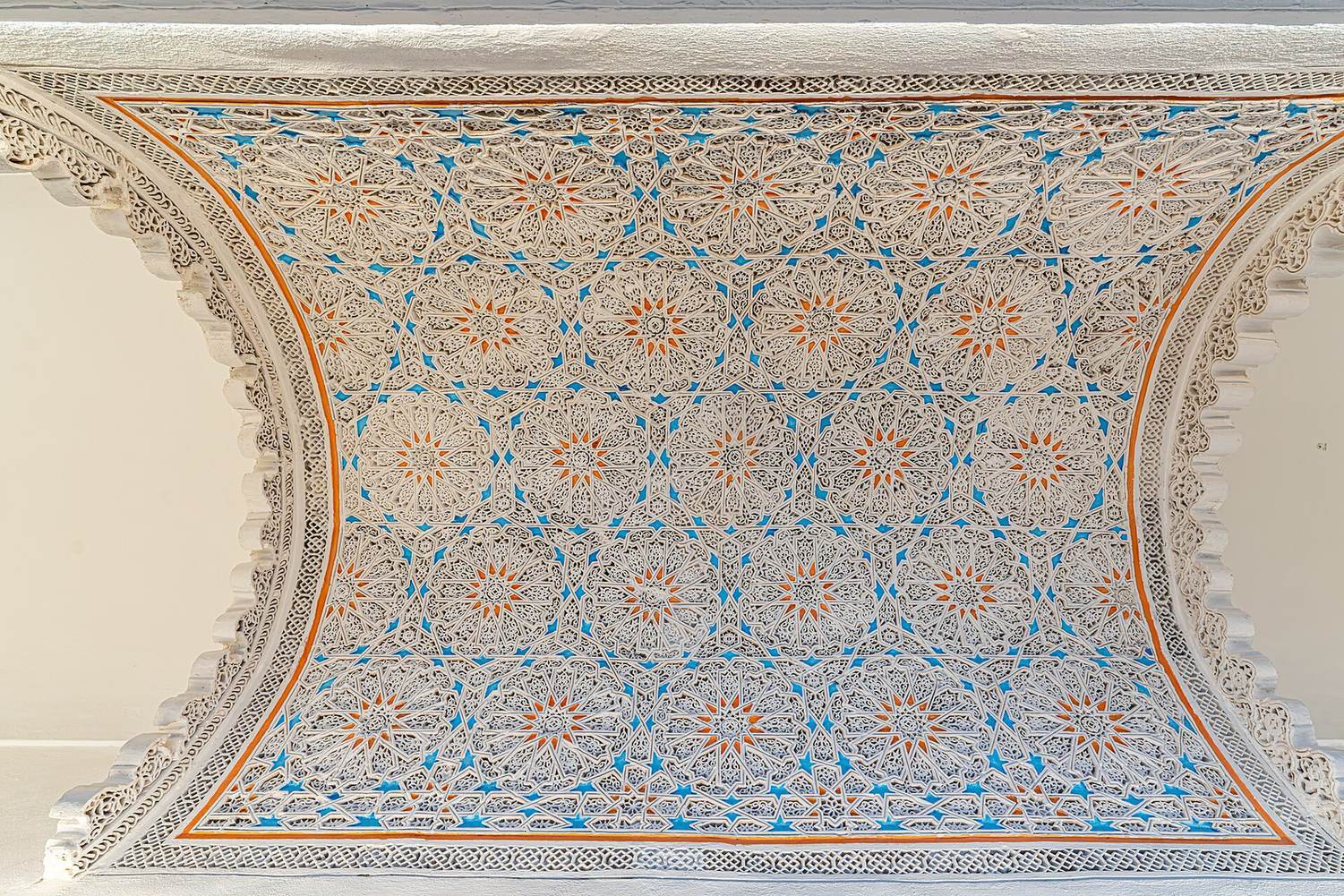
The Great Palace has an inner courtyard and covered passages lined with arches, illuminated by high, arched windows. Two grand halls face one another and were intended for guests. One, known as the Dome Hall, has a sixteen-sided domed ceiling. The other is a cross-shaped salon decorated in the Tunisian style.