Röthelstein Castle: A Seventeenth-Century Monastic Summer Residence
Site at a Glance
- Popularity
- Medium
- Country
- Austria
- Primary era
- Early Modern
- Eras represented
- Early Modern
- Civilizations
- Duchy of Styria, Habsburg, Habsburg Austria, Holy Roman Empire
- Site type
- Domestic
- Remains
- Castle
On this page10 sections
History
Monastic residence and collection
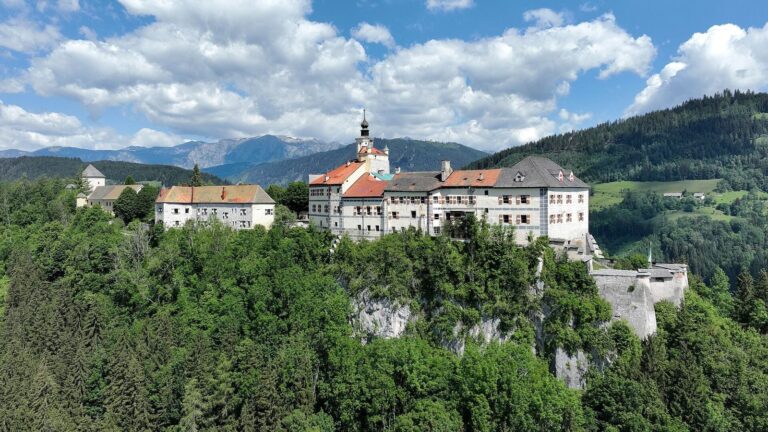
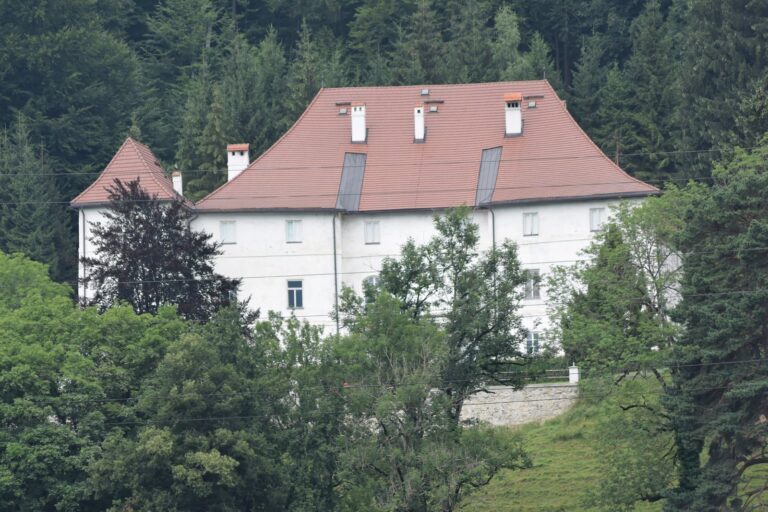
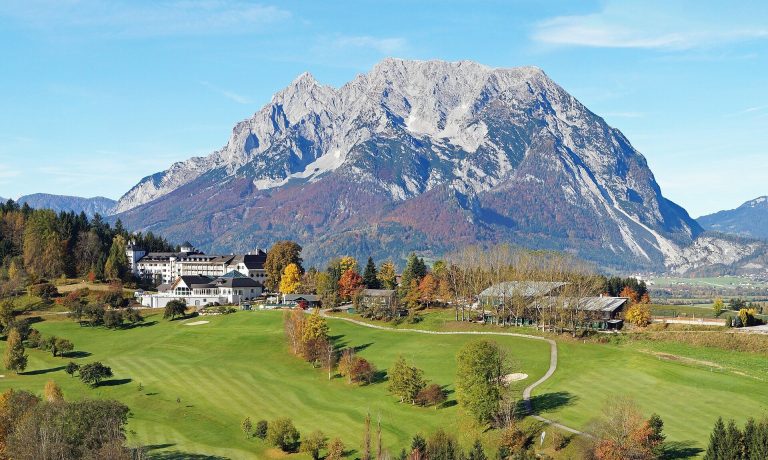
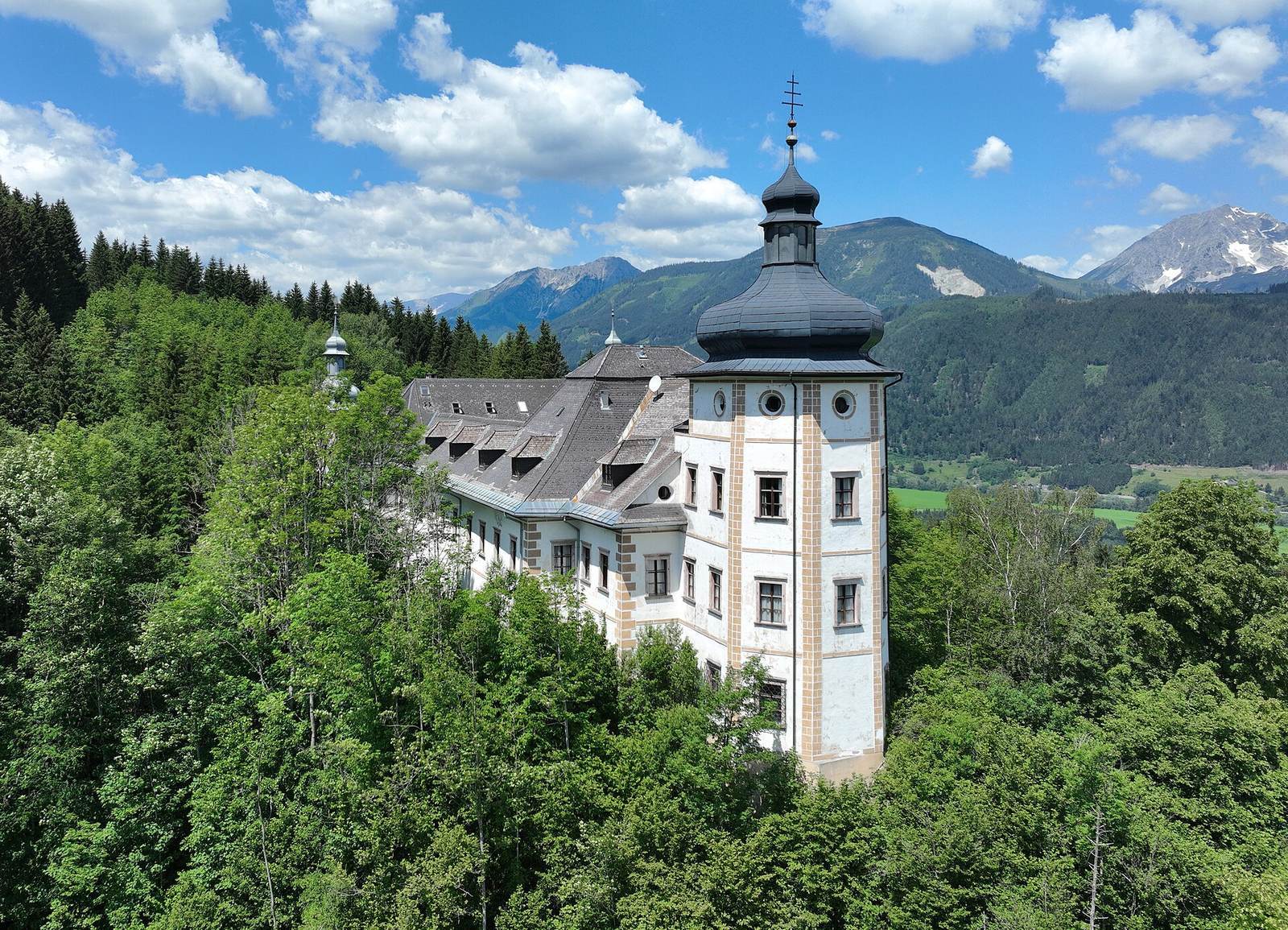
Röthelstein Castle stands on the slope of Klosterkogel, south of Admont in Styria, Austria. Abbot Urban Weber, head of the Benedictine community at Admont Abbey, built it in 1655–1657 as a summer residence for the abbots and their fellow monks.
After a fire destroyed Admont Abbey in 1865, the castle provided temporary accommodation for the monks. It also housed a gallery of 370 paintings until the beginning of the Second World War. Works from the collection that remain today are displayed in the abbey’s chapter hall, a meeting room for the monastic community, and its museum.
Wartime use and restoration
In 1938, Nazi Germany, then officially known as the German Reich, took control of the castle. It became a holiday camp for the League of German Girls, the Nazi Party’s organization for girls, and stored the picture collection of Heinrich Himmler, a senior Nazi leader who headed the SS.
The Styrian Youth Hostel Association, now JUFA Holding GmbH, acquired the castle from Admont Abbey in 1973. From 1974 to 1977, the association restored the building and converted it into a youth guesthouse.
Remains
Layout and exterior
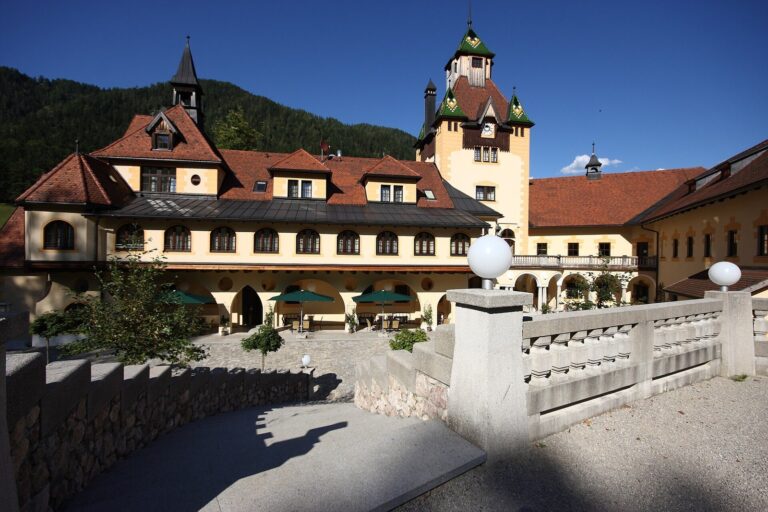
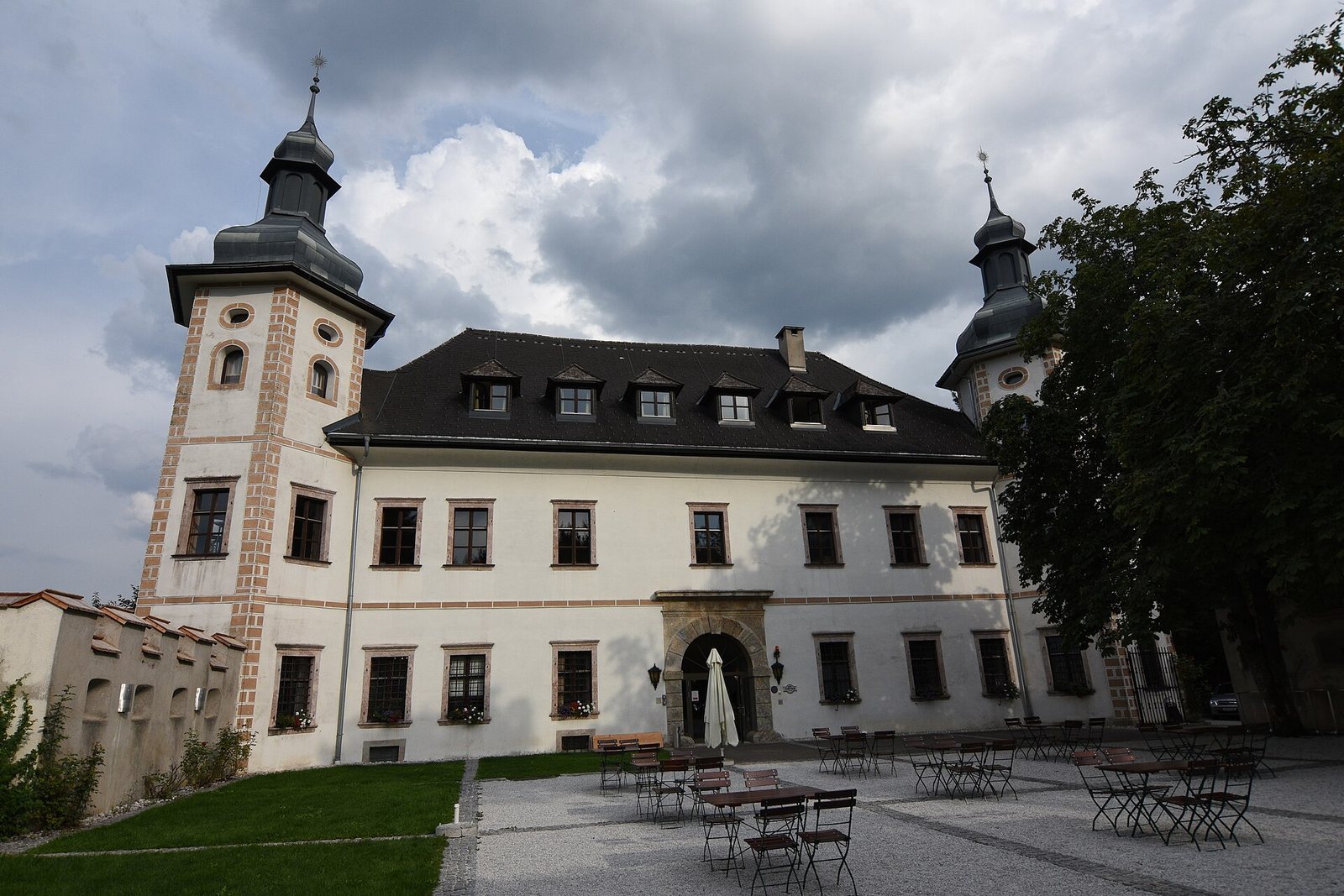
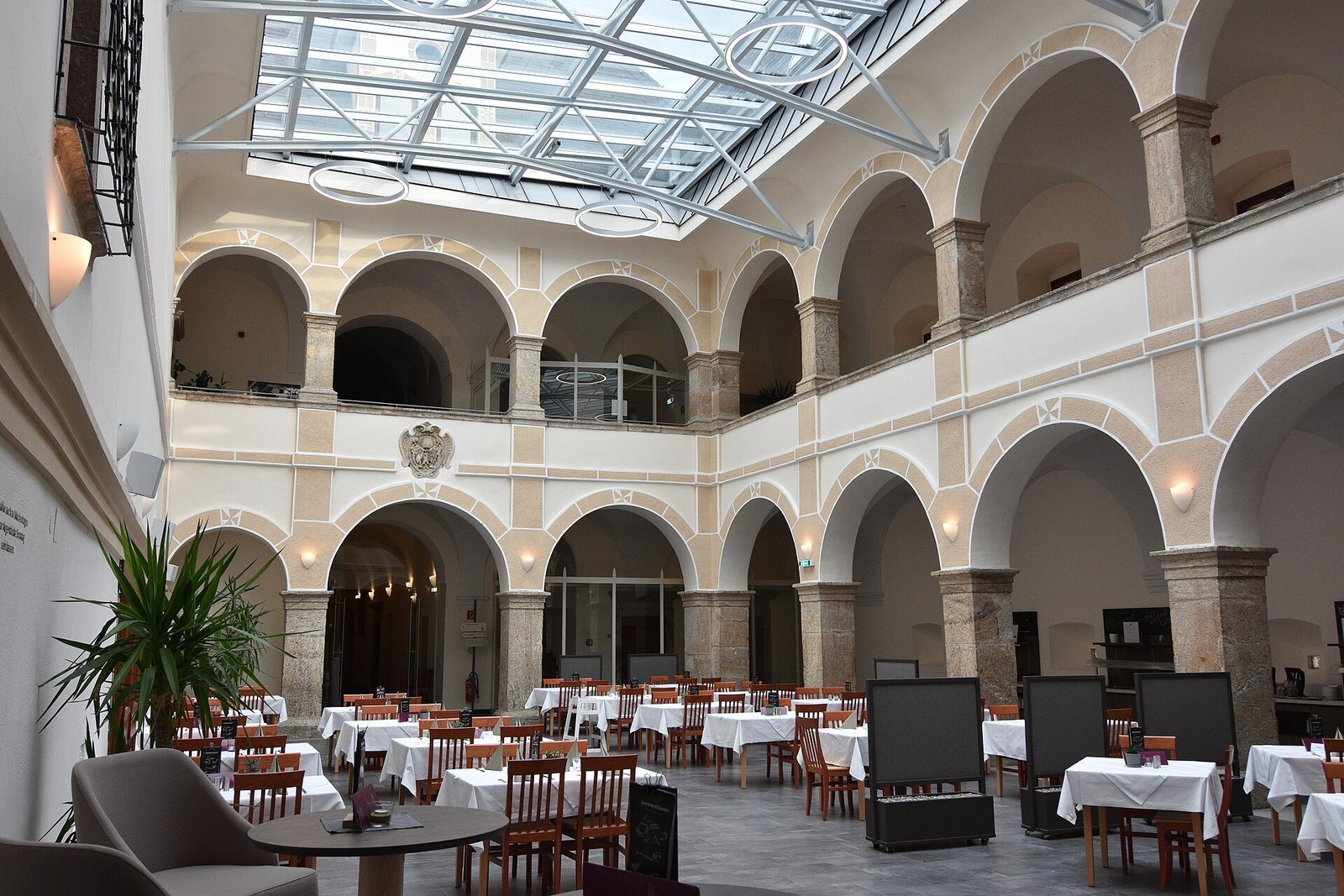
The two-storey castle is a nearly symmetrical rectangular complex arranged around a courtyard, which is now roofed. An octagonal tower at the east end and two projecting polygonal towers at the west are topped with onion-shaped domes and lanterns, small tower-like structures above a roof or dome. A wall encloses the western forecourt, with narrow defensive openings called loopholes and rounded defensive structures known as roundels, each capped by a tent-shaped roof.
Interiors and service spaces
Chapel of St Benedict
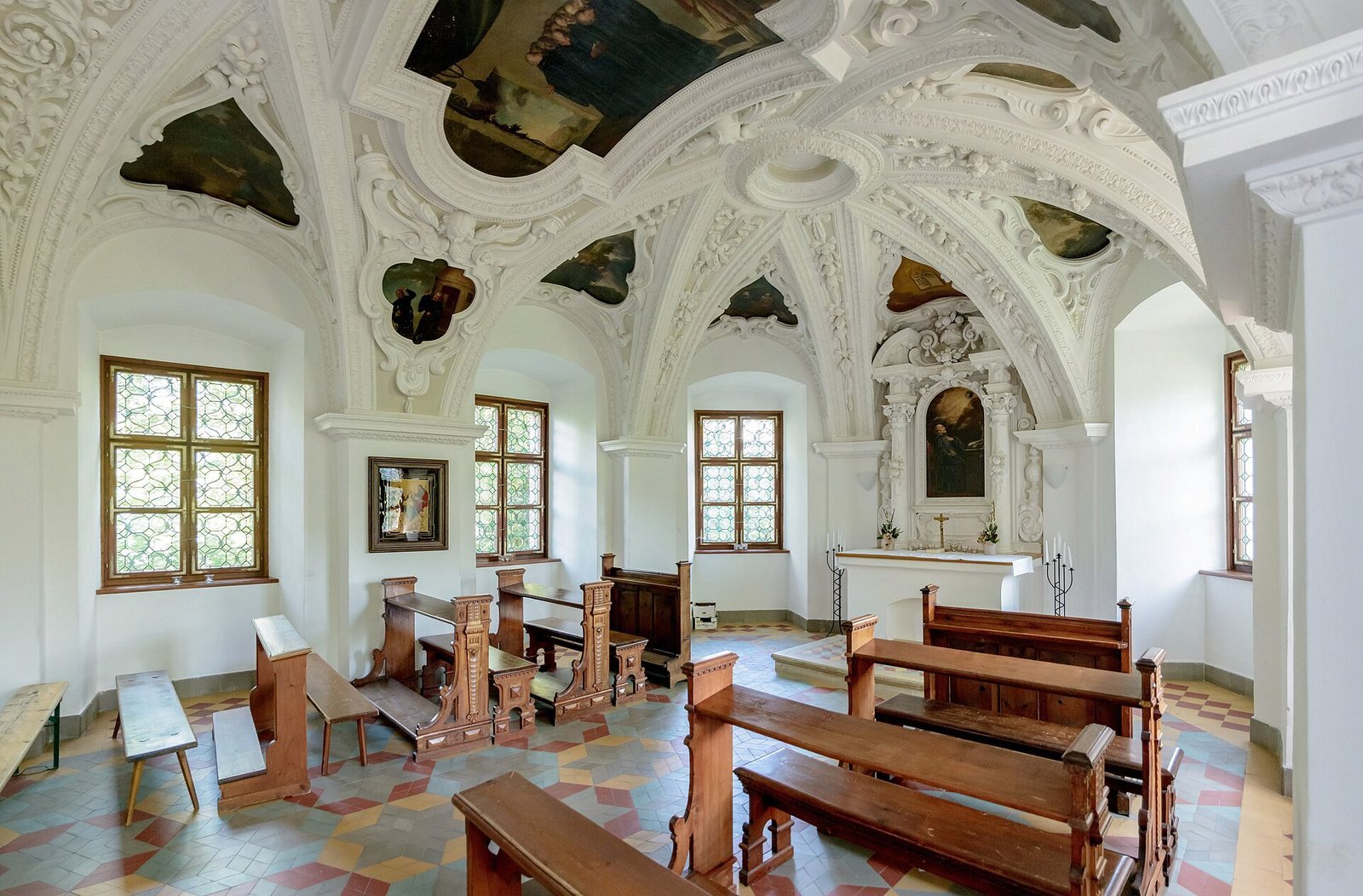
The ground floor of the eastern tower contains a chapel dedicated to St Benedict, the sixth-century monk whose Rule helped shape Western monasticism. Its lunettes, crescent-shaped fields, contain paintings, while decorative plasterwork, or stucco, enriches the interior. The painted ceiling and altarpiece celebrate St Benedict.
Knights’ Hall
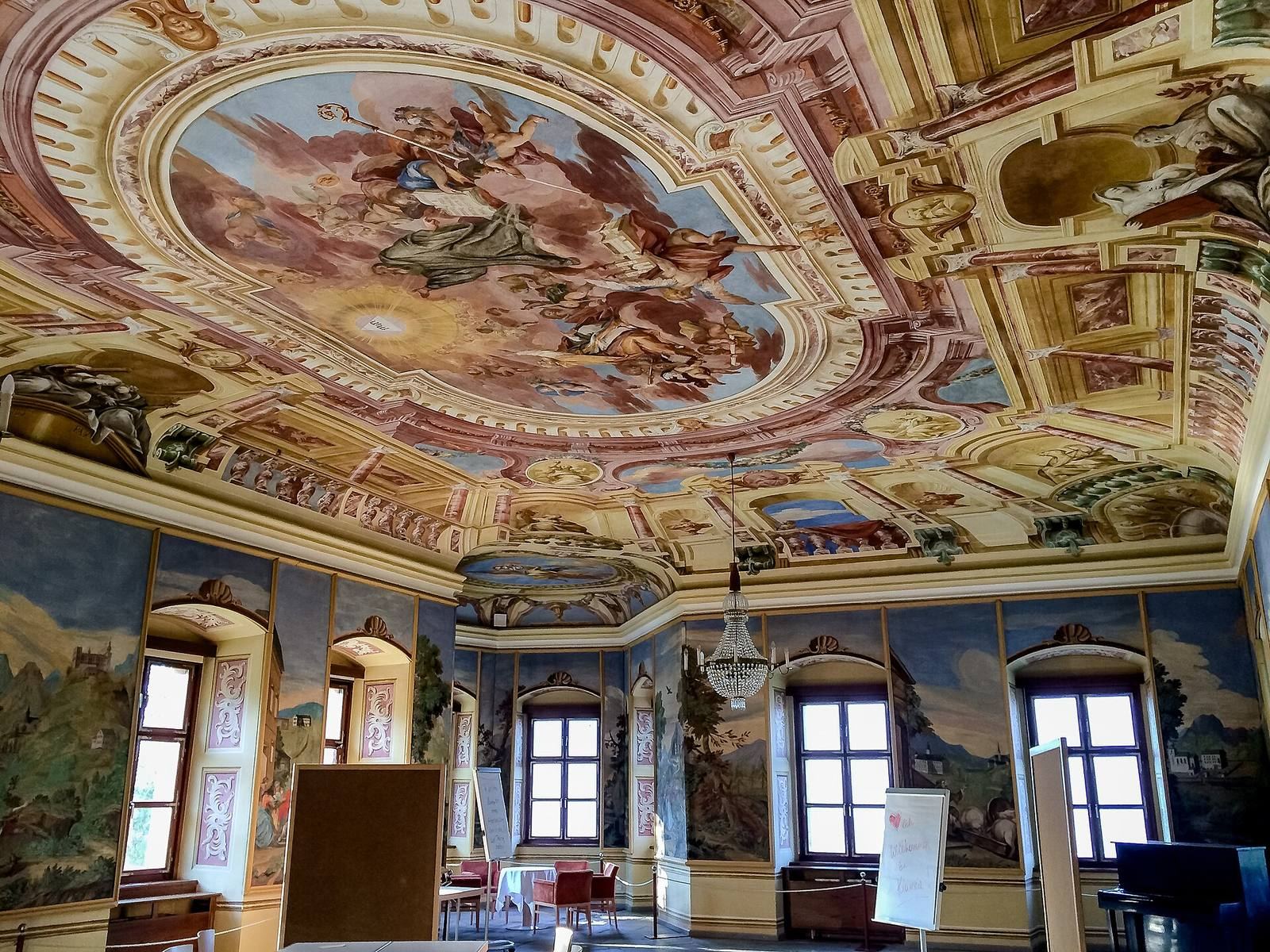
The Knights’ Hall, formerly the dining hall, has a ceiling painting showing the glorification of St Benedict and St Blaise, an early Christian bishop revered as a martyr. Painted wall hangings depict episodes from the story of the Prodigal Son.
Marksmen’s Room
A richly decorated iron stove from the castle’s construction stands in the Marksmen’s Room beneath a plain wooden coffered ceiling, which is divided into recessed panels.
Cellars and kitchen
Extensive rock cellars survive beneath the castle. To the right of the entrance is a large smoke kitchen, where cooking smoke circulated through the room and could help preserve food.
Some of the castle’s early Baroque interior decoration also survives.