Schwarzau Castle: An Austrian Residence and Later Prison
Site at a Glance
- Popularity
- High
- Country
- Austria
- Primary era
- Early Modern
- Eras represented
- Early Modern, Modern
- Civilizations
- Austria-Hungary, Habsburg, Habsburg Austria, Holy Roman Empire
- Site type
- Domestic
- Remains
- Castle
On this page5 sections
History
Hunting castle and Baroque residence
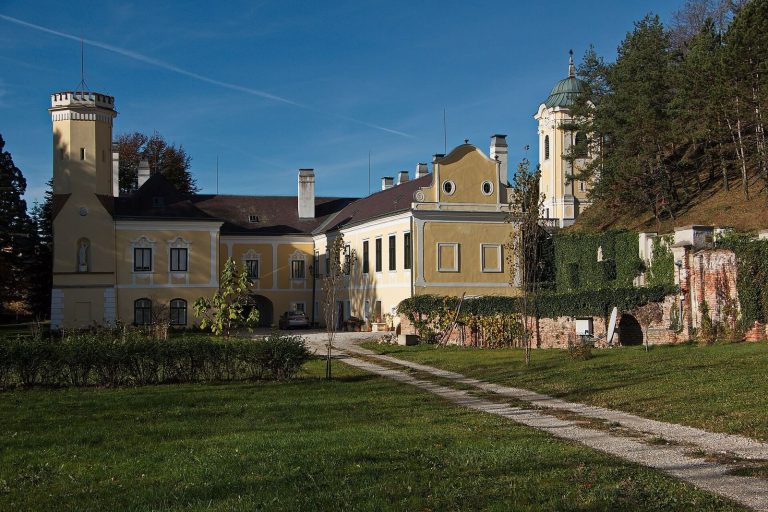
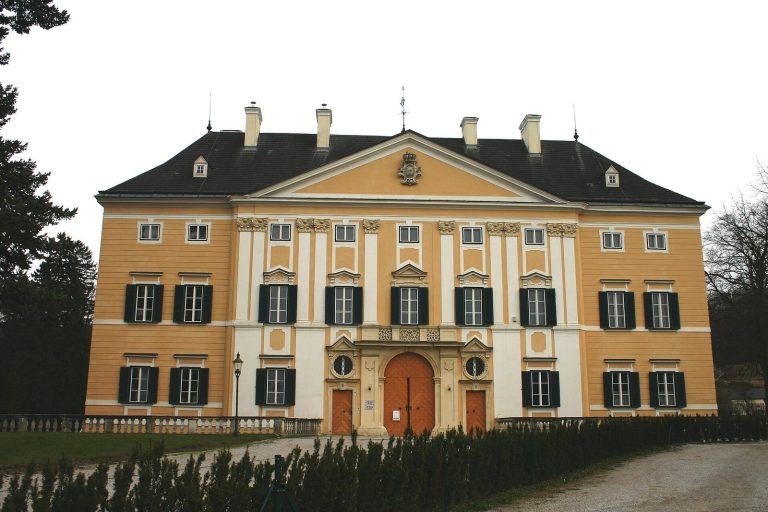
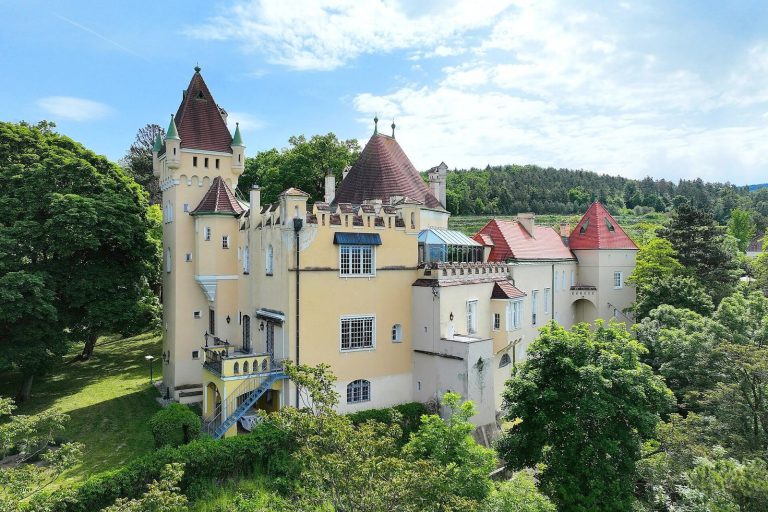
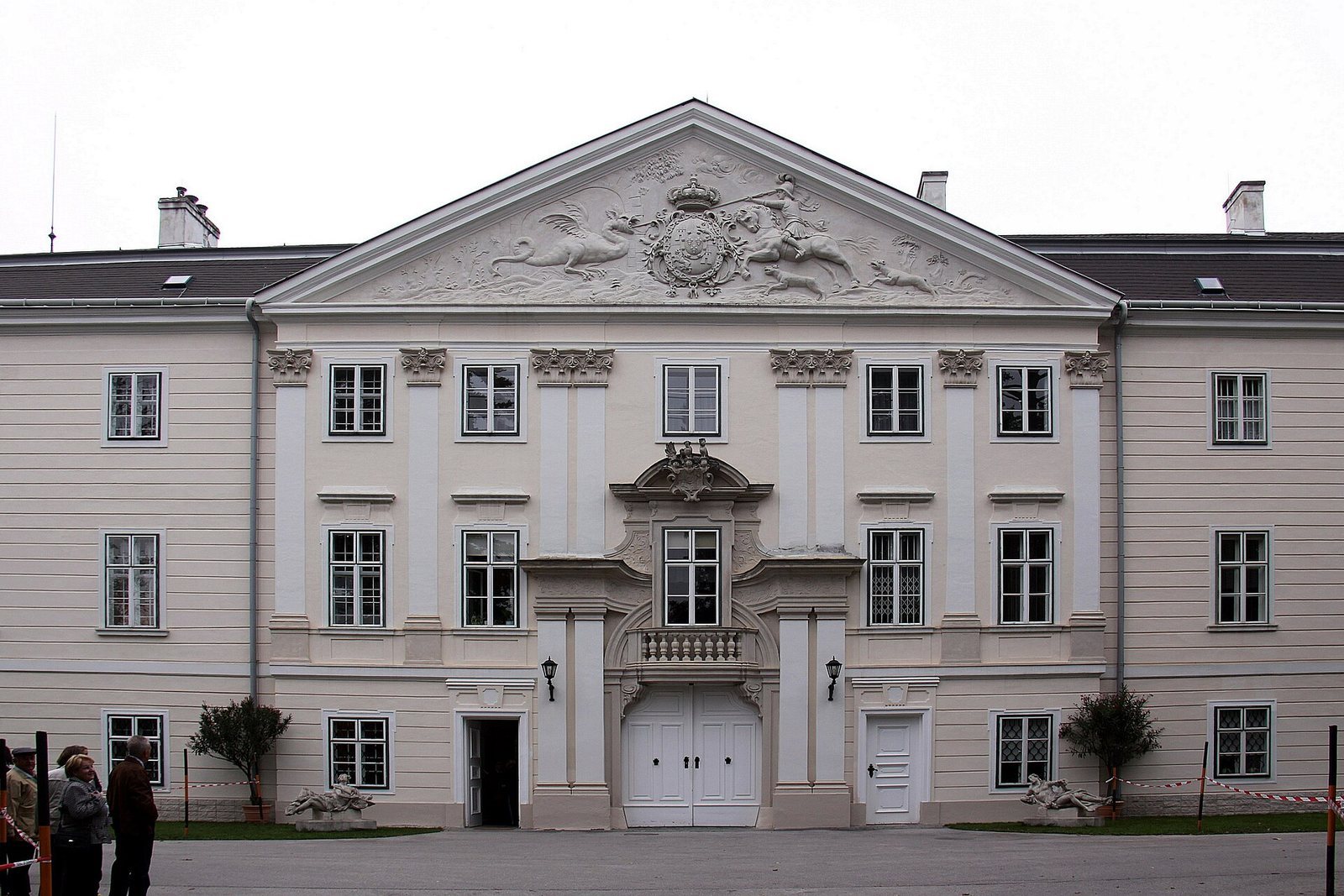
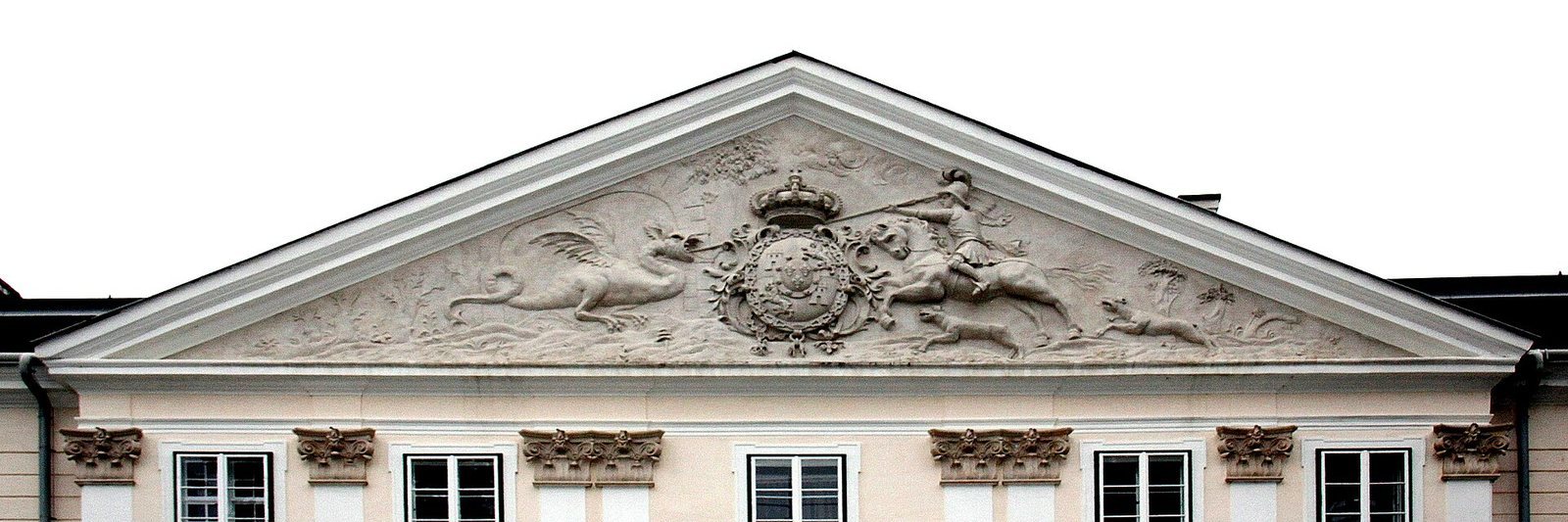
Schwarzau Castle is a former hunting castle in Austria that later served as a noble residence and prison. Work commissioned in 1567 established the basic form of the present building, and construction in the Baroque style, a European architectural movement prominent in the seventeenth and eighteenth centuries, began in 1697.
The castle originally belonged to a territorial ruler or emperor. At an uncertain point between the thirteenth and sixteenth centuries, it passed to the Wurmbrand-Stuppach family, an Austrian noble house. The family probably commissioned builder Christian Alexander Oedtl to redesign the castle around 1720–30.
Bourbon-Parma ownership and the 1911 wedding
On 27 August 1889, the castle passed to Robert of Bourbon-Parma, a former Duke of Parma. He made numerous changes and additions to the complex. After Robert died in 1907, his son Elias, supported by his stepmother Maria Antonia of Portugal, obtained an Austrian court ruling that declared his six older siblings legally incapacitated because of mental and physical disabilities. Elias became their legal guardian and sole heir to the family fortune, which included the castle. His younger half-brothers Sixtus and Franz Xaver sought a larger share of the estate, but a court in Paris rejected their claims.
On 21 October 1911, Archduke Karl, later Emperor of Austria, married Princess Zita of Bourbon-Parma in the castle chapel. Monsignor Gaetano Bisleti officiated and read a greeting from Pope Pius X. Emperor Franz Joseph I attended and gave a toast captured on film; King Friedrich August III of Saxony and Archduke Franz Ferdinand of Austria-Este served as witnesses. Film footage of the wedding survives.
When Karl was beatified in 2004, a formal step in the Catholic Church’s recognition of a deceased person’s holiness, 21 October was chosen as his church feast day instead of the anniversary of his death. The choice recalled his marriage to Zita.
Hospital, occupation, and prison
Shortly after the First World War, the owners converted the castle into a convalescent home and hospital. Soviet forces occupied it after the Second World War.
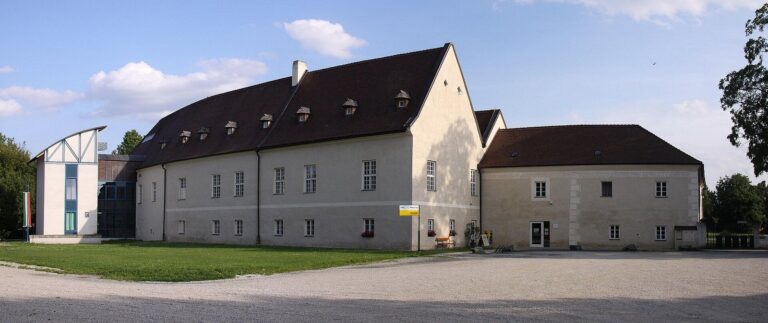
On 24 November 1951, Elias sold the estate, including its buildings and land, to the Republic of Austria. The state adapted the former castle buildings for prison use. After extensive alterations, Women’s Prison Schwarzau opened there in December 1957; the complex is now Schwarzau Prison.
Remains
The Baroque castle complex includes a small chapel and reception rooms. These interiors were altered for the 1911 wedding: the reception rooms were renovated, and benches in the chapel were replaced with chairs to increase seating.
Wedding arrangements also extended beyond the rooms themselves. Telephones were installed in the castle so the couple could receive congratulations, and a post office was set up in the castle park to receive wedding gifts and congratulatory telegrams.