Cambron Castle: A Neoclassical Residence in Belgium
Site at a Glance
- Popularity
- Medium
- Country
- Belgium
- Primary era
- Modern
- Eras represented
- Modern
- Civilizations
- Belgian
- Site type
- Domestic
- Remains
- Castle
On this page7 sections
History
Construction in the nineteenth century
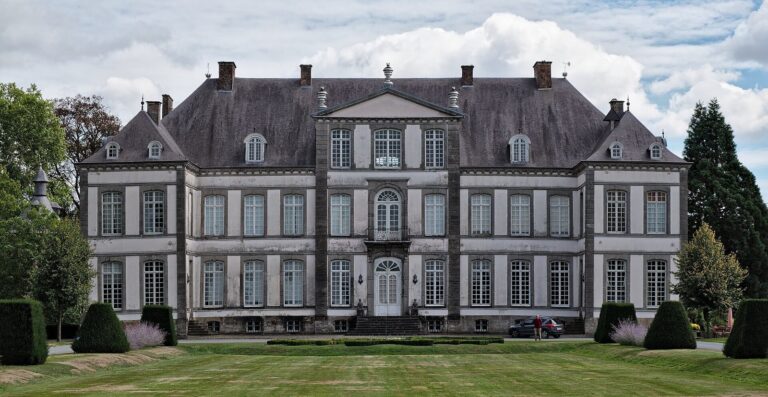
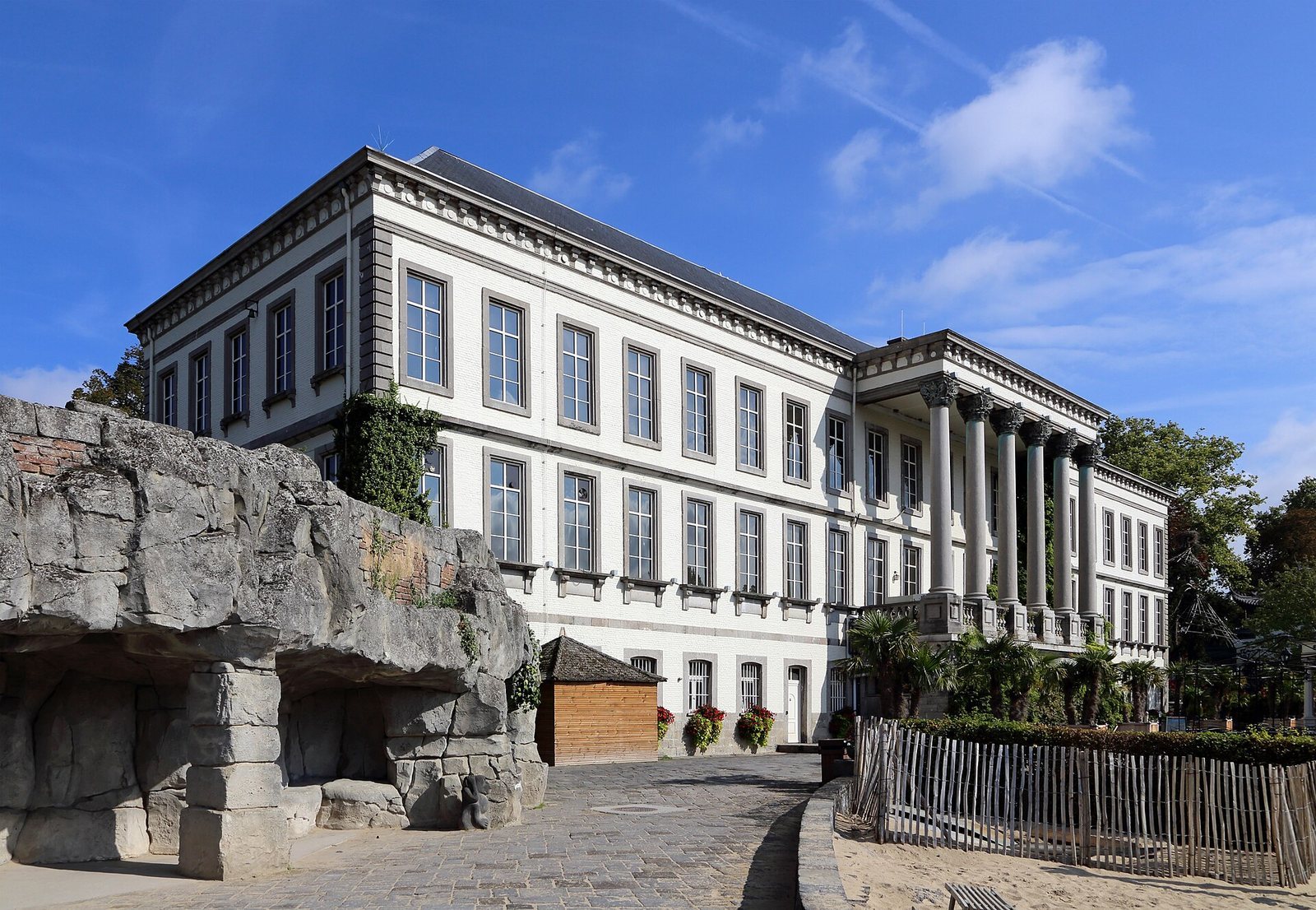
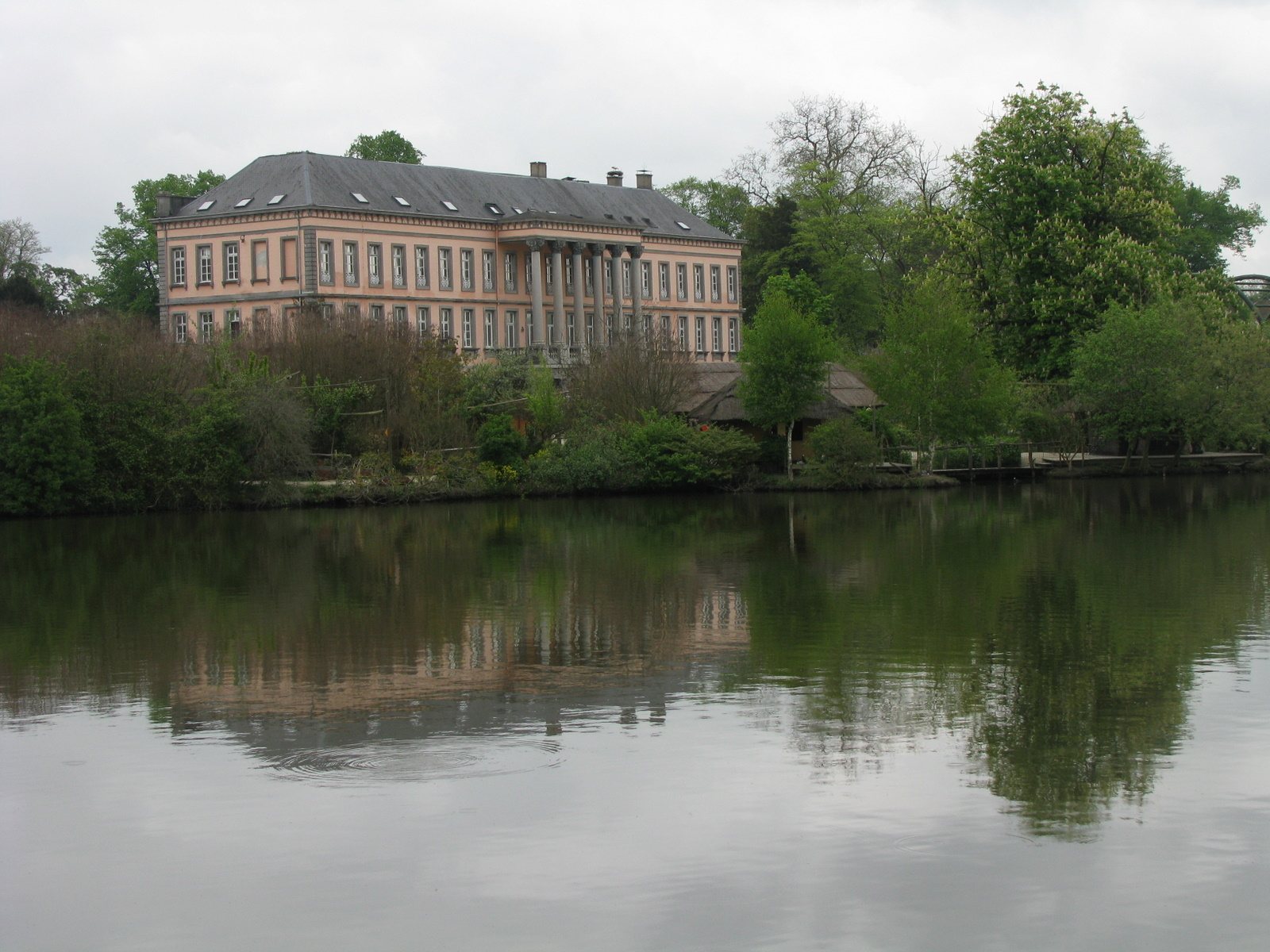
Cambron Castle is a neoclassical residence in Cambron-Casteau, within Brugelette, Belgium, built from 1852 to 1854 for General Édouard Duval de Beaulieu de Blaregnies. His father, Constant du Val de Beaulieu, mayor of Mons, acquired Cambron Abbey in 1803. The residence was built on the foundations of the abbey’s former infirmary.
Family ownership and later use
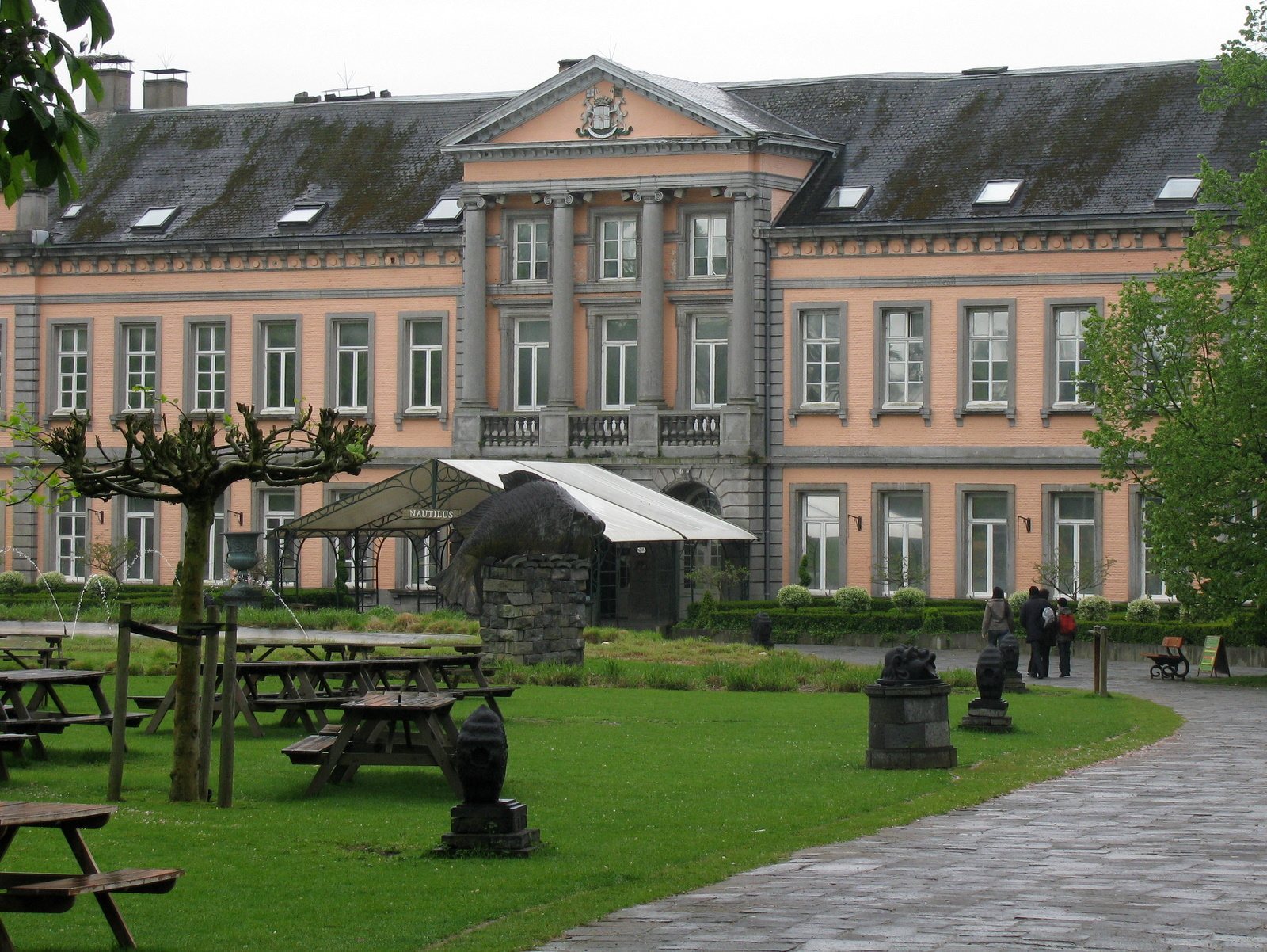
The Ullens de Schooten family, descendants of Édouard, owned the château until 1993, when the Dombs family purchased it and established the Paradisio zoological park. The park was renamed Pairi Daiza in 2010, and the château is now used as a public aquarium. In 1982, the building received classified built-heritage protection in Wallonia, a legal designation for properties recognized for heritage value.
Remains
Architecture and entrance
Main building
The château’s neoclassical structure stands on the former infirmary’s foundations. It is arranged in 21 bays (repeated structural sections) along one direction and five in the other. The north principal façade has a two-part composition in limestone and painted brick. On the south side, a portico with columns across its front has six single-piece stone columns topped by bronze capitals. The design has been compared with the Royal Palace of Brussels as it appeared before alterations made under Leopold II. The resemblance may relate to the château architect’s earlier work for Leopold I, Belgium’s first king, and his son Leopold II.
Entrance gates
Wrought-iron gates at the property entrance date from the château’s construction period. Their intertwined initials, DVB, refer to the counts of du Val de Beaulieu.