Castle of Costa di Mezzate: A Medieval Fortified Complex in Italy
Site at a Glance
- Popularity
- Medium
- Country
- Italy
- Primary era
- Medieval
- Eras represented
- Medieval, Early Modern, Modern
- Civilizations
- Holy Roman Empire, Venetian
- Site type
- Military
- Remains
- Castle
On this page7 sections
History
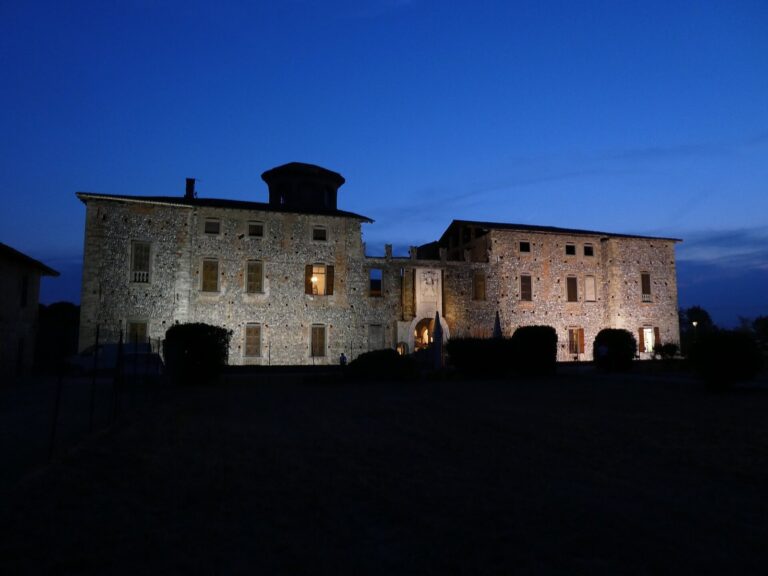
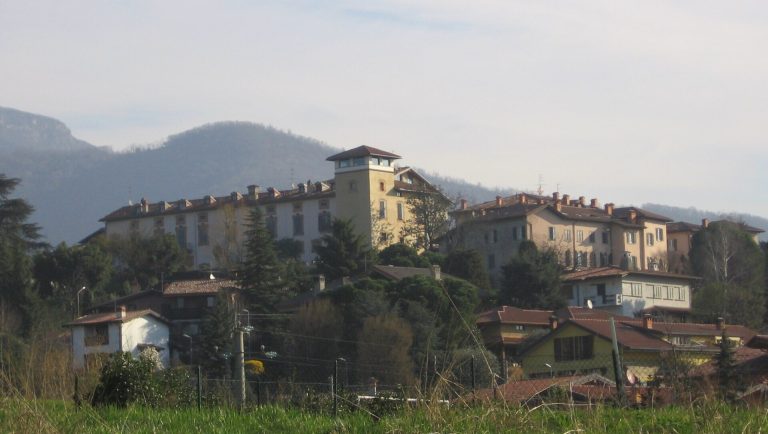
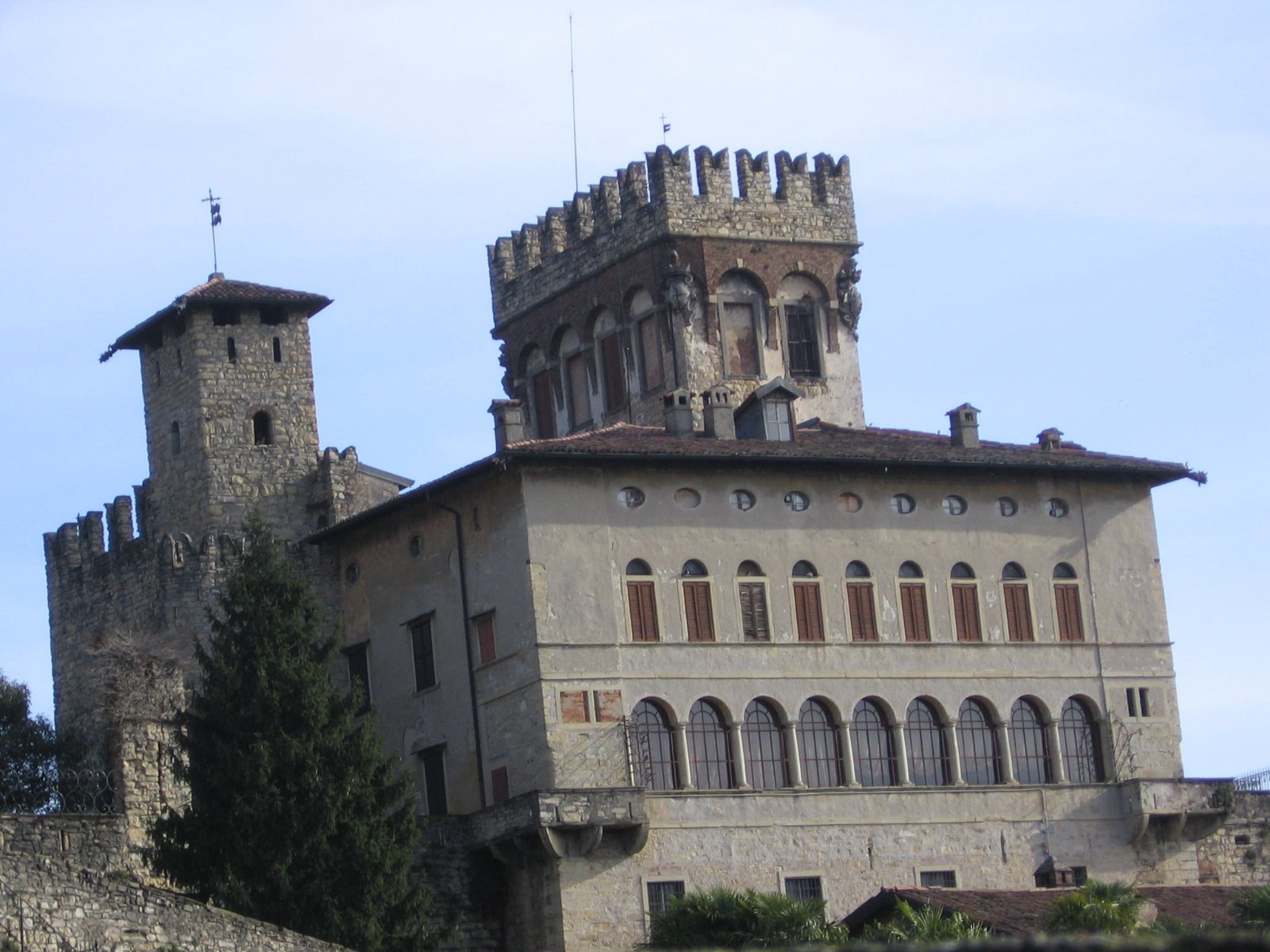
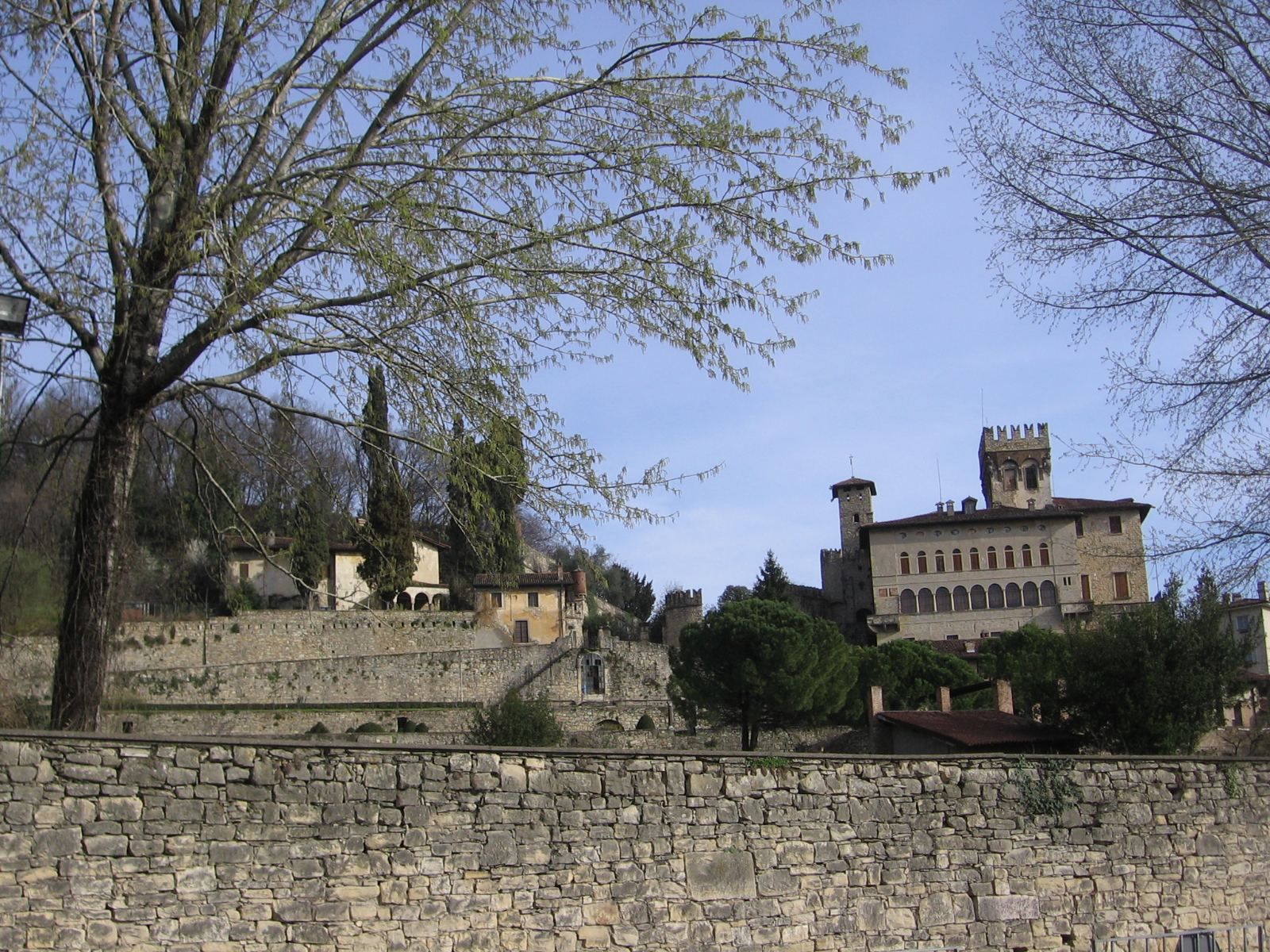
The Castle of Costa di Mezzate is a fortified complex in Italy, about 10 km from Bergamo. Its construction is placed around 1000 and attributed to Otto I, a 10th-century king of East Francia and Holy Roman emperor. The earliest known written reference to the castle dates to 1160.
Origins and the Vertova family
The municipality of Bergamo later granted the castle to Alberto degli Albertonis de Capitaneis de Vertua, a Ghibelline, or supporter of imperial authority in medieval Italian conflicts. Alberto represented the Lombard League, an alliance of northern Italian communes, at Lodi, signed the Peace of Constance, a treaty between the emperor and the League, and served as consul of Bergamo in 1190. The grant followed a practice of rewarding families that had fought on the victorious side at the Battle of Legnano, a 12th-century battle between the League and Emperor Frederick I’s forces.
Conflict and later use
In 1380, Bernabò Visconti, Duke of Milan, failed to breach the castle’s defenses. The stronghold also resisted attacks by Niccolò Piccinino, commander of the Visconti army in its conflict with Francesco Sforza, who led the Venetian side. In 1433, the Venetian Republic, the state governed from Venice, exempted the people of Bagnatica and Mezzate from property, personal, and mixed taxes for five years, recognizing their loyalty and the hardships they had endured.
In later centuries, the castle became the residence of the Camozzi-Vertova family, which remains its owner. The exterior was remodelled in the 16th century, and the interiors were completely renovated in the 19th.
Remains
The surviving complex preserves a fortified outer enclosure and decorated interiors, with a large garden outside the castle. Its remains include defensive stonework, carved heraldry, and painted decoration.
Perimeter and towers
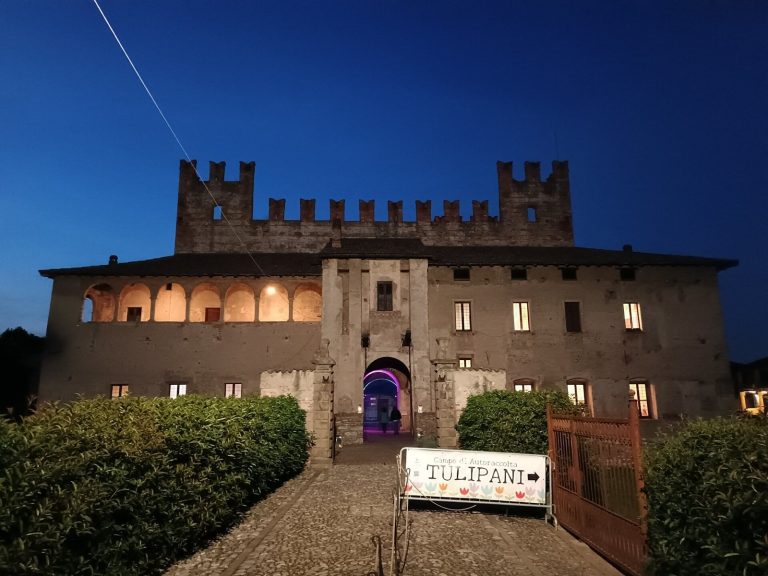
An outer stone wall, pierced by arrow slits, surrounds the fortified enclosure and was built to deter attackers from climbing inside. Its weather-darkened masonry follows a geometric arrangement characteristic of the 11th century. Towers at the corners provided views across the surroundings during combat. Two old cylindrical towers survive as ruins, with swallowtail-shaped notches along their tops.
Garden, entrances, and carvings
A gate gives access to the large garden outside the castle, where centuries-old trees grow. A second entrance in the perimeter wall bears Vertova family emblems carved in stone, a leopard and an eagle, alongside the motto Honor et gloria, meaning “Honor and glory.” A stone inscription names Alberto as the forebear of the Vertova family.
Interiors
The rooms contain numerous paintings and frescoes, including a group of paintings by Luigi Deleidi, a painter from Bergamo. Tunnels may connect the castle with residences in nearby villages.