Rittergut Bredenbeck: A Noble Estate and Moated Castle in Germany
Site at a Glance
- Popularity
- Medium
- Country
- Germany
- Primary era
- Early Modern
- Eras represented
- Medieval, Early Modern, Modern
- Civilizations
- Holy Roman Empire, Kingdom of Hanover
- Site type
- Domestic
- Remains
- Manor House
On this page9 sections
History
Medieval castle and the Knigge family
Rittergut Bredenbeck is a historic noble estate and former lowland moated castle at the northwestern edge of Bredenbeck, in the municipality of Wennigsen in the Hanover region of Germany. In German, Rittergut means a landed estate traditionally associated with the nobility. The castle originated in the second half of the thirteenth century, and a document issued there in 1281 provides its first known written reference.
The Lords of Goltern held the castle as a fief, land held under obligation to a superior, from the Bishopric of Hildesheim, whose bishop exercised both religious and secular authority. The Lords of Sudersen held it in 1320. In 1338 the Knigge family received the castle as a fief, enlarged it, and made it their ancestral seat. A house chapel was endowed in 1361.
Rebuilding and divided ownership
After a fire in 1550, the castle was rebuilt in 1560 in the Renaissance style, an approach drawing on classical forms that became prominent in Europe from the fifteenth century. The estate was divided between two branches of the Knigge family, each receiving a fortified house. Their holdings became known as the Burggut, or fortified-castle estate, and the Schlossgut, or residential-castle estate.
The two properties came under one ownership again in 1722. Adolph Knigge, a German writer and thinker associated with the Enlightenment, was born at the castle in 1752. Following his death in 1796, the estate passed to the Leveste branch of the family.
The estate and its court in the nineteenth century
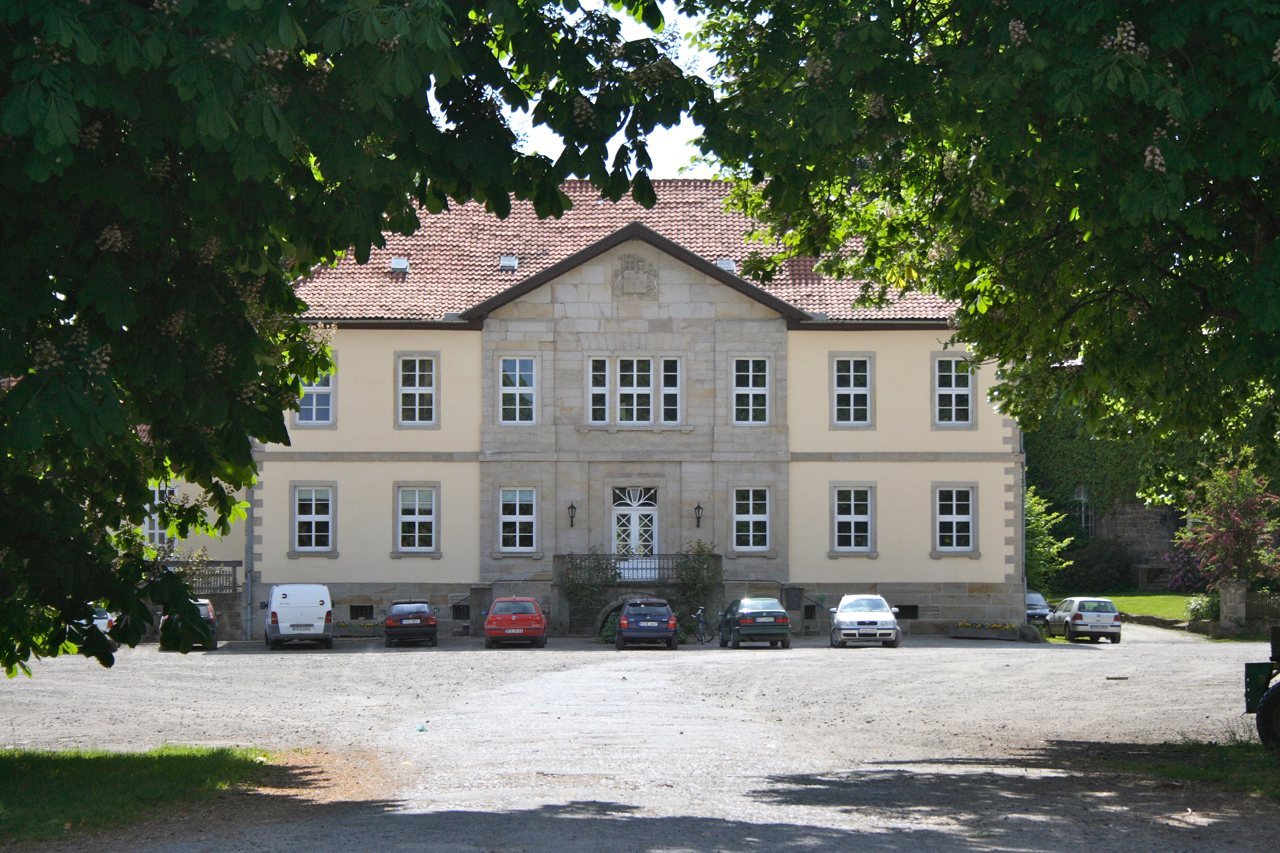
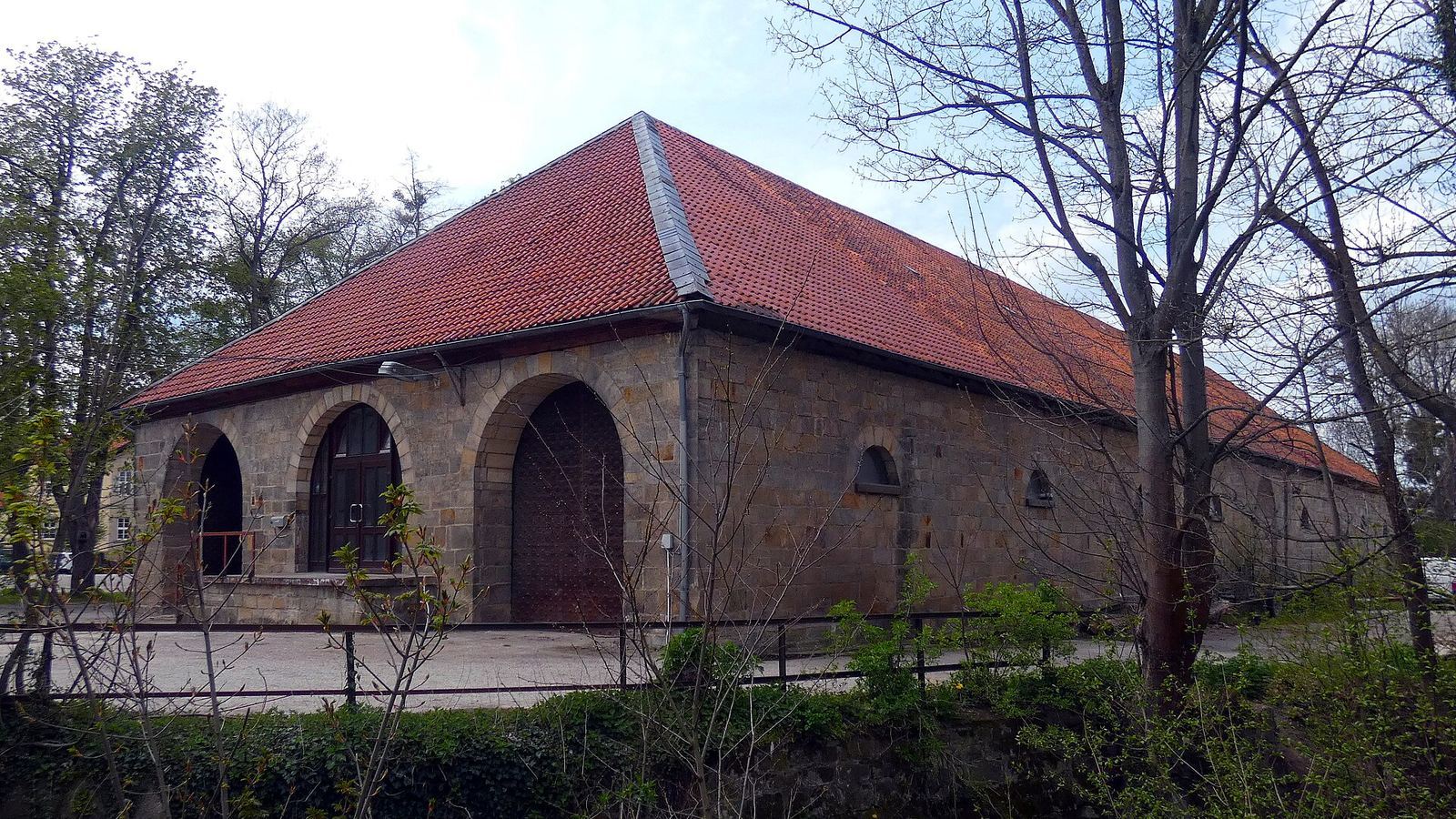
Hanoverian court architect Georg Ludwig Friedrich Laves began working for the Knigge family in 1822. His alterations gave the estate its present form. An associated farmyard was built between 1846 and 1860.
The Knigge family long exercised patrimonial jurisdiction, meaning judicial authority attached to a landholding. Its powers covered lesser matters and serious criminal cases, including the authority to impose death sentences. The Hanover judicial chancery served as the appellate court, hearing appeals from Bredenbeck.
In 1810, during the French period, Hanover became part of the Kingdom of Westphalia, a French-era kingdom that abolished patrimonial jurisdiction, including at Bredenbeck. Criminal jurisdiction there passed to the sovereign in 1823. After the 1848 Revolution, a period of political upheaval, Hanover separated judicial and administrative functions and abolished patrimonial jurisdiction. The Bredenbeck court closed in 1849, and its judicial work passed to the Wennigsen district office.
Remains
Physical form and estate features
Historic layout
Historical images dated 1599, 1650, and 1749 depict the Renaissance castle on an originally five-sided plan. The complex included two manor houses and a square tower, with farm buildings in front. Two many-sided stair towers may also have formed part of the layout.
Manor house and moat
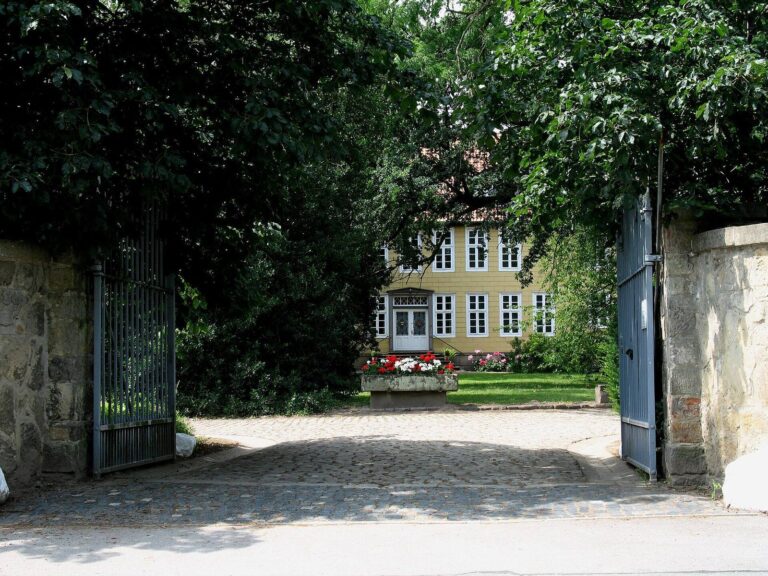
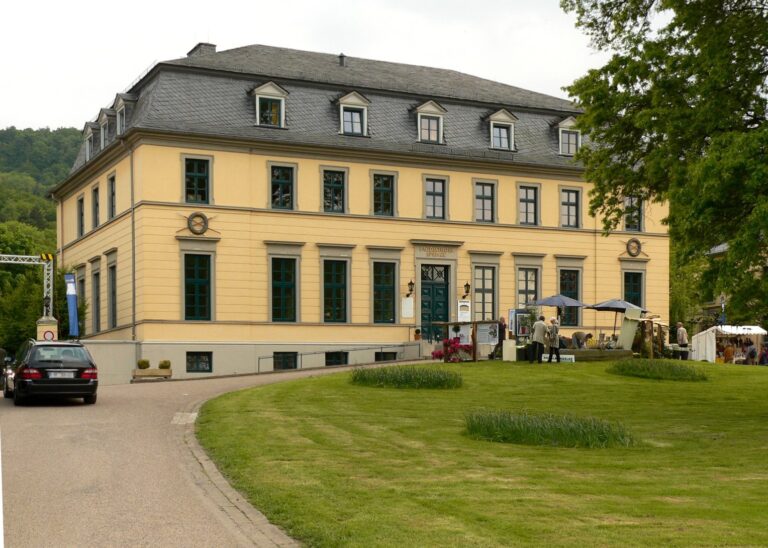
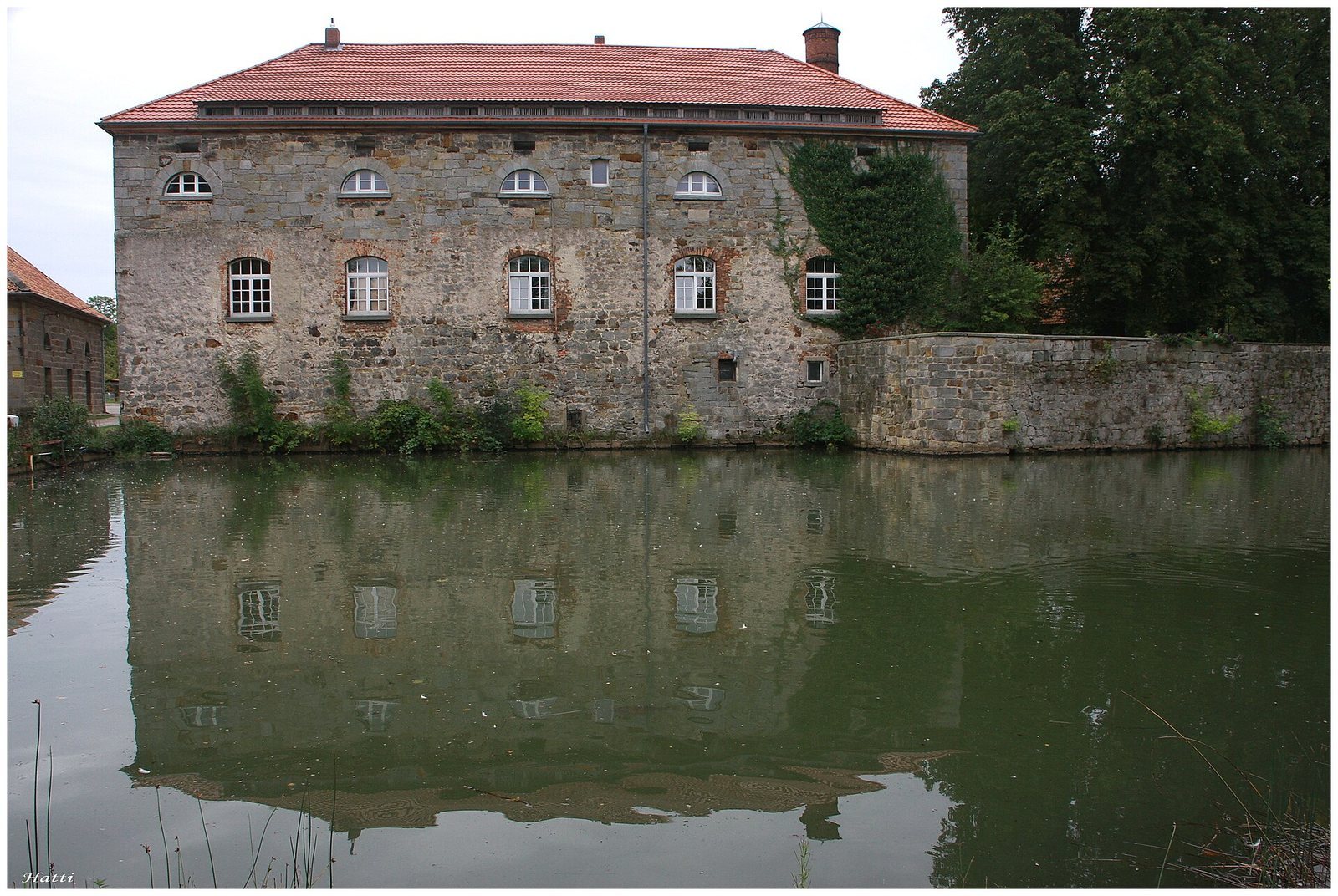
The present manor house is a simple stone building on the site of the former Burggut. Sections of the moat survive to its south and west. Water areas farther south may have belonged to the former Schlossgut.
Prison tower and gallows
A prison tower and a gallows marked the estate’s judicial authority.