Rohida Fort: A Stone Hill Fort in Maharashtra
Site at a Glance
- Popularity
- High
- Country
- India
- Primary era
- Medieval
- Eras represented
- Medieval
- Civilizations
- Unclassified
- Site type
- Military
- Remains
- Fort
On this page8 sections
History
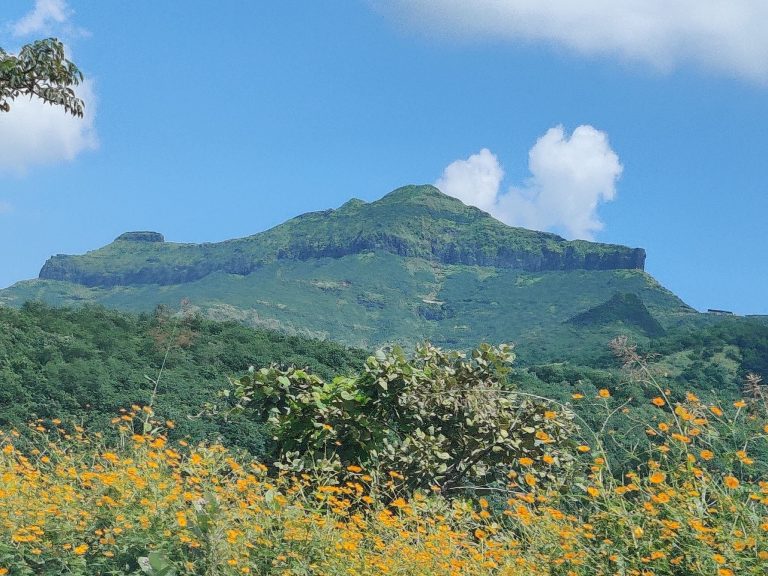
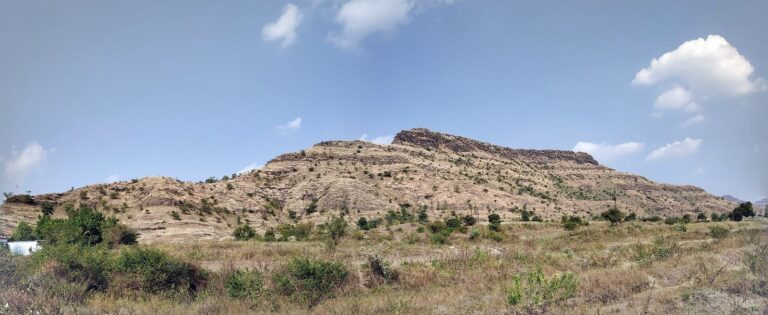
Rohida Fort is a stone hill fort in Pune district, Maharashtra, India, attributed to the Yadava period, when the Yadavas ruled parts of the Deccan. Its later history reflects the changing control of the region by Deccan sultanates, Maratha and Mughal powers, and Bhor State.
Yadava and Deccan Sultanate periods
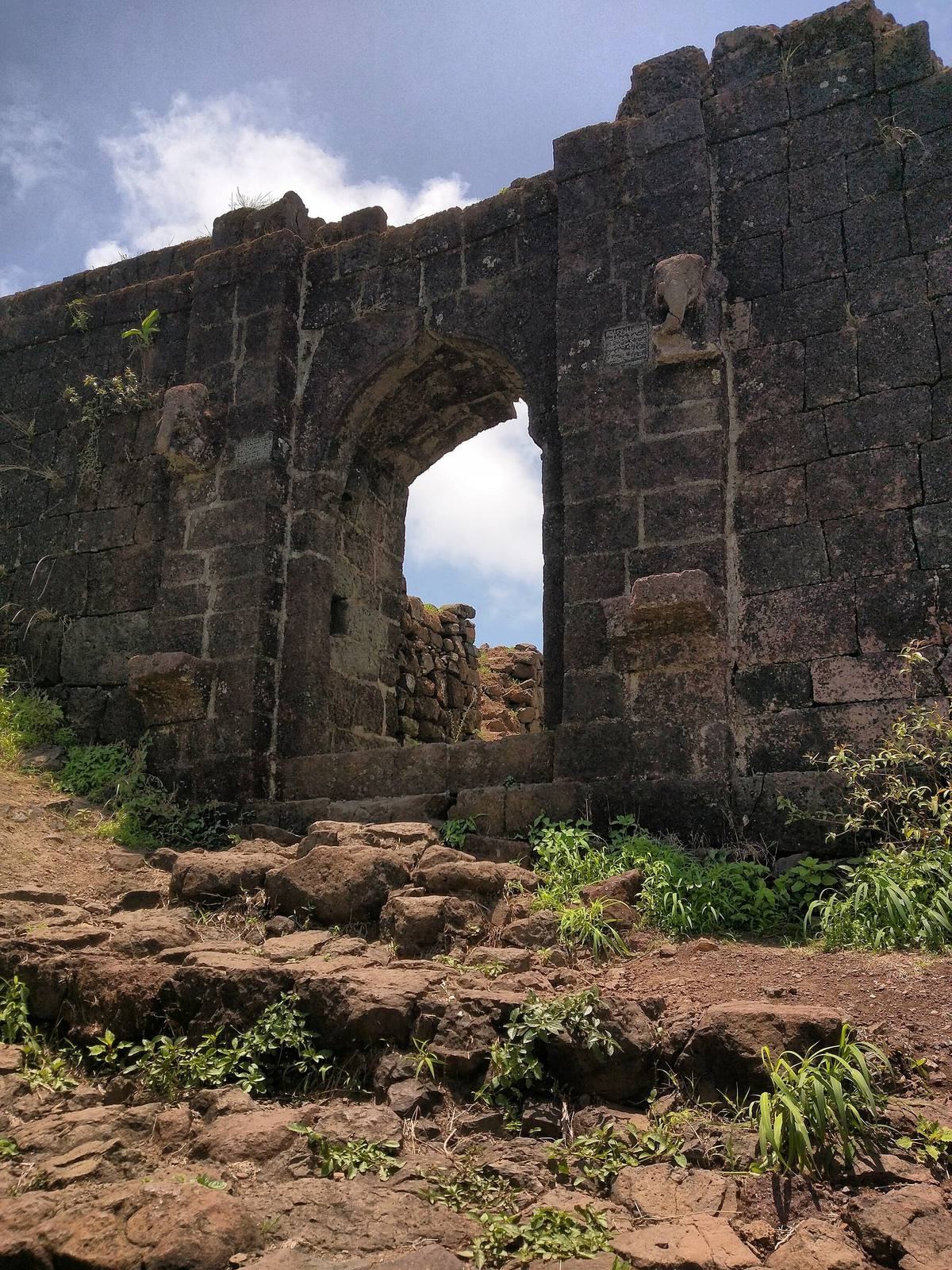
The Jedhe and Khopade families held a fief over lands around the fort under Nizamshahi rule, the sultanate of Ahmadnagar, and later under Adilshahi rule, the sultanate of Bijapur. In May 1656, Mohammed Adil Shah, the sultan of Bijapur, repaired the fort. An inscription on its third gate records the work.
Maratha and Mughal control
Under the 1665 Treaty of Purandar, an agreement between Maratha and Mughal powers, Shivaji Maharaj transferred Rohida Fort to Mughal control as one of 23 forts handed over to Aurangzeb, the Mughal emperor. Shivaji recaptured it on 24 June 1670. Mughal forces later took the fort again during the prolonged Maratha–Mughal conflict.
Vichitragad and Bhor State
In the early 1700s, the fort came under the Pant Sachivs, a ruling family of Bhor State. The title Pant Sachiv referred to a ministerial office in Maratha administration, and Bhor was a princely state in western India. The family renamed the fort Vichitragad, and it remained part of Bhor State until Indian independence in 1947. Restoration work has been undertaken by the Shree Shivdurga Samvardhan Committee with assistance from the forest department and local villagers.
Remains
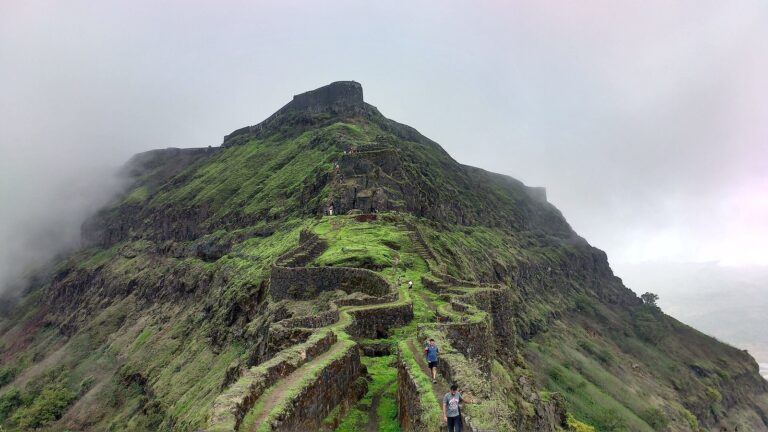
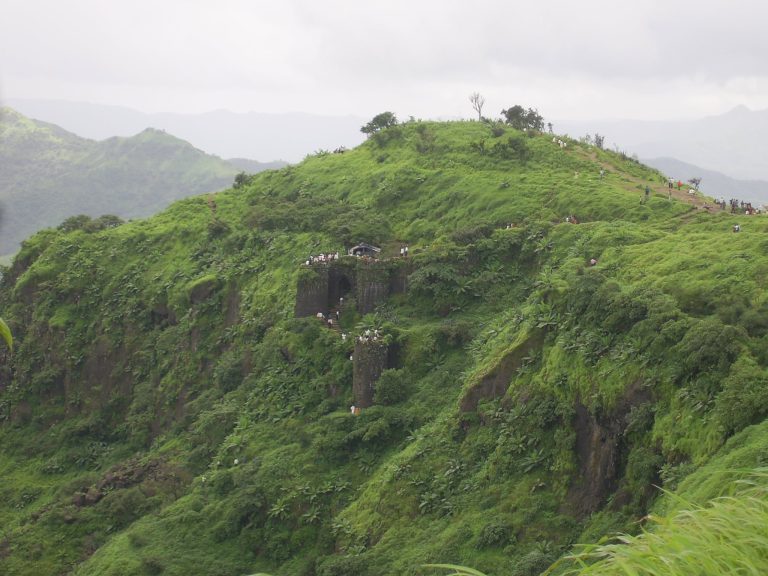
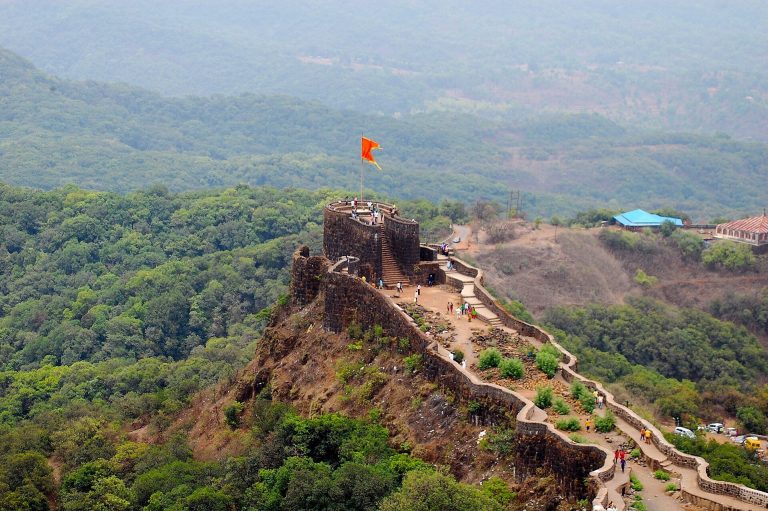
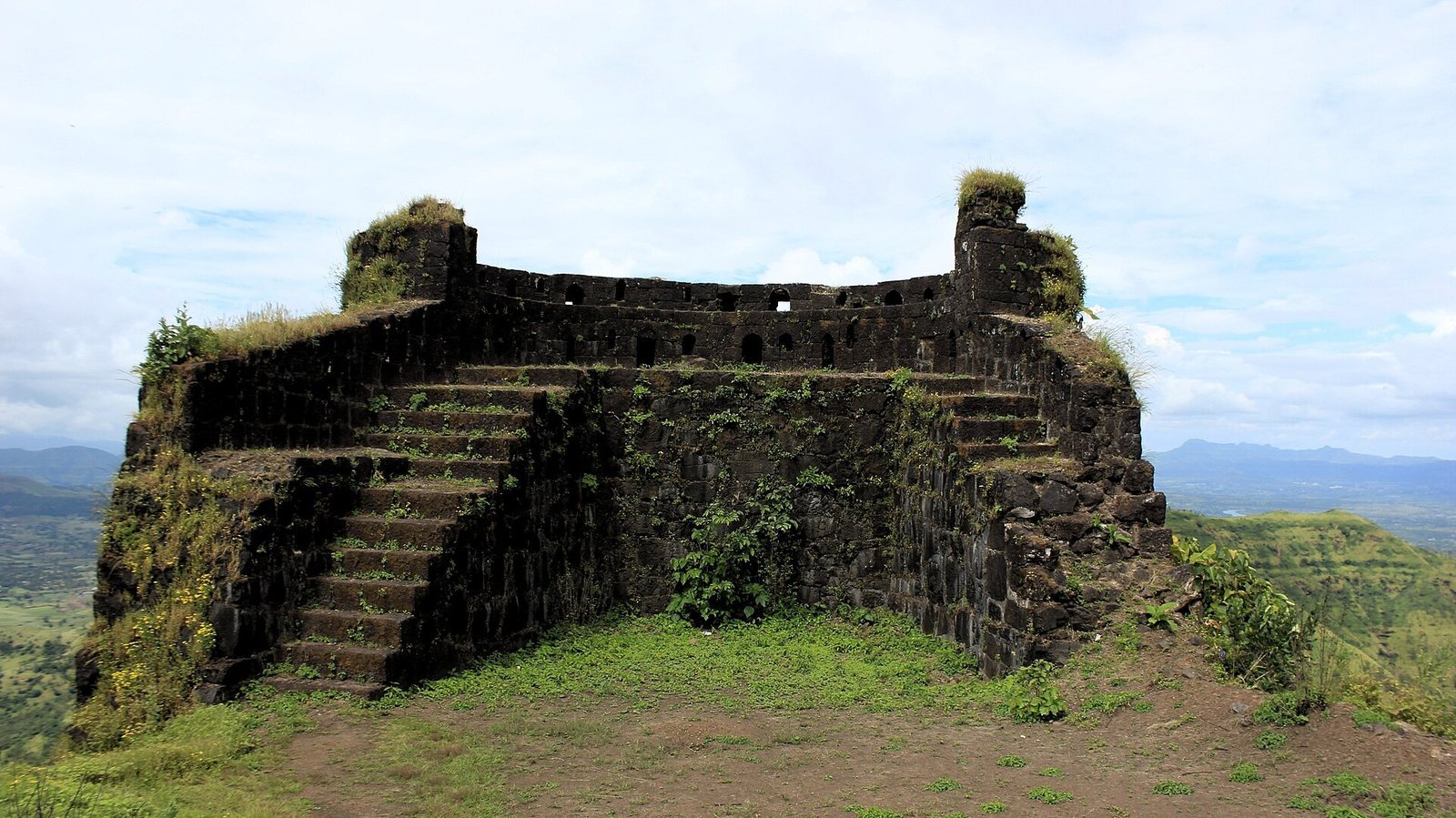
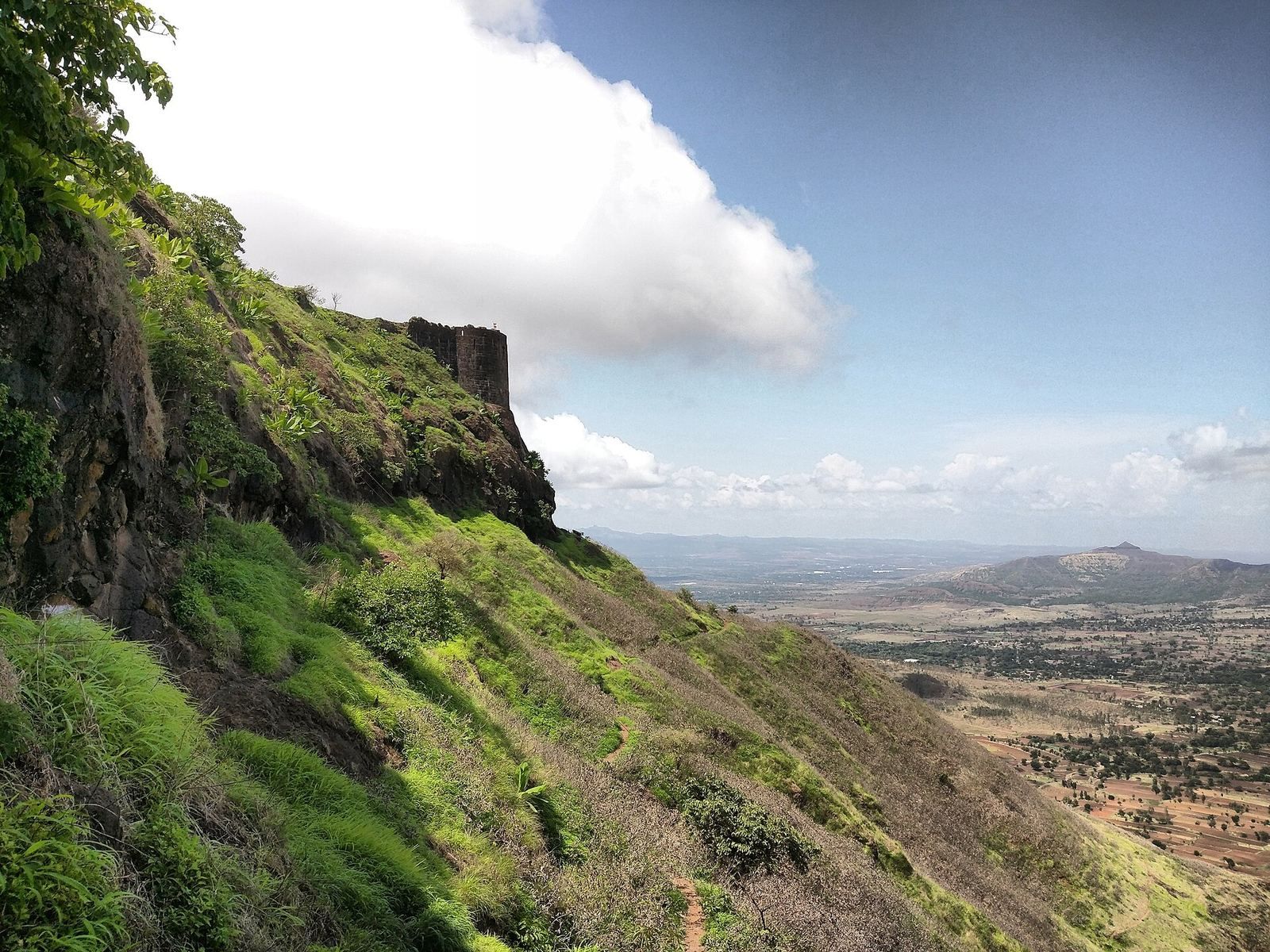
The stone fort is now in ruins. Its main entrance route passes three gates, while the surviving remains also include rock-cut water cisterns, a temple, and seven projecting defensive structures known as bastions.
Entrance route
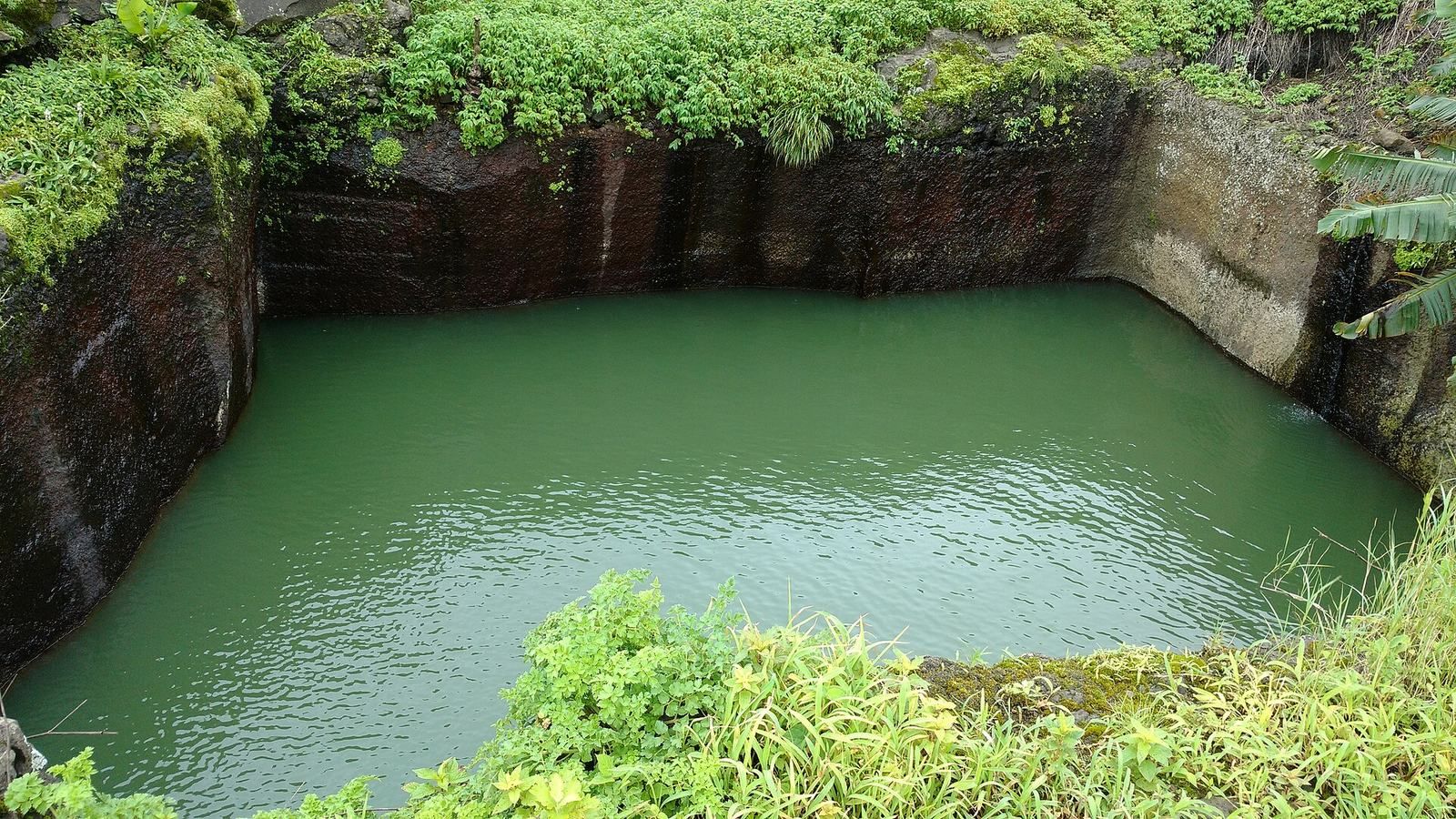
The main gate bears a panel depicting Ganesh, a Hindu deity associated with beginnings and the removal of obstacles, alongside a mihrab, a niche indicating the direction of prayer. Near the second gate is a rock-cut cistern whose water is available for drinking throughout the year. That gate also carries figures of a lion and a Sharabha, a powerful composite creature in Hindu mythology. The third gate stands beyond a climb of 57 steps. Elephant-head figures flank it, and its outer face carries a rock-cut inscription in Persian and Marathi.
Water and worship
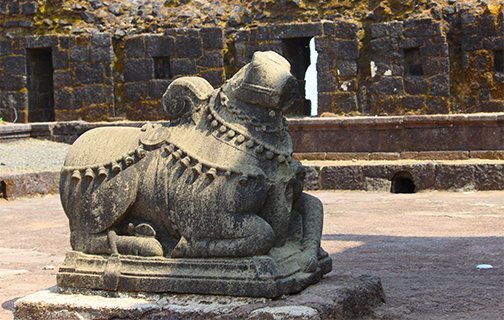
Further rock-cut cisterns form a series on the fort’s southern side. The Rohidamalla temple, dedicated to a regional Hindu deity worshipped in the area, remains in good condition.
Defensive works
The fort has seven named bastions: Shirawale Buruj, Patane Buruj, Damugade Buruj, Waghjai Buruj, Sarja Buruj, Fatte Buruj, and Sadar Buruj.