Episcopal Palace in Salamanca: A Bishop’s Residence and Diocesan Museum
Site at a Glance
- Popularity
- Medium
- Country
- Spain
- Primary era
- Modern
- Eras represented
- Modern
- Civilizations
- Spanish
- Site type
- Religious
- Remains
- Palace
On this page7 sections
History
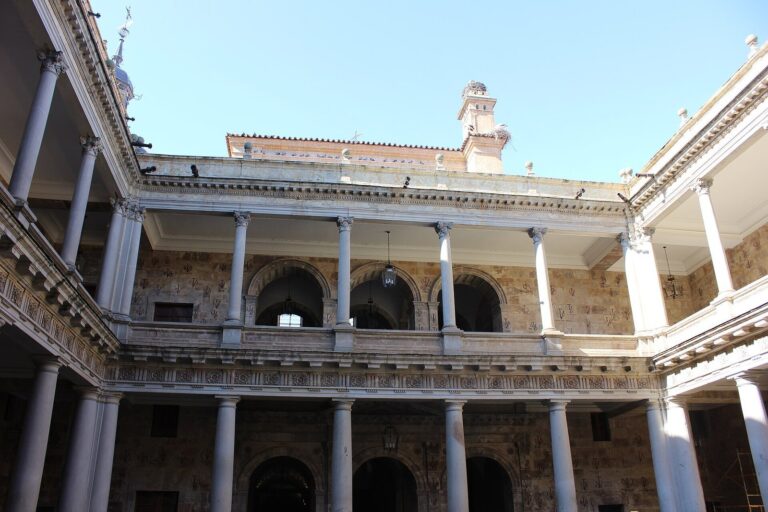
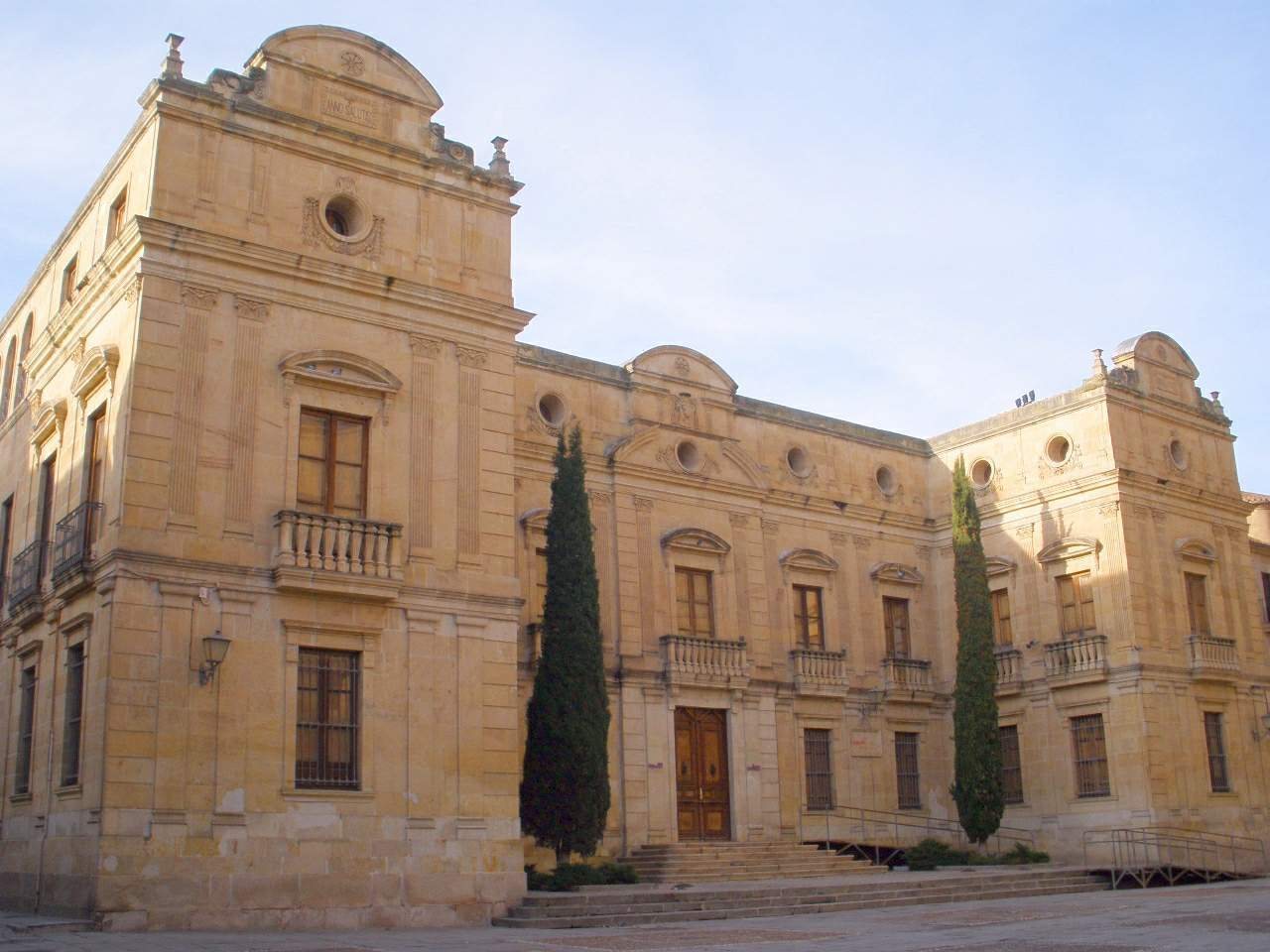
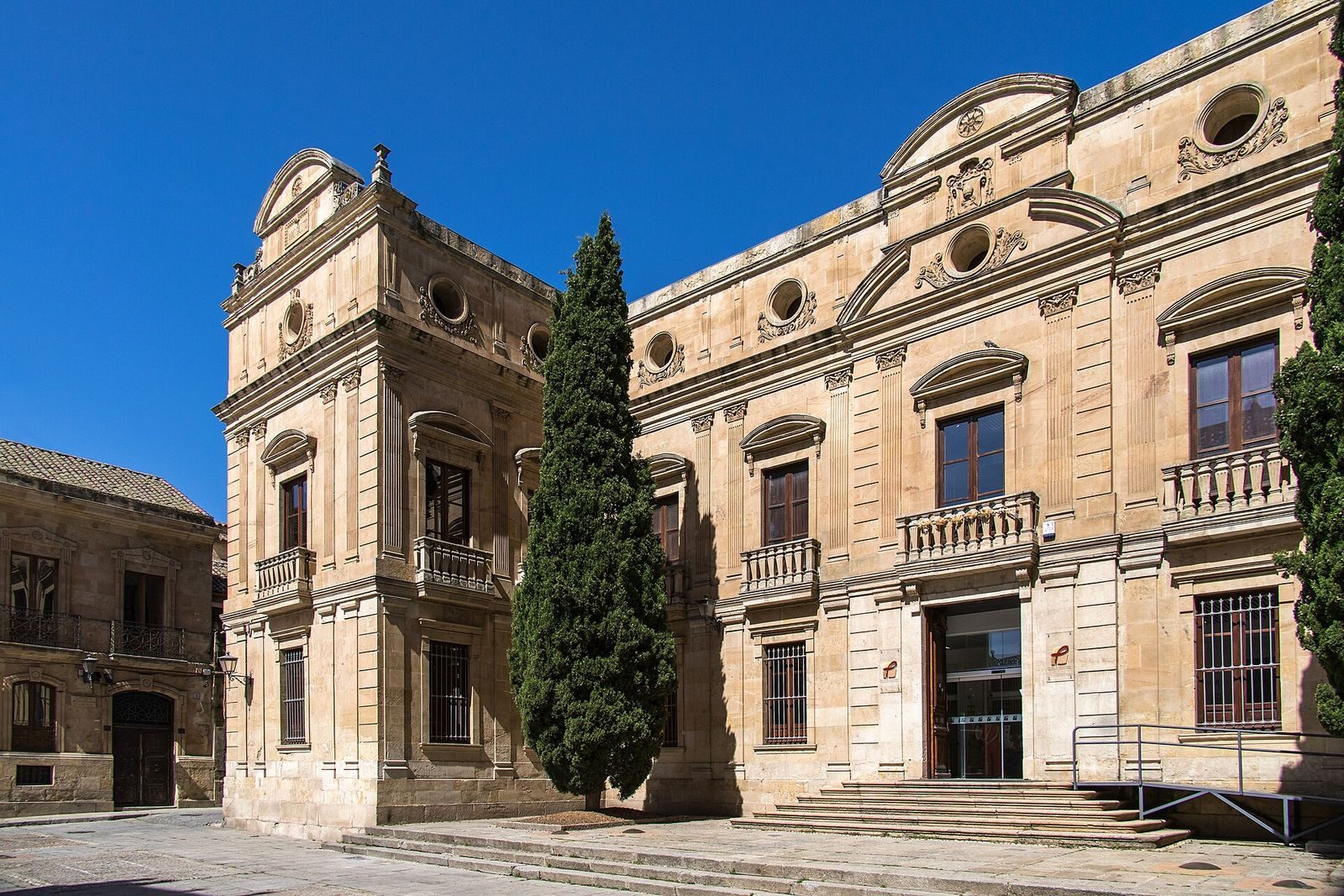
The Episcopal Palace in Salamanca, Spain, is an eclectic, classically inspired building designed by José Secall y Asión in 1886 and completed in 1889. It served as the residence of Salamanca’s bishops until 1964.
Earlier palace and construction
The present building replaced an earlier episcopal palace on the same site. That palace was demolished in the nineteenth century because it had fallen into poor condition. The new palace opened in 1890.
Wartime and later institutional uses
At the beginning of the Spanish Civil War, Bishop Plá y Deniel ceded the palace for use as the headquarters of Francisco Franco, a military leader who later became Spain’s dictator.
In 1983, the bishopric granted Salamanca City Council use of the building for a city-history museum. The arrangement lasted 18 years.
The palace reopened in March 2023 as the Diocesan Museum of Sacred Art. It also houses the Diocesan Archive of Salamanca.
Remains
Architecture and interior arrangement
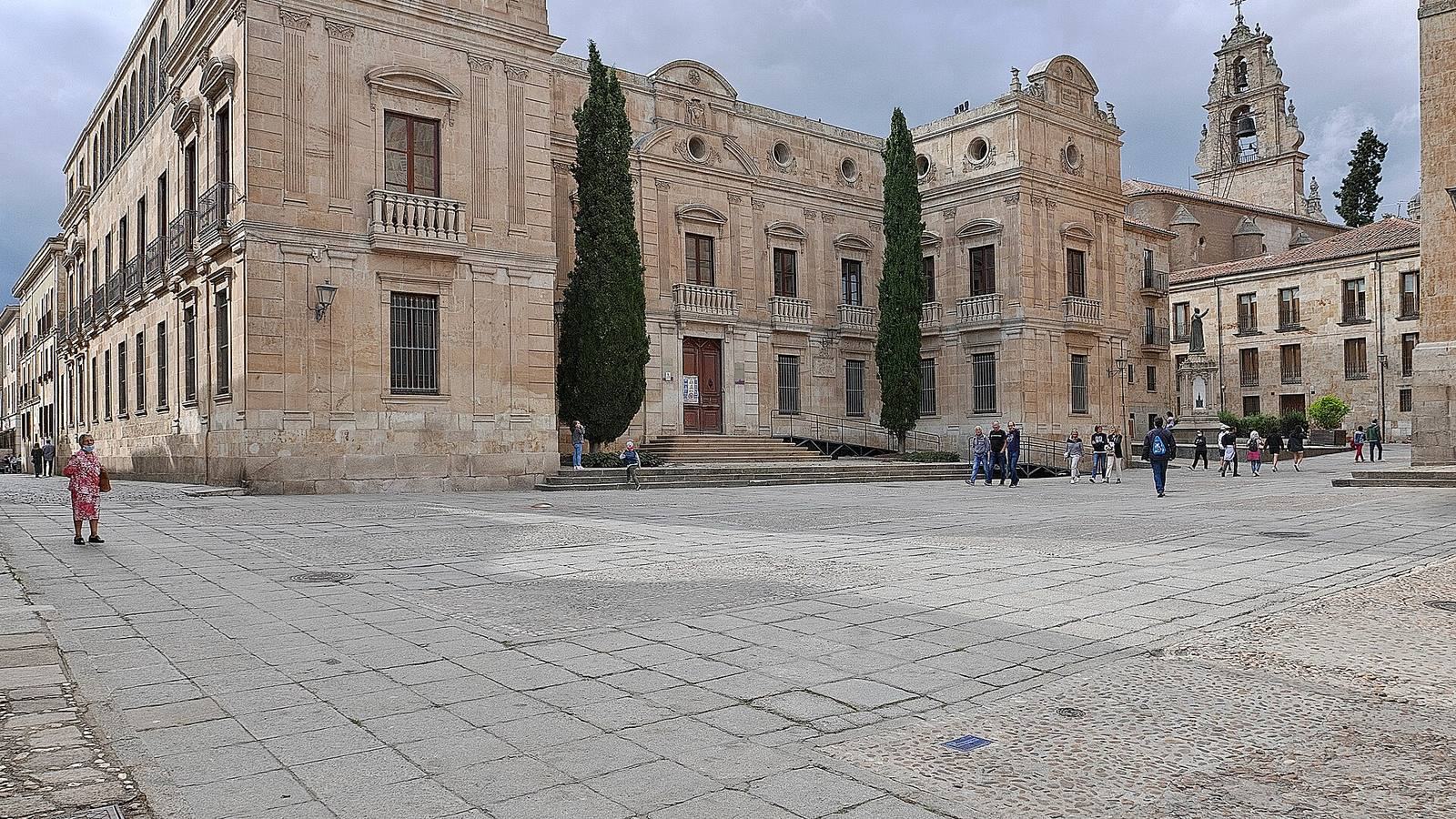
The palace combines an eclectic design with a strong classical influence. Its main façade has a U-shaped form, and the building’s spaces are arranged across a basement, ground floor, and first floor.
Main façade
Flat, column-like pilasters and curved and triangular pediments, decorative gable-like forms, adorn the façade. Round openings in the attic have molded keystones, or shaped central blocks, and garlands. Tapered, pilaster-like supports with inset panels frame the openings.
Interior spaces and collections
The ground floor is dedicated to the Spanish painter Fernando Gallego. The first floor contains the “Admirable Mystery” exhibition, while the basement is used for workshops and temporary exhibitions. Collections once held in the building included a cedarwood model of Salamanca City Hall made by architect Andrés García de Quiñones, as well as personal belongings of the Duke of Wellington and composer Tomás Bretón.